Sources for this article
Non-sporting group · France and Germany
Löwchen
Also called Little Lion Dog, Petit Chien Lion
A small, sturdy companion with a lion haircut, a lively mind and a history of nearly vanishing.
The Löwchen, or little lion dog, is a compact European companion best known for its traditional trim: clipped hindquarters, a full mane and a plumed tail. Beneath the eye-catching haircut is a cheerful, confident dog that sheds little but needs regular grooming and plenty of company.
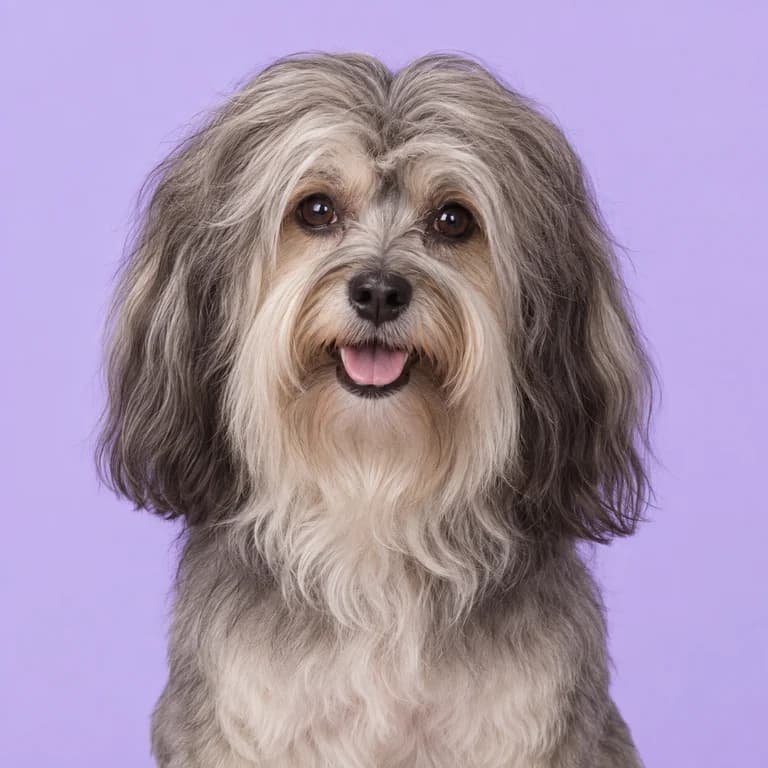
Original AI-generated breed illustration
Weight
4 to 8 kg
9 to 18 lb
Height
26 to 33 cm
at the shoulder
Life expectancy
13 to 15 yrs
Activity estimate
60 to 90 min
editorial daily planning range
Adult-size estimate
12 months
approximate model input
Life with a Löwchen
Look at European paintings and tapestries from the Renaissance onward and you will find small dogs with shaved bodies and lion manes sitting at the feet of noblewomen. Whether those were Löwchen or relatives from the Bichon family is still debated, but the image of a court lapdog in France, Germany and the Low Countries has stayed with the breed. The trim was fashionable, and some think it was practical too, as a warm little dog made a welcome lap warmer in a cold stone room.
By the middle of the 20th century the breed had almost disappeared. After the Second World War, Madeleine Bennert in Belgium collected a handful of surviving dogs and began a careful breeding program, and German enthusiasts joined the effort. Numbers were still so low in 1973 that it was named the rarest dog in the world. Populations have recovered but remain small, and most puppies come from a few dedicated breeders.
In daily life the Löwchen is affectionate, bright and more robust than it looks. It enjoys walks and games, is curious about everything, and usually appoints itself the household alarm system. It bonds strongly and does best with people who are home much of the day. Expect a dog that wants to sit next to you, watch the window and join in whatever you are doing.
What stands out
Grooming
The coat is the defining feature, and it needs more care than its tidy look suggests. There is little undercoat and very little shedding, but loose hair stays trapped in the coat and knots into mats if it is not brushed out. Brush and comb right down to the skin two or three times a week with a pin brush and a metal comb, working in small sections and paying extra attention behind the ears, in the armpits, under the collar and through the mane.
Read the full grooming guideIllustrative grooming schedule based on our editorial coat-care score. Adjust it to the individual coat and professional advice.
Brushing
4 to 5 times a week
Bathing
Every 3 to 6 weeks
Shedding
Minimal
Nail trim
Every 3 to 4 weeks
A great match for
- flat dwellers who are home a lot
- retirees wanting an alert, sociable companion
- families with gentle children
- people with mild allergies who accept regular grooming
Think twice if
- mats form fast without brushing
- tendency to bark at every noise
- dislikes long periods alone
- rare breed with long waiting lists
Personality and needs at a glance
Living together
Good with children
Good with other dogs
Open with strangers
Apartment friendly
Copes with alone time
Energy and character
Energy level
Playfulness
Easy to train
Barking
5 means very vocal
Care and climate
Grooming needs
Shedding
Drooling
Handles cold
Handles heat
How much a Löwchen eats
Illustrative calculations for neutered adults at midpoint breed weights, with food at 370 kcal per 100 g and 100 g per cup. These are not measured breed requirements. Use actual weight, the food label and veterinary body-condition advice.
| Dog | Weight | Calories | Dry food |
|---|---|---|---|
| Female, relaxed lifestyle | 6 kg | 350 kcal | 95 g (1 cups) |
| Female, typical pet | 6 kg | 400 kcal | 110 g (1 cups) |
| Male, typical pet | 7 kg | 460 kcal | 125 g (1.3 cups) |
| Male, very active | 7 kg | 570 kcal | 155 g (1.5 cups) |
Care guides for the Löwchen
Things owners are often surprised by
- 1In 1973 the breed was listed as the rarest in the world, with fewer than a hundred dogs known.
- 2Its revival after the Second World War owed much to Madeleine Bennert, a breeder in Belgium who gathered the surviving dogs.
- 3Löwchen is German for little lion.
- 4The breed standard accepts every coat color and pattern.
- 5Most adults weigh 4 to 8 kg (9 to 18 lb) and stand around 26 to 33 cm (10 to 13 in).
Löwchen questions
Why is the Löwchen clipped like a lion?
The trim is traditional and appears in European art from centuries ago. It may simply have been fashionable among wealthy owners, and some suggest a small dog with a clipped body made a pleasant hand or lap warmer. Today it is required in the show ring but optional at home, and many pet owners prefer a short, even clip all over.
Is the Löwchen hypoallergenic?
No dog is free of allergens, but the Löwchen sheds very little, so less hair ends up on floors and furniture. Some people with mild allergies live comfortably with the breed, while others still react to saliva and dander. Spend time with adult dogs before buying, and keep up regular grooming, washing of bedding and vacuuming.
Is the Löwchen related to the Bichon Frise?
It is thought to share ancestry with the Bichon family, and the breeds can look similar when a Löwchen is in full coat. The Löwchen, however, has a longer, wavier and less fluffy coat, and it comes in every color rather than white only. Both are cheerful companions, though the Löwchen tends to be a little more watchful and vocal.
How hard is it to find a Löwchen puppy?
Harder than for most breeds. Litters are few, and many breeders keep waiting lists that can run a year or more. Contact your national breed club, visit dog shows and be patient. Be wary of sellers who always have puppies available, because a rare breed with an endless supply is a warning sign. Ask to see health test results for both parents.
Popular answers for owners
- How much to feedHow much should I feed a 40kg dog?
- Grooming and coatHow often should I brush a curly coated dog?
- Exercise and playHow do I exercise a deaf dog safely?
- Puppy feeding and growthHow much should a Golden Retriever puppy eat at 3 months?
- Exercise and playWhy does my dog limp only after playing, not after walks?
- Bowls and feeding gearHow do I set up bowls for two dogs that eat at different speeds?
Breeds you might compare
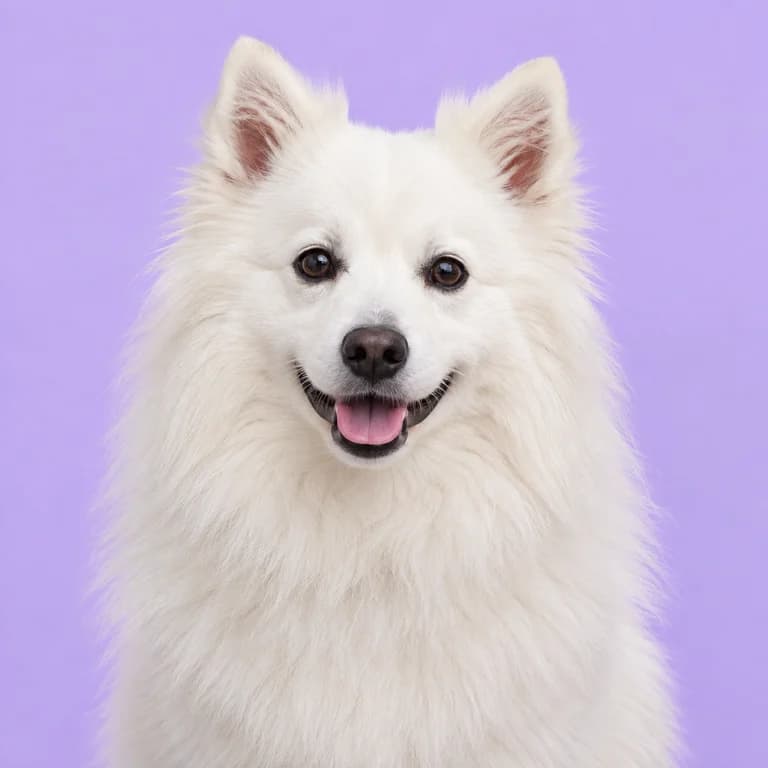
Non-sporting group
American Eskimo Dog
9 to 16 kg · 13 to 15 years
A German spitz renamed in America, once a circus star, now a bright and vocal family watchdog.
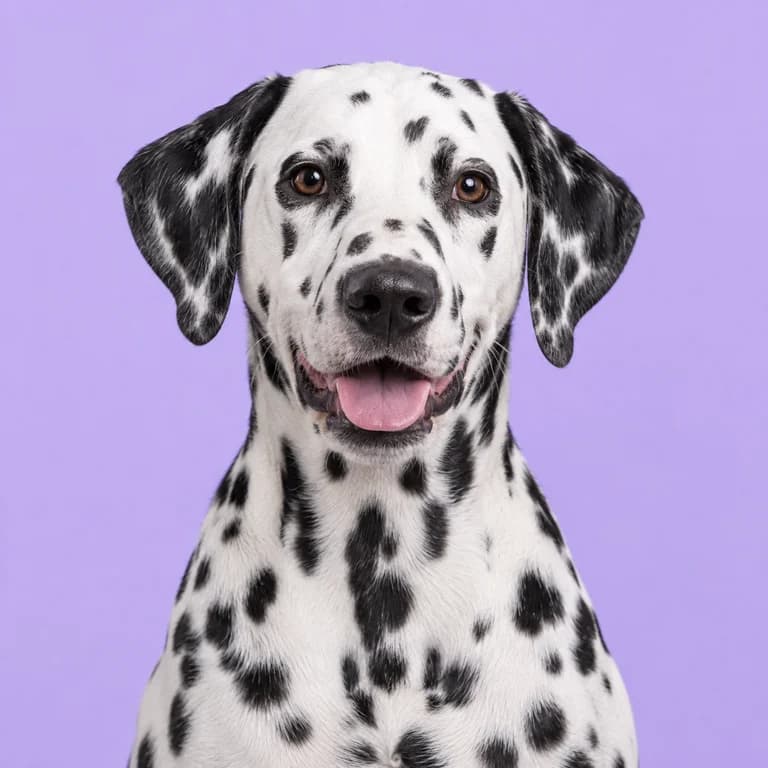
Non-sporting group
Dalmatian
20 to 32 kg · 11 to 13 years
Bred to trot beside horse-drawn carriages for hours, the Dalmatian still has the stamina to prove it.
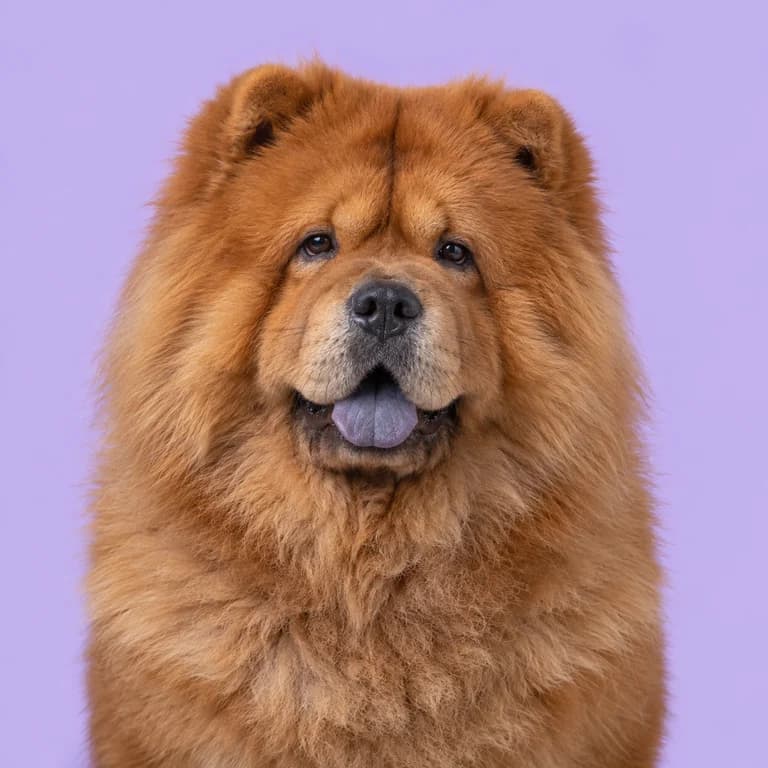
Non-sporting group
Chow Chow
20 to 32 kg · 8 to 12 years
A lion-maned, blue-tongued dog whose dense coat demands as much attention as its independent mind.
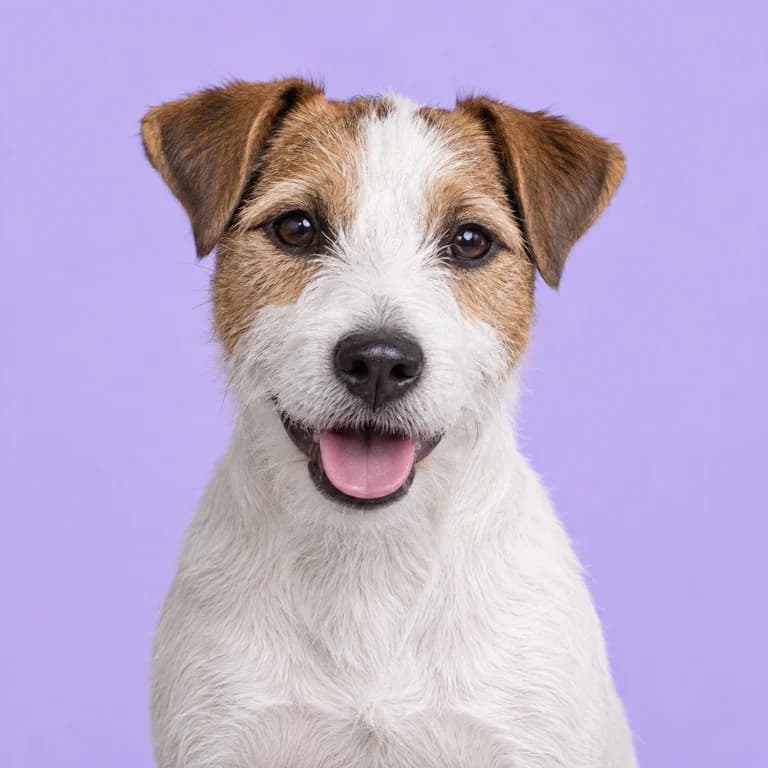
Terrier group
Parson Russell Terrier
5 to 8 kg · 13 to 15 years
A long-legged hunt terrier built to run with horses and hounds all day, then ask for more.
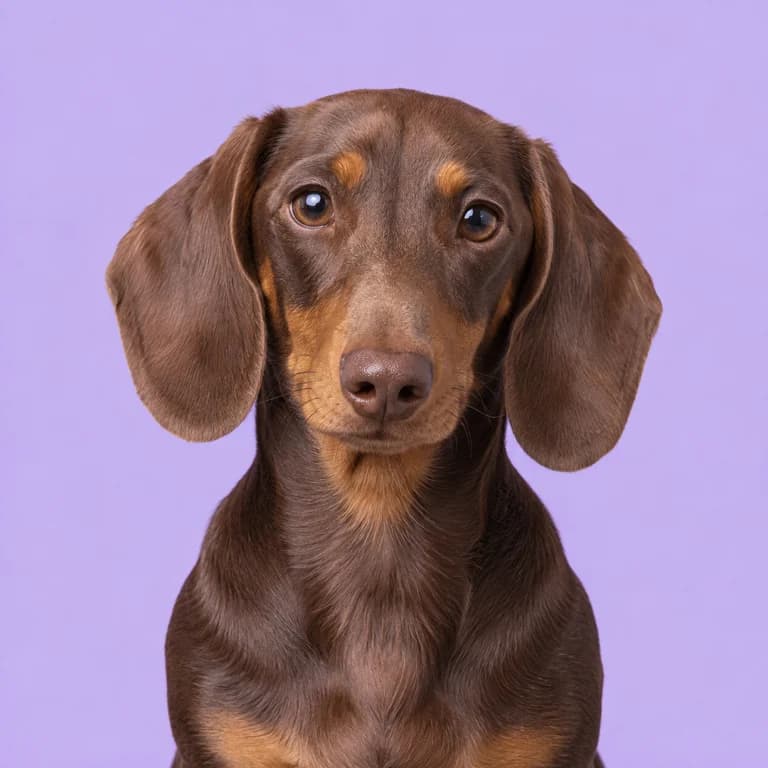
Hound group
Dachshund
7 to 13 kg · 12 to 16 years
A badger hunter shrunk to lap size, with a long spine that shapes almost every care decision you make.
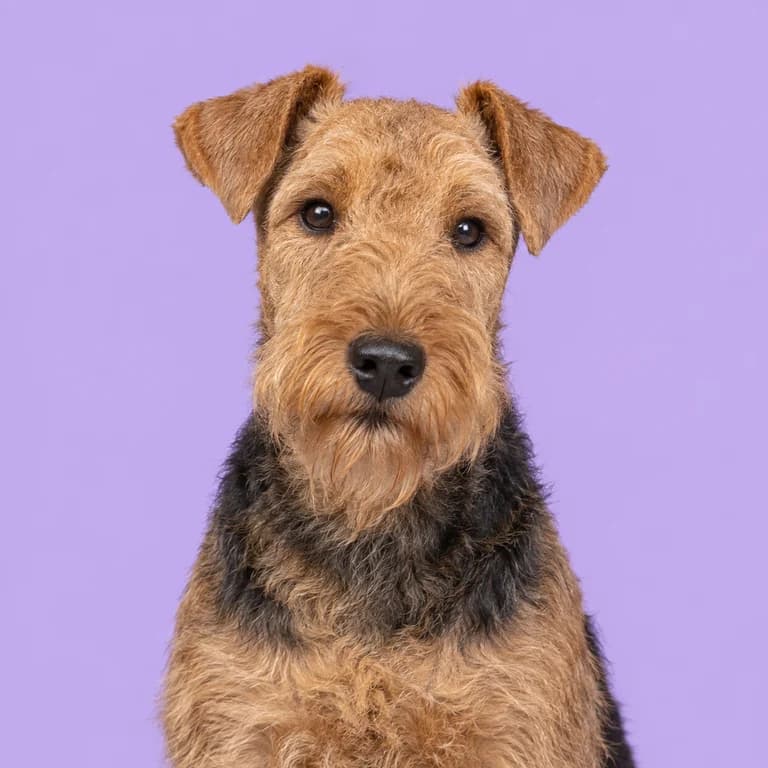
Terrier group
Lakeland Terrier
6 to 8 kg · 12 to 16 years
A small, bold fell terrier from the Lake District that learns fast, forgets nothing and negotiates every rule.