Sources for this article
Herding group · Switzerland
Entlebucher Mountain Dog
Also called Entlebucher Sennenhund, Entlebucher Cattle Dog, Entle
The smallest Swiss mountain dog packs a cattle drover's stamina into a compact, tricolored body that rarely switches off.
The Entlebucher Mountain Dog comes from the Entlebuch valley near Lucerne, where it moved cattle between pastures and guarded the farmyard. It is devoted, quick and tireless, and it suits owners who want a working partner far more than a relaxed companion.
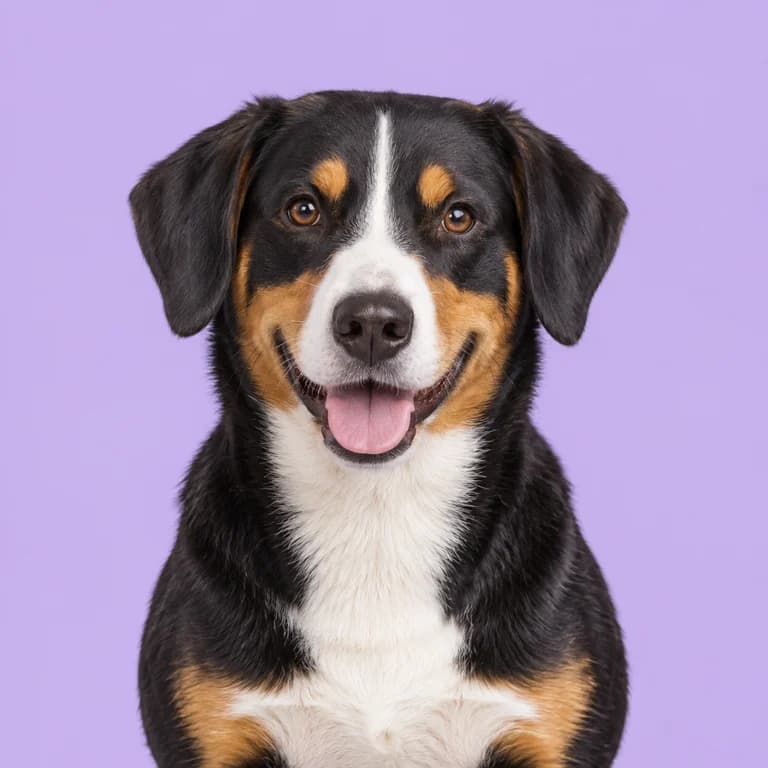
Original AI-generated breed illustration
Weight
20 to 30 kg
44 to 66 lb
Height
42 to 52 cm
at the shoulder
Life expectancy
11 to 13 yrs
Activity estimate
120 to 150 min
editorial daily planning range
Adult-size estimate
18 months
approximate model input
Life with a Entlebucher Mountain Dog
An Entlebucher that has not had enough to do will make sure you know about it. This is a compact dog of about 20 to 30 kg with the engine of a much bigger one, built to drive cattle up and down steep Alpine pastures from morning to evening. Farmers in the Entlebuch valley, in the canton of Lucerne, wanted a dog that was nimble, weatherproof, bold enough to move a stubborn cow and loyal enough to guard the yard at night.
Outside its home valley the breed was barely known until the early 20th century, when Swiss enthusiasts, most famously the geologist and dog writer Albert Heim, set out to preserve the native farm dogs. The Entlebucher stayed rare for decades, and even now it is one of the less common Swiss breeds in most countries. That small population is worth remembering when you look for a breeder.
In a family, an Entle is affectionate, playful and closely bonded to its people, often trailing one person from room to room. It is naturally suspicious of strangers and quick to sound off at unfamiliar noises. Herding instinct may show as circling, nudging and nipping at the heels of running children, which needs gentle, early redirection rather than punishment.
Picture a medium-sized dog that wants around two hours a day of combined exercise and brain work, and you will know whether the breed fits your life. With that need met, most Entlebuchers are cheerful and settled at home.
What stands out
Exercise
Plan for at least 90 minutes of exercise a day for an adult, with longer outings on some days. A brisk walk with off-lead running in a safe space, plus a training or brain game, keeps most Entles content. The breed shines at herding trials, agility, obedience, rally, flyball and canicross, and many enjoy tracking.
Read the full exercise guideActivity planning estimate
120 to 150 min
editorial estimate, not a prescription
Energy
5 / 5
Playfulness 4 / 5
A great match for
- active owners who hike, run or do dog sports
- rural homes or houses with secure gardens
- people wanting a loyal, watchful family dog
- experienced owners comfortable with a strong-minded herder
Think twice if
- high energy that can turn into herding and nipping children
- wariness of strangers without steady socialization
- barking at noises and passers-by
- sensitivity to change and loud environments
- poor coping with long days alone
Personality and needs at a glance
Living together
Good with children
Good with other dogs
Open with strangers
Apartment friendly
Copes with alone time
Energy and character
Energy level
Playfulness
Easy to train
Barking
5 means very vocal
Care and climate
Grooming needs
Shedding
Drooling
Handles cold
Handles heat
How much an Entlebucher Mountain Dog eats
Illustrative calculations for neutered adults at midpoint breed weights, with food at 370 kcal per 100 g and 100 g per cup. These are not measured breed requirements. Use actual weight, the food label and veterinary body-condition advice.
| Dog | Weight | Calories | Dry food |
|---|---|---|---|
| Female, relaxed lifestyle | 24 kg | 1050 kcal | 285 g (2.8 cups) |
| Female, typical pet | 24 kg | 1200 kcal | 325 g (3.3 cups) |
| Male, typical pet | 26 kg | 1290 kcal | 350 g (3.5 cups) |
| Male, very active | 26 kg | 1610 kcal | 435 g (4.3 cups) |
Care guides for the Entlebucher Mountain Dog
Things owners are often surprised by
- 1Smallest of the four Swiss Sennenhund breeds, alongside the Bernese, the Greater Swiss and the Appenzeller
- 2Four dogs shown at a Swiss dog show in 1913 are often credited as the breed's formal starting point; a breed club followed in 1926
- 3Comes in one color pattern only: black with symmetrical tan and white markings
- 4Some puppies are born with a naturally short bobtail
- 5Registrations worldwide are small, so waiting lists for puppies are common
Entlebucher Mountain Dog questions
Is the Entlebucher related to the Bernese Mountain Dog?
Yes. Both belong to the Swiss Sennenhund family, along with the Greater Swiss Mountain Dog and the Appenzeller. All four share the black, tan and white coat and a farm background. The Entlebucher is the smallest and most compact, with a short coat and the highest energy. It is primarily a herding dog, while the Bernese was used more for pulling carts and general farm work.
Are Entlebuchers good with children?
They can be loving family dogs, but herding instinct may lead to circling and nipping at running children. Teach kids to stand still when the dog gets excited, and give the dog proper outlets for chasing, such as toy games with adults. Supervision matters with young children, and many families find the breed easier once children are about six or older.
Can an Entlebucher live in an apartment?
Usually it is a poor fit. The breed is medium-sized but has very high energy and a habit of barking at noises, which is hard in shared buildings. An Entlebucher can adapt to an apartment only with an owner committed to substantial daily exercise, training and quiet-time practice. A house with a secure garden in a calmer area suits most dogs far better.
How rare is the Entlebucher Mountain Dog?
Fairly rare outside Switzerland. Breed clubs in Europe and North America register a limited number of litters each year, and many breeders keep waiting lists, so expect to wait months for a puppy. Rarity also means a small gene pool. Choose a breeder who health-tests thoroughly and plans matings with genetic diversity in mind.
Why does my Entlebucher bark at everything?
The breed doubled as a farm watchdog, and announcing unfamiliar sounds was part of the job. Reduce triggers by blocking street views, reward your dog for falling quiet after one or two barks, and check it is getting enough physical and mental exercise. In many Entles, barking drops noticeably once their daily needs are properly met.
Popular answers for owners
- How much to feedHow much should I feed a 32kg dog?
- How much to feedMy dog gained weight suddenly, what could explain it?
- Puppy feeding and growthHow much should a French Bulldog puppy eat?
- Puppy feeding and growthHow to predict my puppy's adult weight from its paws?
- How much to feedHow much should I feed a 28kg dog?
- Grooming and coatWhat is a coat blow and how long does it last?
Breeds you might compare
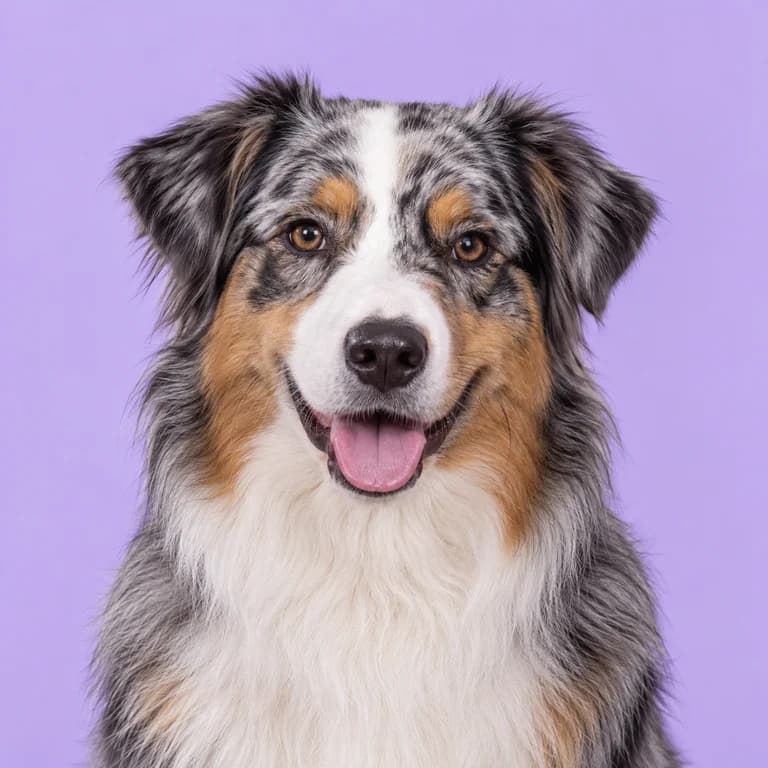
Herding group
Australian Shepherd
18 to 32 kg · 12 to 15 years
A ranch-bred worker with a busy brain, the Aussie wants a daily job and will invent one if you don't.
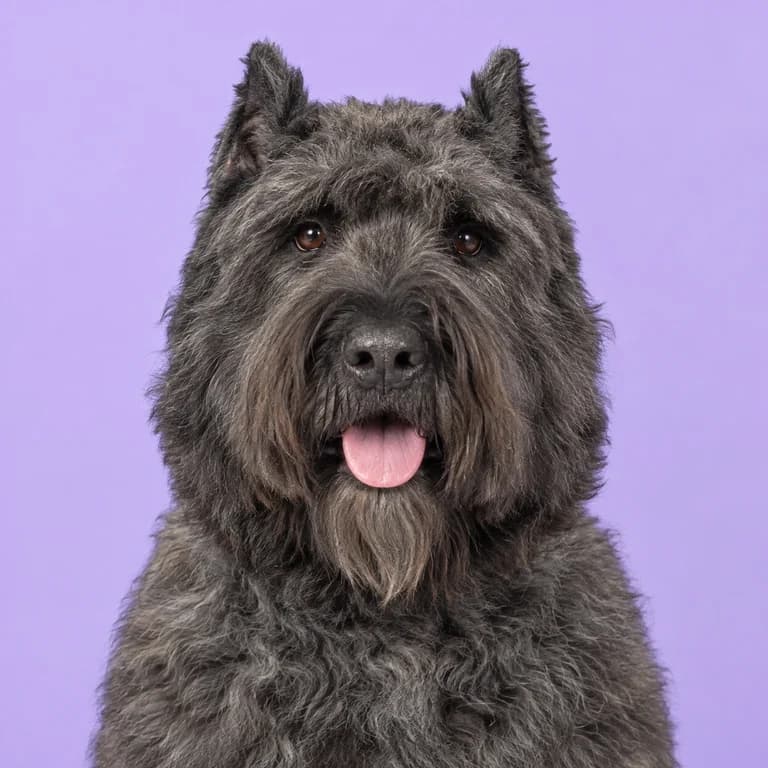
Herding group
Bouvier des Flandres
27 to 40 kg · 10 to 12 years
A rugged Flemish cattle dog hidden under a shaggy coat that demands weekly work and regular trimming.
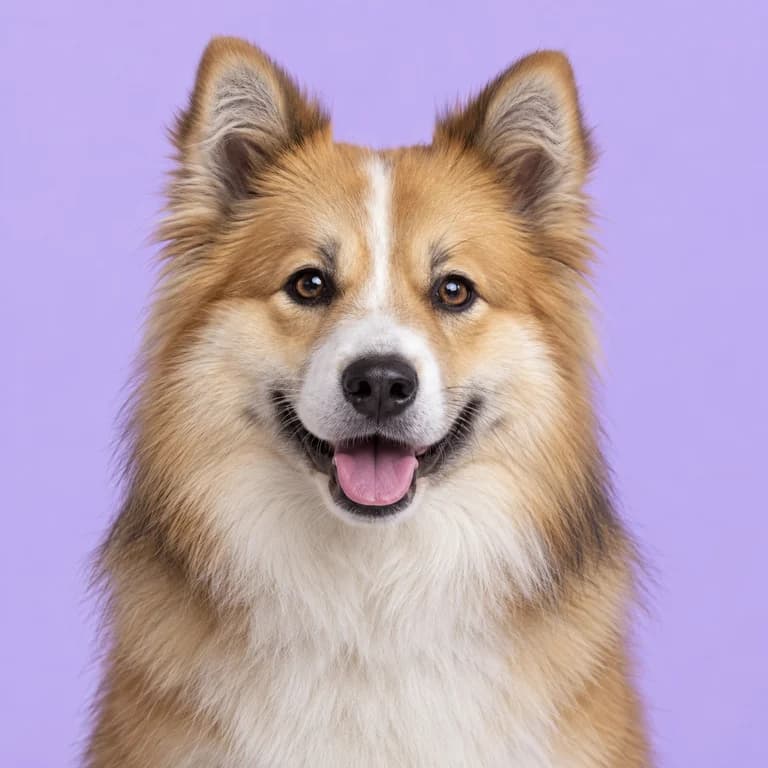
Herding group
Icelandic Sheepdog
9 to 14 kg · 12 to 14 years
The only dog native to Iceland, brought by Viking settlers and still herding with its voice more than its eyes.
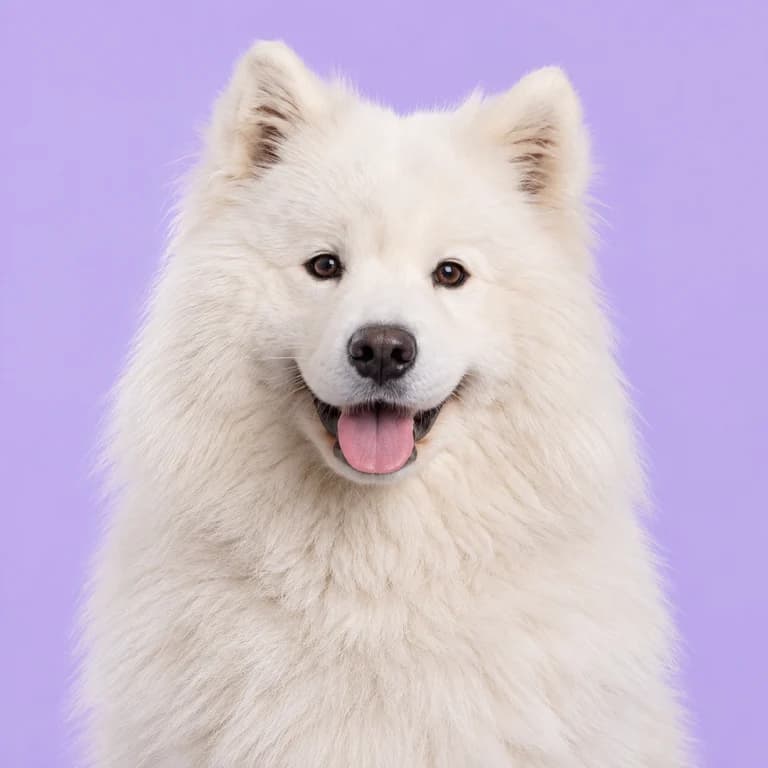
Working group
Samoyed
16 to 30 kg · 12 to 14 years
That famous white cloud of coat comes with a weekly brushing commitment and a chatty, sociable dog underneath.
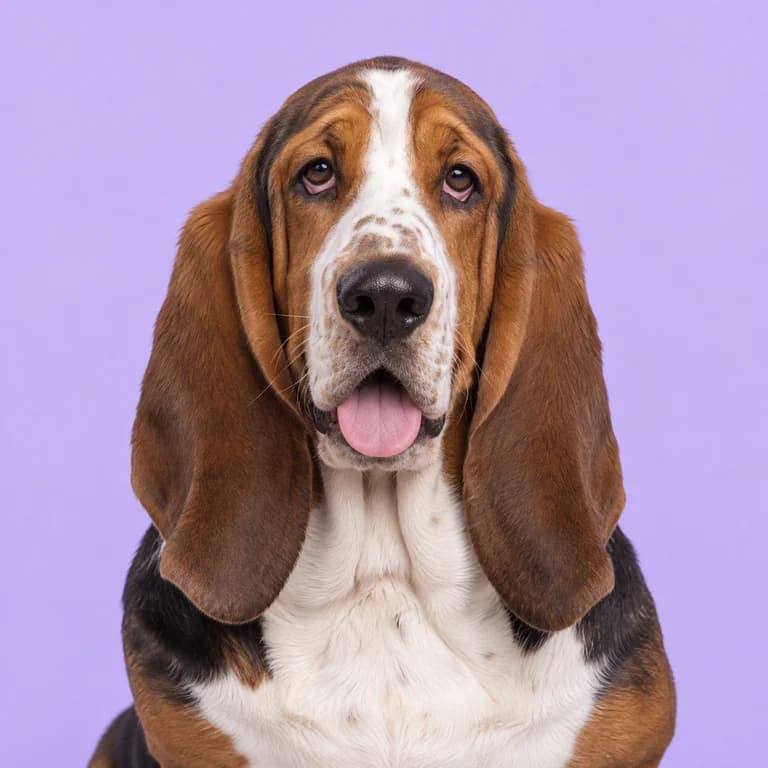
Hound group
Basset Hound
20 to 29 kg · 10 to 12 years
A scent hound nearly as heavy as a Labrador, built on legs barely 35 cm tall.
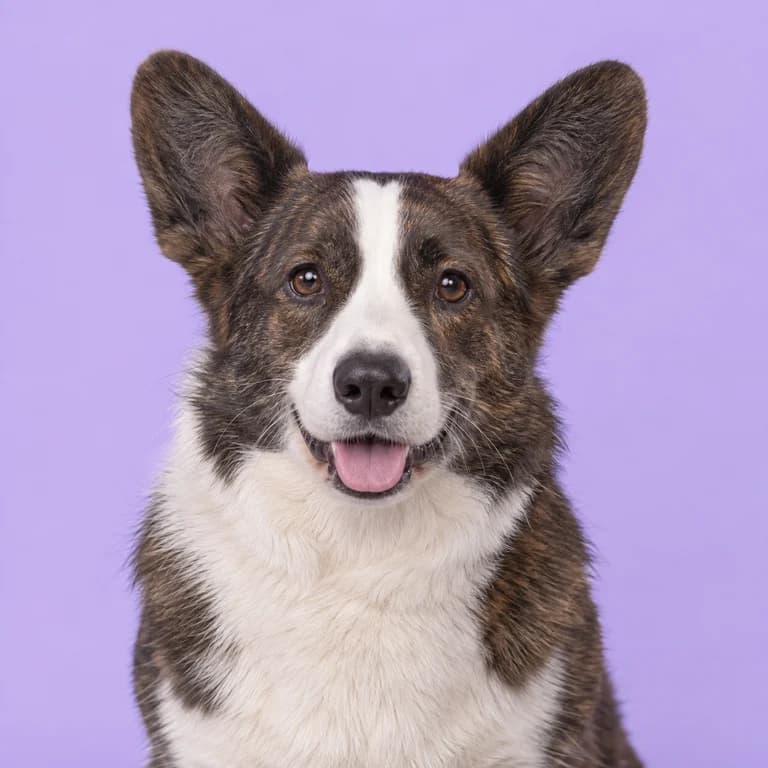
Herding group
Cardigan Welsh Corgi
12 to 17 kg · 12 to 15 years
The older, long-tailed corgi from the Welsh hills, built low to drive cattle and still thinking like a farmhand.