Sources for this article
Herding group · Iceland
Icelandic Sheepdog
Also called Íslenskur fjárhundur, Iceland Dog
The only dog native to Iceland, brought by Viking settlers and still herding with its voice more than its eyes.
The Icelandic Sheepdog is a medium-sized spitz, around 9 to 14 kg (20 to 31 lb), that arrived with Norse settlers over a thousand years ago. It is friendly, curious and vocal, with a curled tail, pricked ears and double dewclaws on its hind legs. Its survival today owes a lot to a handful of determined enthusiasts.
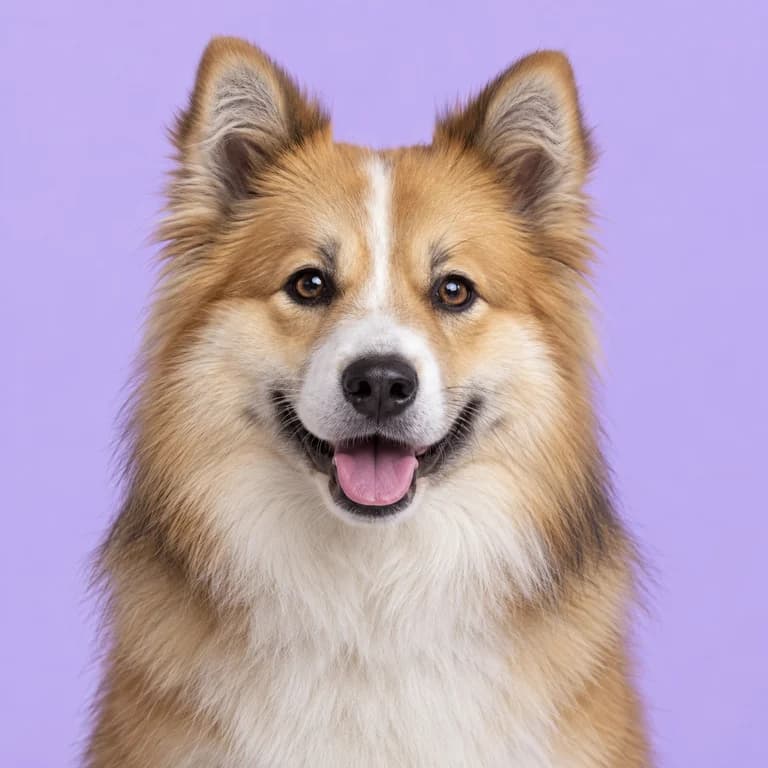
Original AI-generated breed illustration
Weight
9 to 14 kg
20 to 31 lb
Height
40 to 48 cm
at the shoulder
Life expectancy
12 to 14 yrs
Activity estimate
90 to 120 min
editorial daily planning range
Adult-size estimate
14 months
approximate model input
Life with a Icelandic Sheepdog
When Norse settlers crossed to Iceland between roughly 874 and 930, they brought small spitz dogs with them. For the next thousand years those dogs were the island's only breed, working sheep, horses and cattle on open hillsides, finding lost sheep in snow and fog, and barking to warn the farm of approaching riders or birds of prey near the lambs.
The breed came close to vanishing. In the late 1800s outbreaks of disease killed a large share of the country's dogs, and later restrictions on keeping dogs in towns cut numbers further. In the 1950s the British enthusiast Mark Watson took dogs to California and drew attention to the breed's plight, and in 1969 Icelanders founded a breed association to protect it. Numbers have grown since, but the population is still small by modern standards.
What you get today is a friendly, cheerful herding dog that likes everyone, including strangers and children. It is not a guard dog in the sense of being suspicious; it simply reports everything it notices, loudly. Families who enjoy the outdoors and do not mind a talkative dog usually find it an excellent companion.
A great match for
- active households in cool climates
- families with children of all ages
- owners who enjoy hiking and dog sports
- people who want a sociable, non-aggressive dog
Think twice if
- a strong urge to bark at anything unusual
- heavy seasonal shedding
- struggles in hot weather
- unhappiness when left alone for long
Personality and needs at a glance
Living together
Good with children
Good with other dogs
Open with strangers
Apartment friendly
Copes with alone time
Energy and character
Energy level
Playfulness
Easy to train
Barking
5 means very vocal
Care and climate
Grooming needs
Shedding
Drooling
Handles cold
Handles heat
How much an Icelandic Sheepdog eats
Illustrative calculations for neutered adults at midpoint breed weights, with food at 370 kcal per 100 g and 100 g per cup. These are not measured breed requirements. Use actual weight, the food label and veterinary body-condition advice.
| Dog | Weight | Calories | Dry food |
|---|---|---|---|
| Female, relaxed lifestyle | 11 kg | 570 kcal | 155 g (1.5 cups) |
| Female, typical pet | 11 kg | 650 kcal | 175 g (1.8 cups) |
| Male, typical pet | 13 kg | 740 kcal | 200 g (2 cups) |
| Male, very active | 13 kg | 930 kcal | 250 g (2.5 cups) |
Care guides for the Icelandic Sheepdog
Things owners are often surprised by
- 1Arrived in Iceland with Norse settlers between about 874 and 930
- 2Hind legs carry double dewclaws, a feature the breed standard requires
- 3Nearly died out in the late 1800s after disease swept through the dog population
- 4Iceland celebrates the breed every year on 18 July
- 5Herds by barking and circling rather than by staring down livestock
Icelandic Sheepdog questions
Why do Icelandic Sheepdogs have double dewclaws?
Double dewclaws on the hind legs are a traditional feature of the breed, and the standard asks for them. They may have helped on rough, icy ground, though the real function is debated. Because they do not touch the ground, they need regular trimming, or they can grow round into the skin.
Do Icelandic Sheepdogs bark a lot?
Yes, it is one of the more vocal breeds. On Icelandic farms they moved sheep and warned of visitors by barking, and that instinct is still strong. Training can reduce it a great deal, especially rewarding quiet and teaching a stop cue, but this is not a breed for owners who need near silence or have close neighbors sensitive to noise.
Should I choose a short-coated or long-coated Icelandic Sheepdog?
Both coats are thick, double and weatherproof, and both appear in the same litters. The long coat looks more dramatic and needs a bit more brushing, especially behind the ears. The short coat is easier to keep clean after muddy walks. Temperament is identical, so choose based on the grooming you are happy to do.
Can an Icelandic Sheepdog live in a hot climate?
It can, with careful management, but it is not ideal. The breed evolved for cool, windy weather and struggles with heat and humidity. In warm regions you will need air-conditioned indoor space, exercise only in early morning or late evening, and constant access to shade and water. Never shave the coat to cool the dog down.
Are Icelandic Sheepdogs rare?
They are uncommon outside the Nordic countries, and there may be waiting lists for puppies from health-tested parents. The world population is a few tens of thousands at most. Breed clubs keep in close touch internationally to protect genetic diversity, so expect a good breeder to ask you plenty of questions.
Popular answers for owners
- Grooming and coatWhat brush should I use for a short smooth coat?
- Bowls and feeding gearAre painted or glazed ceramic bowls safe?
- How much to feedHow much should I feed a 5kg dog?
- Exercise and playHow long should an enrichment session last?
- Exercise and playWhat are good DIY enrichment activities for dogs?
- Bowls and feeding gearWhat bowl is best for a French Bulldog?
Breeds you might compare
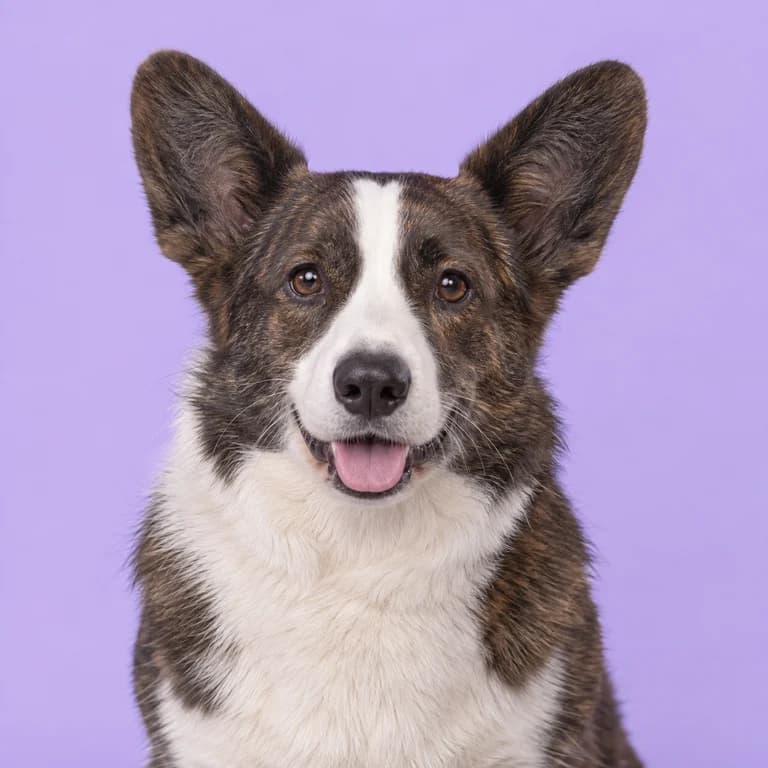
Herding group
Cardigan Welsh Corgi
12 to 17 kg · 12 to 15 years
The older, long-tailed corgi from the Welsh hills, built low to drive cattle and still thinking like a farmhand.
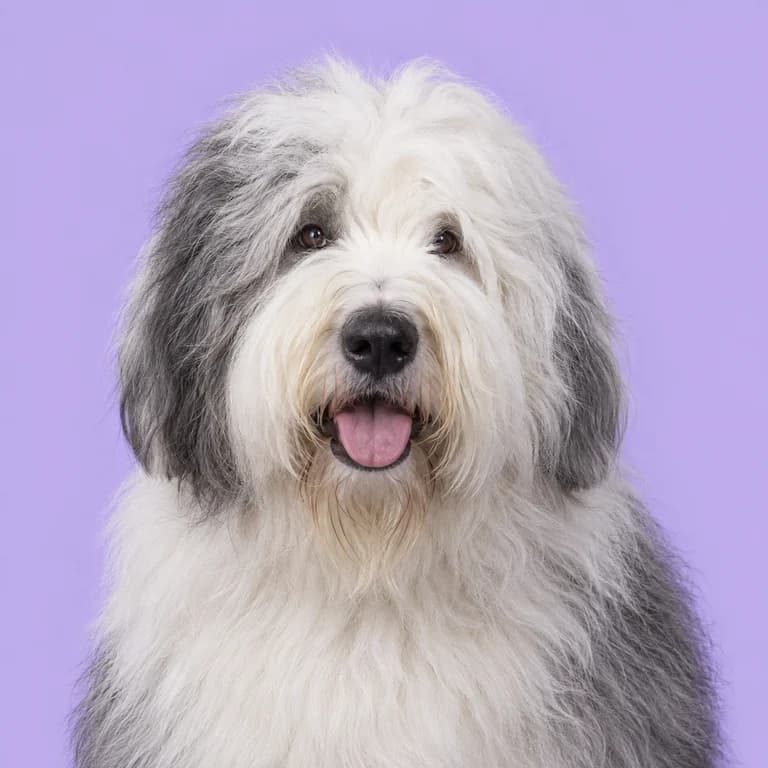
Herding group
Old English Sheepdog
27 to 45 kg · 10 to 12 years
A shaggy English drover with a rolling bear-like walk and a coat that asks for hours of your week.
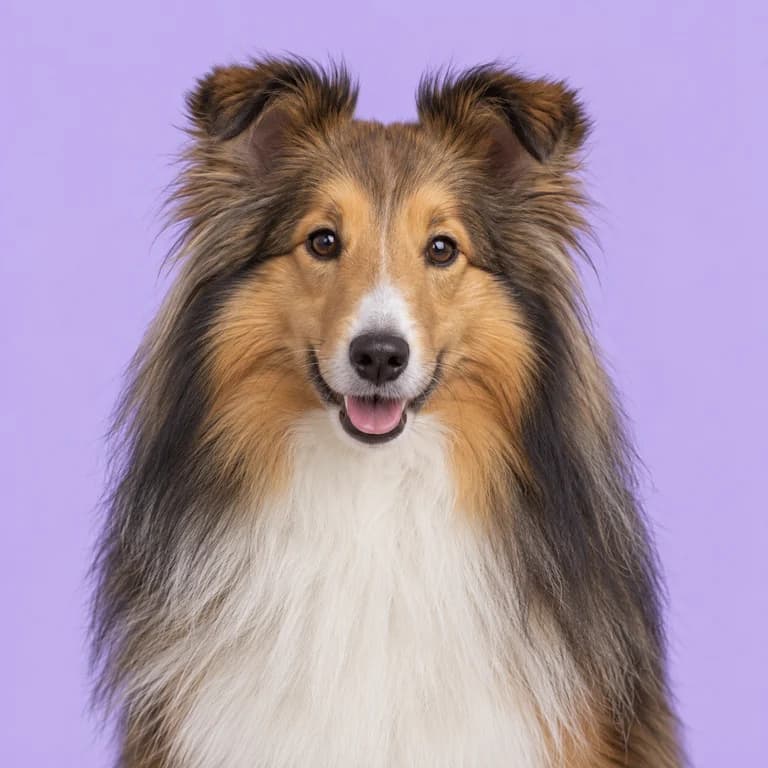
Herding group
Shetland Sheepdog
6 to 11 kg · 12 to 14 years
A small herding dog with a big brain and a bigger voice, happiest learning something new beside you.
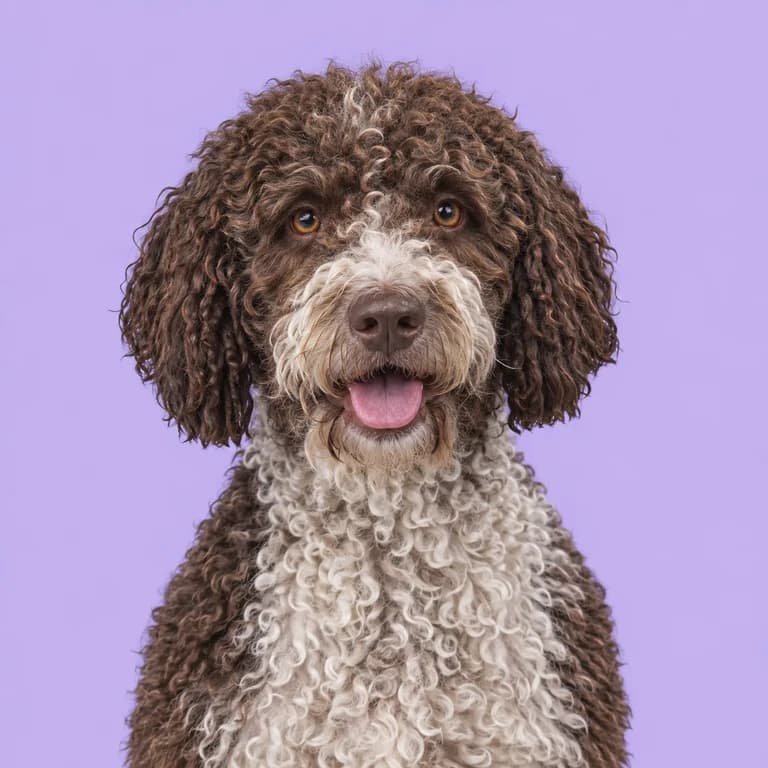
Herding group
Spanish Water Dog
14 to 22 kg · 12 to 14 years
A curly Andalusian all-rounder that herds, swims and retrieves, wearing a coat you must never brush.
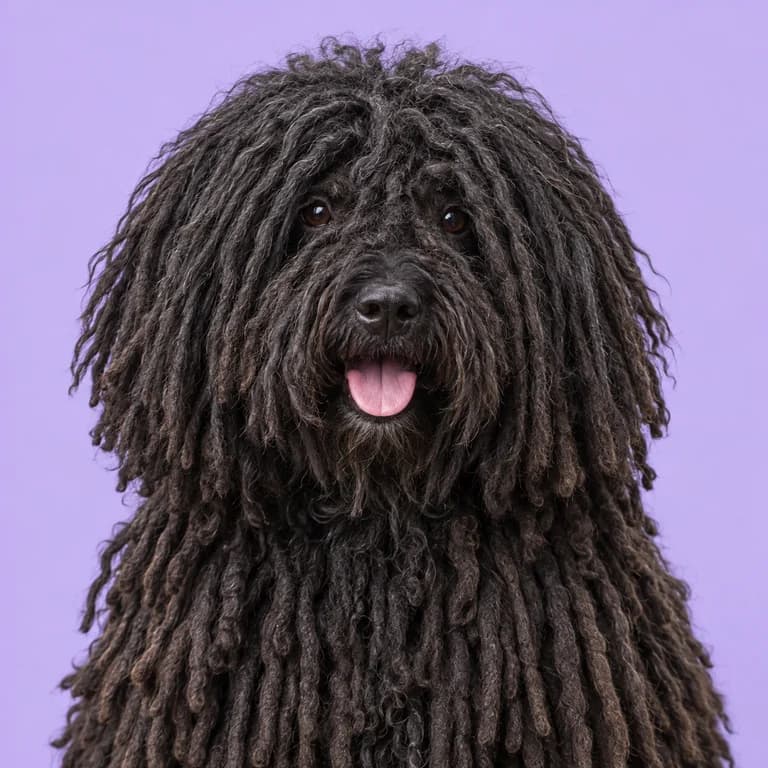
Herding group
Puli
10 to 15 kg · 12 to 16 years
A Hungarian sheepdog wearing its own dreadlocks, quick on its feet and quicker still to notice anything unusual.
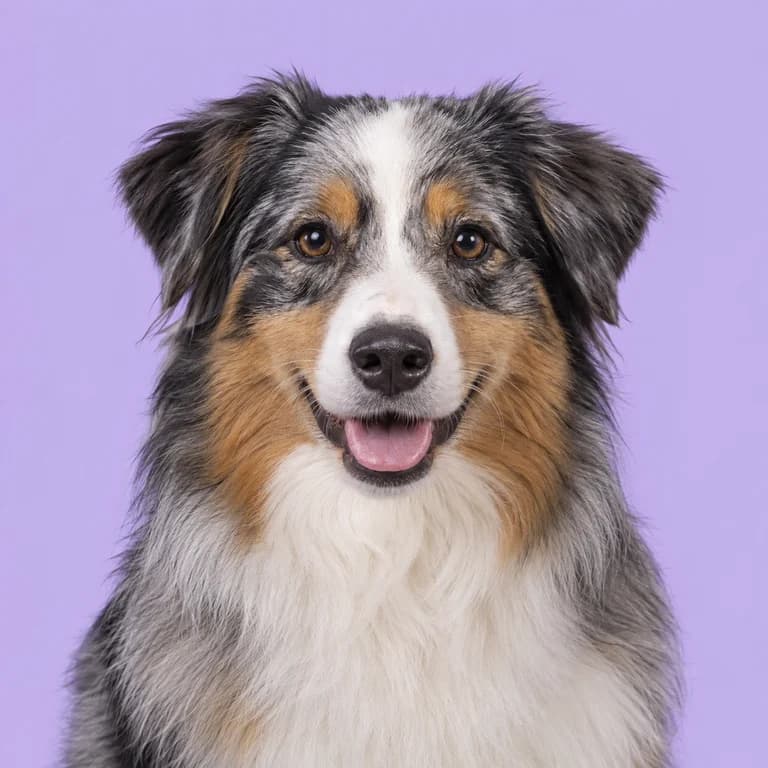
Herding group
Miniature American Shepherd
9 to 18 kg · 12 to 15 years
A true herding dog scaled down to fit a smaller home, with none of the drive removed.