Sources for this article
Working group · Russia (Siberia)
Samoyed
Also called Sammy, Bjelkier
That famous white cloud of coat comes with a weekly brushing commitment and a chatty, sociable dog underneath.
Samoyeds were bred by nomadic reindeer herders in northern Siberia, and they still behave like dogs that expect to live alongside people, not apart from them. The standing white coat is stunning and very practical in the cold, but it sheds in drifts and needs real, regular work to stay healthy.
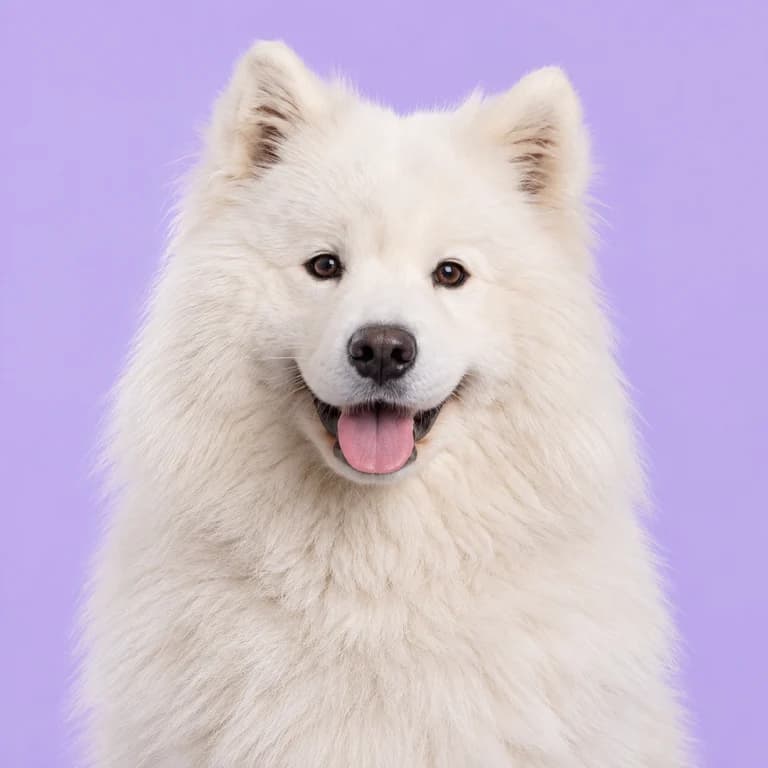
Original AI-generated breed illustration
Weight
16 to 30 kg
35 to 66 lb
Height
48 to 60 cm
at the shoulder
Life expectancy
12 to 14 yrs
Activity estimate
90 to 120 min
editorial daily planning range
Adult-size estimate
18 months
approximate model input
Life with a Samoyed
The coat is the first thing everyone notices, and it is also the first thing to plan around. A Samoyed carries two layers: a soft, dense undercoat that works like thermal insulation and a stand-off outer coat of longer, harsher hair that sheds snow and dirt. That combination kept these dogs comfortable far below freezing on the Siberian tundra, and it means your home will contain white fluff for as long as you share it with one.
The Nenets and related peoples kept these dogs as all-purpose helpers: herding reindeer, hauling sleds and sleeping in the family tent for warmth. That close living produced a dog that is friendly, gentle with children and genuinely unhappy when shut away from its people. Explorers and traders brought dogs of this type to Britain in the late 1800s, and the Western breed was built from a fairly small number of those imports.
At home a Samoyed is cheerful, curious and vocal. Expect barks, yodels, grumbles and a strong opinion about being left behind. They are social but independent thinkers, closer in attitude to a husky than to a retriever, so training takes patience and a sense of humor.
Weigh the coat work honestly before you commit. A well-kept Samoyed needs brushing several times a week, a strong vacuum cleaner and a plan for summer days when temperatures climb past 25°C (77°F).
What stands out
Grooming
Brush two or three times a week in normal months, working in sections down to the skin with a slicker brush and following with a long-toothed metal comb or undercoat rake. Line brushing, where you part the coat and brush one strip at a time, avoids a common trap: a fluffy surface over a matted base. Give extra time to the fur behind the ears, the armpits, the britches (the thick fur on the back of the thighs) and the tail.
Read the full grooming guideIllustrative grooming schedule based on our editorial coat-care score. Adjust it to the individual coat and professional advice.
Brushing
Daily
Bathing
Every 3 to 6 weeks
Shedding
Heavy, with seasonal blowouts
Nail trim
Every 3 to 4 weeks
A great match for
- families who want a gentle, outgoing dog with children
- cold or temperate climates
- owners with 30 to 60 minutes a week for brushing
- active people who hike, run or try sled sports
Think twice if
- heavy shedding, especially twice a year
- struggles in heat and humidity
- barks, howls and talks a great deal
- copes poorly with long hours alone
- useless as a guard dog, since it greets strangers warmly
Personality and needs at a glance
Living together
Good with children
Good with other dogs
Open with strangers
Apartment friendly
Copes with alone time
Energy and character
Energy level
Playfulness
Easy to train
Barking
5 means very vocal
Care and climate
Grooming needs
Shedding
Drooling
Handles cold
Handles heat
How much a Samoyed eats
Illustrative calculations for neutered adults at midpoint breed weights, with food at 370 kcal per 100 g and 100 g per cup. These are not measured breed requirements. Use actual weight, the food label and veterinary body-condition advice.
| Dog | Weight | Calories | Dry food |
|---|---|---|---|
| Female, relaxed lifestyle | 20 kg | 910 kcal | 245 g (2.5 cups) |
| Female, typical pet | 20 kg | 1040 kcal | 280 g (2.8 cups) |
| Male, typical pet | 25 kg | 1250 kcal | 340 g (3.5 cups) |
| Male, very active | 25 kg | 1570 kcal | 425 g (4.3 cups) |
Care guides for the Samoyed
Things owners are often surprised by
- 1Named after the Samoyede people, today generally known as the Nenets, who used the dogs to herd reindeer, pull sleds and share warmth in the tent
- 2The upturned mouth corners, known as the Samoyed smile, are said to stop drool from freezing on the lips
- 3Samoyeds are often credited as part of the sled teams on Roald Amundsen's 1911 South Pole expedition
- 4A full undercoat shed can fill a carrier bag per session and lasts two to three weeks
- 5Owners sometimes collect the combed undercoat and spin it into a warm, soft yarn
Samoyed questions
Do Samoyeds shed a lot?
Yes, and more than most people expect. They drop some hair all year, then shed the whole undercoat once or twice a year, usually over two to three weeks. During a blow you can fill a carrier bag in one brushing session. Regular brushing, a strong vacuum and a high-velocity dryer make it manageable, but a Samoyed household is never hair free.
Can Samoyeds live in hot climates?
They can live in warm regions with care, but they are not built for heat. Owners in hot areas keep them indoors with air conditioning through the day, exercise only in the cool hours and provide shade and water at all times. Shaving is not a fix, because the coat insulates against heat too. If you face long, humid summers, think carefully before choosing this breed.
Are Samoyeds hypoallergenic?
No dog is truly allergen free, and Samoyeds shed heavily. Some allergic owners report milder reactions, possibly because the breed has little doggy odor, but responses vary a great deal between people. If anyone in your household has dog allergies, spend several hours with adult Samoyeds, ideally in their own home, before committing to a puppy.
Why is my Samoyed so vocal?
The breed communicates constantly. Samoyeds bark to alert, howl along with sirens and produce a range of grumbles and woo sounds when excited or when they want something. Boredom makes it much worse. Daily exercise, puzzle feeders and waiting for a quiet moment before giving attention (so demand barking never pays off) keep the noise at a level most households can live with.
Is a Samoyed a good guard dog?
Not really. It will bark when someone arrives, which makes it a decent doorbell, but it is usually delighted to meet the visitor. Aggression toward people is out of character for the breed and undesirable under its standard. If you want a friendly dog that announces guests, a Samoyed fits well; if you want protection, look at other breeds.
Popular answers for owners
- Exercise and playWhat household items make safe enrichment toys?
- Grooming and coatHow do I introduce a puppy to grooming for the first time?
- Exercise and playHow do I know if my dog is having fun during play?
- Grooming and coatHow do I get burrs and grass seeds out of my dog's fur?
- Bowls and feeding gearHow many water bowls should a multi dog household have?
- Grooming and coatHow often should you bathe a puppy?
Breeds you might compare
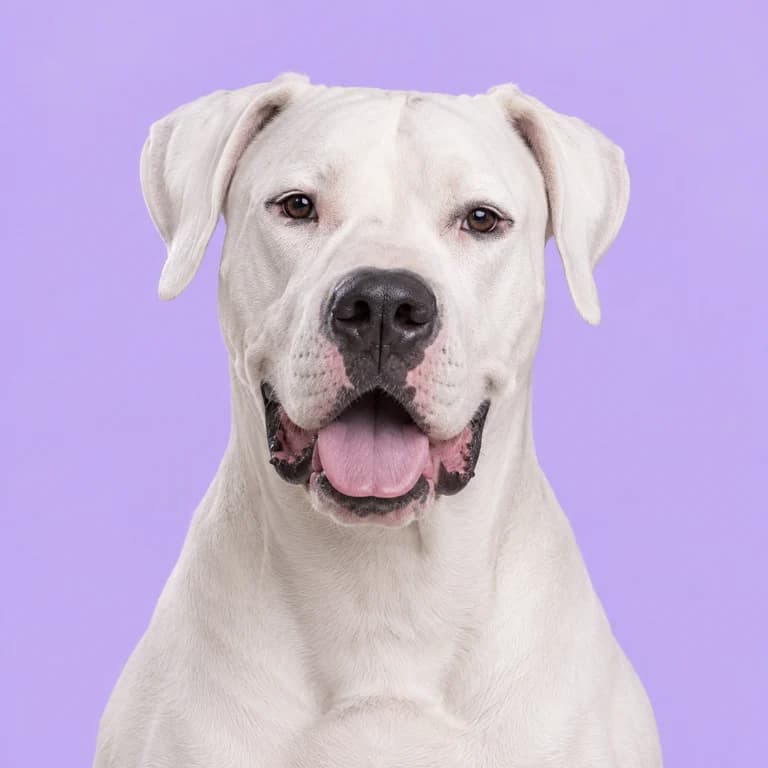
Working group
Dogo Argentino
35 to 45 kg · 10 to 12 years
A white Argentine hunting dog designed by two brothers to face boar and puma, now a devoted but demanding companion.
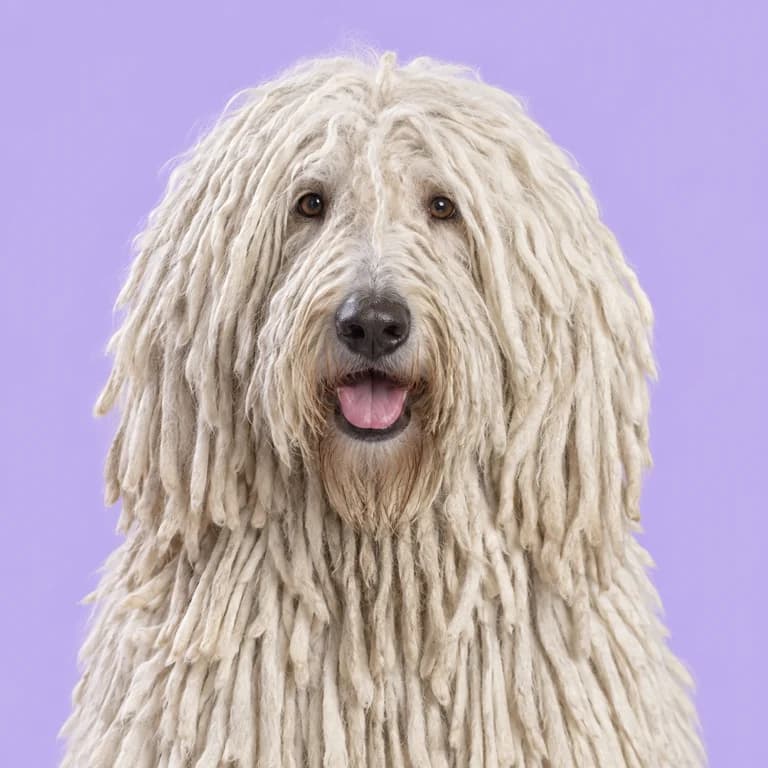
Working group
Komondor
40 to 60 kg · 10 to 12 years
A Hungarian flock guardian wrapped in heavy white cords, serious about its job and slow to trust outsiders.
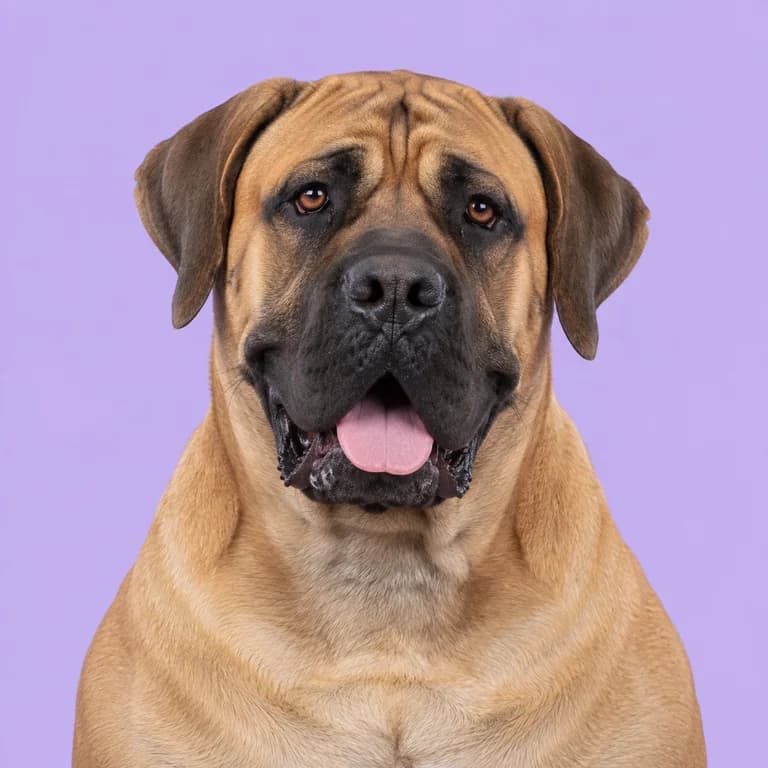
Working group
Boerboel
55 to 90 kg · 9 to 11 years
A South African farm guardian built to face down leopards, calm at home but serious about its territory.
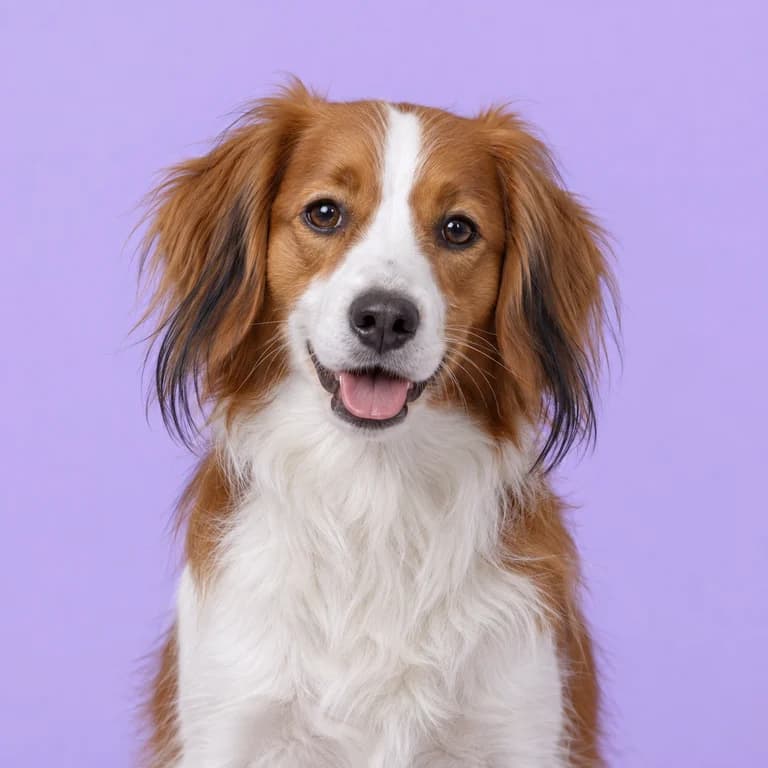
Sporting group
Kooikerhondje
9 to 12 kg · 12 to 15 years
Bred to wave a white plumed tail and lure curious ducks into Dutch decoy traps, and still just as alert.
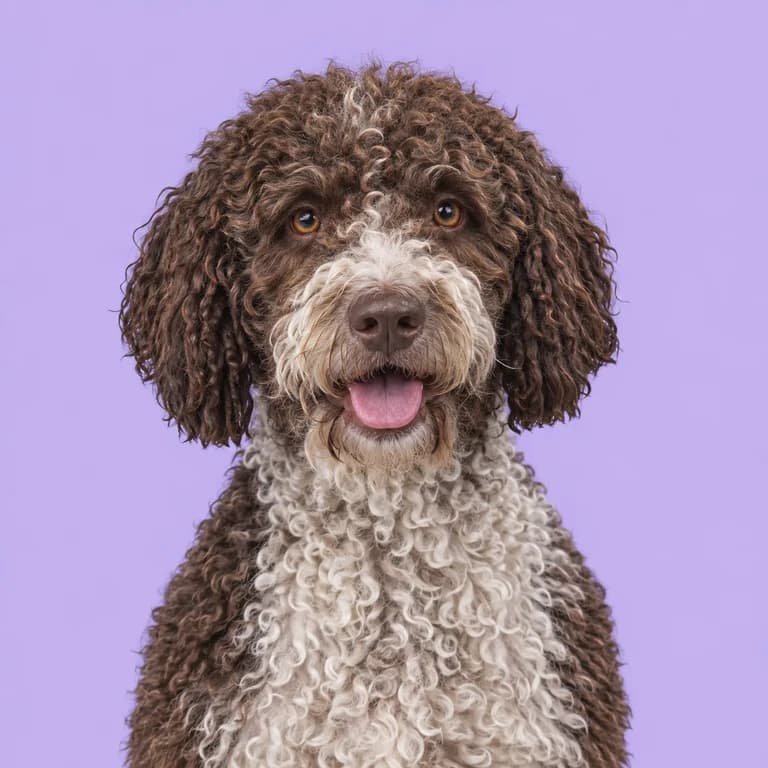
Herding group
Spanish Water Dog
14 to 22 kg · 12 to 14 years
A curly Andalusian all-rounder that herds, swims and retrieves, wearing a coat you must never brush.
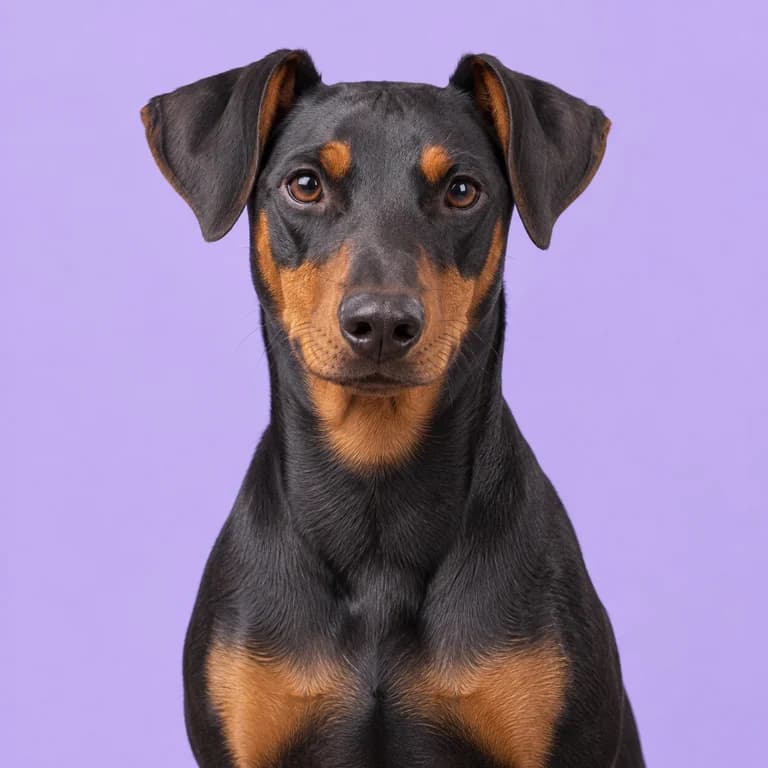
Working group
German Pinscher
11 to 20 kg · 12 to 14 years
A sleek German farm dog built for rat catching and speed, with a motor that rarely idles.