Sources for this article
Herding group · Wales
Cardigan Welsh Corgi
Also called Cardigan, Cardi, Cardigan Corgi
The older, long-tailed corgi from the Welsh hills, built low to drive cattle and still thinking like a farmhand.
The Cardigan is the older of the two Welsh corgi breeds, a low-slung cattle dog with a fox-like tail and big rounded ears. It is steadier and a little more reserved than its Pembroke cousin, loyal to family, alert to strangers and very smart. It suits owners who want a sturdy, thinking dog in a compact package and do not mind a lot of hair.
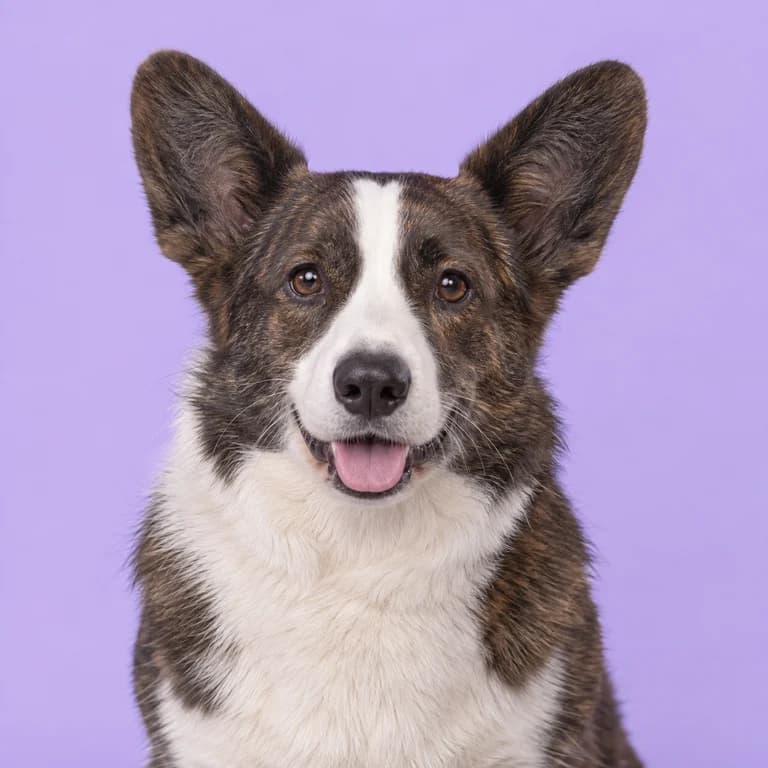
Original AI-generated breed illustration
Weight
12 to 17 kg
26 to 37 lb
Height
26 to 32 cm
at the shoulder
Life expectancy
12 to 15 yrs
Activity estimate
90 to 120 min
editorial daily planning range
Adult-size estimate
14 months
approximate model input
Life with a Cardigan Welsh Corgi
Long before the Welsh corgi became a royal pet, dogs like the Cardigan were working the small hill farms of Cardiganshire. Their job was to move cattle to market and keep them out of places they should not be. A dog built low to the ground could nip at a heel and roll clear of a kick, and that design has changed little. The breed is often credited as the older of the two corgis, though its exact ancestry is guesswork: some link it to dachshund-type dogs brought by Celtic settlers, others to later crosses with local herding stock.
For many years Cardigans and Pembrokes were shown together and even interbred, which caused arguments among exhibitors. In 1934 they were finally split into separate breeds. The Cardigan kept its long tail, larger rounded ears, heavier bone and wider range of colors, including blue merle and brindle.
In the home, a Cardigan is loyal, observant and a little more laid back than a Pembroke. It tends to warm up to visitors gradually rather than greeting everyone at once. It likes routine, clear rules and a job, whether that is training, fetching or simply patrolling the garden. Owners often describe it as a big dog on short legs, and it barks like one too.
A great match for
- active owners who enjoy training and dog sports
- families with children who can respect a herding dog
- people wanting a medium dog with big-dog attitude
- cooler climates and homes with some outdoor space
Think twice if
- very heavy seasonal shedding
- long back that needs protecting from jumps and weight gain
- may herd children by nipping heels
- vocal, with a deep bark
- can be wary of strangers without socialization
Personality and needs at a glance
Living together
Good with children
Good with other dogs
Open with strangers
Apartment friendly
Copes with alone time
Energy and character
Energy level
Playfulness
Easy to train
Barking
5 means very vocal
Care and climate
Grooming needs
Shedding
Drooling
Handles cold
Handles heat
How much a Cardigan Welsh Corgi eats
Illustrative calculations for neutered adults at midpoint breed weights, with food at 370 kcal per 100 g and 100 g per cup. These are not measured breed requirements. Use actual weight, the food label and veterinary body-condition advice.
| Dog | Weight | Calories | Dry food |
|---|---|---|---|
| Female, relaxed lifestyle | 14 kg | 690 kcal | 185 g (1.8 cups) |
| Female, typical pet | 14 kg | 790 kcal | 215 g (2.3 cups) |
| Male, typical pet | 16 kg | 870 kcal | 235 g (2.3 cups) |
| Male, very active | 16 kg | 1090 kcal | 295 g (3 cups) |
Care guides for the Cardigan Welsh Corgi
Things owners are often surprised by
- 1Corgi-type dogs are said to have lived in Cardiganshire, west Wales, for more than a thousand years
- 2Farmers used them to drive cattle by nipping at heels, then ducking low to avoid kicks
- 3Unlike the Pembroke, the Cardigan always has a long, brush-like tail
- 4Blue merle is accepted in Cardigans but not in Pembrokes
- 5The Kennel Club recognized Cardigans and Pembrokes as separate breeds in 1934
- 6An old local measure described the dog as about a Welsh yard long, around 100 cm (40 in) from nose to tail tip
Cardigan Welsh Corgi questions
What is the difference between a Cardigan and a Pembroke Welsh Corgi?
The easiest clue is the tail: Cardigans always have a long, fox-like tail, while Pembrokes are usually docked or born with short tails. Cardigans are also heavier boned, have larger rounded ears and come in more colors, including blue merle and brindle. In temperament, Cardigans tend to be a little more reserved and steady, Pembrokes more outgoing and busy.
Do Cardigan Welsh Corgis bark a lot?
They can. As herding dogs they use their voice to move livestock, and many bark to alert you to anything unusual. The bark is deep and loud for a medium-sized dog. Good exercise, mental work and a trained quiet cue keep barking at a reasonable level. Leaving a Cardigan bored and alone near a window is a quick way to create a nuisance barker.
Are Cardigans good with kids?
Generally yes. They are sturdy, patient and protective of their families. The main issue is herding behavior: some Cardigans nip at running children's heels or try to round them up. Teach children not to run screaming around the dog, give the dog a tug toy to redirect its energy, and supervise young kids. Most Cardigans settle into loyal family companions.
Why are Cardigan Welsh Corgis less common than Pembrokes?
Pembrokes got a head start in popularity, helped by royal ownership in the UK from the 1930s. Cardigans remained mostly farm dogs in Wales for longer and have always been bred in smaller numbers. In some years the Kennel Club has listed the Cardigan as a vulnerable native breed. Expect to wait for a puppy from a well-established breeder.
Can a Cardigan Corgi live in an apartment?
It can, provided you give it enough daily exercise and mental work and live somewhere with a lift or few stairs. Repeated stair climbing is not ideal for the breed's long back. Barking may bother neighbors, so training a quiet cue early is wise. A Cardigan that gets 60 to 90 minutes out each day often settles well in a smaller home.
Popular answers for owners
- Grooming and coatWhat happens at a typical dog grooming appointment?
- How much to feedDo wet and dry food have the same calories per gram?
- Exercise and playHow do I teach my dog to drop the ball during fetch?
- How much to feedHow often should I check my dog's weight?
- Bowls and feeding gearCan I put my dog's bowl in the dishwasher?
- Bowls and feeding gearHow long should a meal take with a slow feeder bowl?
Breeds you might compare
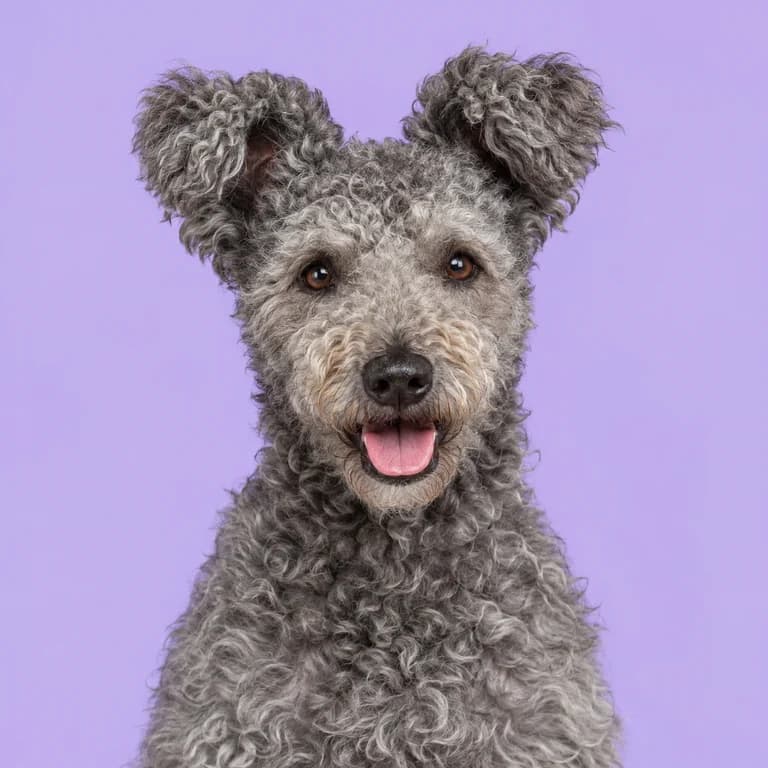
Herding group
Pumi
8 to 15 kg · 12 to 14 years
A curly, whip-smart Hungarian herder that treats every day as a job interview it intends to win.
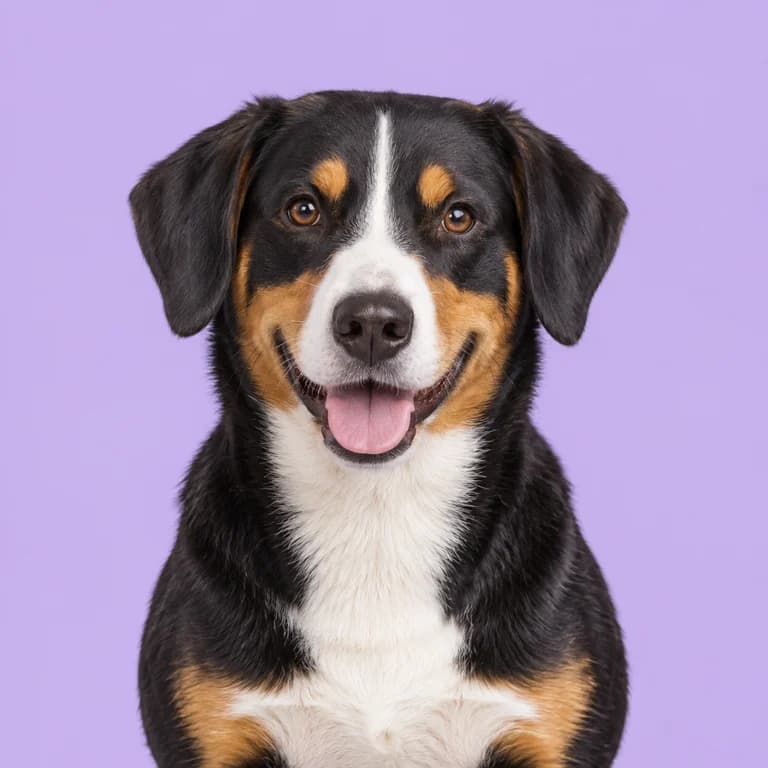
Herding group
Entlebucher Mountain Dog
20 to 30 kg · 11 to 13 years
The smallest Swiss mountain dog packs a cattle drover's stamina into a compact, tricolored body that rarely switches off.
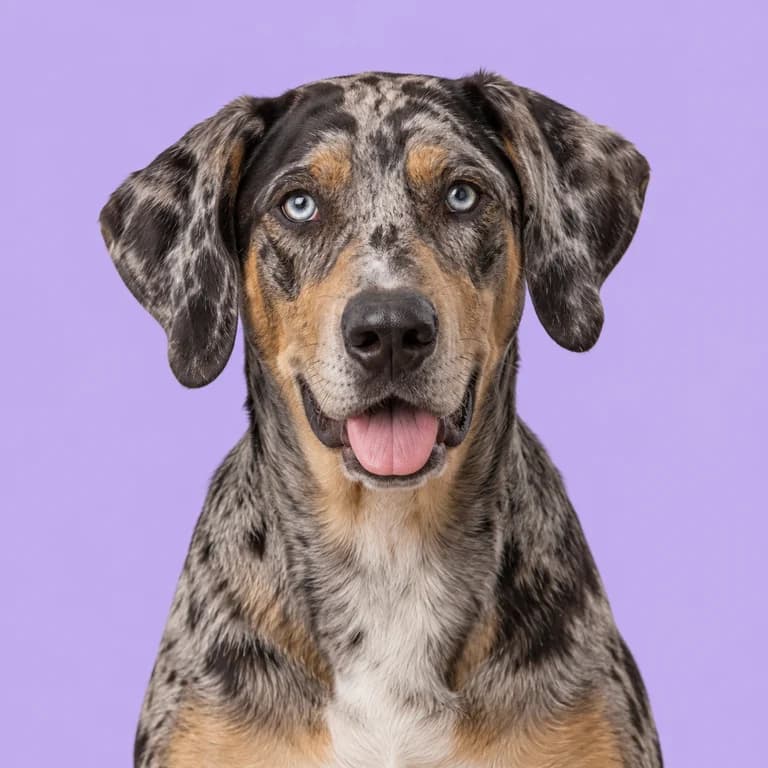
Herding group
Catahoula Leopard Dog
18 to 36 kg · 10 to 14 years
A spotted, glass-eyed working dog from the Louisiana swamps with boundless stamina and an independent streak.
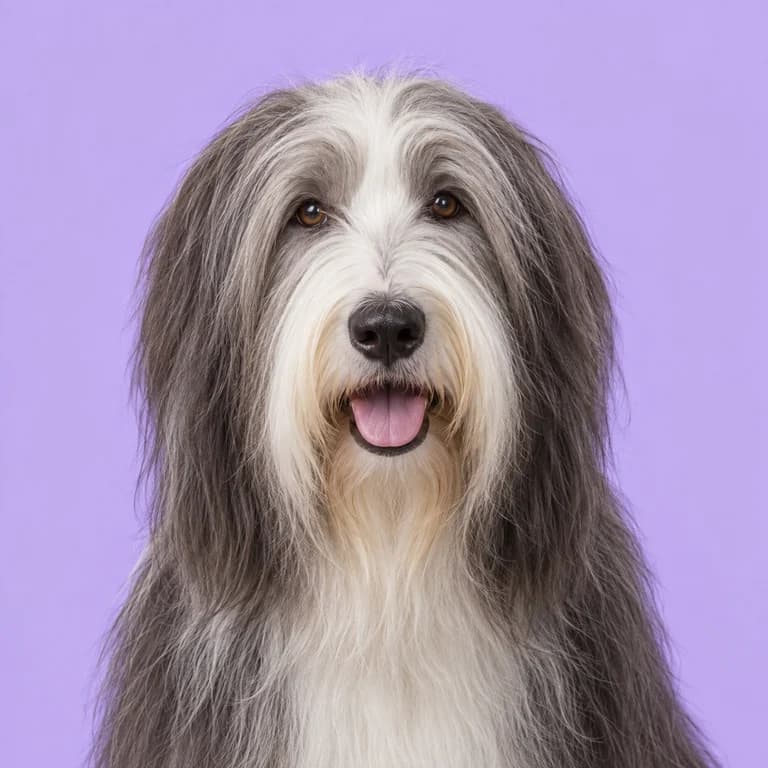
Herding group
Bearded Collie
18 to 25 kg · 12 to 14 years
A shaggy Scottish drover with a bounce in every step and a sense of humor to match.
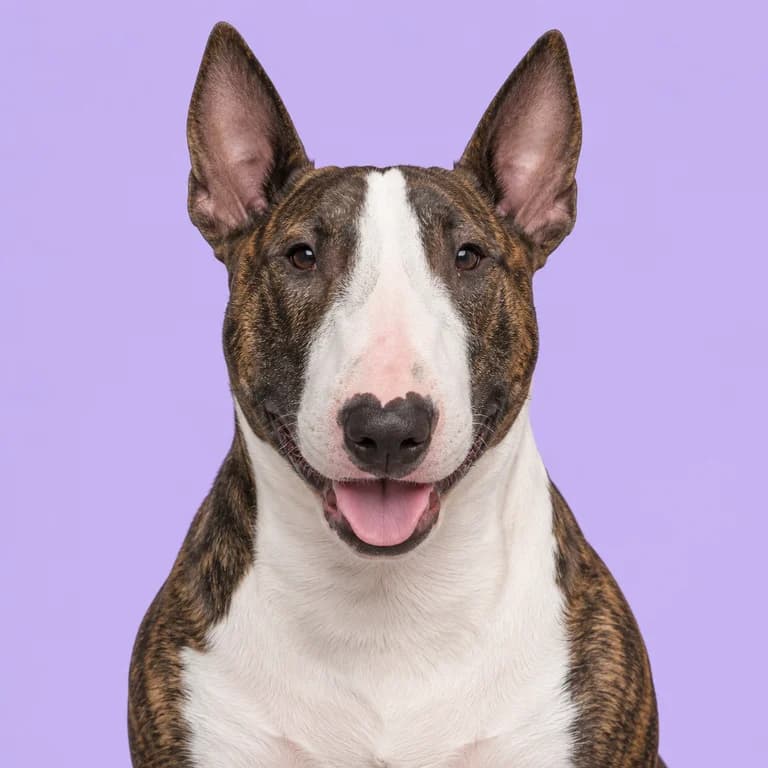
Terrier group
Bull Terrier
20 to 30 kg · 11 to 13 years
A muscular comedian with an egg-shaped head, loyal to its people and stubborn about almost everything else.
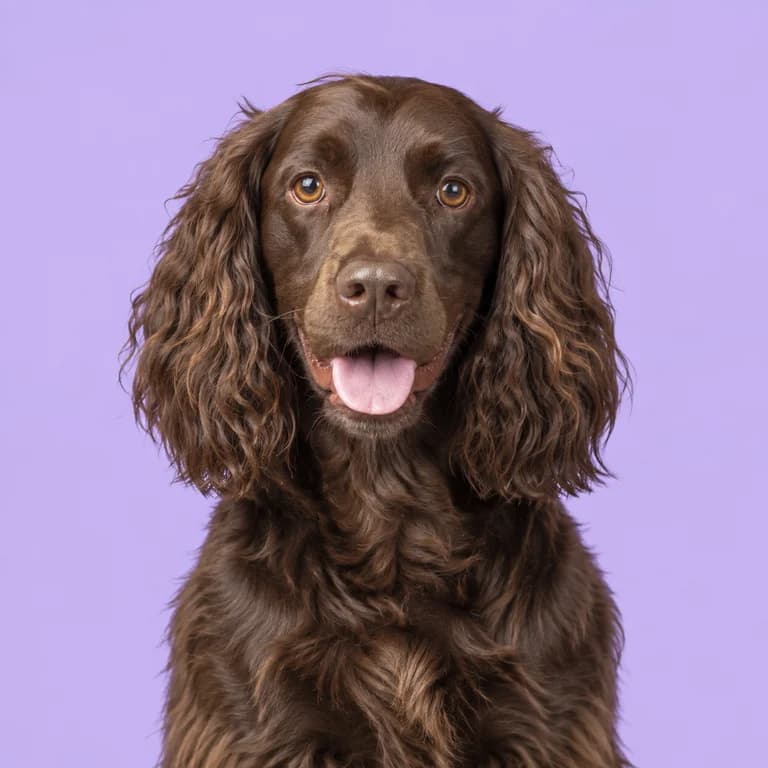
Sporting group
Boykin Spaniel
11 to 18 kg · 12 to 15 years
A compact brown spaniel sized to fit in a small boat, bred in South Carolina swamps for ducks and wild turkey.