Sources for this article
Herding group · Germany
German Shepherd
Also called German Shepherd Dog, Alsatian, GSD
A working mind in a wolfish frame, bred to take instructions and happiest when it has a job to finish.
The German Shepherd was designed in the 1890s as an all-purpose working dog, and it still thinks like one. Loyal, watchful and remarkably quick to learn, it rewards owners who train it every day and gives them trouble when it is bored. Expect a lot of hair and a dog that follows you from room to room.
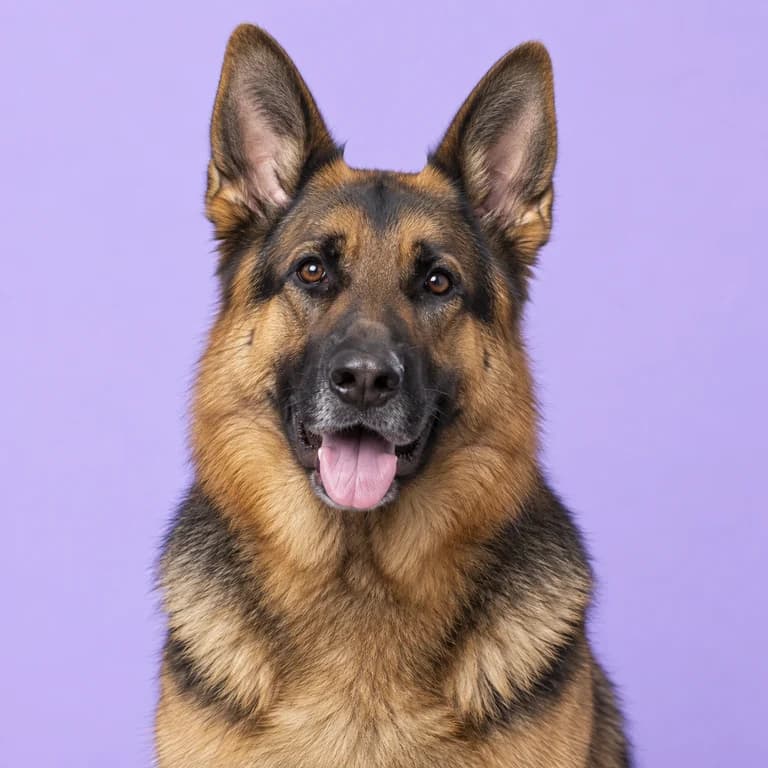
Original AI-generated breed illustration
Weight
22 to 40 kg
48 to 88 lb
Height
55 to 65 cm
at the shoulder
Life expectancy
9 to 13 yrs
Activity estimate
120 to 150 min
editorial daily planning range
Adult-size estimate
24 months
approximate model input
Life with a German Shepherd
Ask police handlers, search and rescue volunteers and guide dog trainers which breed they rely on, and the German Shepherd comes up again and again. That is no accident. In 1899 Max von Stephanitz bought a dog named Horand von Grafrath and founded a breed club with one stated goal: a herding dog valued for intelligence and usefulness rather than looks.
As sheep farming declined in Germany, von Stephanitz steered his breed toward police and military work. Shepherds served as messengers, sentries and Red Cross dogs in the First World War, and returning soldiers carried their reputation to Britain and North America. Anti-German feeling after the war led British owners to call it the Alsatian, a name that lingered for decades.
Living with one feels a little like sharing your home with a colleague who never clocks off. A Shepherd notices the delivery van, the neighbor's new gate and the exact moment you reach for your keys. Most attach closely to one or two people and prefer to be in the same room as them. With family they are affectionate and often goofy; with strangers they are usually reserved and watchful rather than instantly friendly.
Two broad types exist today. Show lines tend to have a sloping back and more angulated hindquarters, while working lines (often bred from Czech, Slovak or sport kennel stock) are straighter in the back, more intense and hungrier for work. Ask any breeder which type they produce, because the difference in daily energy is real.
What stands out
Training
Shepherds learn remarkably quickly, which cuts both ways: they pick up a bad habit in two or three repetitions just as easily as a good one. They respond best to clear, consistent handling with food and toy rewards, and many working-line dogs value a tug toy above any treat. Several short sessions of 5 to 15 minutes spread across the day beat one long lesson.
Read the full training guideEasy to train
Open with strangers
Good with other dogs
A great match for
- owners who enjoy a daily training routine
- active homes with time for 2 hours of exercise
- dog sports such as tracking, obedience and IGP
- experienced owners wanting a devoted guardian
Think twice if
- sheds all year and heavily in spring and autumn
- can become anxious or destructive when left alone for long hours
- a protective streak that needs early socialization
- hip and elbow problems in poorly bred lines
Personality and needs at a glance
Living together
Good with children
Good with other dogs
Open with strangers
Apartment friendly
Copes with alone time
Energy and character
Energy level
Playfulness
Easy to train
Barking
5 means very vocal
Care and climate
Grooming needs
Shedding
Drooling
Handles cold
Handles heat
How much a German Shepherd eats
Illustrative calculations for neutered adults at midpoint breed weights, with food at 370 kcal per 100 g and 100 g per cup. These are not measured breed requirements. Use actual weight, the food label and veterinary body-condition advice.
| Dog | Weight | Calories | Dry food |
|---|---|---|---|
| Female, relaxed lifestyle | 27 kg | 1160 kcal | 315 g (3.3 cups) |
| Female, typical pet | 27 kg | 1330 kcal | 360 g (3.5 cups) |
| Male, typical pet | 35 kg | 1610 kcal | 435 g (4.3 cups) |
| Male, very active | 35 kg | 2010 kcal | 545 g (5.5 cups) |
Care guides for the German Shepherd
Things owners are often surprised by
- 1The founding dog of the breed, Horand von Grafrath, was registered in 1899 by retired cavalry captain Max von Stephanitz.
- 2Two coat lengths exist: the standard stock coat and a long stock coat with feathering on the ears, legs and tail.
- 3In Britain the breed was officially called the Alsatian from 1919 until the Kennel Club began restoring its original name in 1977.
- 4Puppy ears often rise and flop several times during teething and usually settle upright by 5 to 7 months.
- 5A DNA test exists for degenerative myelopathy, a progressive spinal condition seen in the breed.
German Shepherd questions
When do German Shepherd puppy ears stand up?
Most Shepherd ears stand between 8 weeks and 6 months, and it is normal for them to go up, drop, and go up again while the adult teeth come through at around 4 to 6 months. Chewing on appropriate toys and good nutrition are all most puppies need. If the ears are still soft and folded at 7 months, talk to your breeder or vet; some dogs simply keep softer ears, which does not affect health.
Is a German Shepherd a good first dog?
It can be, if the first-time owner is genuinely committed to training and exercise. The breed learns fast but needs structure from day one, daily mental work and a lot of early socialization. A calm show-line or pet-line puppy from a health-tested breeder, plus a good local training class, gives a novice the best chance. High-drive working lines are better left to people who have trained dogs before.
Do German Shepherds get along with cats?
Many live happily with cats, especially when raised with them from puppyhood. The herding instinct can show as stalking, nudging or chasing, so early supervision matters. Give the cat escape routes and high perches, reward your dog for calm behavior around it, and never leave a young Shepherd alone with a cat until you are sure of both animals. Adult Shepherds with strong prey drive may never be safe with cats.
Why does my German Shepherd follow me everywhere?
Shepherds were bred to work closely with one handler, and many treat staying near you as part of their job. Following you from room to room is typical of the breed rather than a sign that something is wrong. It becomes a problem only if your dog panics when separated. Teaching a settle on a bed, and practicing short absences from puppyhood, helps a Shepherd feel comfortable when you are out of sight.
Do German Shepherds bark a lot?
They are alert watchdogs and will bark at unusual sounds, visitors and passing dogs, and some are also vocal when excited, with whines and grumbles. They are not usually nuisance barkers when they get enough exercise and mental work. Teaching a quiet cue early, and rewarding your dog for checking in with you after an alert, keeps barking useful rather than constant.
Popular answers for owners
- Grooming and coatHow often should I brush a wire haired dog?
- Puppy feeding and growthWhen should I cut my puppy from 4 meals to 3?
- Puppy feeding and growthWhat size kibble is right for a large breed puppy?
- Puppy feeding and growthHow many times a day should I feed my 8 week old puppy?
- Grooming and coatHow do you care for a hairless dog's skin?
- Exercise and playWhy does my dog limp only in cold weather or after resting in a cold room?
Breeds you might compare
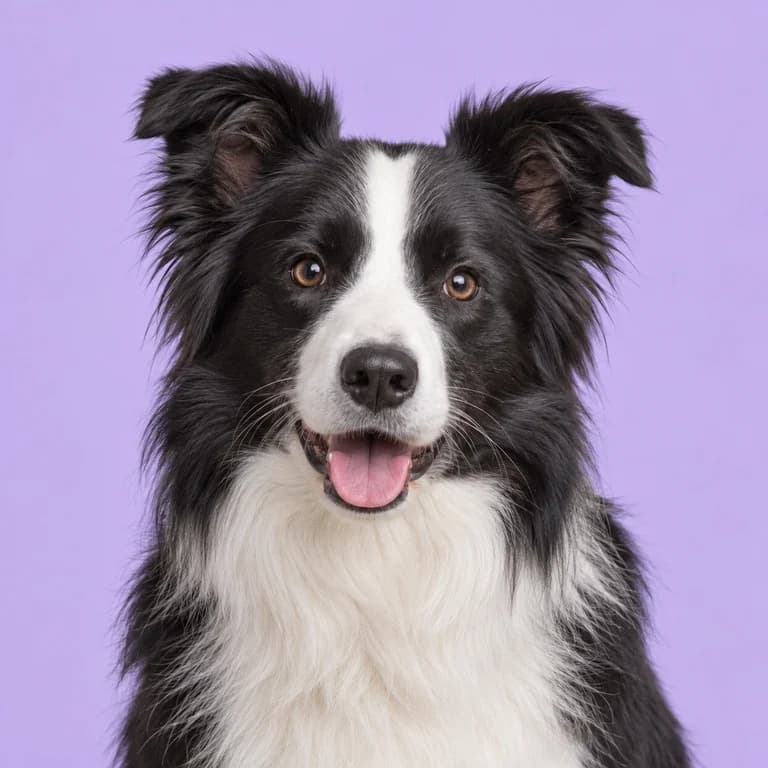
Herding group
Border Collie
12 to 20 kg · 12 to 15 years
Possibly the most gifted working mind in dogs, and it needs a job every single day.
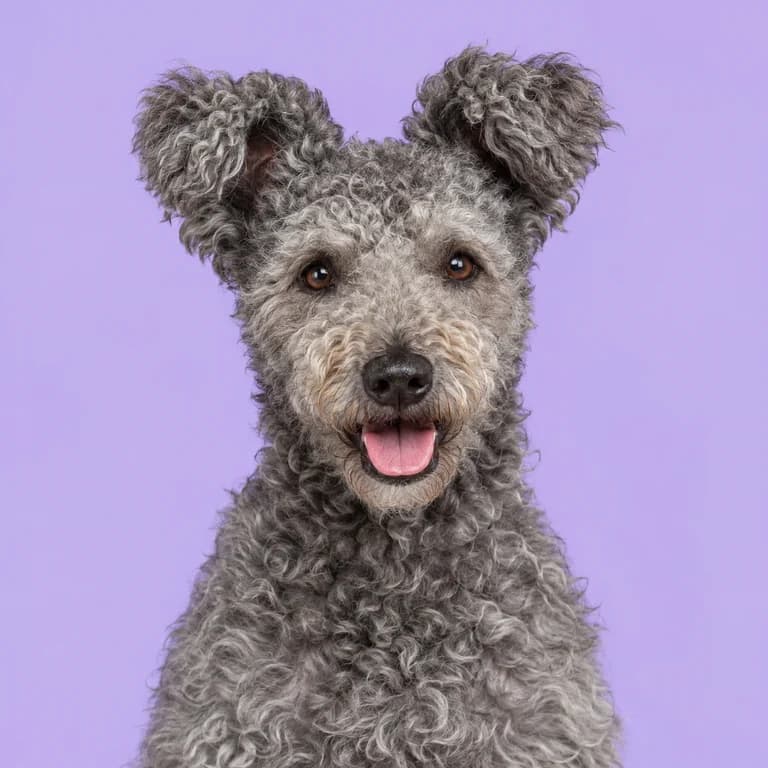
Herding group
Pumi
8 to 15 kg · 12 to 14 years
A curly, whip-smart Hungarian herder that treats every day as a job interview it intends to win.
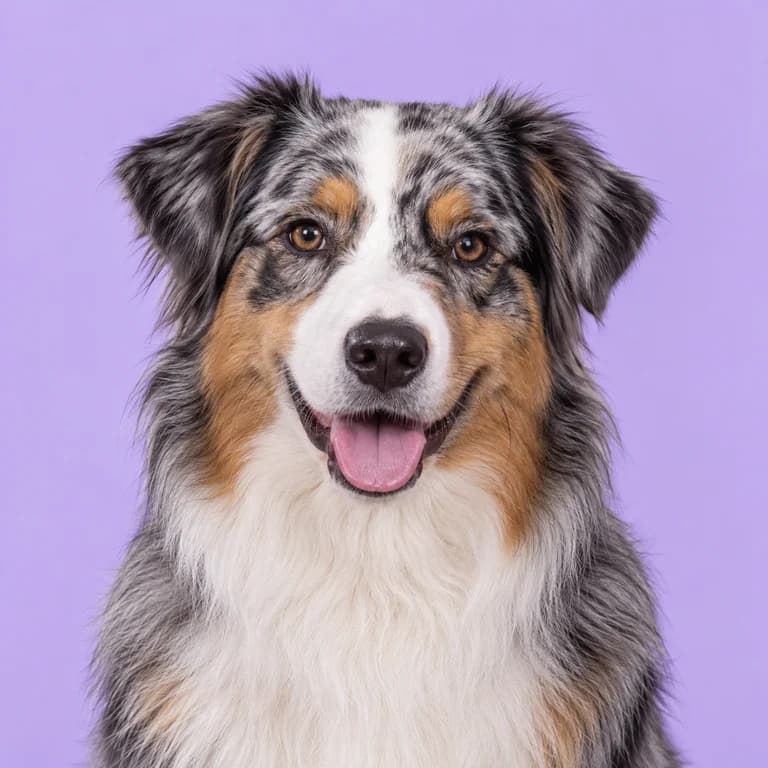
Herding group
Australian Shepherd
18 to 32 kg · 12 to 15 years
A ranch-bred worker with a busy brain, the Aussie wants a daily job and will invent one if you don't.
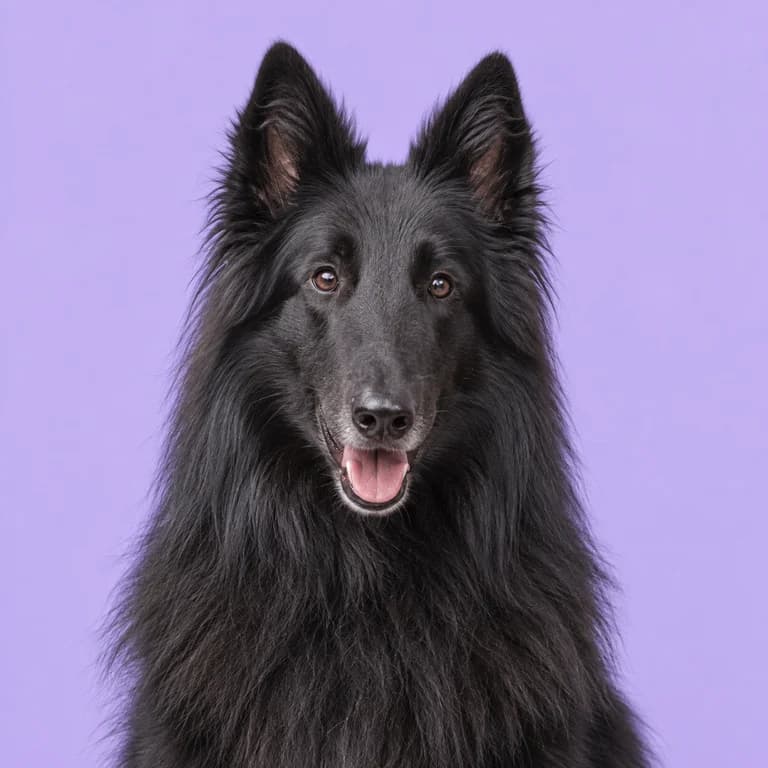
Herding group
Belgian Groenendael
20 to 30 kg · 12 to 14 years
The long-coated black Belgian Shepherd: quick, sensitive and happiest with a job and a handler to share it.
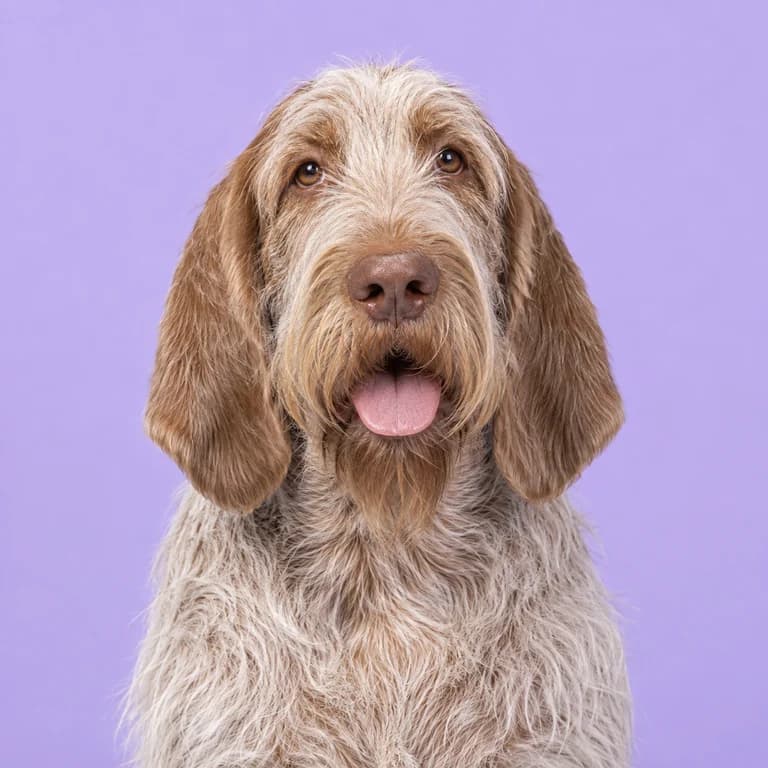
Sporting group
Spinone Italiano
28 to 39 kg · 10 to 12 years
A bearded Italian pointer with a gentle, patient soul and a pace best described as thoughtful.
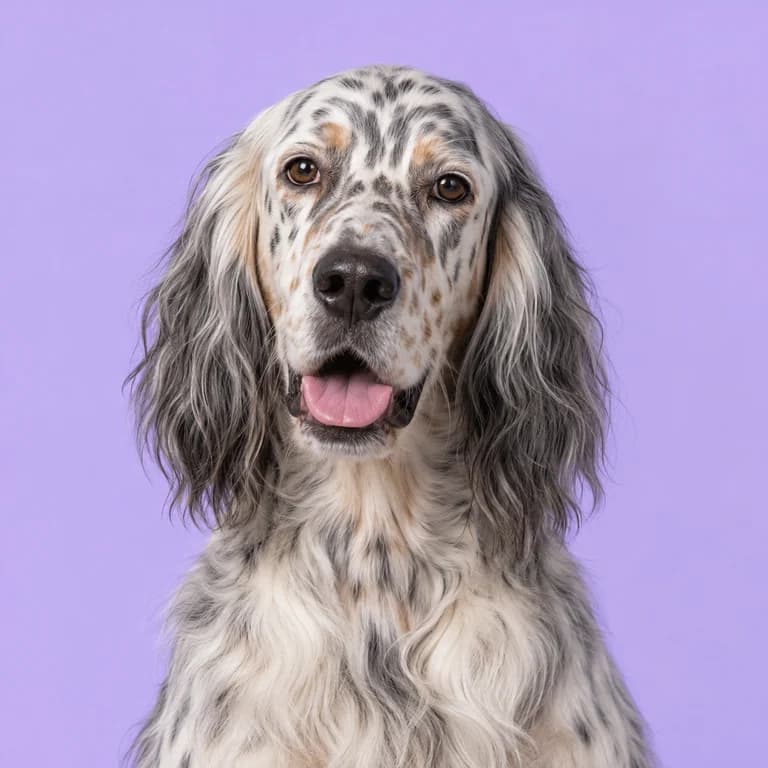
Sporting group
English Setter
20 to 36 kg · 10 to 12 years
A speckled gentleman of the field, mellow at home yet slow to grow out of puppy silliness.