Sources for this article
Herding group · Belgium
Belgian Groenendael
Also called Groenendael, Belgian Sheepdog, Chien de Berger Belge
The long-coated black Belgian Shepherd: quick, sensitive and happiest with a job and a handler to share it.
The Groenendael is the solid black, long-haired member of the Belgian Shepherd family. It is fast, alert and one of the most trainable dogs you can own, but that intelligence comes with high energy and a strong need for purpose. In experienced, active hands it excels at almost any dog sport; left unoccupied, it invents its own work.
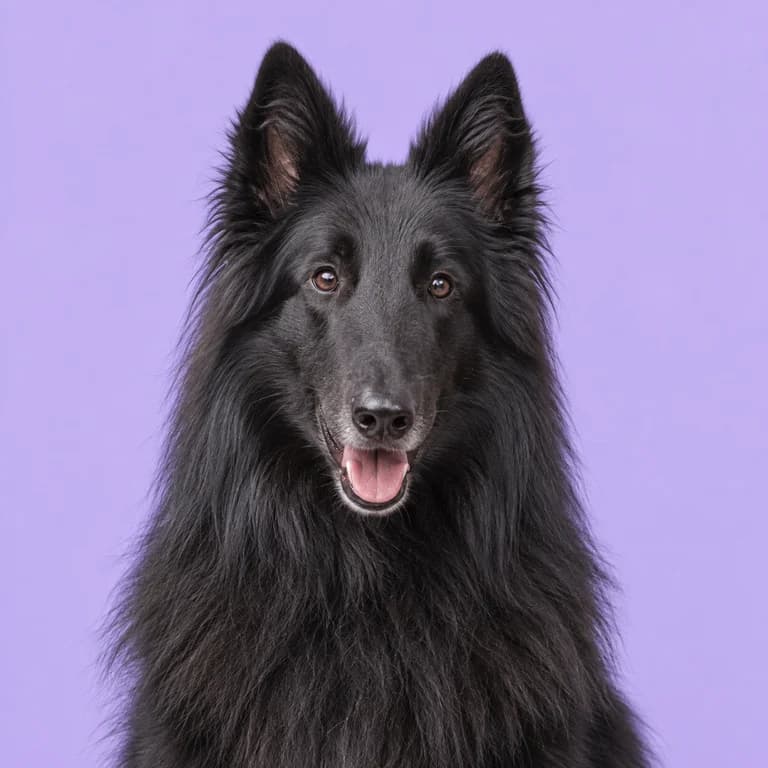
Original AI-generated breed illustration
Weight
20 to 30 kg
44 to 66 lb
Height
56 to 66 cm
at the shoulder
Life expectancy
12 to 14 yrs
Activity estimate
120 to 150 min
editorial daily planning range
Adult-size estimate
24 months
approximate model input
Life with a Belgian Groenendael
Ask a Groenendael to learn something and it will usually have it before you finish explaining. That speed is the breed's gift and its challenge. Groenendaels belong to the Belgian Shepherd family, a group of farm herding dogs that Professor Adolphe Reul of the Cureghem veterinary school began to sort and standardize in 1891. Coat type and color split them into varieties, and the long-haired black dogs were fixed largely through Nicolas Rose, who bred them at Groenendael near Brussels.
From sheep work they moved quickly into police service and border patrol, and during World War I they carried messages and helped locate wounded soldiers. The American Kennel Club lists the Groenendael as a separate breed called the Belgian Sheepdog, while most other kennel clubs treat it as one coat variety of the Belgian Shepherd.
At home a Groenendael is affectionate and deeply attached to its family, often shadowing one person. It is watchful and reserved with strangers, which makes it a good alarm dog. It is also sensitive: raised voices, household tension or chaotic routines can unsettle it. The ideal owner is calm, consistent and genuinely interested in training, because this dog will want to learn alongside you for most of its life.
What stands out
Training
This is a breed that learns from every repetition, good or bad. Sessions of 5 to 10 minutes, clear criteria and generous rewards produce outstanding results, and many Groenendaels are as motivated by a tug toy as by food. Because they are sensitive, harsh corrections can create avoidance or anxiety that takes months to repair.
Read the full training guideEasy to train
Open with strangers
Good with other dogs
A great match for
- experienced owners who enjoy training
- agility, obedience, herding and tracking
- active households with time every day
- people who want an alert but not aggressive watchdog
Think twice if
- needs daily mental work as well as exercise
- sensitive and can become anxious with harsh handling
- reserved or wary with strangers
- sheds heavily, especially the undercoat
- may try to herd children, bikes or cars
Personality and needs at a glance
Living together
Good with children
Good with other dogs
Open with strangers
Apartment friendly
Copes with alone time
Energy and character
Energy level
Playfulness
Easy to train
Barking
5 means very vocal
Care and climate
Grooming needs
Shedding
Drooling
Handles cold
Handles heat
How much a Belgian Groenendael eats
Illustrative calculations for neutered adults at midpoint breed weights, with food at 370 kcal per 100 g and 100 g per cup. These are not measured breed requirements. Use actual weight, the food label and veterinary body-condition advice.
| Dog | Weight | Calories | Dry food |
|---|---|---|---|
| Female, relaxed lifestyle | 23 kg | 1010 kcal | 275 g (2.8 cups) |
| Female, typical pet | 23 kg | 1160 kcal | 315 g (3.3 cups) |
| Male, typical pet | 28 kg | 1340 kcal | 365 g (3.8 cups) |
| Male, very active | 28 kg | 1680 kcal | 455 g (4.5 cups) |
Care guides for the Belgian Groenendael
Things owners are often surprised by
- 1Named after Groenendael near Brussels, where Nicolas Rose bred his foundation black pair in the 1890s
- 2One of four Belgian Shepherd varieties, alongside the Tervuren, Malinois and Laekenois
- 3Served as a messenger and ambulance dog during World War I
- 4Called the Belgian Sheepdog by the American Kennel Club
- 5Always black; only a small white patch on the chest and white toe tips are accepted
Belgian Groenendael questions
What is the difference between a Groenendael and a Tervuren?
In most kennel clubs they are the same breed, separated by coat color. The Groenendael is solid black with a long coat. The Tervuren has a similar long coat but is fawn to mahogany with black tipping and a black mask. Temperaments are very alike, although some owners find Tervurens a little softer. The Malinois is the short-coated variety and the Laekenois the rough-coated one.
Is a Groenendael a good first dog?
Only for a first-time owner who is already active and genuinely committed to training. The breed isn't stubborn, but it learns everything quickly, bad habits included, and needs structured activity every day. Novices who join a good training club before the puppy arrives and choose a steady puppy from a breeder who knows their lines well have the best chance of success.
Do Groenendaels make good guard dogs?
They are excellent watchdogs, alerting you to anything unusual, and their size and presence deter most unwelcome visitors. They are not bred to be aggressive, and a well-socialized Groenendael should be reserved rather than hostile with strangers. People who want protection work usually train them in structured sports, where the breed's drive and speed are channeled with clear rules.
How long can a Groenendael be left alone?
Most adults cope with around four hours if they have been well exercised and taught to settle. Longer absences on a regular basis often lead to barking, destructive chewing or anxiety, because this breed was developed to work close to a handler all day. Midday walks, a trusted dog sitter or someone working from home part of the week make a real difference.
Why is my Groenendael's coat turning brown?
The black coat can take on a reddish or rusty tint from sunlight, from old undercoat that hasn't shed out yet, or from saliva where the dog licks its legs. Regular brushing during the shed and less time lying in strong sun usually help. If the coat is also patchy or thinning, or your dog seems tired and is gaining weight, ask your vet to look for a thyroid or skin cause.
Popular answers for owners
- Exercise and playHow far can I run with my dog?
- Bowls and feeding gearHow do I remove mineral buildup from a water bowl?
- Grooming and coatShould I use a deshedding tool on my dog?
- How much to feedHow can I tell if my dog is overweight?
- Puppy feeding and growthWhen should a giant breed puppy switch to adult food?
- Exercise and playWhy does my dog collapse or stumble after swimming in cold water?
Breeds you might compare
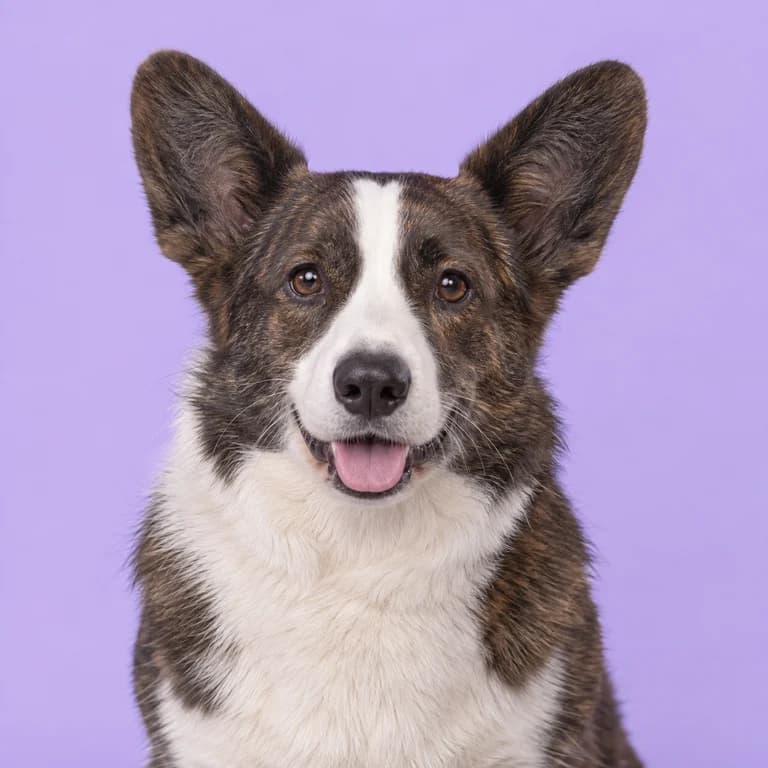
Herding group
Cardigan Welsh Corgi
12 to 17 kg · 12 to 15 years
The older, long-tailed corgi from the Welsh hills, built low to drive cattle and still thinking like a farmhand.
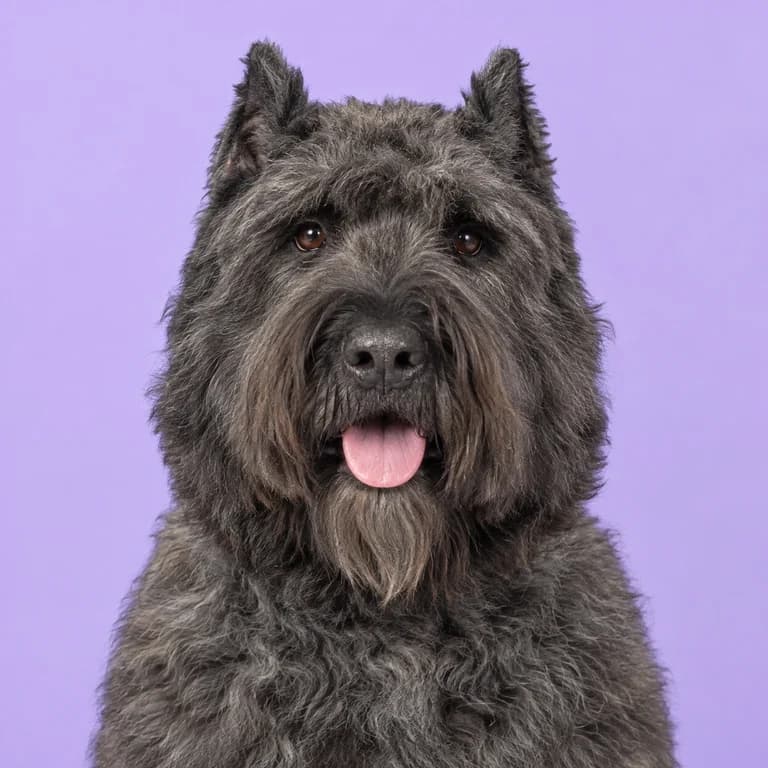
Herding group
Bouvier des Flandres
27 to 40 kg · 10 to 12 years
A rugged Flemish cattle dog hidden under a shaggy coat that demands weekly work and regular trimming.
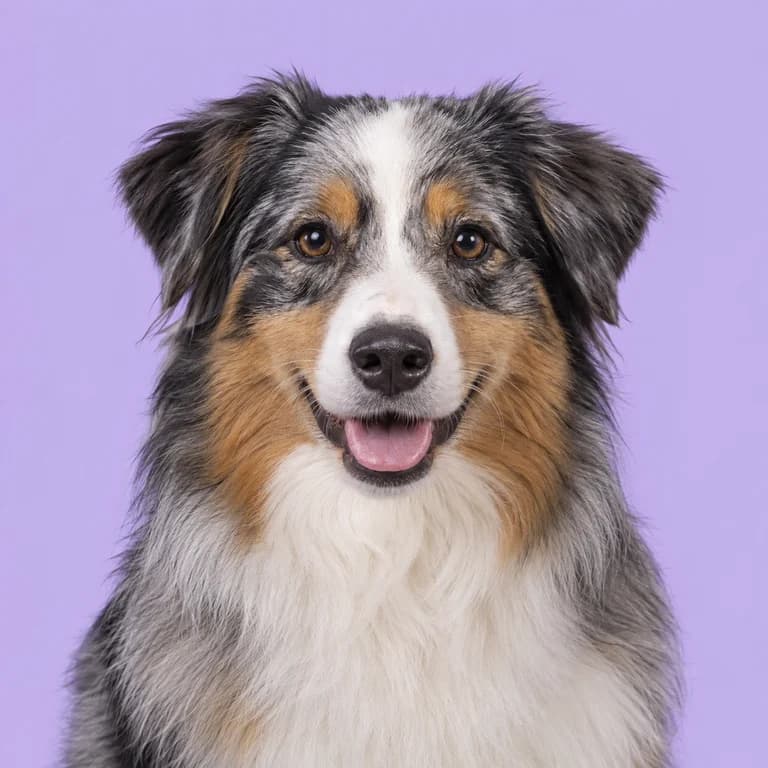
Herding group
Miniature American Shepherd
9 to 18 kg · 12 to 15 years
A true herding dog scaled down to fit a smaller home, with none of the drive removed.
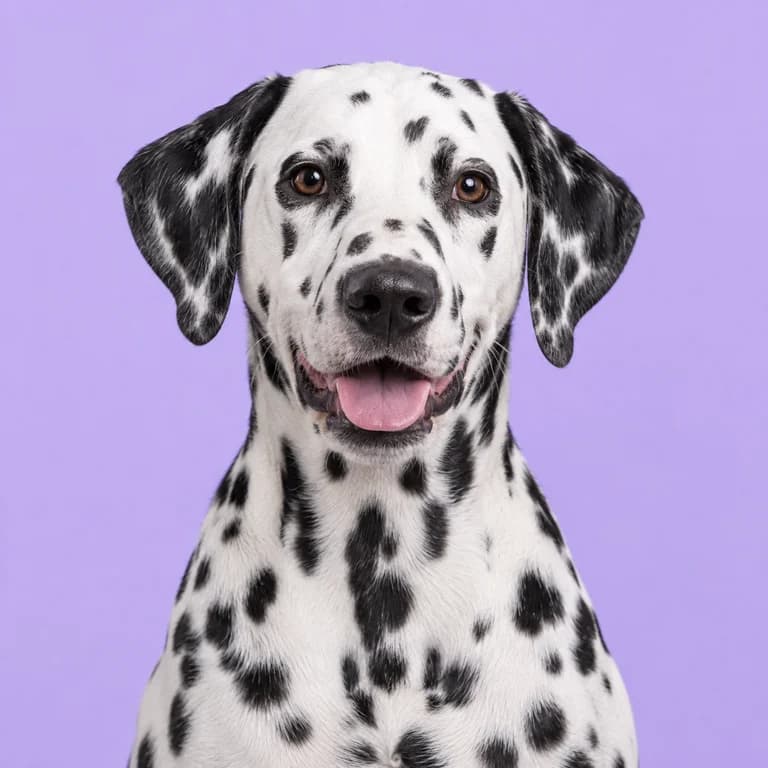
Non-sporting group
Dalmatian
20 to 32 kg · 11 to 13 years
Bred to trot beside horse-drawn carriages for hours, the Dalmatian still has the stamina to prove it.
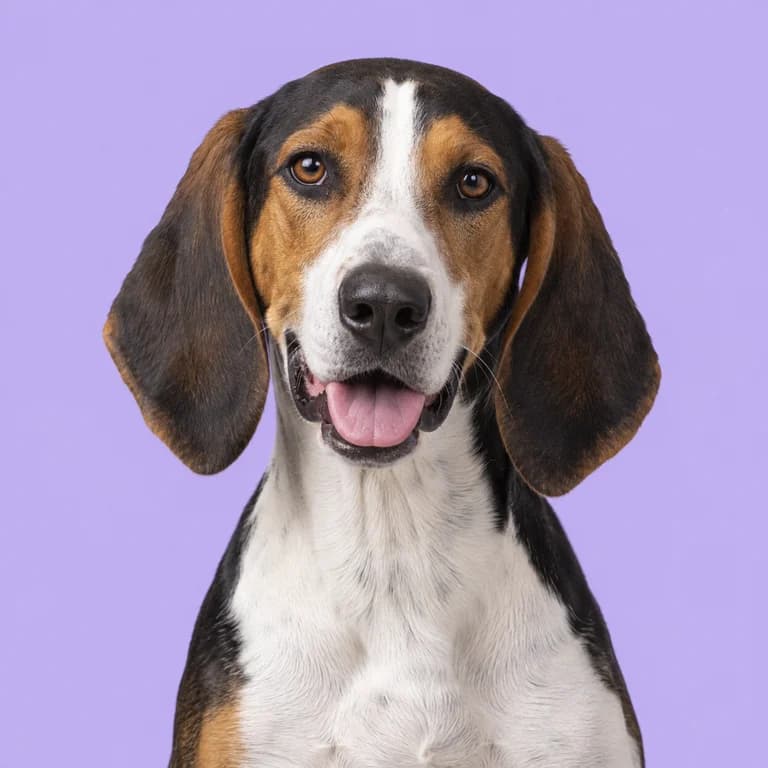
Hound group
Treeing Walker Coonhound
22 to 32 kg · 12 to 13 years
An American night-hunting hound with huge stamina, a voice that carries for miles and a friendly nature.
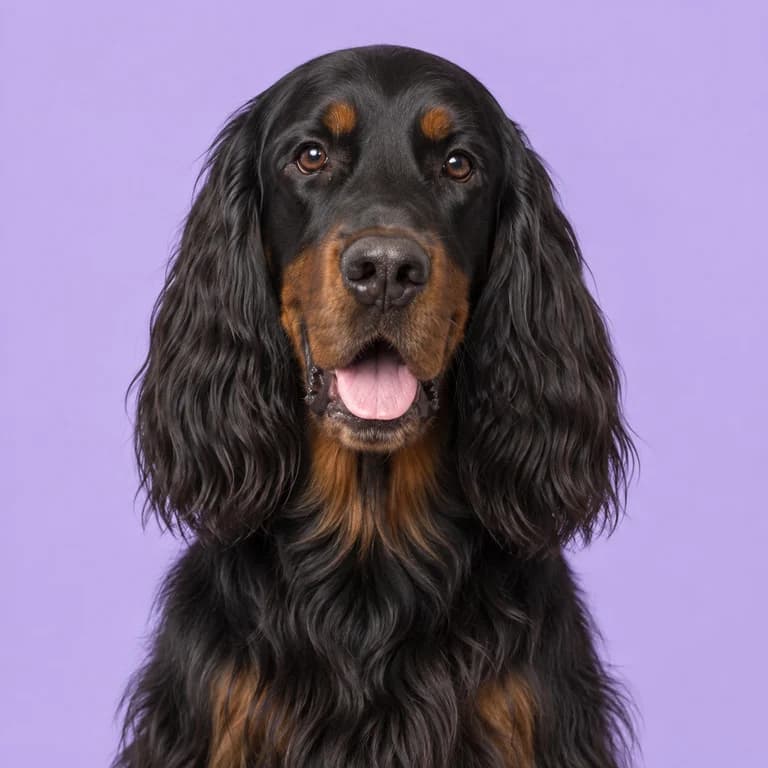
Sporting group
Gordon Setter
20 to 36 kg · 10 to 12 years
The heaviest and most thoughtful of the setters, shaped by a Scottish duke for long days on grouse moors.