Sources for this article
Herding group · Hungary
Pumi
Also called Hungarian Pumi
A curly, whip-smart Hungarian herder that treats every day as a job interview it intends to win.
The Pumi is a lively, vocal, medium-sized herding dog from Hungary, recognizable by its corkscrew curls and ears that stand up and then flip over at the tips. It thrives on activity, problem solving and close teamwork with its owner. In a quiet home without a real outlet, it quickly finds its own projects.
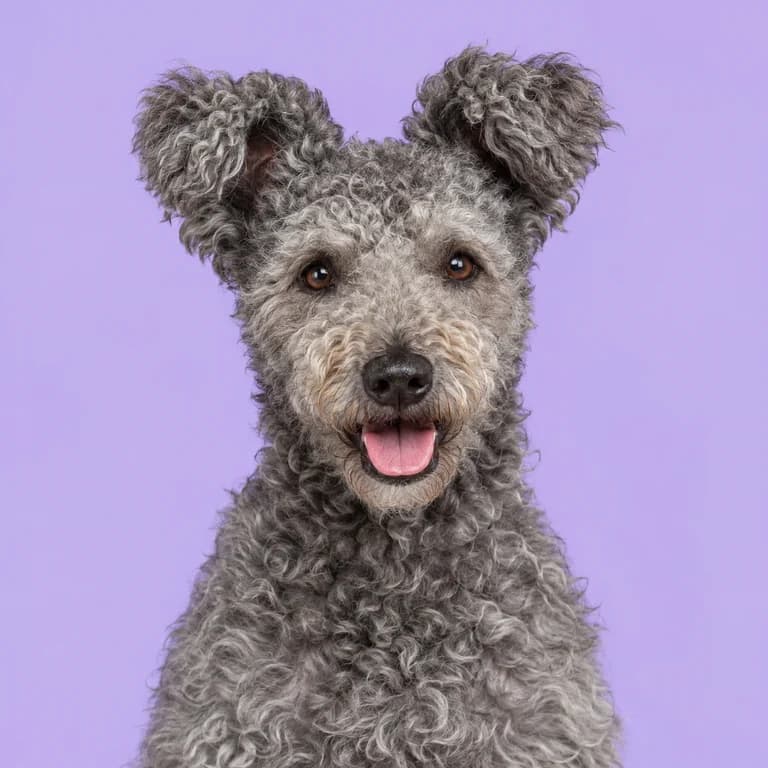
Original AI-generated breed illustration
Weight
8 to 15 kg
18 to 33 lb
Height
38 to 47 cm
at the shoulder
Life expectancy
12 to 14 yrs
Activity estimate
120 to 150 min
editorial daily planning range
Adult-size estimate
14 months
approximate model input
Life with a Pumi
Two hours. That is a realistic daily figure for the combined walking, running, training and thinking a young adult Pumi wants. The breed was developed on Hungarian farms to drive cattle, sheep and pigs along narrow village roads and into tight pens, often working with sharp barks and quick nips at the heels, and that intensity has not faded in modern pet lines.
Pumik are clever, quick and highly observant. They pick up household routines almost immediately and are famous for anticipating what comes next, whether that is a walk, a car ride or you reaching for your shoes. They are affectionate with their own people and often playful to the point of silliness, with a springy, bouncing trot that owners call the Pumi bounce.
Their watchdog streak is strong. A Pumi notices every visitor, delivery and passing dog, and it has plenty to say about each one. With solid socialization they become polite with strangers, but they are rarely the kind of dog that greets everyone like an old friend. Most prefer to watch first and decide later.
What stands out
Exercise
A healthy adult generally needs at least 90 minutes of exercise a day, including walks, running, play and training. Pumik excel at agility, herding trials, obedience, scent work and trick training. Many also enjoy hiking and, once fully grown, running beside a bicycle on soft paths.
Read the full exercise guideActivity planning estimate
120 to 150 min
editorial estimate, not a prescription
Energy
5 / 5
Playfulness 5 / 5
A great match for
- active owners who train every day
- dog sports like agility and herding
- rural or suburban homes with space
- people who enjoy an alert watchdog
Think twice if
- barks a lot and loudly
- needs serious daily mental and physical work
- wary of strangers without early socialization
- may try to herd children and cyclists
Personality and needs at a glance
Living together
Good with children
Good with other dogs
Open with strangers
Apartment friendly
Copes with alone time
Energy and character
Energy level
Playfulness
Easy to train
Barking
5 means very vocal
Care and climate
Grooming needs
Shedding
Drooling
Handles cold
Handles heat
How much a Pumi eats
Illustrative calculations for neutered adults at midpoint breed weights, with food at 370 kcal per 100 g and 100 g per cup. These are not measured breed requirements. Use actual weight, the food label and veterinary body-condition advice.
| Dog | Weight | Calories | Dry food |
|---|---|---|---|
| Female, relaxed lifestyle | 11 kg | 570 kcal | 155 g (1.5 cups) |
| Female, typical pet | 11 kg | 650 kcal | 175 g (1.8 cups) |
| Male, typical pet | 13 kg | 740 kcal | 200 g (2 cups) |
| Male, very active | 13 kg | 930 kcal | 250 g (2.5 cups) |
Care guides for the Pumi
Things owners are often surprised by
- 1Gray Pumik are usually born black and gradually lighten over the first two years.
- 2The breed emerged in the 17th and 18th centuries from Puli crossed with terrier-type herding dogs brought in from Western Europe.
- 3Pumi is singular; the Hungarian plural is Pumik.
- 4The coat should never be brushed out into fluff; combing and letting it air dry keeps the curls.
- 5The American Kennel Club recognized the breed only in 2016, so it is still rare outside Europe.
Pumi questions
What is the difference between a Pumi and a Puli?
Both are Hungarian herding breeds, but the Puli has a corded coat that forms long ropes, while the Pumi has shorter corkscrew curls. Pumik also have semi-erect ears with folded tips and a longer, more terrier-like head. The Puli tends to be slightly calmer, while the Pumi is usually more energetic and more vocal.
Do Pumik bark a lot?
Yes, the breed is vocal. They were bred to use their voice to move livestock, and many bark to alert, to express excitement or to ask for attention. Training can reduce nuisance barking considerably, but a Pumi is unlikely to ever be silent. It is not the best choice for thin-walled apartments.
Are Pumik good family dogs?
They can be excellent family dogs for active households, especially with older children who join in training and play. Young children running and shrieking may trigger herding behavior, including nipping at heels. Supervision, clear rules for dog and kids alike, and plenty of structured activity help everyone get along.
Why is my gray Pumi puppy black?
That is normal. Gray Pumik are typically born black or very dark and lighten gradually as the adult coat grows in, often starting around the face and legs. The final shade may not be clear until the dog is 2 years old. Breeders can often predict the outcome from the parents' coats and the puppy's skin at the roots.
Is the Pumi hypoallergenic?
No breed is fully hypoallergenic, but Pumik shed little and some allergy sufferers tolerate them better than heavy-shedding breeds. Allergens also come from skin and saliva, so spend time with adult Pumik before committing. Regular grooming and washing bedding weekly can help reduce allergens in your home.
Popular answers for owners
- Grooming and coatDo smooth and long coated Chihuahuas need different grooming?
- How much to feedHow much should I feed a 3kg dog?
- Exercise and playShould exercise change with the seasons?
- Grooming and coatHow do I care for a Golden Retriever's feathering?
- How much to feedHow many grams are in a cup of dry dog food?
- Exercise and playHow often should I replace my dog's toys?
Breeds you might compare
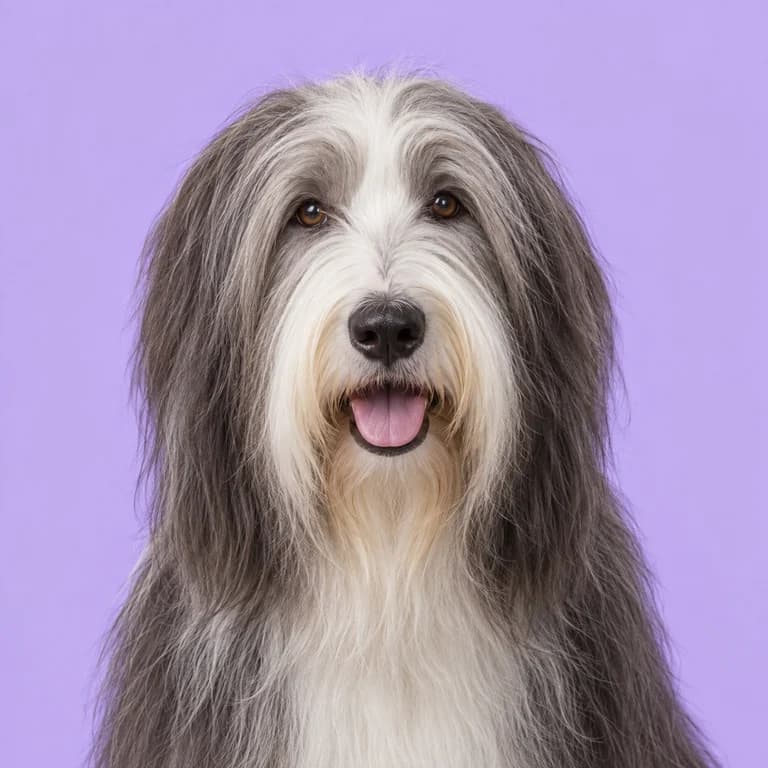
Herding group
Bearded Collie
18 to 25 kg · 12 to 14 years
A shaggy Scottish drover with a bounce in every step and a sense of humor to match.
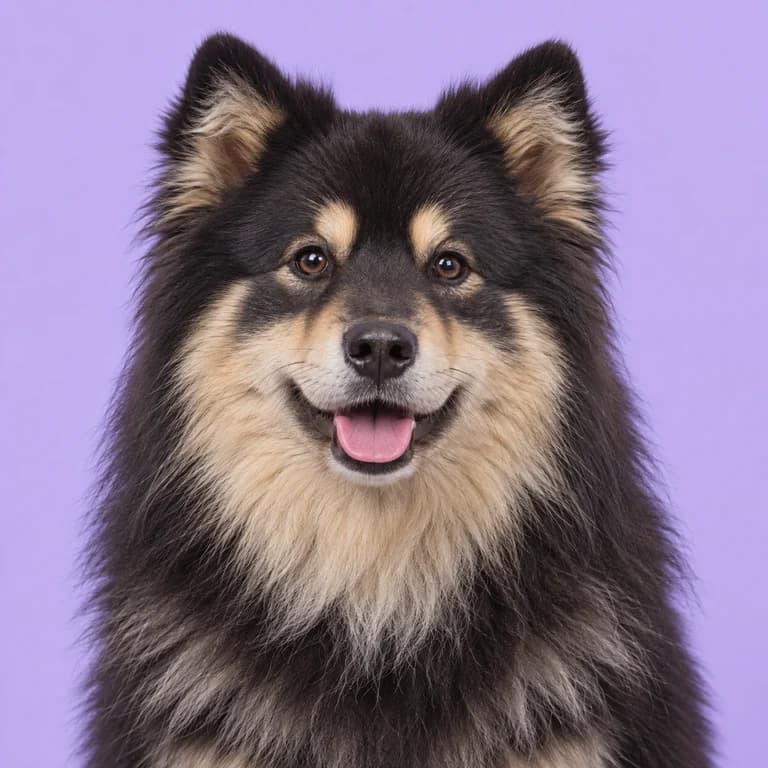
Herding group
Finnish Lapphund
15 to 24 kg · 12 to 15 years
A soft-natured reindeer herder from Lapland that pairs arctic toughness with remarkable gentleness at home.
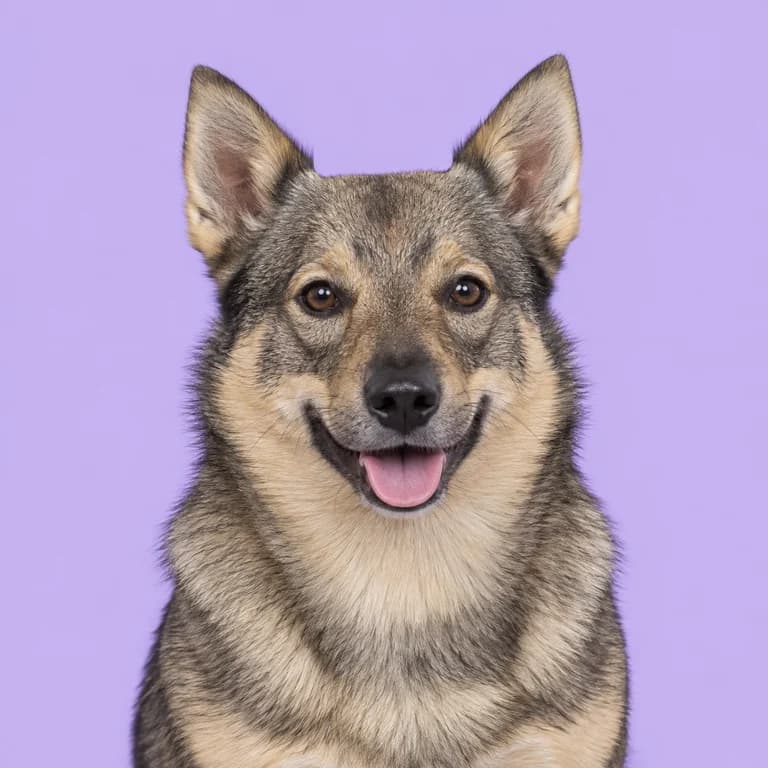
Herding group
Swedish Vallhund
9 to 16 kg · 12 to 15 years
A low-slung Viking-age cattle dog with the drive of a much larger herder packed into 33 cm.
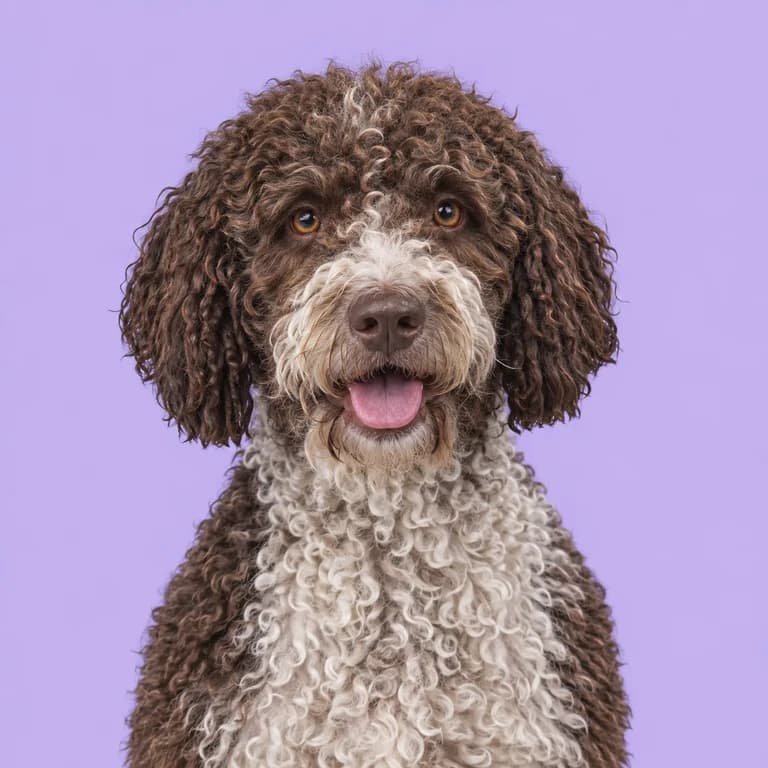
Herding group
Spanish Water Dog
14 to 22 kg · 12 to 14 years
A curly Andalusian all-rounder that herds, swims and retrieves, wearing a coat you must never brush.
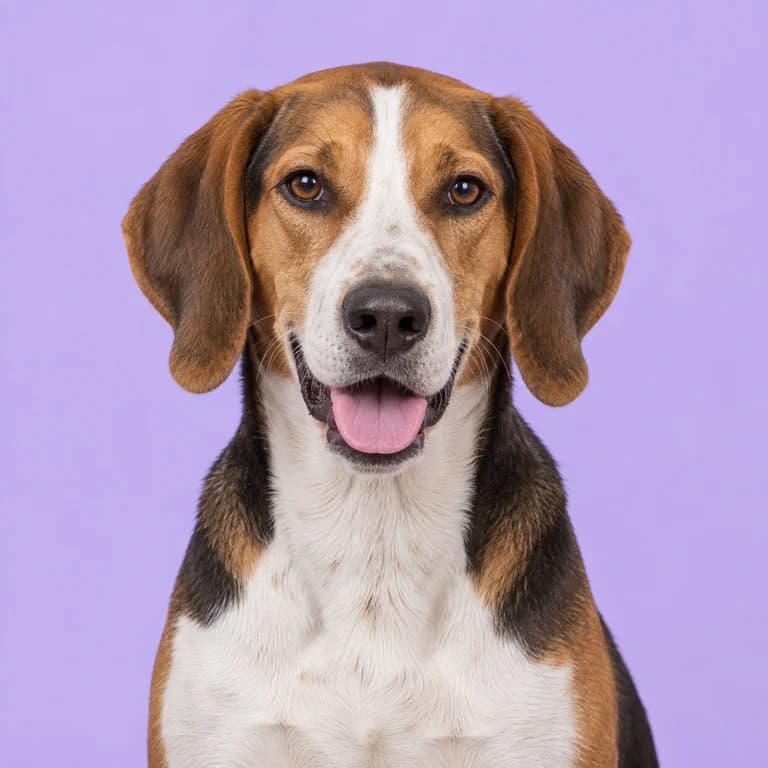
Hound group
Harrier
20 to 27 kg · 12 to 15 years
A pack hound bred to hunt hare on foot, bigger than a Beagle and more sociable than most dogs you will meet.
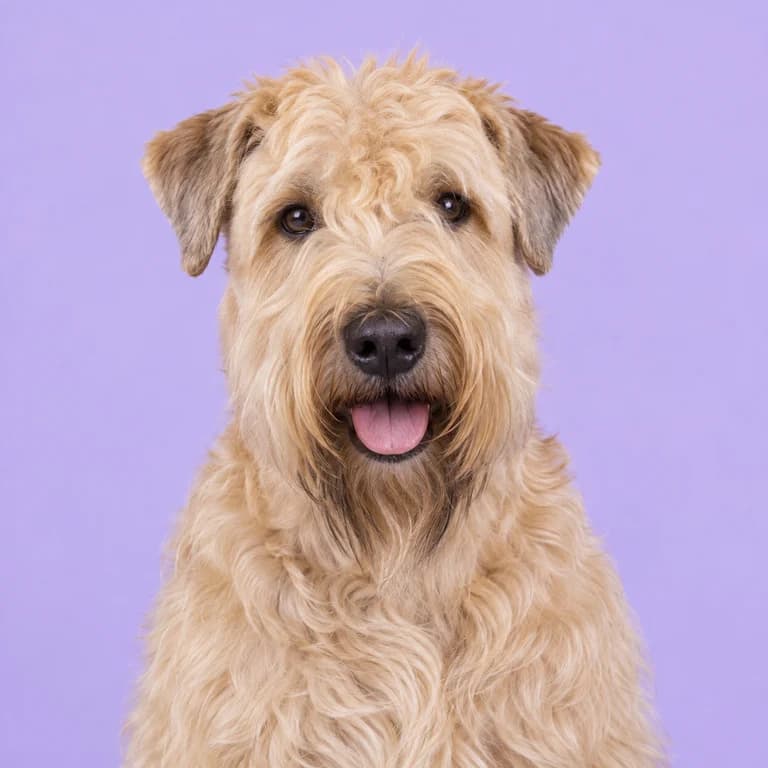
Terrier group
Soft Coated Wheaten Terrier
14 to 18 kg · 12 to 14 years
Silky, bouncy and relentlessly cheerful, the Wheaten asks for more brushing than almost any terrier.