Sources for this article
Sporting group · Italy
Spinone Italiano
Also called Spinone, Italian Spinone, Italian Griffon
A bearded Italian pointer with a gentle, patient soul and a pace best described as thoughtful.
The Spinone Italiano is a large, rough-coated gundog from northern Italy, built for steady, methodical hunting over difficult ground. It is famously affectionate and easy-going with people and other dogs, and it rewards owners who do not mind some drool, a dripping beard and a dog that likes to consider its options.
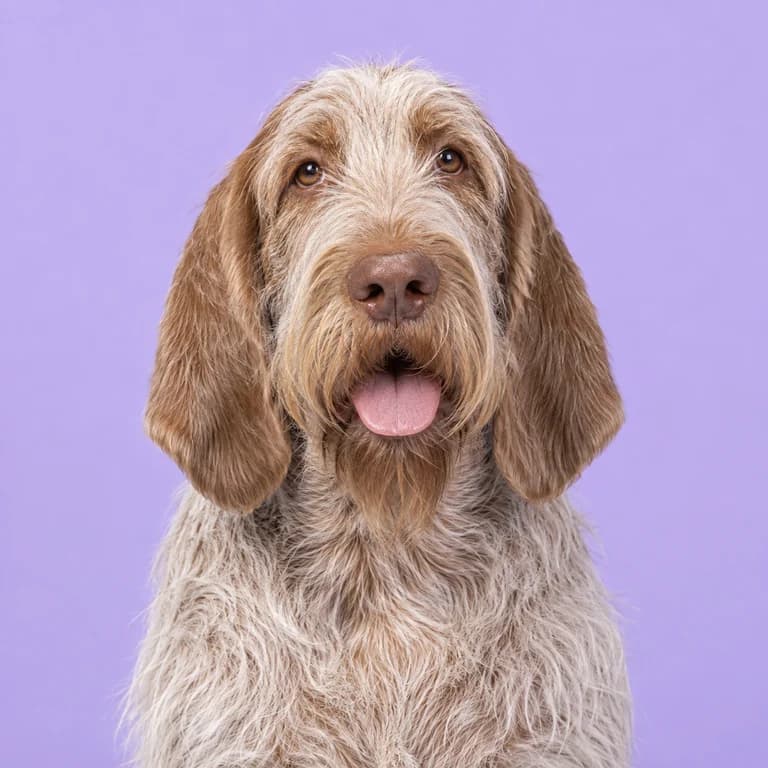
Original AI-generated breed illustration
Weight
28 to 39 kg
62 to 86 lb
Height
58 to 70 cm
at the shoulder
Life expectancy
10 to 12 yrs
Activity estimate
60 to 90 min
editorial daily planning range
Adult-size estimate
24 months
approximate model input
Life with a Spinone Italiano
Ask Spinone owners to describe their dogs and the same words keep returning: gentle, patient, affectionate and slightly comical. The breed is good-natured almost to a fault, tolerant of children, friendly to visitors and generally relaxed with other dogs. It is also sensitive, and it is happiest in a calm household where it can stay close to its people, ideally touching them.
Rough-coated pointing dogs have worked in Piedmont and Lombardy for centuries, and the Spinone is often credited as one of the oldest continental gundogs. Hunters wanted a dog that could push through thorny scrub and marshland, hold a steady point and retrieve from cold water. The wars of the 20th century hit the breed hard, and dedicated Italian breeders gathered the remaining dogs to restore it.
In the field a Spinone works fairly close to the hunter at a steady trot, head high to catch air scent, then freezes into a point with intense concentration. At home that same deliberation shows up as a dog that may pause before deciding whether your request is worth the effort. Most owners come to find this charming rather than frustrating.
It is a big, solid dog: males stand up to 70 cm (27.5 in) and weigh up to around 39 kg (86 lb). Add a beard that collects water and crumbs and a fondness for leaning its full weight against your legs, and you have a companion best suited to people who like a relaxed, slightly scruffy home.
What stands out
Training
Spinoni are intelligent and keen to please, but they run on their own timetable. They respond best to patient, positive training with food and warm praise; harsh correction makes them shut down or dig in. Give them a moment to process a cue before repeating it, especially when something interesting is in front of their nose.
Read the full training guideEasy to train
Open with strangers
Good with other dogs
A great match for
- families with children and other pets
- owners who enjoy long, unhurried countryside walks
- people interested in gundog or HPR training
- homes with space and a relaxed attitude to mess
Think twice if
- drool and a wet beard after every drink
- slow to mature and slow to respond on some days
- large size and a habit of leaning on legs
- bloat risk as a deep-chested breed
- discomfort in hot weather
Personality and needs at a glance
Living together
Good with children
Good with other dogs
Open with strangers
Apartment friendly
Copes with alone time
Energy and character
Energy level
Playfulness
Easy to train
Barking
5 means very vocal
Care and climate
Grooming needs
Shedding
Drooling
Handles cold
Handles heat
How much a Spinone Italiano eats
Illustrative calculations for neutered adults at midpoint breed weights, with food at 370 kcal per 100 g and 100 g per cup. These are not measured breed requirements. Use actual weight, the food label and veterinary body-condition advice.
| Dog | Weight | Calories | Dry food |
|---|---|---|---|
| Female, relaxed lifestyle | 31 kg | 1290 kcal | 350 g (3.5 cups) |
| Female, typical pet | 31 kg | 1470 kcal | 400 g (4 cups) |
| Male, typical pet | 36 kg | 1630 kcal | 440 g (4.5 cups) |
| Male, very active | 36 kg | 2040 kcal | 550 g (5.5 cups) |
Care guides for the Spinone Italiano
Things owners are often surprised by
- 1The name is said to come from spino, a thorny bush that the dog's tough coat let it push through
- 2Moves at an efficient, ground-covering trot rather than a gallop, saving energy over long days in the field
- 3Classed in the UK as an HPR breed (hunt, point, retrieve), able to do all three jobs
- 4Numbers fell sharply around the Second World War, and Italian enthusiasts rebuilt the breed afterward
- 5A DNA test lets breeders eliminate cerebellar ataxia, a fatal inherited disease of young puppies
Spinone Italiano questions
Do Spinoni drool a lot?
More than most gundogs. The loose lips and full beard trap water and saliva, so drips after drinking and a damp beard are normal. Keep a towel near the water bowl and wipe the beard after meals. The amount varies between dogs; some drool mainly after drinking or when they are excited about food, while others leave a light trail most of the day.
Is a Spinone Italiano good with other pets?
Generally very good. Spinoni are sociable and easy-going with other dogs and often live peacefully with cats when raised alongside them. As a bird dog it may take a keen interest in poultry and wildlife outdoors, but aggression is not typical of the breed. Introduce any new pet gradually and supervise the first weeks, as you would with any dog.
How does a Spinone differ from a German Wirehaired Pointer?
Both are rough-coated HPR gundogs, but the Spinone is larger, slower and softer in temperament, working at a trot and staying close to the handler. The German Wirehaired Pointer is faster, more intense and often more protective of home and family. The Spinone also has a longer, more tousled coat with pronounced eyebrows and a fuller beard.
Can a Spinone live in a flat?
It is possible but not ideal. Spinoni are fairly calm indoors, yet they are large, they drool and they need daily walks of an hour or more. A ground-floor flat close to parks or open countryside can work for a committed owner. A house with a garden makes life easier for both of you, especially with a wet beard after rainy walks.
How long does a Spinone take to grow up?
Longer than many breeds. Physically, Spinoni fill out until about two years old, and mentally many stay puppyish until two or even three. Expect a long adolescence with bouts of forgetfulness and silliness, when a well-learned recall suddenly seems to vanish. Keep training consistent and patient through this stage, and the steady adult you were promised usually arrives.
Popular answers for owners
- How much to feedHow much more should I feed a pregnant dog?
- Grooming and coatHow do I know if my dog's grooming needs are seasonal or year round?
- How much to feedDoes a male dog need more food than a female dog of the same breed?
- Exercise and playAt what age can a dog start running with me?
- Bowls and feeding gearWhy do long eared dogs get food stuck behind their ears?
- Puppy feeding and growthHow much should I feed a rescue puppy of unknown age?
Breeds you might compare
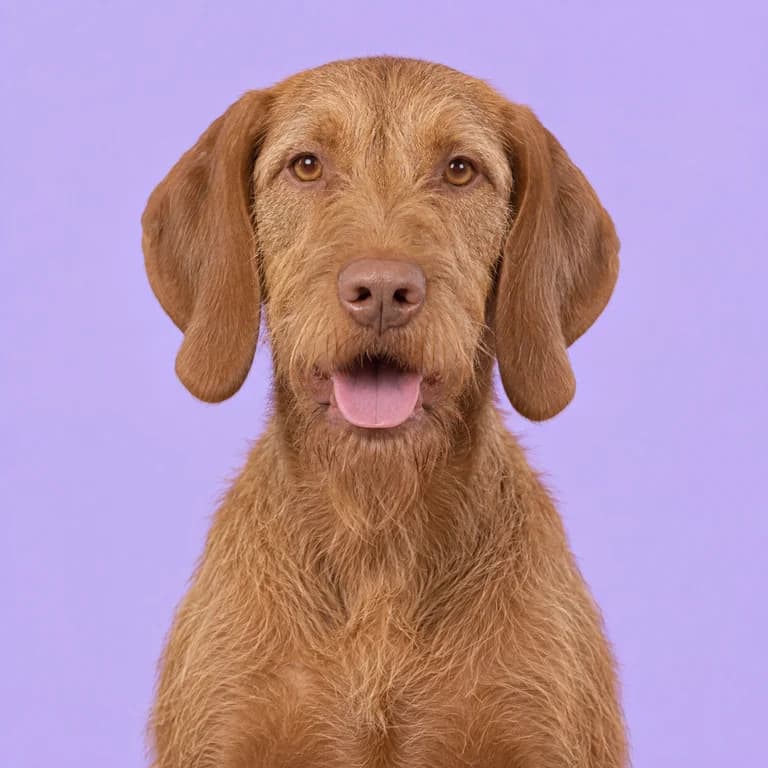
Sporting group
Wirehaired Vizsla
20 to 30 kg · 12 to 14 years
A Hungarian gun dog with a weatherproof beard, built to hunt all day in cold water and thick cover.
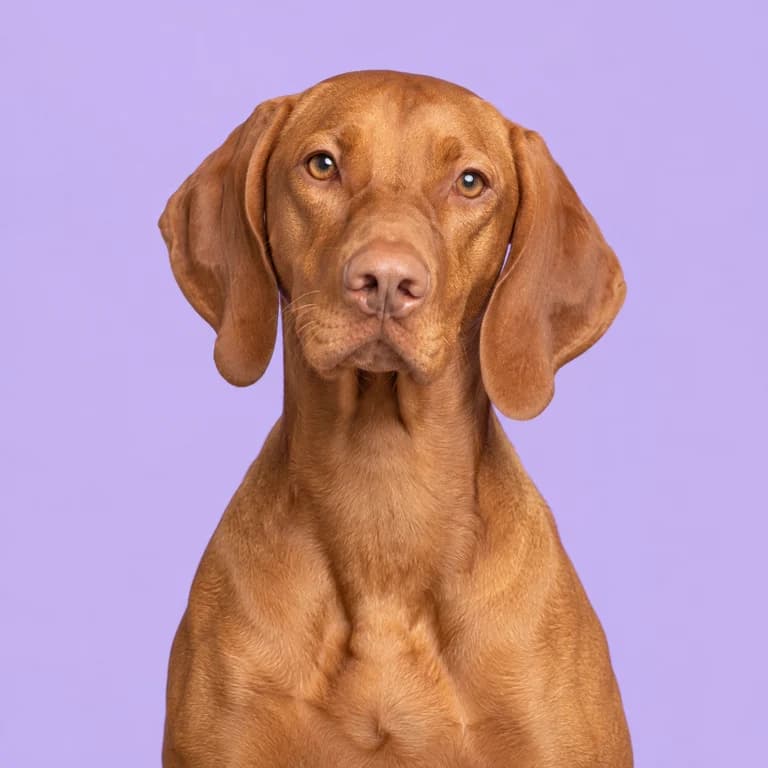
Sporting group
Vizsla
18 to 29 kg · 12 to 14 years
Hungary's golden-rust pointer: a lean athlete that wants miles of running, then a lap to finish on.
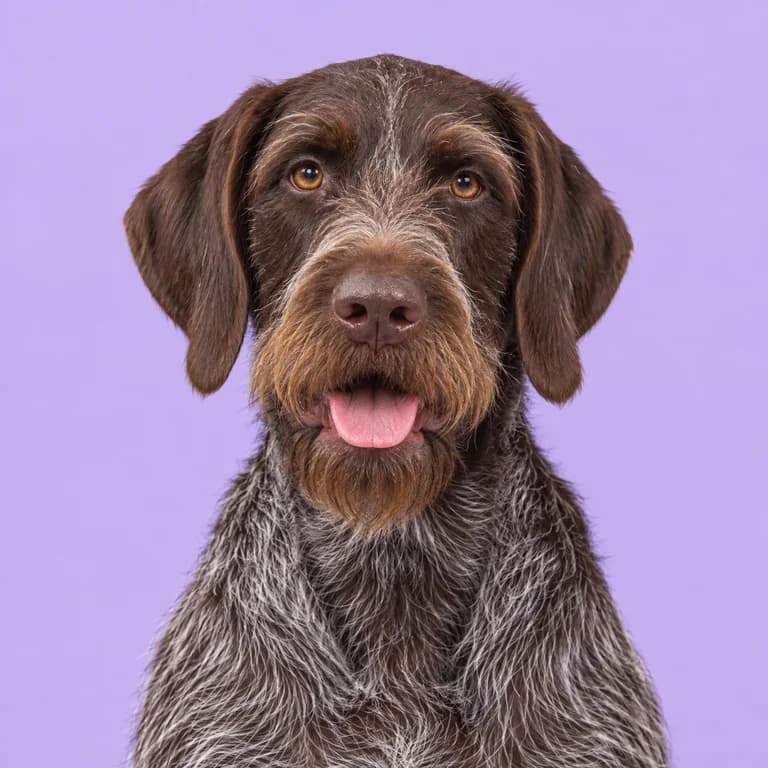
Sporting group
German Wirehaired Pointer
23 to 32 kg · 12 to 14 years
A bearded, weatherproof German hunting dog that thrives with a firm, fair trainer and a real job to do.
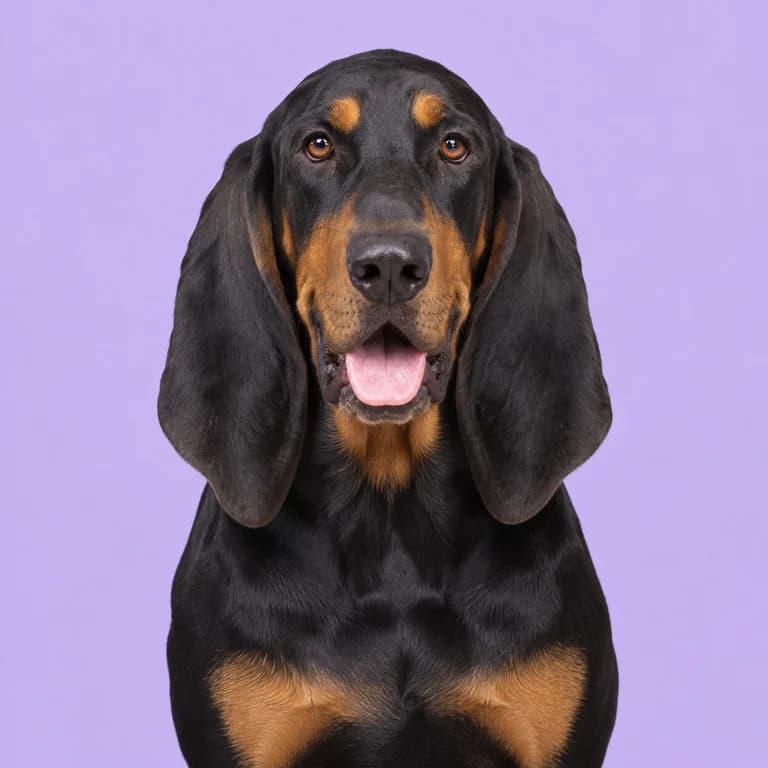
Hound group
Black and Tan Coonhound
25 to 45 kg · 10 to 12 years
Mellow and sociable on the sofa, but outdoors a single raccoon scent turns it into a baying tracker.
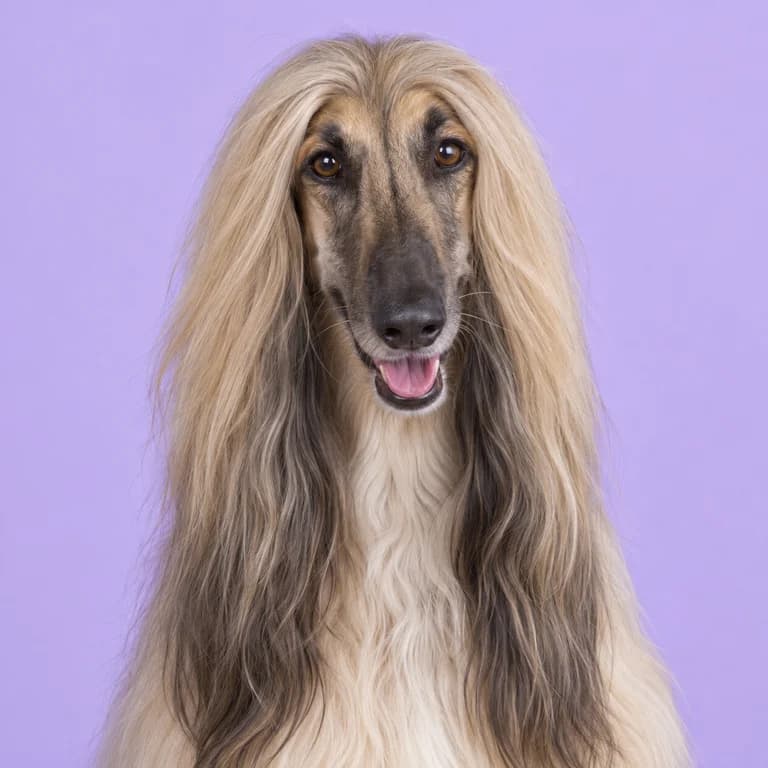
Hound group
Afghan Hound
20 to 30 kg · 12 to 14 years
An elegant sighthound in a floor-length coat that asks for hours of care every single week.
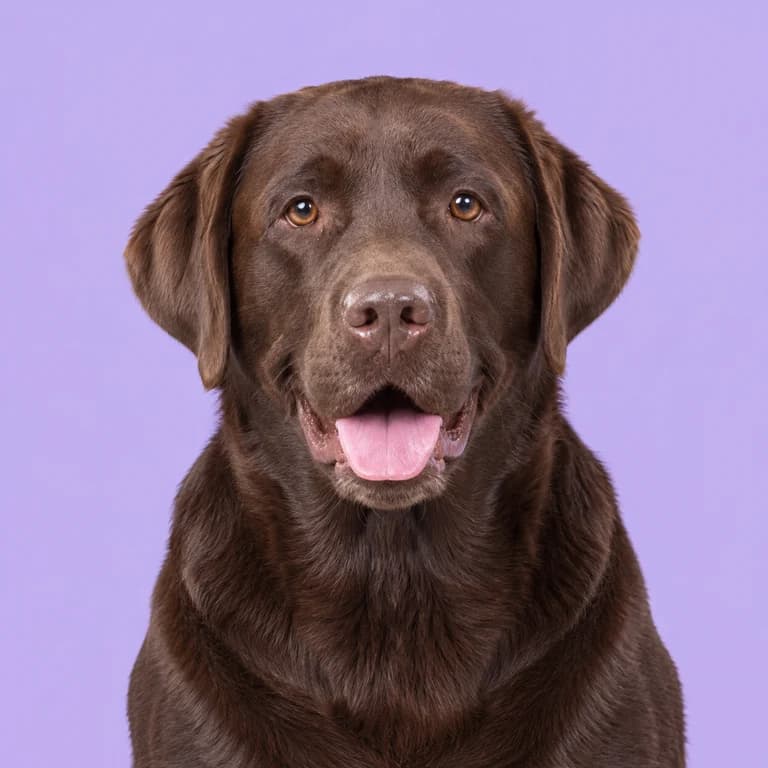
Sporting group
Labrador Retriever
25 to 36 kg · 11 to 13 years
Bred to haul nets in icy Atlantic water, now the family dog that never stops thinking about lunch.