Sources for this article
Sporting group · Germany
German Shorthaired Pointer
Also called GSP, Shorthair, Deutsch Kurzhaar
A lean German gundog built to point, retrieve and track all day, then ask what comes next.
The German Shorthaired Pointer is a versatile hunting dog from Germany, bred to find game, hold a point, fetch from water and follow a wounded animal's trail. At home it is affectionate and clownish, but it needs a serious outlet every single day or it will invent its own.
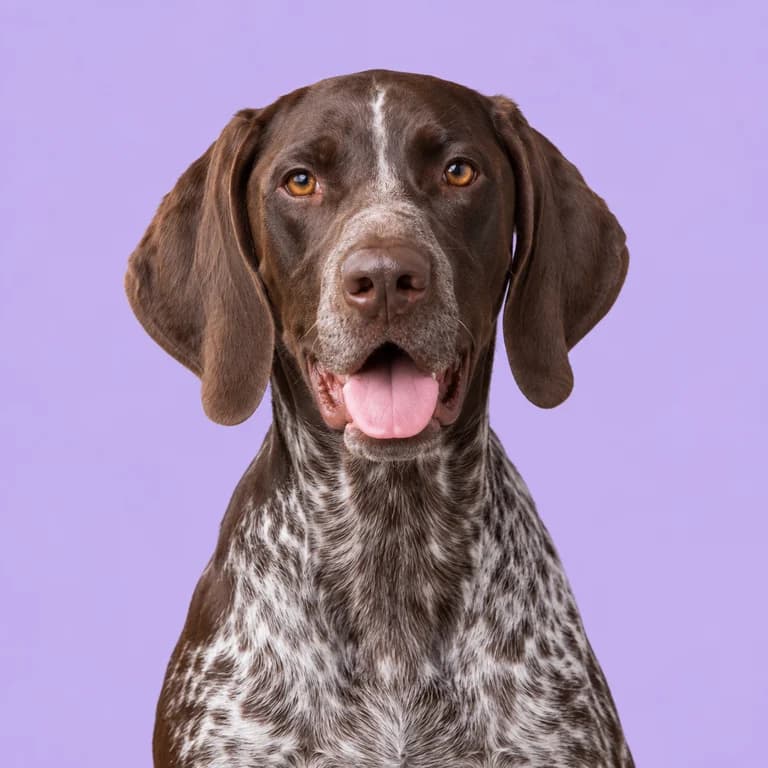
Original AI-generated breed illustration
Weight
20 to 32 kg
44 to 70 lb
Height
53 to 64 cm
at the shoulder
Life expectancy
12 to 14 yrs
Activity estimate
120 to 150 min
editorial daily planning range
Adult-size estimate
20 months
approximate model input
Life with a German Shorthaired Pointer
Picture a dog that wants to be in a wet field at dawn and pressed against you on the sofa by evening. That contradiction is the German Shorthaired Pointer. German hunters in the 1800s wanted a single all-purpose dog for mixed shooting: something that could locate birds, freeze on point, fetch a duck from cold water and track a wounded deer. Breeders are often credited with blending old German bird dogs with English Pointer blood to sharpen nose and speed, and the result is the athletic, liver-colored dog you see today.
Energy is the headline trait, and it is not a polite amount. A young GSP will happily run for two hours and then look at you for the next plan. Owners who come from calmer breeds are often surprised that a long lead walk barely takes the edge off. What this dog really craves is running, sniffing and problem solving, ideally all at once.
Inside the house, a well-exercised Shorthair is gentle and attached, often following family members from room to room and leaning its full weight against their legs. It usually gets on with children and other dogs, though its bounce can flatten a toddler. Small pets are another matter: birds, rabbits and cats may trigger strong hunting instincts, and some individuals never learn to leave them alone.
Expect a busy, sometimes vocal companion that dislikes long hours alone. Bored GSPs are known for scaling garden fences, chewing door frames and whining at windows. Give this dog real work, though, and it repays you with remarkable loyalty and a genuine sense of humor.
What stands out
Exercise
Plan on at least 90 minutes of real activity a day for an adult, with a good share of it off-lead running or structured work. A typical day might be 40 minutes of free running in a safe field, 20 minutes of retrieves or scent work, and a slower sniffing walk in the evening. Canicross, bikejoring once fully grown, field training and dock diving all suit the breed.
Read the full exercise guideActivity planning estimate
120 to 150 min
editorial estimate, not a prescription
Energy
5 / 5
Playfulness 5 / 5
A great match for
- active runners and hikers
- hunting or field sport households
- families with older, sporty children
- owners who enjoy daily training games
Think twice if
- needs 90 minutes or more of hard exercise daily
- strong prey drive toward cats and small pets
- can become destructive when bored or left alone
- sheds steadily despite the short coat
Personality and needs at a glance
Living together
Good with children
Good with other dogs
Open with strangers
Apartment friendly
Copes with alone time
Energy and character
Energy level
Playfulness
Easy to train
Barking
5 means very vocal
Care and climate
Grooming needs
Shedding
Drooling
Handles cold
Handles heat
How much a German Shorthaired Pointer eats
Illustrative calculations for neutered adults at midpoint breed weights, with food at 370 kcal per 100 g and 100 g per cup. These are not measured breed requirements. Use actual weight, the food label and veterinary body-condition advice.
| Dog | Weight | Calories | Dry food |
|---|---|---|---|
| Female, relaxed lifestyle | 24 kg | 1050 kcal | 285 g (2.8 cups) |
| Female, typical pet | 24 kg | 1200 kcal | 325 g (3.3 cups) |
| Male, typical pet | 29 kg | 1380 kcal | 375 g (3.8 cups) |
| Male, very active | 29 kg | 1730 kcal | 465 g (4.8 cups) |
Care guides for the German Shorthaired Pointer
Things owners are often surprised by
- 1Developed in 19th-century Germany as one dog that could do the work of a pointer, a retriever and a tracker
- 2Webbed toes and a tight, water-resistant coat make it a strong swimmer
- 3Most reach adult height by about 12 months but keep filling out until close to 2 years
- 4Quarters ground in wide loops, often covering several times its owner's distance on an off-lead run
- 5Liver roan and liver-and-white ticked patterns are the most common looks
German Shorthaired Pointer questions
Are German Shorthaired Pointers good house dogs?
They can be excellent house dogs once their exercise needs are met. A tired GSP is affectionate, quiet and content to nap near you. Problems start when the dog only gets short lead walks, because frustration comes out as barking, chewing and escape attempts. If your routine cannot include about an hour and a half of vigorous activity most days, a calmer breed may suit you better.
Do German Shorthaired Pointers get along with cats?
Some do, particularly when raised with a cat from puppyhood and taught calm behavior around it. This is still a hunting breed with strong chase instincts, and a dog that tolerates its own cat may pursue the neighbor's. Introduce slowly, supervise for months, and give the cat escape routes and high perches the dog cannot reach.
When does a German Shorthaired Pointer calm down?
Most owners notice a real change between 2 and 3 years old, when the frantic adolescent phase fades. That does not make the dog low energy. An adult still needs plenty of exercise, it simply becomes better at switching off afterwards. Consistent training and a predictable daily routine help that calmer adult appear sooner.
Can a German Shorthaired Pointer live in an apartment?
It is possible but hard work. Every bit of running has to happen outside, often twice a day, and flights of stairs are tough on a growing puppy's joints. Owners who manage it usually have safe open ground close by and flexible working hours. Without that, the dog tends to become restless and noisy indoors, which neighbors notice quickly.
Are GSPs good swimmers?
Yes, most love water. The breed was designed to retrieve ducks, and its tight coat and webbed toes help. Start with shallow, calm water on a warm day and let the puppy wade in on its own terms rather than carrying it in. Rinse off chlorine or salt afterwards and dry the ears thoroughly, because moisture trapped under those flaps can cause irritation.
Popular answers for owners
- Bowls and feeding gearAre puzzle feeders safe to leave with a dog unsupervised?
- Grooming and coatWhy does my dog's undercoat come out in clumps?
- How much to feedHow do I check body condition on a deep chested breed like a greyhound?
- How much to feedHow do I move my dog from a weight loss food back to a normal maintenance amount?
- Exercise and playHow long should a fetch session last?
- Puppy feeding and growthIs it ok to feed a 6 month old puppy just twice a day?
Breeds you might compare
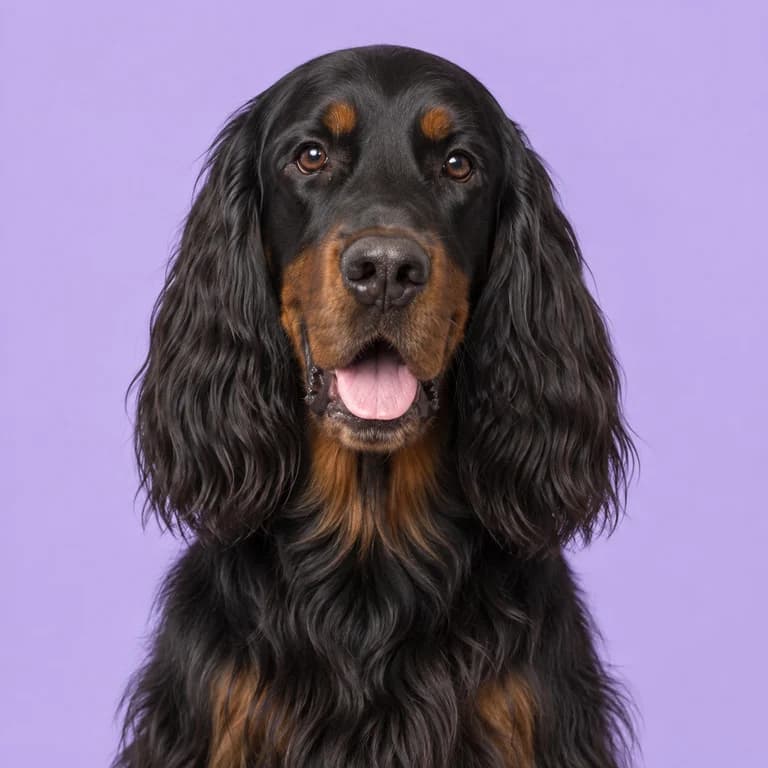
Sporting group
Gordon Setter
20 to 36 kg · 10 to 12 years
The heaviest and most thoughtful of the setters, shaped by a Scottish duke for long days on grouse moors.
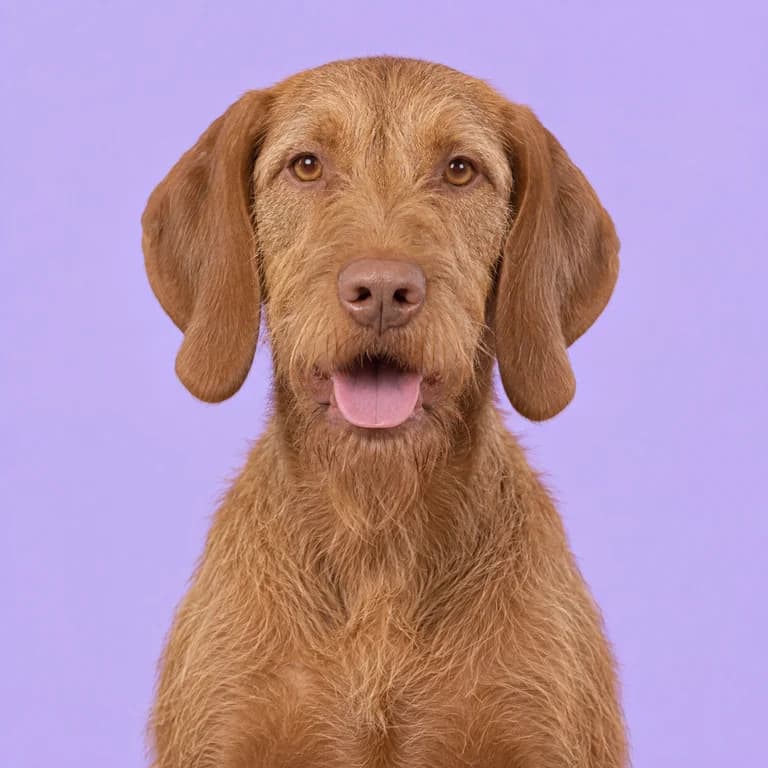
Sporting group
Wirehaired Vizsla
20 to 30 kg · 12 to 14 years
A Hungarian gun dog with a weatherproof beard, built to hunt all day in cold water and thick cover.
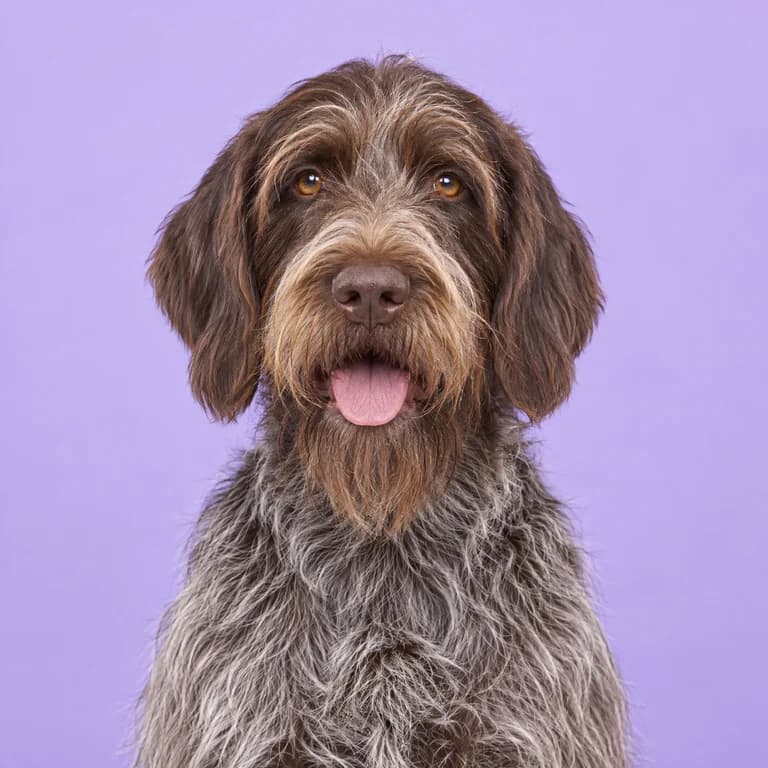
Sporting group
Wirehaired Pointing Griffon
20 to 32 kg · 12 to 14 years
A bearded, close-working bird dog shaped by one man's obsession, eager to please and happiest in mud.
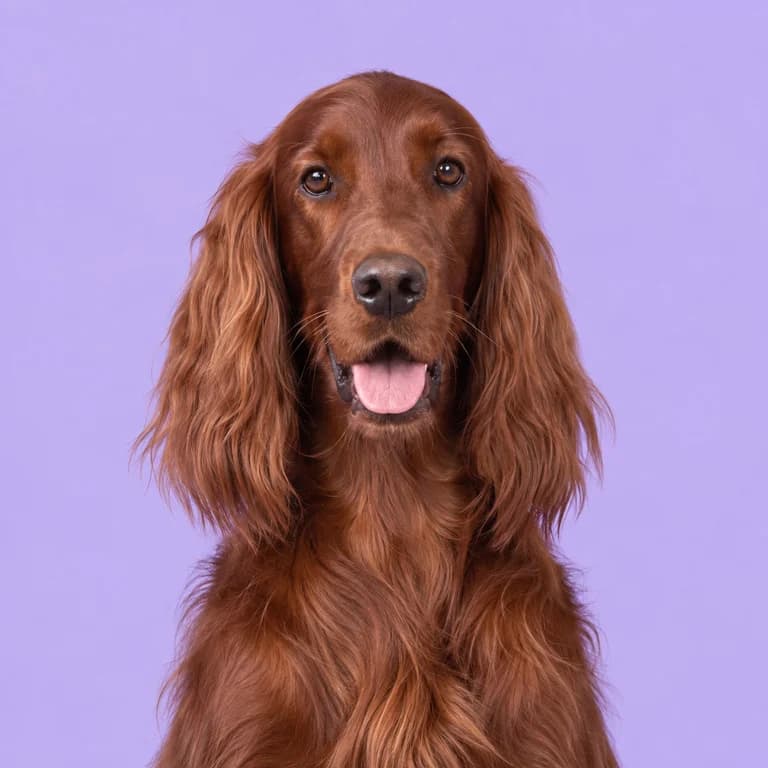
Sporting group
Irish Setter
25 to 34 kg · 12 to 15 years
A mahogany gundog built to quarter Irish bogs all day, and still in no hurry to grow up.
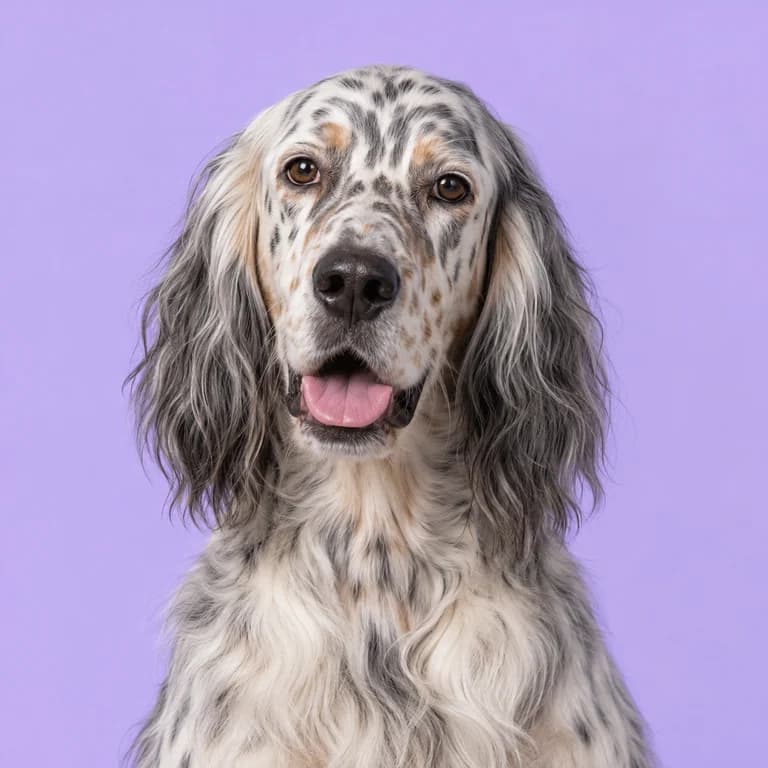
Sporting group
English Setter
20 to 36 kg · 10 to 12 years
A speckled gentleman of the field, mellow at home yet slow to grow out of puppy silliness.
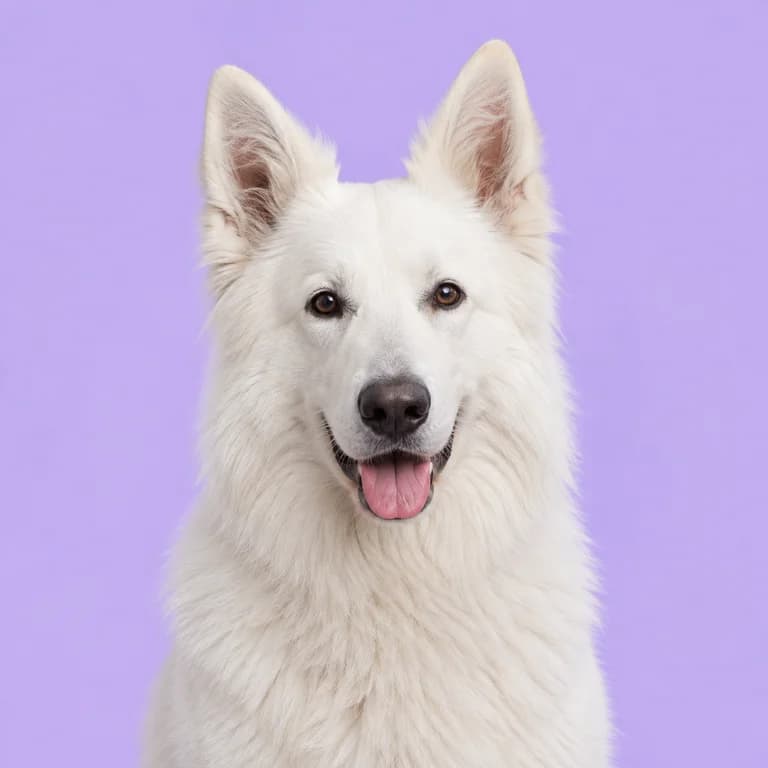
Herding group
White Swiss Shepherd
25 to 40 kg · 12 to 14 years
A snow-white shepherd with the brains of a working dog and a gentler, softer edge.