Sources for this article
Sporting group · Hungary
Wirehaired Vizsla
Also called Hungarian Wirehaired Vizsla, Drótszőrű Magyar Vizsla, WHV
A Hungarian gun dog with a weatherproof beard, built to hunt all day in cold water and thick cover.
The Wirehaired Vizsla is a versatile hunting dog from Hungary, developed in the 1930s by giving the classic Vizsla a harsher, more protective coat. It is affectionate, sensitive and extremely energetic, and it needs an owner ready for hours of daily activity and near-constant companionship.
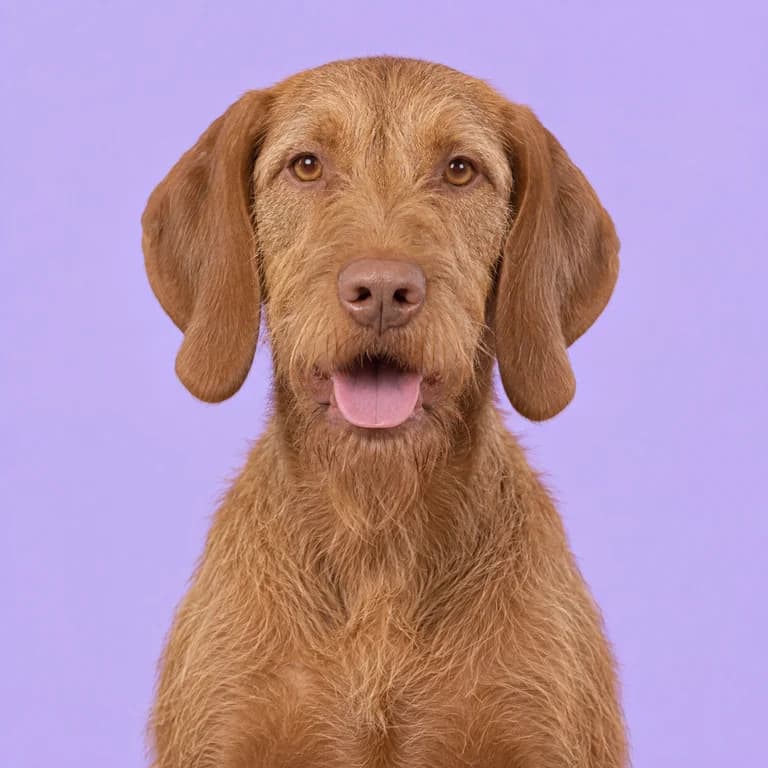
Original AI-generated breed illustration
Weight
20 to 30 kg
44 to 66 lb
Height
54 to 64 cm
at the shoulder
Life expectancy
12 to 14 yrs
Activity estimate
120 to 150 min
editorial daily planning range
Adult-size estimate
18 months
approximate model input
Life with a Wirehaired Vizsla
Give a Wirehaired Vizsla a cold morning, a wet field and a reason to search, and it will work until you call it off. Bred for hunters who wanted one dog to point birds, track wounded game and retrieve from icy water, this is a high-octane athlete dressed in a wiry coat. Most pet owners never see the real limit of its stamina, and that is exactly the challenge.
In the 1930s, Hungarian hunters and breeders, József Vasas and László Gresznarik among them, wanted a Vizsla that could cope with harsh winters and dense cover. They crossed smooth Vizslas with German Wirehaired Pointers, and some accounts mention small contributions from other breeds. The result kept the Vizsla's golden rust color, soft temperament and excellent nose, but added a dense, weather-resistant coat and a slightly heavier frame. The FCI recognized the breed in 1966, and the American Kennel Club followed in 2014.
At home, the Wirehaired Vizsla is gentle and affectionate, often trailing its people from room to room. It tends to warm to visitors after an initial look and usually gets on well with other dogs. It is sensitive to tone and routine, and it copes badly with long periods alone.
This is a wonderful match for hunters, runners, hikers and active families who want a dog involved in everything. In a quiet home with short walks and long workdays, the same dog is likely to become restless, noisy or destructive.
What stands out
Exercise
Ninety minutes of vigorous activity a day is the minimum, and two hours suits many young adults better. Good options include off-lead running in safe areas, swimming, hiking, canicross, bikejoring once fully grown, retrieving games, scent work, and hunting or field trials. Agility and obedience add mental work to the physical effort.
Read the full exercise guideActivity planning estimate
120 to 150 min
editorial estimate, not a prescription
Energy
5 / 5
Playfulness 4 / 5
A great match for
- hunters who want a versatile gun dog
- runners, hikers and very active families
- homes where someone is around most of the day
- owners who enjoy regular training
Think twice if
- needs 90 minutes or more of hard exercise daily
- struggles when left alone
- strong nose and prey drive around wildlife
- sensitive to harsh handling
- a beard that drips after drinking
Personality and needs at a glance
Living together
Good with children
Good with other dogs
Open with strangers
Apartment friendly
Copes with alone time
Energy and character
Energy level
Playfulness
Easy to train
Barking
5 means very vocal
Care and climate
Grooming needs
Shedding
Drooling
Handles cold
Handles heat
How much a Wirehaired Vizsla eats
Illustrative calculations for neutered adults at midpoint breed weights, with food at 370 kcal per 100 g and 100 g per cup. These are not measured breed requirements. Use actual weight, the food label and veterinary body-condition advice.
| Dog | Weight | Calories | Dry food |
|---|---|---|---|
| Female, relaxed lifestyle | 23 kg | 1030 kcal | 280 g (2.8 cups) |
| Female, typical pet | 23 kg | 1180 kcal | 320 g (3.3 cups) |
| Male, typical pet | 28 kg | 1340 kcal | 365 g (3.8 cups) |
| Male, very active | 28 kg | 1680 kcal | 455 g (4.5 cups) |
Care guides for the Wirehaired Vizsla
Things owners are often surprised by
- 1Developed in Hungary in the 1930s by crossing the smooth Vizsla with the German Wirehaired Pointer
- 2Recognized by the FCI in 1966 and by the American Kennel Club in 2014
- 3Points, retrieves and tracks on land and in water
- 4The wiry coat, beard and eyebrows protect the face in brambles and icy water
- 5Often called a velcro dog because it sticks close to its owner
- 6Usually heavier boned than the smooth Vizsla
Wirehaired Vizsla questions
What is the difference between a Vizsla and a Wirehaired Vizsla?
They share Hungarian roots and color, but the Wirehaired Vizsla has a harsh, wiry coat with a beard and eyebrows, heavier bone and a slightly larger frame. The coat was developed to protect against cold, water and thorny cover. Temperament is similar, affectionate and energetic, though some owners find the wirehaired dogs a touch calmer indoors.
Are Wirehaired Vizslas good for first-time owners?
Yes, with conditions: the first-time owner must be very active and willing to learn. The breed is gentle and trainable, but its exercise needs and dislike of being alone are demanding. A novice who runs, hikes or hunts and works from home may do well. Someone looking for a low-energy companion should choose a different breed.
Do Wirehaired Vizslas shed?
They shed lightly compared with many breeds, but they are not non-shedding. Most hair comes out in spring and autumn as the undercoat renews. Weekly brushing and occasional hand-stripping keep loose hair under control. The wiry coat also holds less mud than a long coat, although the beard needs regular wiping after meals and walks.
Can a Wirehaired Vizsla live in an apartment?
It is possible but difficult. The dog needs at least 90 minutes of vigorous exercise every day and does not like being left alone. An apartment owner would need easy access to open space, a flexible schedule, and a plan for rainy days and busy weeks. Without that, the breed tends to become restless and vocal indoors.
Are Wirehaired Vizslas good hunting dogs?
Yes. They were created as versatile gun dogs that point, retrieve and track on land and in water. Many hunters value their close-working style, soft mouth and willingness to face cold water. Field training starts with basic obedience and gentle exposure to birds and gunfire, ideally guided by someone experienced with pointing breeds.
Popular answers for owners
- Exercise and playWhy is my dog limping after a walk?
- Puppy feeding and growthHow do I switch my puppy to adult food without an upset stomach?
- Grooming and coatHow do I care for a Golden Retriever's feathering?
- Exercise and playHow do I teach my dog to catch a ball in the air?
- Bowls and feeding gearShould food and water bowls be next to each other?
- Grooming and coatWhat brush should I use for a curly, Poodle type coat?
Breeds you might compare
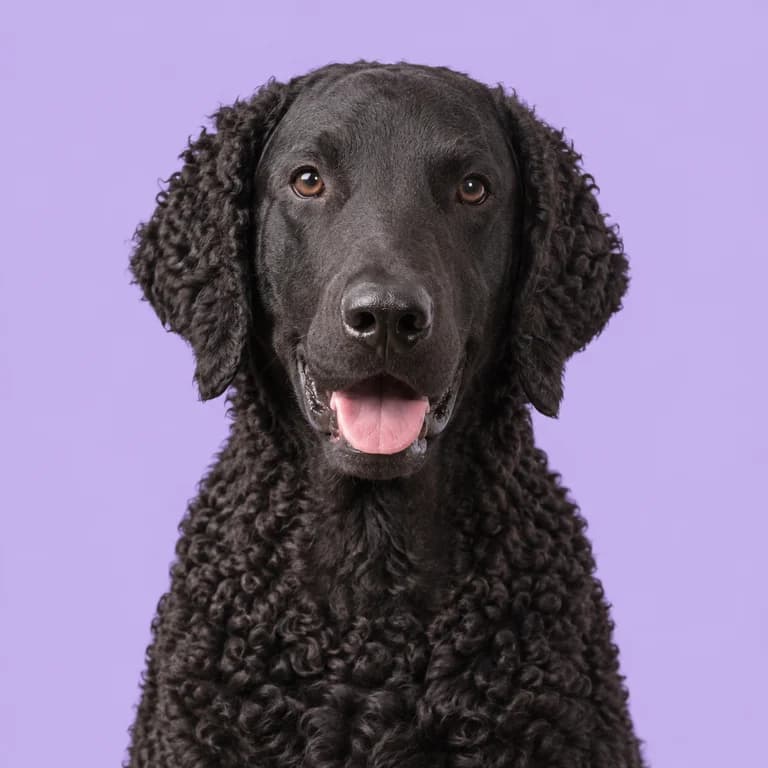
Sporting group
Curly-Coated Retriever
27 to 36 kg · 10 to 12 years
The tallest and perhaps most independent retriever, wrapped in a waterproof coat of tight curls you should never brush.
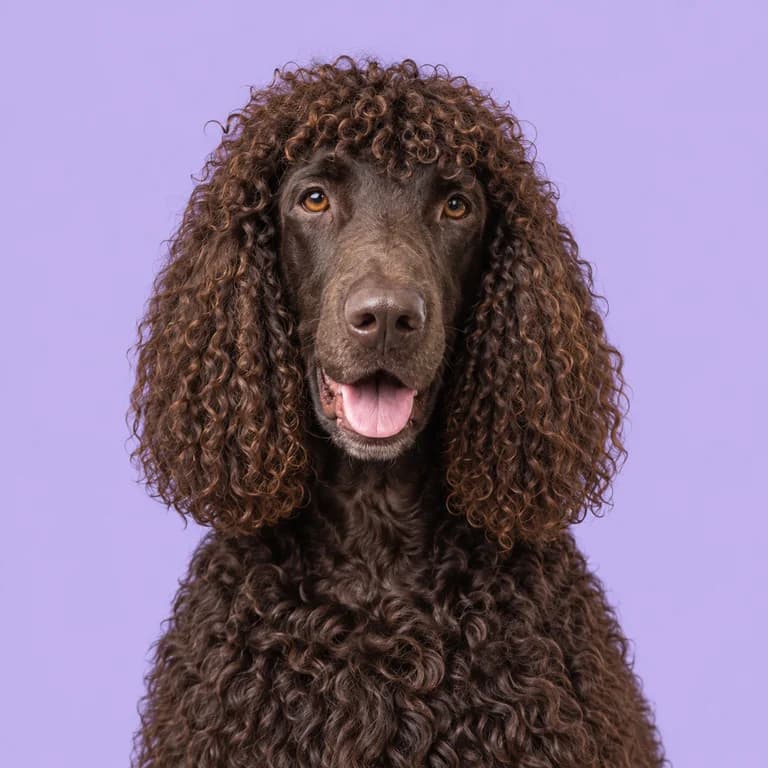
Sporting group
Irish Water Spaniel
20 to 31 kg · 10 to 13 years
The tallest spaniel, dressed in waterproof liver curls and topped with a loose, clownish topknot.
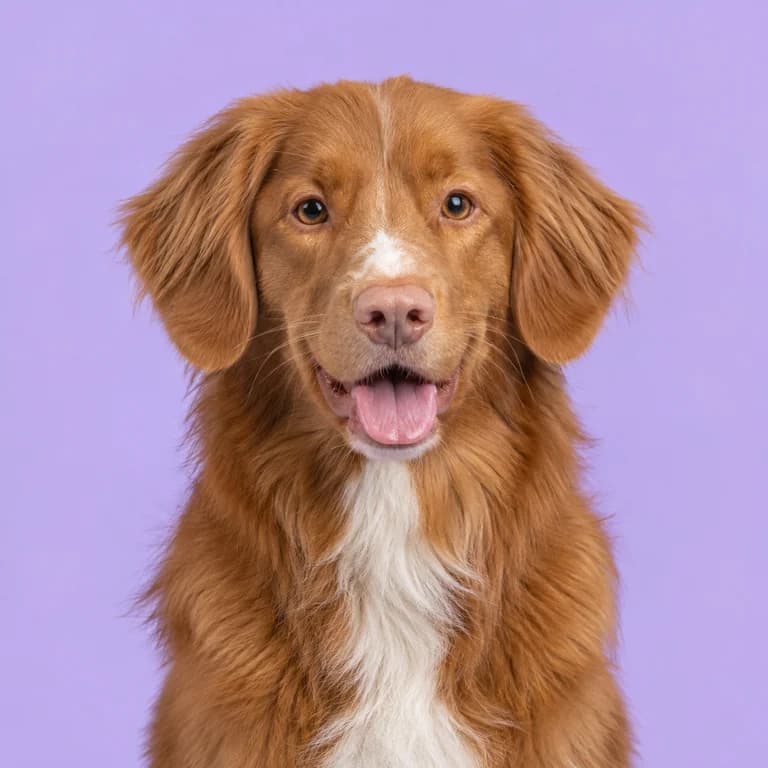
Sporting group
Nova Scotia Duck Tolling Retriever
17 to 23 kg · 12 to 14 years
The smallest retriever, bred to play along the shoreline until curious ducks swam close enough to shoot.
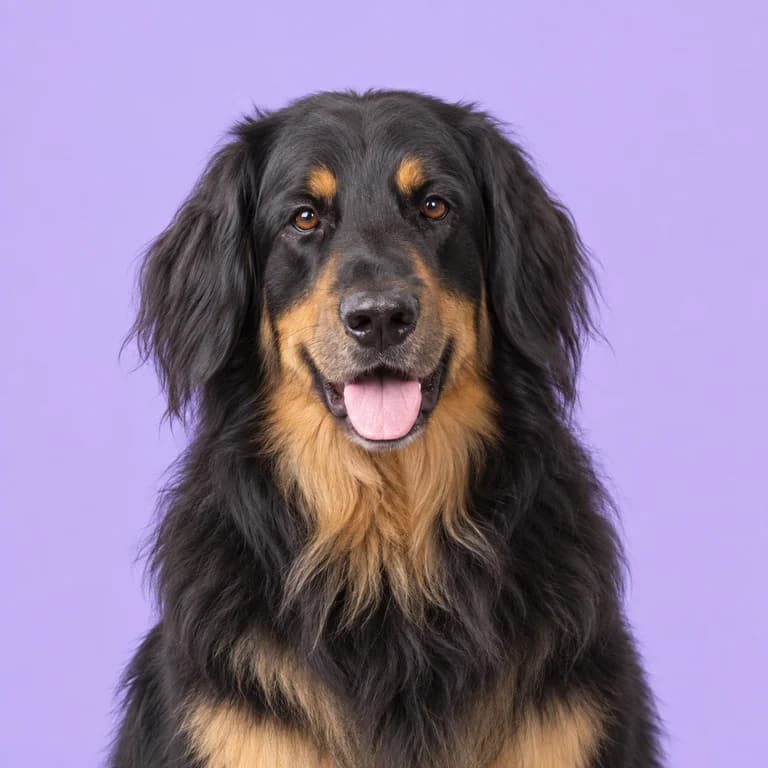
Working group
Hovawart
25 to 40 kg · 10 to 14 years
A medieval farm guardian rebuilt in the 20th century, loyal to its household and slow to hand out trust.
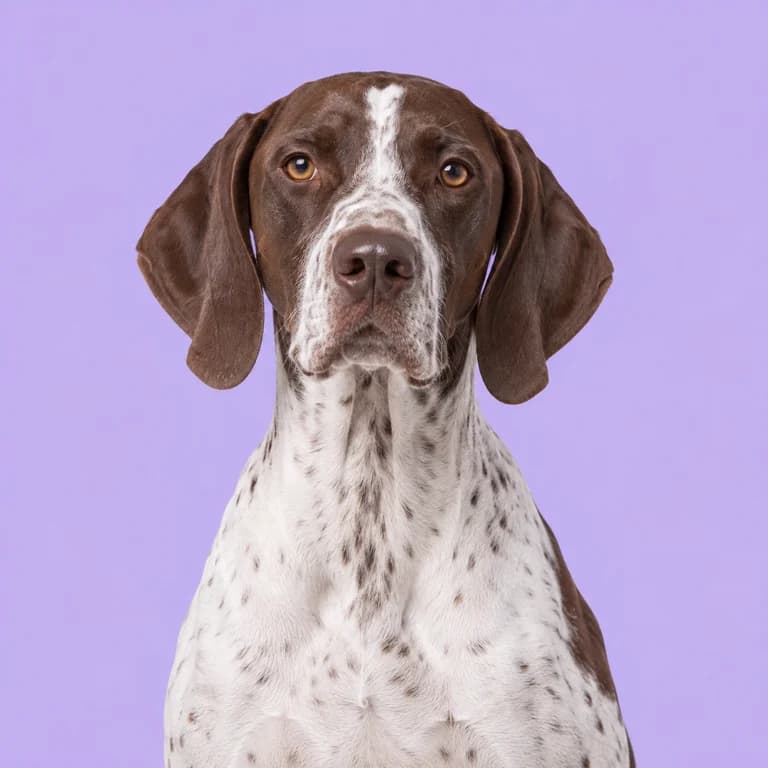
Sporting group
English Pointer
20 to 34 kg · 12 to 15 years
An athlete sculpted for speed across open moorland, with a statue-still point that stops people mid-conversation.
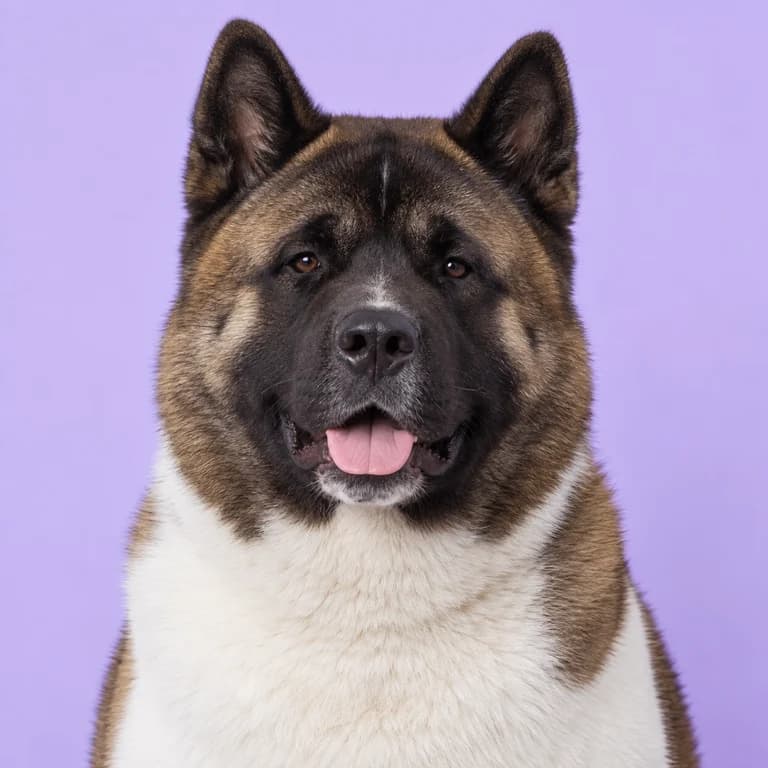
Working group
Akita
32 to 59 kg · 10 to 12 years
Dignified, quiet and fiercely loyal, the Akita adores its family and has little interest in anyone else.