Sources for this article
Sporting group · Ireland
Irish Setter
Also called Red Setter, Irish Red Setter
A mahogany gundog built to quarter Irish bogs all day, and still in no hurry to grow up.
The Irish Setter is a friendly, outgoing and very energetic gundog with a glowing red coat. It likes people, other dogs and nearly everything else, and often keeps a puppyish sense of fun well into adulthood. It needs a lot of running, patient training and regular brushing of its feathering.
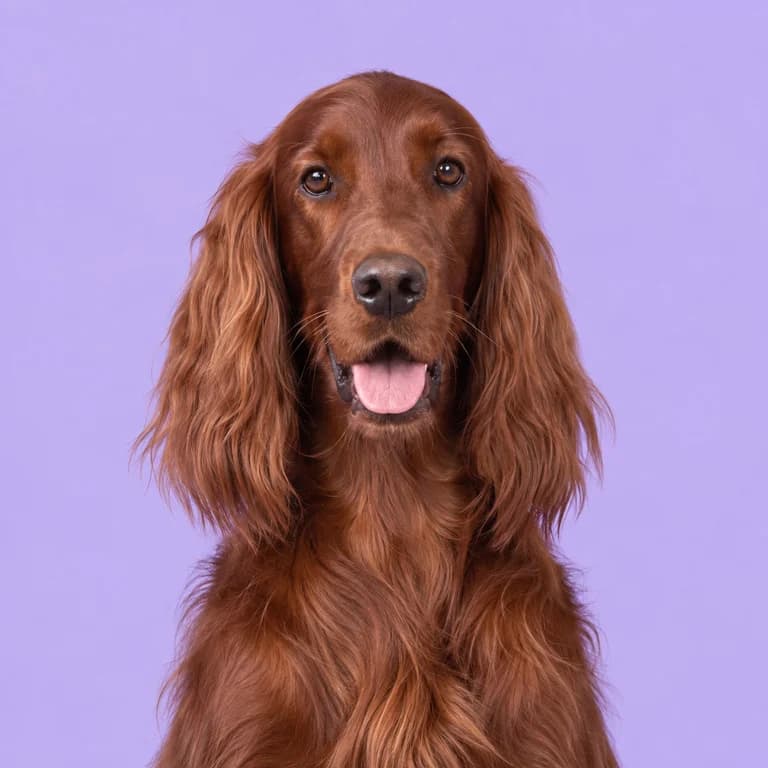
Original AI-generated breed illustration
Weight
25 to 34 kg
55 to 75 lb
Height
58 to 69 cm
at the shoulder
Life expectancy
12 to 15 yrs
Activity estimate
120 to 150 min
editorial daily planning range
Adult-size estimate
24 months
approximate model input
Life with a Irish Setter
Imagine a dog designed to run for hours across open moorland with its head high, catching scent on the wind, and you have the Irish Setter's job description. In 18th-century Ireland, hunters wanted a fast, far-ranging dog that could locate grouse, snipe and partridge over huge areas and then hold still until the guns or nets arrived. Everything about the modern setter, from its long legs to its stamina, points back to that work.
The earliest Irish setters were frequently red and white. During the 1800s solid red dogs grew fashionable, and the red type went on to worldwide fame in the show ring and in popular culture. The red and white type survived in small numbers and is now recognized separately as the Irish Red and White Setter.
In a home, Irish Setters are warm, cheerful and deeply sociable. They greet strangers like old friends, usually get along with other dogs and are gentle with children, though their size and bounce can topple toddlers. They are often described as clowns who take a long time to grow up. Owners need patience, a sense of humor and real time for exercise, because an under-exercised setter quickly becomes frantic, noisy and destructive.
What stands out
Exercise
Adults typically need around two hours of exercise a day, including a chance to gallop off leash in safe, enclosed areas. Setters shine at long hikes, field training, hunt tests and, once fully grown, canicross or running with you on trails. Scent games and retrieves add mental work that a simple walk lacks.
Read the full exercise guideActivity planning estimate
120 to 150 min
editorial estimate, not a prescription
Energy
5 / 5
Playfulness 5 / 5
A great match for
- very active households, runners and hikers
- homes with regular access to safe, enclosed running space
- families wanting an openly friendly, sociable dog
- owners interested in field training or gundog work
Think twice if
- huge daily exercise needs
- slow to mature and easily distracted
- strong urge to chase birds
- counter surfing and stealing food
- bloat risk as a deep-chested breed
Personality and needs at a glance
Living together
Good with children
Good with other dogs
Open with strangers
Apartment friendly
Copes with alone time
Energy and character
Energy level
Playfulness
Easy to train
Barking
5 means very vocal
Care and climate
Grooming needs
Shedding
Drooling
Handles cold
Handles heat
How much an Irish Setter eats
Illustrative calculations for neutered adults at midpoint breed weights, with food at 370 kcal per 100 g and 100 g per cup. These are not measured breed requirements. Use actual weight, the food label and veterinary body-condition advice.
| Dog | Weight | Calories | Dry food |
|---|---|---|---|
| Female, relaxed lifestyle | 28 kg | 1180 kcal | 320 g (3.3 cups) |
| Female, typical pet | 28 kg | 1340 kcal | 365 g (3.8 cups) |
| Male, typical pet | 32 kg | 1490 kcal | 400 g (4 cups) |
| Male, very active | 32 kg | 1860 kcal | 505 g (5 cups) |
Care guides for the Irish Setter
Things owners are often surprised by
- 1Setters found game birds, then froze low to the ground, or set, so hunters could draw a net over the covey.
- 2Early Irish setters were often red and white; solid red became fashionable in the 1800s, and the Irish Red and White Setter is now a separate breed.
- 3Many owners say their dog behaves like an adolescent until around three years old.
- 4Field-bred Irish Setters tend to be smaller, lighter-coated and more intense than show lines.
- 5DNA tests exist in the breed for canine leukocyte adhesion deficiency and for more than one form of progressive retinal atrophy.
Irish Setter questions
When do Irish Setters calm down?
Many settle noticeably between two and three years of age, though they stay energetic throughout life. The teenage stage, roughly six months to two years, is usually the hardest, with big energy and a short attention span. Plenty of daily running, steady training and enough sleep, often 14 hours or more for a youngster, all help a setter reach a calmer adulthood sooner.
What is the difference between an Irish Setter and an Irish Red and White Setter?
Both come from Ireland and share early history. The Irish Red and White Setter has a white coat with solid red patches and is generally a little shorter and heavier in bone, with less feathering. The Irish Setter is solid red. The red and white type is often considered the older form; it nearly vanished in the early 1900s before breeders revived it.
Are field-bred and show Irish Setters different?
Yes, noticeably. Field-bred dogs are selected for hunting ability and are often smaller and lighter, with shorter coats and sometimes paler red or white markings. They may have even more drive and range. Show-bred dogs carry longer feathering and a deeper mahogany color. Both need serious exercise, but field lines can be more intense for a pet home.
Can Irish Setters be trusted off leash?
Only in safe, enclosed areas or after very solid recall training. Their bird drive and love of running can override even a well-practiced cue, and a setter can cover a lot of ground in seconds. Train with a long line, reward every check-in and pick locations away from roads. Some setters never become fully reliable around pheasants or pigeons.
Do Irish Setters make good running partners?
Yes, once fully grown, which usually means after 18 months. They have excellent stamina and enjoy trails and varied ground more than pavement. Build distance gradually over several weeks, avoid running in the heat and check the pads afterward. Before growth plates close, keep runs short and let the young dog set its own pace off leash in a safe area.
Popular answers for owners
- Puppy feeding and growthIs it bad for a large breed puppy to grow too quickly?
- Exercise and playHow much exercise does a mixed breed dog need?
- Grooming and coatHow do I groom a senior dog that struggles to stand for long periods?
- Bowls and feeding gearWhy does my dog's water bowl get slimy?
- Exercise and playHow do I pick toys for a dog with no interest in toys?
- Bowls and feeding gearWhat is the difference between a slow feeder and a puzzle feeder?
Breeds you might compare

Sporting group
Spinone Italiano
28 to 39 kg · 10 to 12 years
A bearded Italian pointer with a gentle, patient soul and a pace best described as thoughtful.
Sporting group
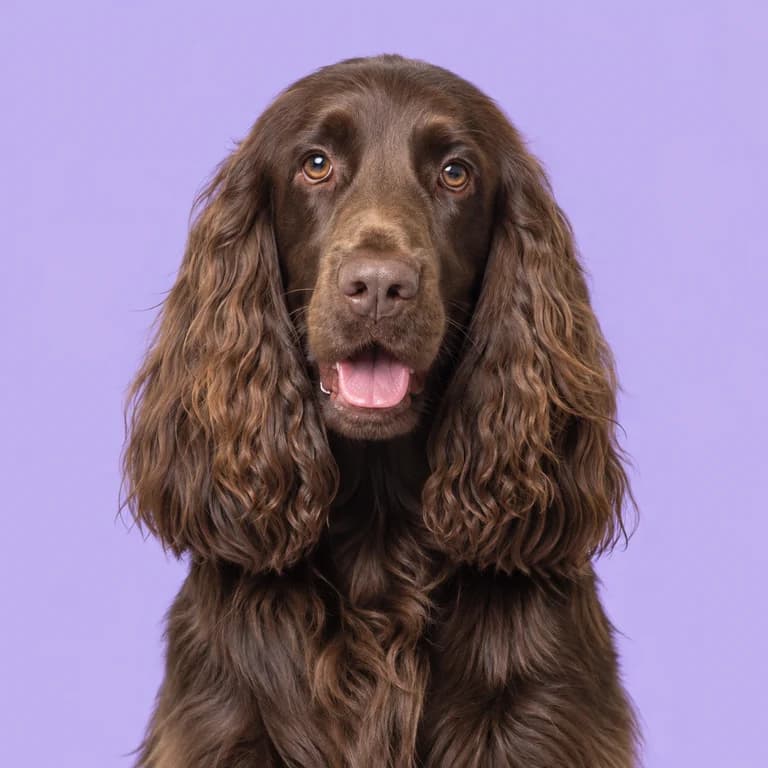
Field Spaniel
16 to 23 kg · 12 to 14 years
A gentle, thoughtful spaniel that nearly disappeared after the Second World War and was rebuilt from a handful of dogs.

Sporting group
German Shorthaired Pointer
20 to 32 kg · 12 to 14 years
A lean German gundog built to point, retrieve and track all day, then ask what comes next.
Sporting group
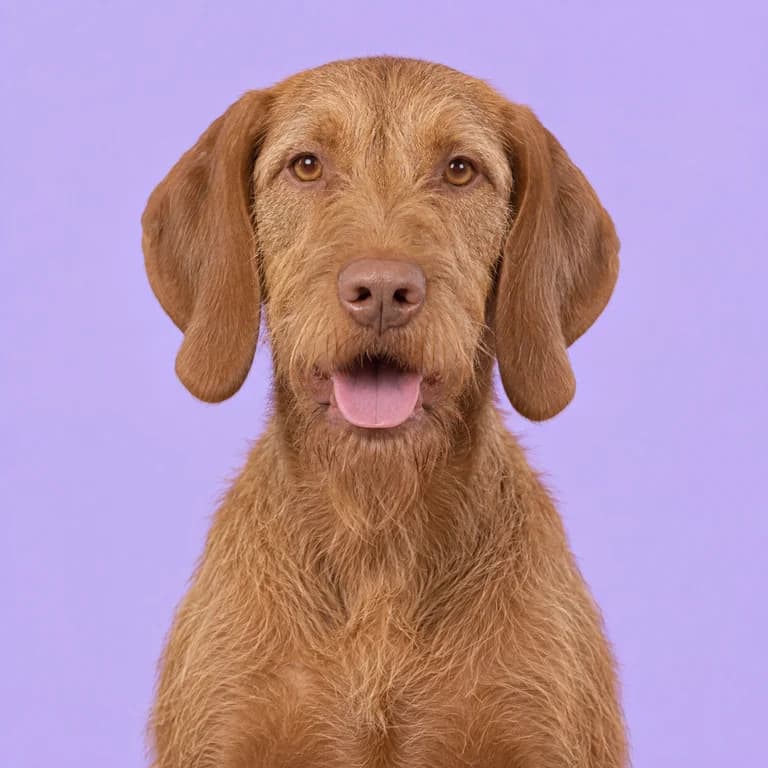
Wirehaired Vizsla
20 to 30 kg · 12 to 14 years
A Hungarian gun dog with a weatherproof beard, built to hunt all day in cold water and thick cover.
Working group
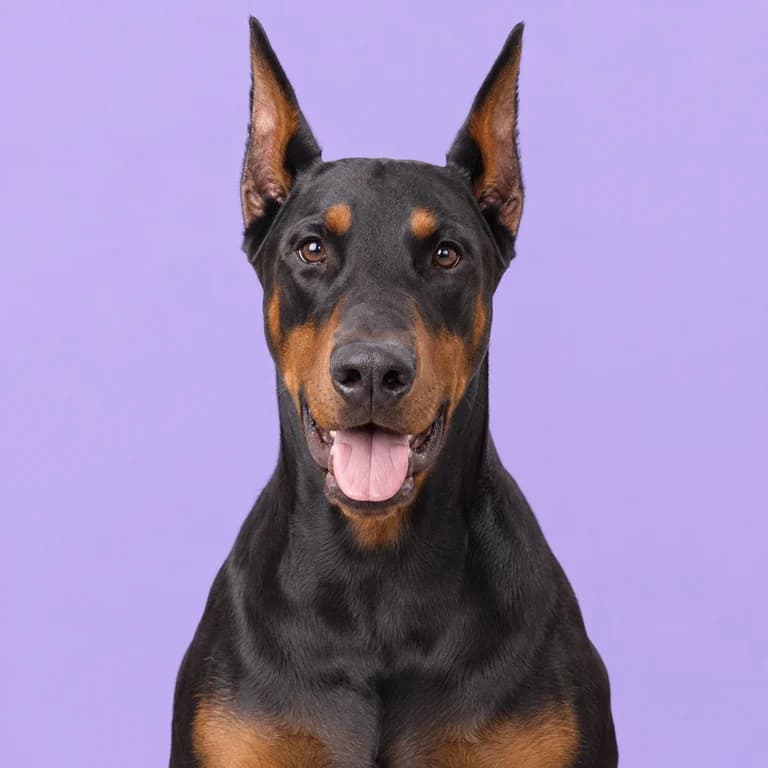
Doberman Pinscher
32 to 45 kg · 10 to 12 years
A sleek guardian with a watchful mind that becomes surprisingly soft and clingy with its own people.

Herding group
Czechoslovakian Wolfdog
20 to 35 kg · 12 to 15 years
A Cold War border experiment that produced a dog with a wolf's look, a wolf's stamina and a mind of its own.