Sources for this article
Sporting group · Scotland
Gordon Setter
Also called Gordon, Black and Tan Setter, Gordon Castle Setter
The heaviest and most thoughtful of the setters, shaped by a Scottish duke for long days on grouse moors.
The Gordon Setter was refined at Gordon Castle in Scotland to find game birds over rough ground. It has more bone and a steadier, more deliberate style than the Irish or English Setter. Affectionate and lively, it is a wonderful companion for active households who can give it space to run and time to mature.
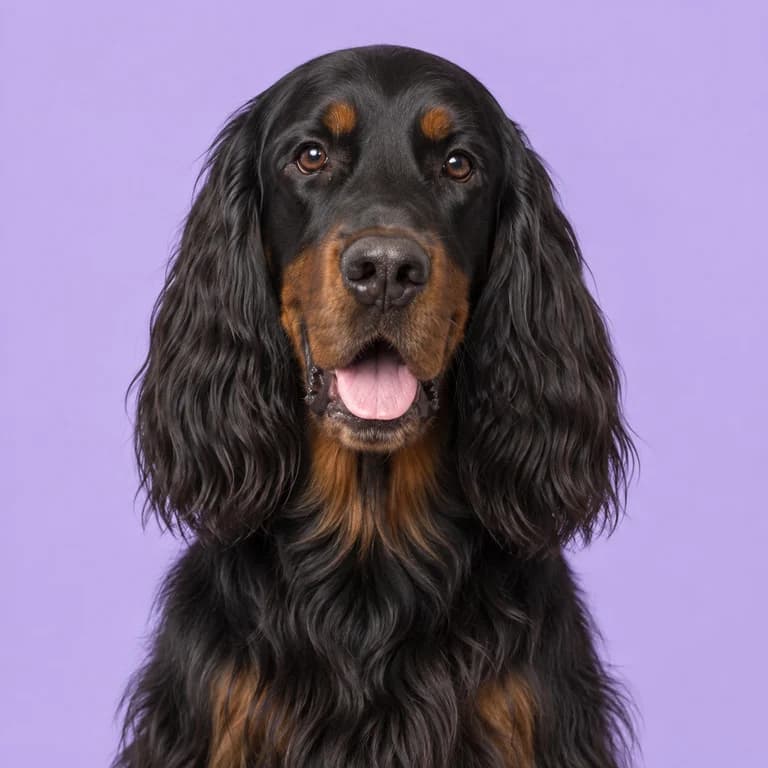
Original AI-generated breed illustration
Weight
20 to 36 kg
44 to 79 lb
Height
58 to 69 cm
at the shoulder
Life expectancy
10 to 12 yrs
Activity estimate
90 to 120 min
editorial daily planning range
Adult-size estimate
24 months
approximate model input
Life with a Gordon Setter
At Gordon Castle in the Scottish Highlands, the 4th Duke of Gordon kept a kennel of black and tan setters in the late 18th century. These dogs were valued for their stamina, nose and ability to work in rough terrain. Other breeders were already keeping black and tan setters before him, and the breed was later named after the castle and the Duke, who is often credited with shaping and popularizing it. The Duke is said to have introduced collie blood for brains, a story that is repeated often but is hard to prove.
Gordons were bred for hunters on foot rather than on horseback, so they tend to work a little closer and at a steadier pace than some other setters. They were prized for finding grouse and holding a firm point until the hunter arrived. This background still shapes their personality: a Gordon is enthusiastic in the field but thoughtful, and often decides for itself whether a command is worth obeying.
At home, Gordons are loyal and affectionate and often attach closely to their family. They can be reserved with strangers compared with the more outgoing Irish Setter. Many make good watchdogs, barking to announce visitors but relaxing once introduced.
A great match for
- active families with space
- hikers and runners
- cooler climates
- owners who enjoy grooming
Think twice if
- long adolescence
- needs lots of running
- coat needs regular brushing
- can be stubborn or selective in obedience
Personality and needs at a glance
Living together
Good with children
Good with other dogs
Open with strangers
Apartment friendly
Copes with alone time
Energy and character
Energy level
Playfulness
Easy to train
Barking
5 means very vocal
Care and climate
Grooming needs
Shedding
Drooling
Handles cold
Handles heat
How much a Gordon Setter eats
Illustrative calculations for neutered adults at midpoint breed weights, with food at 370 kcal per 100 g and 100 g per cup. These are not measured breed requirements. Use actual weight, the food label and veterinary body-condition advice.
| Dog | Weight | Calories | Dry food |
|---|---|---|---|
| Female, relaxed lifestyle | 26 kg | 1130 kcal | 305 g (3 cups) |
| Female, typical pet | 26 kg | 1290 kcal | 350 g (3.5 cups) |
| Male, typical pet | 31 kg | 1450 kcal | 395 g (4 cups) |
| Male, very active | 31 kg | 1820 kcal | 490 g (5 cups) |
Care guides for the Gordon Setter
Things owners are often surprised by
- 1Associated with Alexander Gordon, the 4th Duke of Gordon, who kept setters at Gordon Castle in the late 1700s
- 2Black and tan is the only accepted color in the breed standard
- 3Tan points include a mark above each eye, on the muzzle, chest and legs
- 4Slow to mature, many Gordons stay puppyish until 3 years of age
- 5Bred to hunt independently over large areas of Scottish moorland
Gordon Setter questions
What is the difference between a Gordon Setter and an Irish Setter?
The Gordon is heavier-boned, slightly slower and more deliberate, and always black and tan. The Irish Setter is red, lighter in build and often more exuberant with strangers. Both are lively bird dogs needing plenty of exercise, but Gordons can be more reserved and mature a little more slowly.
Are Gordon Setters good with children?
Many are gentle and playful with children, especially if raised with them. Their size and bounce can knock over toddlers, so supervision and teaching both dog and child good manners are important. Older children who enjoy outdoor activities often make great companions for a Gordon.
Do Gordon Setters need to hunt?
They do not need to hunt to be happy, but they do need outlets for their instincts. Scent games, retrieving, long walks and field training all help. Many Gordons thrive in activities like tracking or gundog training classes, even if they never go out on a real shoot.
Why is my Gordon Setter so slow to mature?
The breed is known for long adolescence, often behaving like a puppy until 2 to 3 years old. This is normal and reflects the breed's development. Keep training consistent, use positive methods and allow time. Many owners find that patience pays off with a steady, reliable adult dog.
Do Gordon Setters shed a lot?
They shed moderately, with heavier sheds in spring and autumn. Brushing two or three times a week keeps loose hair under control and prevents tangles. Their feathering can pick up burrs and debris, so regular grooming is part of owning a Gordon.
Popular answers for owners
- How much to feedMy dog's weight loss has stalled, what should I change?
- Exercise and playCan jumping off furniture hurt a puppy's growth plates?
- Exercise and playCan all dogs swim naturally?
- Bowls and feeding gearShould large breed dogs use raised feeders?
- Bowls and feeding gearDo slow feeder bowls wear down a dog's front teeth?
- Puppy feeding and growthHow much should a 14 week old puppy eat?
Breeds you might compare
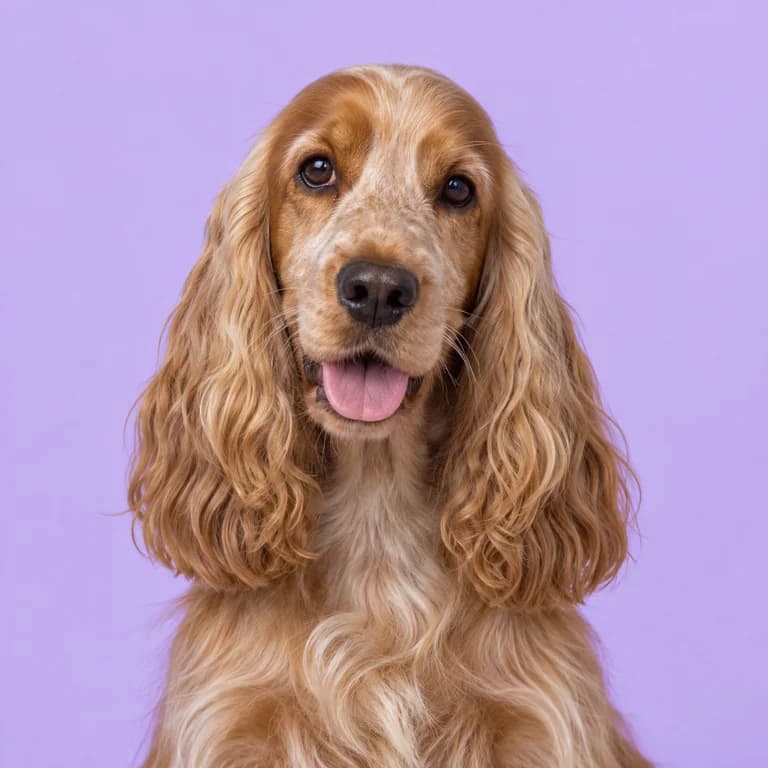
Sporting group
English Cocker Spaniel
12 to 15 kg · 12 to 14 years
A merry, tail-going gundog that wants to be busy with you, whether that means flushing pheasants or carrying slippers.
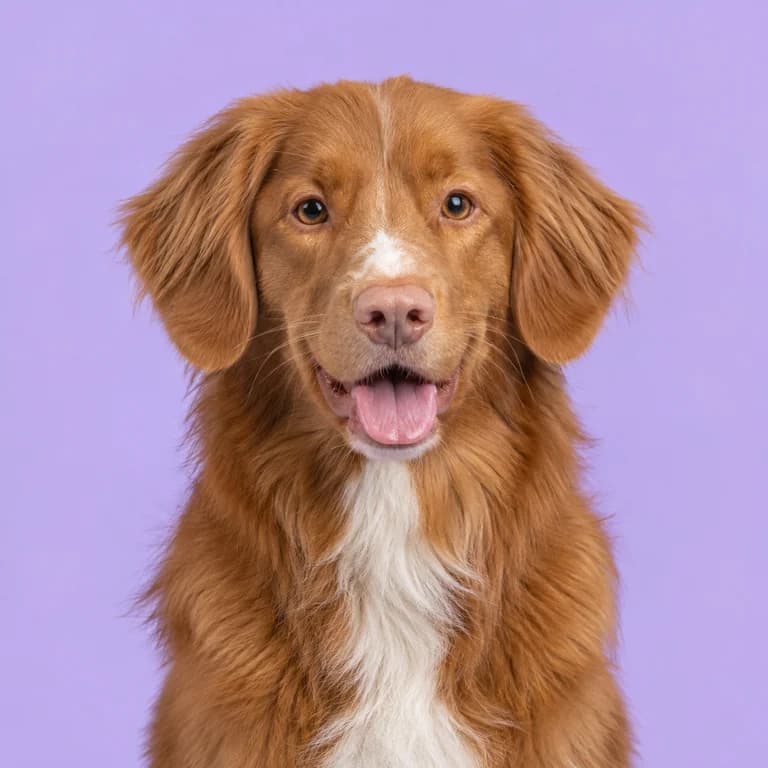
Sporting group
Nova Scotia Duck Tolling Retriever
17 to 23 kg · 12 to 14 years
The smallest retriever, bred to play along the shoreline until curious ducks swam close enough to shoot.
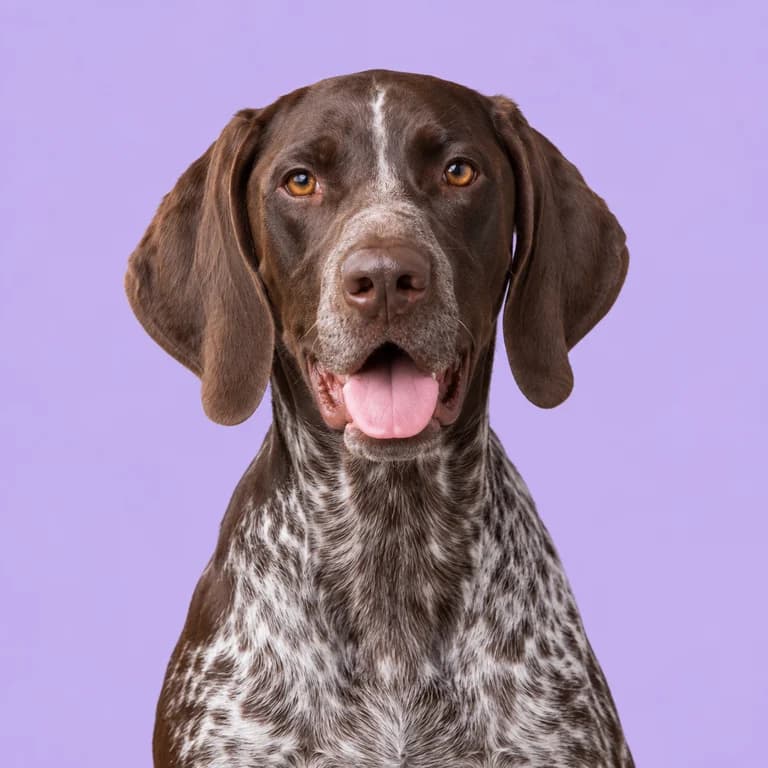
Sporting group
German Shorthaired Pointer
20 to 32 kg · 12 to 14 years
A lean German gundog built to point, retrieve and track all day, then ask what comes next.
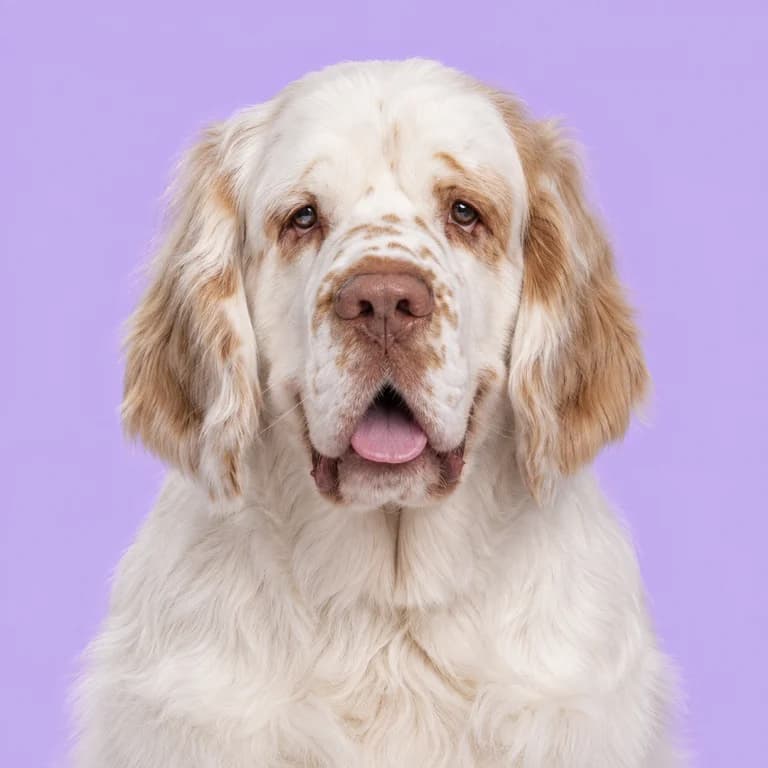
Sporting group
Clumber Spaniel
25 to 39 kg · 10 to 12 years
A heavy, low-slung spaniel with a rolling walk, a gentle soul and no interest in rushing anything.
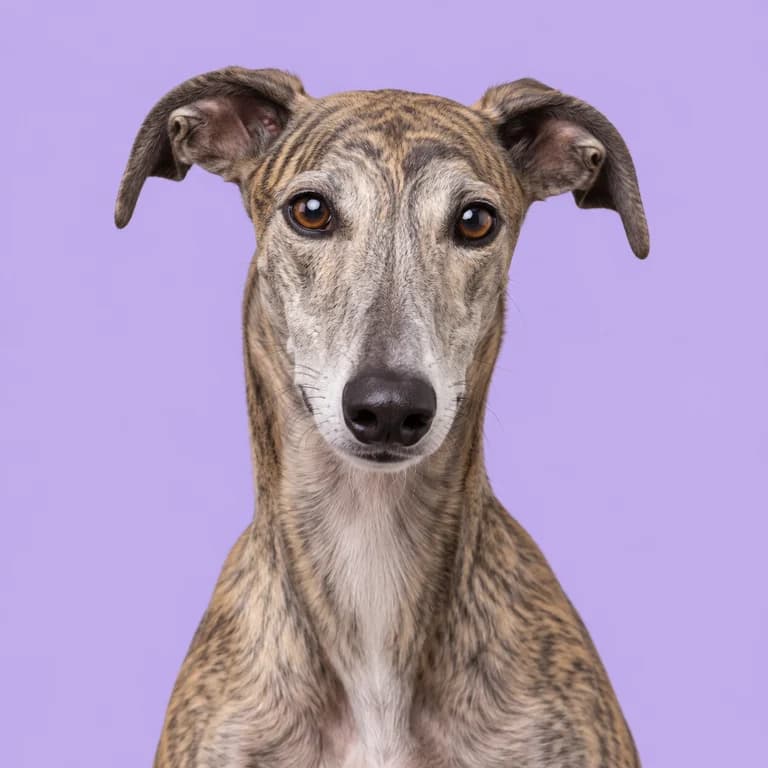
Hound group
Greyhound
25 to 34 kg · 10 to 14 years
A sprinter capable of about 70 km/h (43 mph) that spends most of its day asleep upside down.
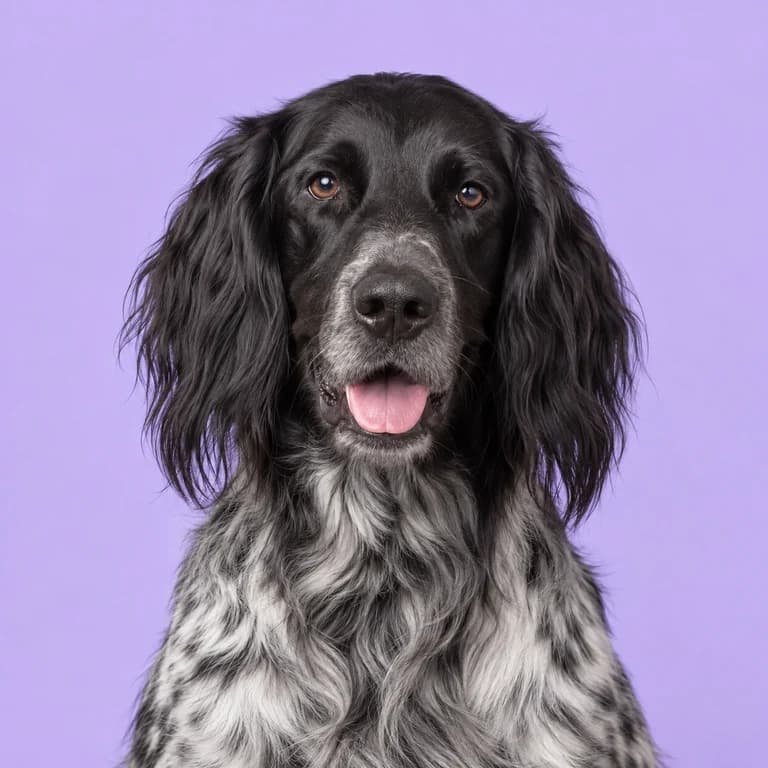
Sporting group
Large Munsterlander
25 to 32 kg · 11 to 13 years
A black and white German gundog that hunts, points and retrieves, then wants to do it all again.