Sources for this article
Sporting group · England
English Pointer
Also called Pointer
An athlete sculpted for speed across open moorland, with a statue-still point that stops people mid-conversation.
Britain's great bird-finding specialist, the English Pointer was refined to race across fields, locate game birds by scent and freeze in a rigid point until the hunter arrived. It is gentle, friendly and easy to groom, but its engine is enormous. A Pointer without hours of running each week is a frustrated dog.
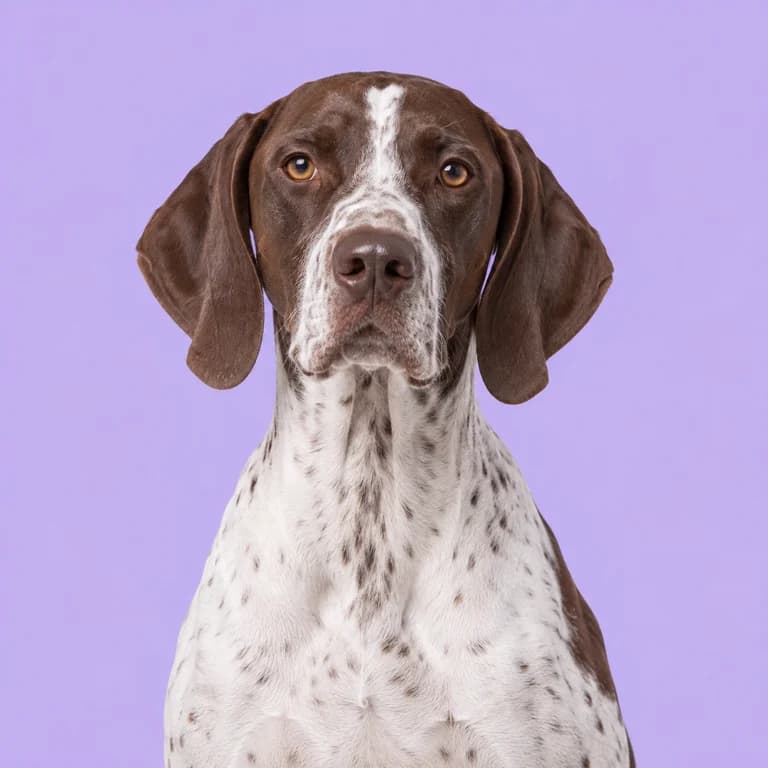
Original AI-generated breed illustration
Weight
20 to 34 kg
44 to 75 lb
Height
61 to 69 cm
at the shoulder
Life expectancy
12 to 15 yrs
Activity estimate
120 to 150 min
editorial daily planning range
Adult-size estimate
18 months
approximate model input
Life with a English Pointer
Watch a Pointer at full stretch across a field and the breed makes immediate sense: long legs, deep chest, clean head and a tail that lashes side to side as it quarters the ground. Then the dog catches a scent and stops so abruptly it looks carved from wood, head and tail in a line, one foreleg often lifted. That frozen point is what 18th-century British sportsmen were breeding for.
Pointing dogs are often said to have reached Britain from Spain and elsewhere in Europe around the late 1600s and early 1700s, and breeders are thought to have crossed them with foxhounds, greyhounds and possibly setters to add speed, stamina and a keener nose. The result was a lean, fast bird dog suited to open moors and big fields, working far ahead of hunters who followed on foot or horseback.
Off duty, Pointers are sweet-natured, gentle and often clownish. Most love people, strangers included, and are generally easygoing with other dogs. They are not guard dogs in any real sense. Once exercised, many are affectionate sofa lovers, stretching out across every cushion and hunting for the warmest spot in the house.
The difficulty is that 'once exercised' carries a lot of weight in that sentence. Field lines in particular have stamina that can outlast a fit human. A Pointer in a home that offers one short walk a day will likely bounce off the walls, empty the kitchen counters and invent its own entertainment. In an active household with space to run, it is a joyful, uncomplicated companion.
What stands out
Exercise
5 to 2 hours of exercise a day for a healthy adult, including genuine running rather than lead walking alone. Good outlets include off-lead running in safe, enclosed spaces, canicross, bikejoring once fully grown, field training and scent games. Many Pointers also love swimming on warm days.
Read the full exercise guideActivity planning estimate
120 to 150 min
editorial estimate, not a prescription
Energy
5 / 5
Playfulness 4 / 5
A great match for
- runners, cyclists and very active households
- people interested in field trials, hunting or canicross
- homes with large, secure gardens
- families with older children
Think twice if
- needs well over an hour of hard running daily
- strong urge to follow scent and chase birds
- feels the cold and needs a coat in winter
- restless and destructive when bored
- counter surfing and food theft
Personality and needs at a glance
Living together
Good with children
Good with other dogs
Open with strangers
Apartment friendly
Copes with alone time
Energy and character
Energy level
Playfulness
Easy to train
Barking
5 means very vocal
Care and climate
Grooming needs
Shedding
Drooling
Handles cold
Handles heat
How much an English Pointer eats
Illustrative calculations for neutered adults at midpoint breed weights, with food at 370 kcal per 100 g and 100 g per cup. These are not measured breed requirements. Use actual weight, the food label and veterinary body-condition advice.
| Dog | Weight | Calories | Dry food |
|---|---|---|---|
| Female, relaxed lifestyle | 25 kg | 1100 kcal | 295 g (3 cups) |
| Female, typical pet | 25 kg | 1250 kcal | 340 g (3.5 cups) |
| Male, typical pet | 30 kg | 1420 kcal | 385 g (3.8 cups) |
| Male, very active | 30 kg | 1770 kcal | 480 g (4.8 cups) |
Care guides for the English Pointer
Things owners are often surprised by
- 1Many puppies show the pointing instinct by 2 to 3 months of age without any training
- 2Ancestry is often credited to Spanish pointers crossed with foxhounds, greyhounds and possibly setters
- 3The logo of the Westminster Kennel Club show in New York features a Pointer
- 4Almost no undercoat, so the breed feels cold and wet weather quickly
- 5Field-bred and show-bred lines can differ noticeably in build and drive
English Pointer questions
Why is my Pointer puppy freezing and staring at birds?
That is the pointing instinct appearing. Many Pointer puppies begin to point at birds, butterflies or even toys by 2 to 3 months of age, and it is not something you need to teach. If you plan to hunt with your dog, a gundog trainer can shape and steady it. If not, it is simply a charming trait to enjoy.
Is an English Pointer the same as a German Shorthaired Pointer?
No. They share a purpose but are separate breeds. The English Pointer is a specialist bird finder built for speed across open ground. The German Shorthaired Pointer is a versatile hunting dog that also retrieves and tracks, with a sturdier build and a slightly denser coat. Temperaments differ too, and the German dog is often more intense indoors.
Do English Pointers get cold easily?
Yes. The short, fine coat has almost no undercoat, so Pointers feel cold and wet weather quickly. Most need a warm, draft-free bed indoors, and many benefit from a dog coat on winter walks, particularly while resting after a run. They should not be kept outside overnight in cold climates. Shivering, curling up tightly or reluctance to walk are signs to warm them up.
Can an English Pointer live with cats?
Many do, especially when raised with cats from puppyhood. Pointers are bird dogs, and their interest in small animals centers on scenting and pointing rather than catching, but chasing still happens. Introduce slowly, supervise early meetings and give the cat escape routes and high perches. Pet birds and backyard poultry are a much bigger challenge.
Why is the breed called Pointer in some places and English Pointer in others?
The official name at most kennel clubs is simply Pointer. English Pointer is widely used in everyday speech, especially in North America, to separate it from the German and other continental pointing breeds. Both names describe exactly the same dog, so you will see them used interchangeably in books, ads and breeder listings.
Popular answers for owners
- Grooming and coatHow do I know if my dog's grooming needs are seasonal or year round?
- Bowls and feeding gearWhat is a puzzle feeder for dogs?
- Exercise and playWhat is the find it game for dogs?
- Grooming and coatWhat's the difference between an undercoat rake and a shedding blade?
- Grooming and coatHow do I get skunk smell out of my dog's coat?
- Grooming and coatHow often should a dog get a professional groom?
Breeds you might compare
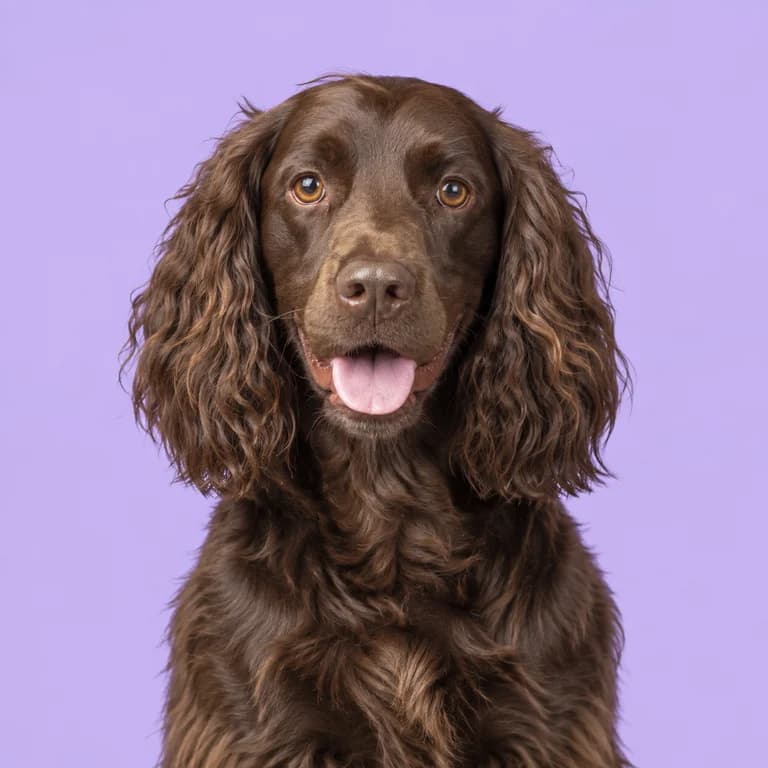
Sporting group
Boykin Spaniel
11 to 18 kg · 12 to 15 years
A compact brown spaniel sized to fit in a small boat, bred in South Carolina swamps for ducks and wild turkey.
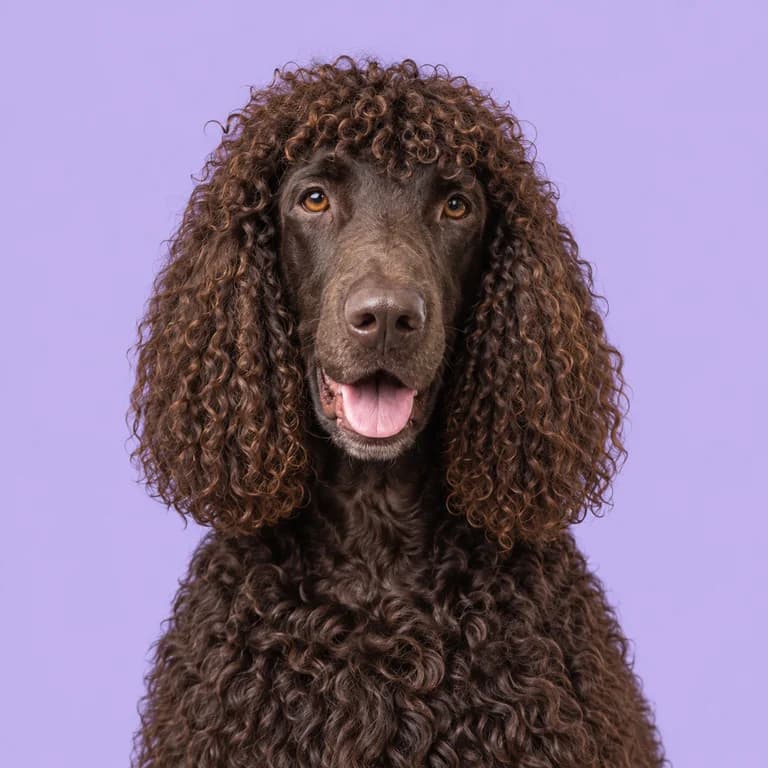
Sporting group
Irish Water Spaniel
20 to 31 kg · 10 to 13 years
The tallest spaniel, dressed in waterproof liver curls and topped with a loose, clownish topknot.

Sporting group
German Wirehaired Pointer
23 to 32 kg · 12 to 14 years
A bearded, weatherproof German hunting dog that thrives with a firm, fair trainer and a real job to do.

Sporting group
German Shorthaired Pointer
20 to 32 kg · 12 to 14 years
A lean German gundog built to point, retrieve and track all day, then ask what comes next.
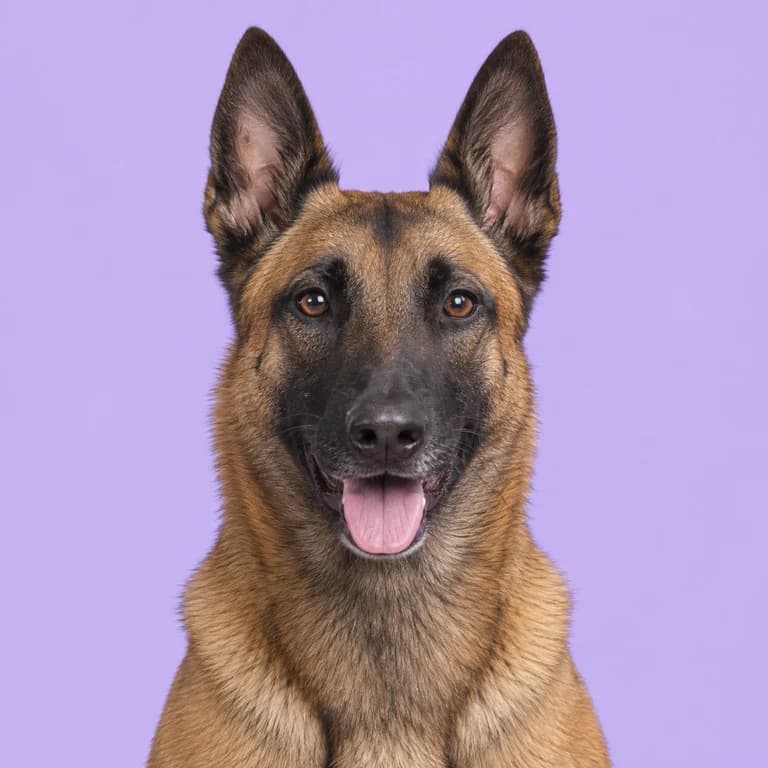
Herding group
Belgian Malinois
20 to 34 kg · 12 to 14 years
A lean Belgian herder turned police partner, built for work at full speed and bored by anything less.
Herding group
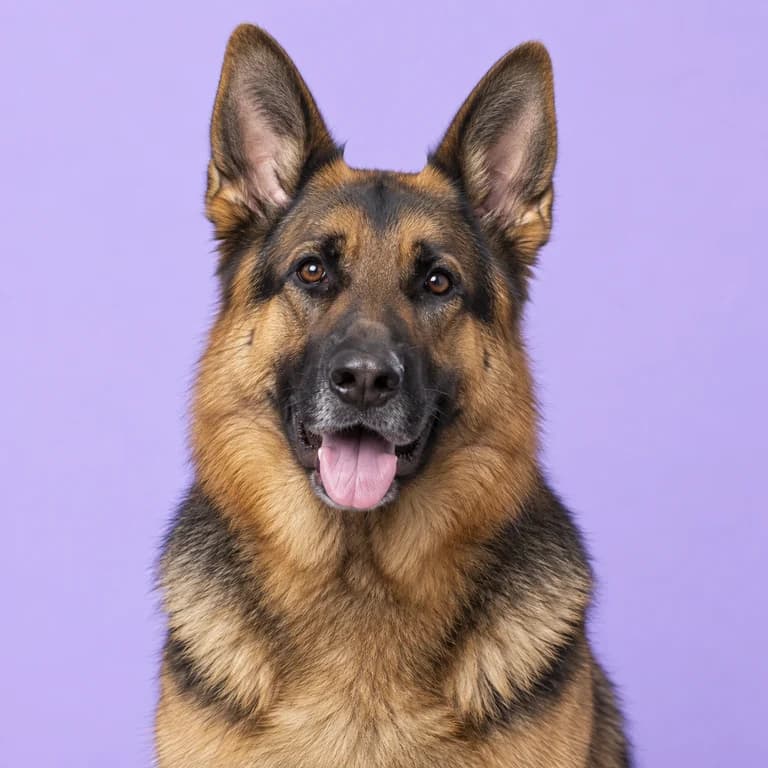
German Shepherd
22 to 40 kg · 9 to 13 years
A working mind in a wolfish frame, bred to take instructions and happiest when it has a job to finish.