Sources for this article
Working group · France and Spain (Pyrenees Mountains)
Great Pyrenees
Also called Pyrenean Mountain Dog, Pyr, Chien de Montagne des Pyrénées
A calm white giant that sleeps through the afternoon and patrols through the night, exactly as it was bred to.
The Great Pyrenees spent centuries guarding sheep from wolves and bears in the mountains between France and Spain, usually with no human nearby. That history gives you a gentle, patient family dog with a mind of its own, a deep bark it likes to use after dark, and a firm belief that fences are suggestions.
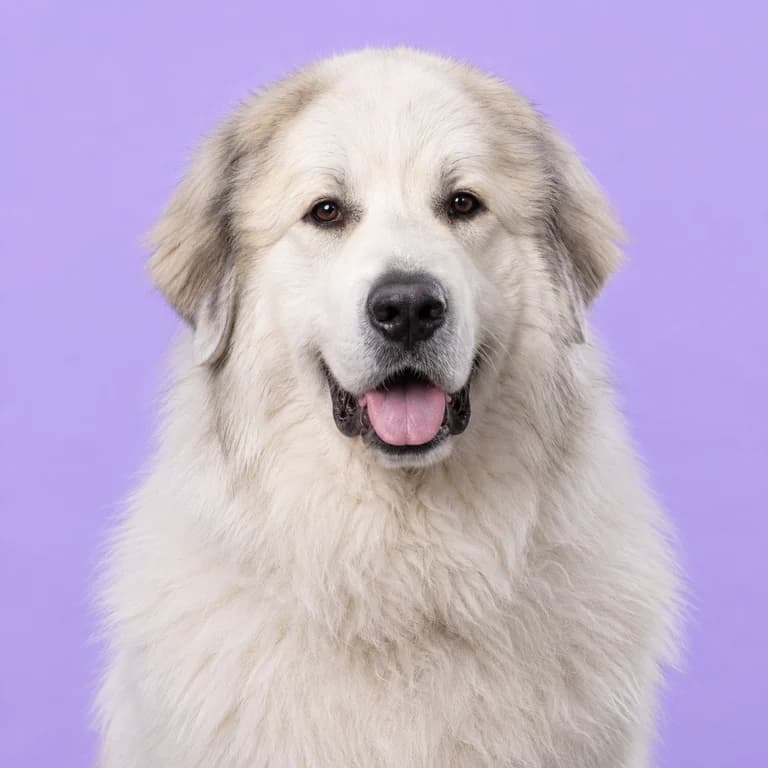
Original AI-generated breed illustration
Weight
38 to 60 kg
84 to 132 lb
Height
64 to 81 cm
at the shoulder
Life expectancy
10 to 12 yrs
Activity estimate
30 to 60 min
editorial daily planning range
Adult-size estimate
24 months
approximate model input
Life with a Great Pyrenees
Guardian first, pet second: understanding that order is the key to living happily with a Great Pyrenees. For centuries, shepherds in the Pyrenees left these big white dogs with their flocks on high summer pastures, sometimes for days. The dog's job was to decide on its own what counted as a threat and to stand its ground against wolves, bears and thieves. A white coat helped shepherds tell their dog from a wolf at a distance.
The breed is often said to have found favor at the French royal court in the 1600s, and it spread to other parts of Europe and to North America over the following centuries. Numbers fell sharply as large predators vanished from the mountains, and enthusiasts in France and elsewhere worked to rebuild the breed in the early 20th century. Today it guards farms around the world and lives in plenty of ordinary homes.
Indoors, an adult Pyr is usually quiet and serene during the day, happy to lie on a cool floor and watch the world. It is gentle and tolerant with its own family, including children and other pets it considers part of its flock. Visitors are observed carefully, and unknown dogs or people who enter the property uninvited may get a very different reception.
What surprises new owners is the mix of calm and stubbornness. A Pyr will listen, consider your request, and then decide whether it is worth doing. It will also bark, loudly and often, at anything it notices after dark. If you can accept a thinking partner rather than an obedient one, and your neighbors can live with a nighttime alarm system, the breed is deeply loyal and easy to love.
What stands out
Training
Great Pyrenees were bred to think for themselves, so classic obedience does not come naturally. They learn cues perfectly well; they simply weigh each one against their own priorities. Keep sessions short and calm, use food rewards, and focus on a small set of essentials: good lead manners, a reliable 'leave it', gentle handling for grooming and vet visits, and coming to you in the house or yard.
Read the full training guideEasy to train
Open with strangers
Good with other dogs
A great match for
- homes with land and secure, high fencing
- owners of small livestock or poultry
- people who want a calm, low-energy adult dog
- cold and temperate climates
Think twice if
- loud, frequent barking, especially at night
- roams through any gap in the fence
- independent and slow to obey
- massive shedding with a yearly coat blow
- rarely reliable off lead
Personality and needs at a glance
Living together
Good with children
Good with other dogs
Open with strangers
Apartment friendly
Copes with alone time
Energy and character
Energy level
Playfulness
Easy to train
Barking
5 means very vocal
Care and climate
Grooming needs
Shedding
Drooling
Handles cold
Handles heat
How much a Great Pyrenees eats
Illustrative calculations for neutered adults at midpoint breed weights, with food at 370 kcal per 100 g and 100 g per cup. These are not measured breed requirements. Use actual weight, the food label and veterinary body-condition advice.
| Dog | Weight | Calories | Dry food |
|---|---|---|---|
| Female, relaxed lifestyle | 44 kg | 1670 kcal | 450 g (4.5 cups) |
| Female, typical pet | 44 kg | 1910 kcal | 515 g (5.3 cups) |
| Male, typical pet | 53 kg | 2180 kcal | 590 g (6 cups) |
| Male, very active | 53 kg | 2730 kcal | 740 g (7.5 cups) |
Care guides for the Great Pyrenees
Things owners are often surprised by
- 1Has double dewclaws on each hind leg, a feature the breed standard expects
- 2Traditionally worked alone with the flock rather than taking commands from a shepherd
- 3Most active and vocal at dusk and overnight, when predators historically hunted
- 4Faint badger or tan markings, usually on the ears and head, often fade with age
- 5Said to have become a fashionable court dog in 17th-century France
- 6Males commonly exceed 45 kg (100 lb) and 70 cm (27.5 in) at the shoulder
Great Pyrenees questions
Why does my Great Pyrenees bark all night?
Night barking is built into the breed. Flock guardians historically worked hardest after dark, when predators hunted, and a Pyr barks to warn intruders away rather than to alert you. You can reduce it by keeping the dog indoors overnight, covering windows that face a street, and giving it a quiet, secure room to sleep in. You are unlikely to stop it completely.
What are the double dewclaws on a Great Pyrenees for?
The breed has two dewclaws on each back leg, and the standard expects them. Their original purpose is debated; some suggest they gave extra stability on rough mountain ground. Whatever the reason, they need regular care. Check and trim them with every nail trim, because they don't touch the ground and can grow round into the skin.
Can a Great Pyrenees be off lead?
Very few can be trusted off lead outside a secure fence. The breed's guardian instinct tells it to check the edges of its territory, and that territory keeps growing. A Pyr may walk calmly beside you for weeks, then follow a scent or sound for kilometers. A long line in open areas and tall, solid fencing at home are the safest approach.
Is a Great Pyrenees a good family dog?
For the right family, yes. Pyrs are usually gentle and patient with the children in their household and protective of them. Their size means they can knock small children over by accident, and their guarding instinct means visiting friends should be introduced calmly. Families who can manage barking, shedding and a dog that doesn't always obey tend to adore them.
Do Great Pyrenees cope with hot weather?
They cope, but they are built for cold. A well-brushed double coat actually insulates against heat, so shaving is not the answer. Provide shade, cool floors and plenty of water, and exercise only in the coolest hours. Watch for heavy panting, bright red gums or weakness, and call a vet at once if you see them.
Popular answers for owners
- Grooming and coatHow do I groom a senior dog that struggles to stand for long periods?
- Grooming and coatHow do you care for a corded coat like a Puli's?
- Puppy feeding and growthWhat makes large breed puppy food different from regular puppy food?
- Grooming and coatHow do I dry my dog after a bath?
- Bowls and feeding gearDo small breeds need smaller bowls?
- Puppy feeding and growthHow much should an 8 week old puppy eat?
Breeds you might compare
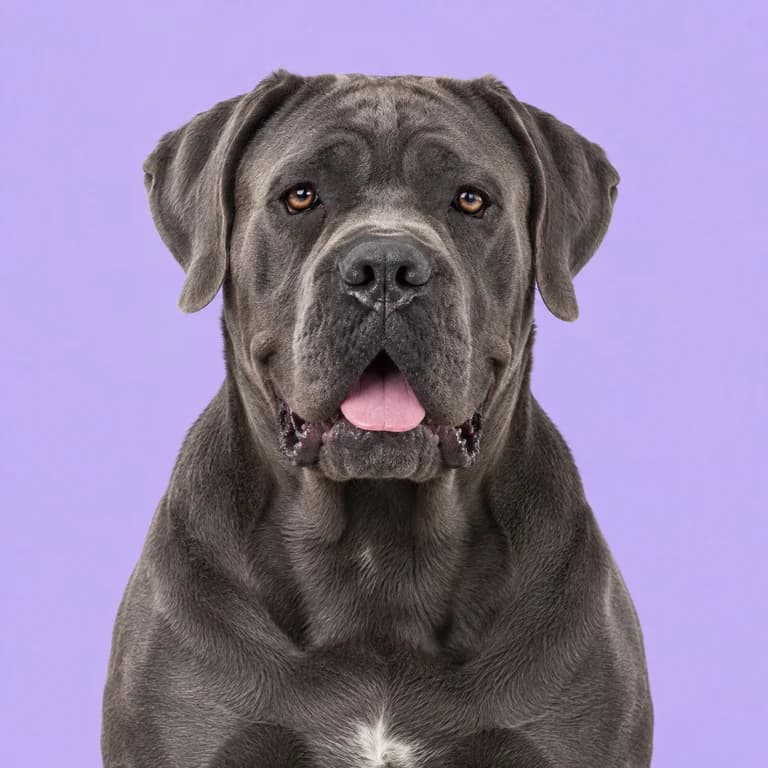
Working group
Cane Corso
40 to 50 kg · 9 to 12 years
A quiet, watchful Italian guardian that bonds deeply with its own people and needs a calm, consistent handler.
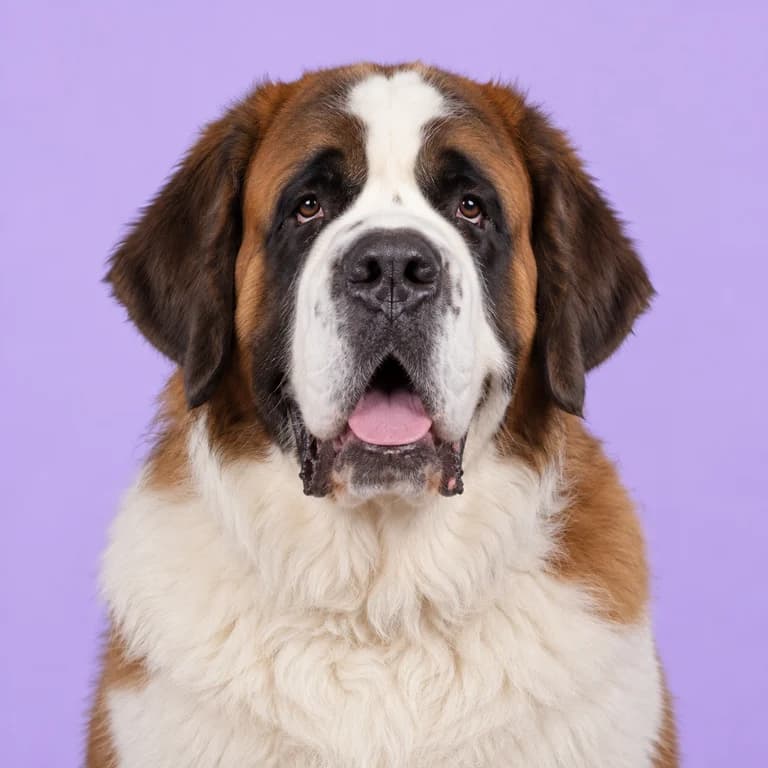
Working group
Saint Bernard
54 to 82 kg · 8 to 10 years
A gentle mountain giant whose size, drool and cold-weather coat shape every part of daily life.
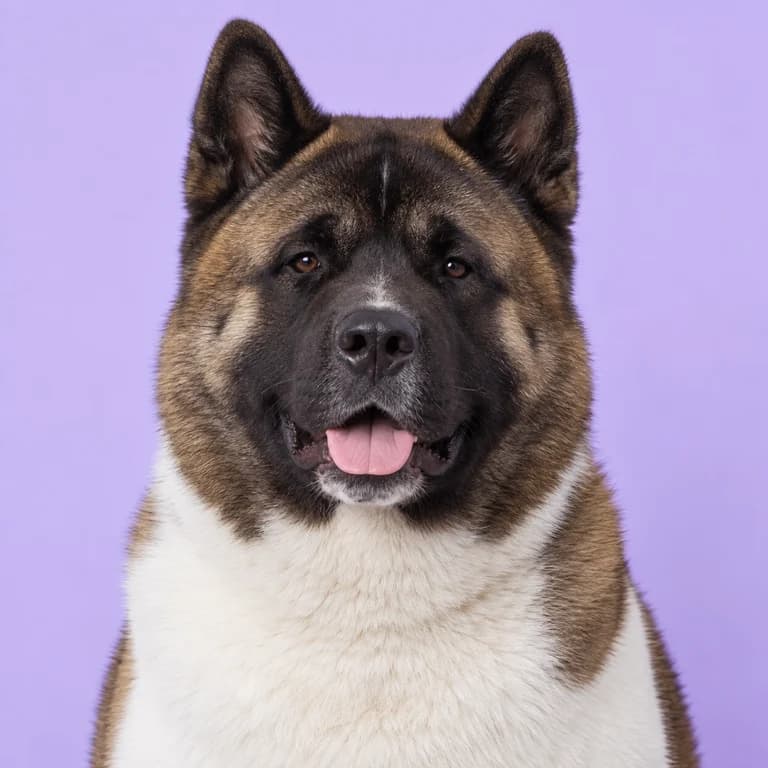
Working group
Akita
32 to 59 kg · 10 to 12 years
Dignified, quiet and fiercely loyal, the Akita adores its family and has little interest in anyone else.
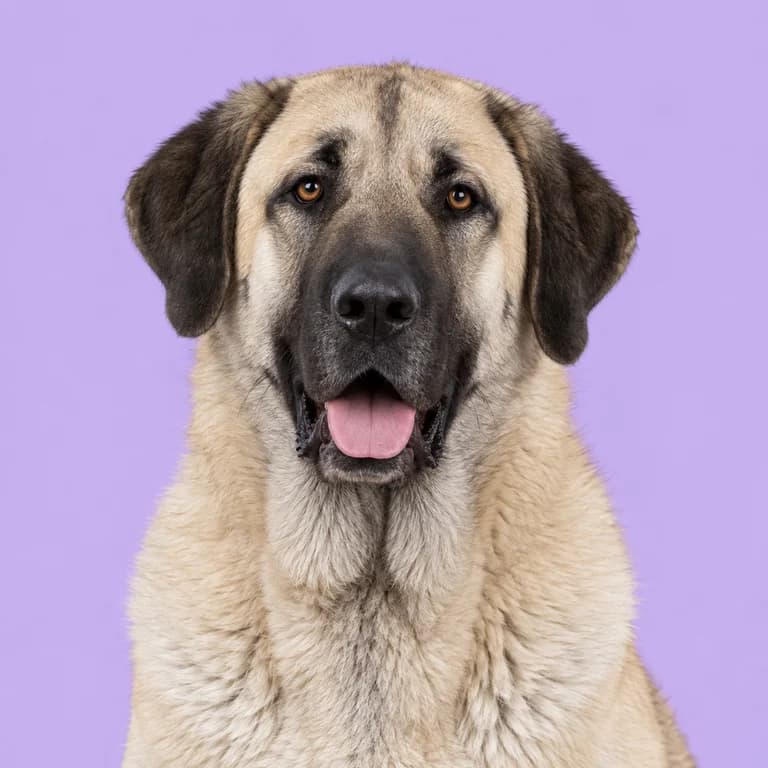
Working group
Anatolian Shepherd
40 to 65 kg · 11 to 13 years
An ancient Turkish flock guardian built for heat, distance and decisions, and quite happy to make them without you.
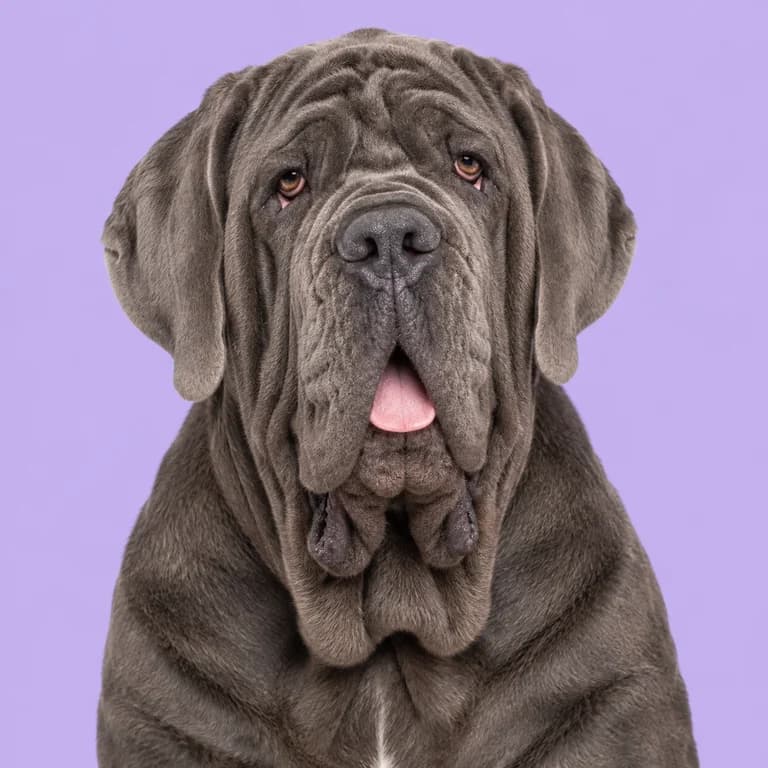
Working group
Neapolitan Mastiff
50 to 70 kg · 7 to 9 years
A slow-moving mountain of wrinkles from southern Italy whose sheer bulk is its main line of defense.
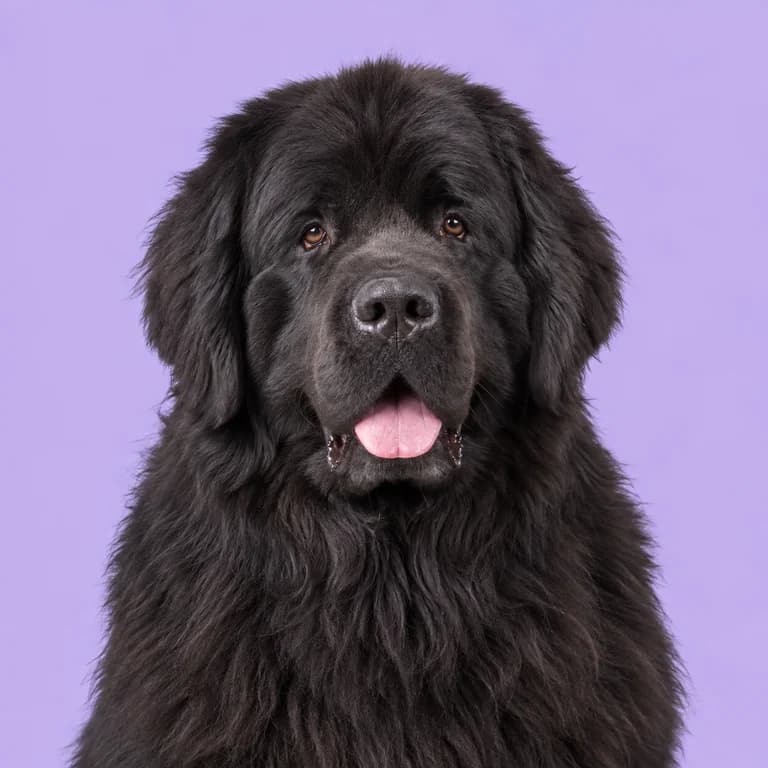
Working group
Newfoundland
45 to 70 kg · 8 to 10 years
A gentle giant with webbed feet, a lifesaving instinct in water and a drool towel never far away.