Sources for this article
Working group · Japan
Akita
Also called American Akita, Great Japanese Dog
Dignified, quiet and fiercely loyal, the Akita adores its family and has little interest in anyone else.
Bred in the mountains of northern Japan to hold bear and boar at bay, the Akita is a large, powerful spitz prized for loyalty and calm dignity. Affectionate at home but reserved with outsiders and often intolerant of other dogs, it rewards experienced owners and challenges everyone else.
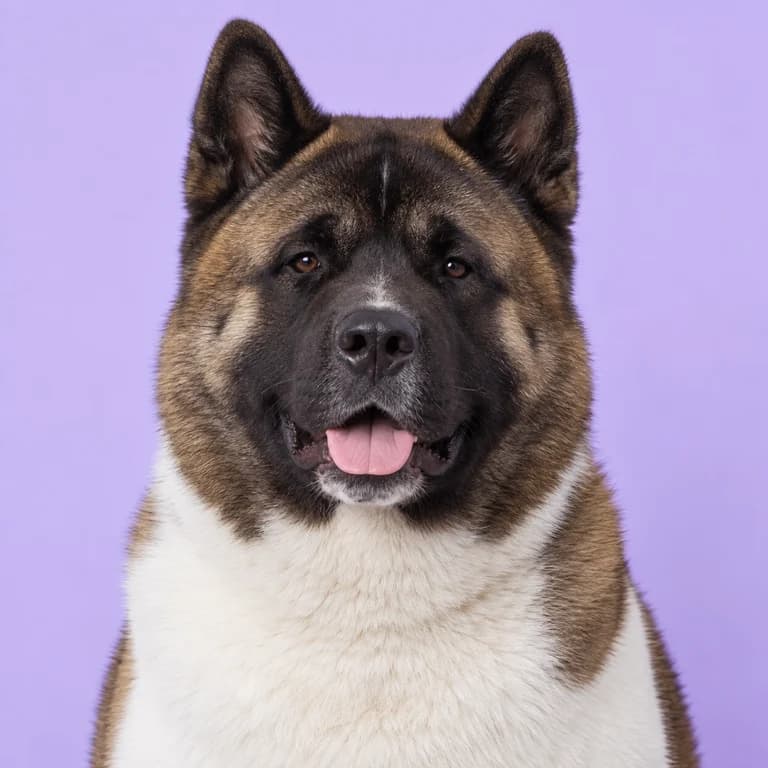
Original AI-generated breed illustration
Weight
32 to 59 kg
70 to 130 lb
Height
61 to 71 cm
at the shoulder
Life expectancy
10 to 12 yrs
Activity estimate
60 to 90 min
editorial daily planning range
Adult-size estimate
24 months
approximate model input
Life with a Akita
Akitas come from the mountainous north of Honshu, where hunters called matagi used large spitz dogs to hold boar, deer and even bears at bay until the men arrived. In the late 1800s dog fighting became popular in the region, and some Akitas were crossed with Tosas and European breeds to make them bigger. By the 1920s Japanese enthusiasts were working to restore the original type, and in 1931 the Akita was named one of the country's natural monuments.
After the Second World War, American servicemen took home larger, heavier Akitas, and those dogs became the foundation of the American line. In the UK and FCI countries that dog is now shown as the Akita or American Akita, while the lighter, fox-faced dogs bred in Japan form a separate breed, the Japanese Akita Inu. The two share a temperament, and most advice on this page applies to both.
At home an Akita is calm, clean and quietly affectionate. It rarely barks without reason, tends to follow its family from room to room, and may greet you by gently taking your wrist in its mouth, a well-known breed habit. With strangers it stays aloof, and many adults will not accept unfamiliar dogs at all. This is not a dog for the dog park; it is a dog for owners who want a devoted, dignified shadow and are prepared to manage it carefully.
What stands out
Training
Akitas are smart but independent, and they tend to ask why before doing what you ask. Repetitive drills bore them quickly, so keep sessions short, reward generously with high-value food and stop while your dog is still interested. Harsh methods tend to provoke resistance or defensive behavior in this breed.
Read the full training guideEasy to train
Open with strangers
Good with other dogs
A great match for
- experienced owners of large, independent breeds
- single-dog households
- cool climates
- people wanting a quiet, dignified companion
Think twice if
- aggression toward other dogs, especially of the same sex
- very strong prey drive toward cats and small animals
- massive twice-yearly coat blow
- stubborn, independent attitude to training
- possessiveness over food and toys
Personality and needs at a glance
Living together
Good with children
Good with other dogs
Open with strangers
Apartment friendly
Copes with alone time
Energy and character
Energy level
Playfulness
Easy to train
Barking
5 means very vocal
Care and climate
Grooming needs
Shedding
Drooling
Handles cold
Handles heat
How much an Akita eats
Illustrative calculations for neutered adults at midpoint breed weights, with food at 370 kcal per 100 g and 100 g per cup. These are not measured breed requirements. Use actual weight, the food label and veterinary body-condition advice.
| Dog | Weight | Calories | Dry food |
|---|---|---|---|
| Female, relaxed lifestyle | 39 kg | 1510 kcal | 410 g (4 cups) |
| Female, typical pet | 39 kg | 1730 kcal | 470 g (4.8 cups) |
| Male, typical pet | 52 kg | 2170 kcal | 585 g (5.8 cups) |
| Male, very active | 52 kg | 2710 kcal | 735 g (7.3 cups) |
Care guides for the Akita
Things owners are often surprised by
- 1Named after Akita Prefecture on the island of Honshu, where it hunted boar, deer and bear
- 2Declared a natural monument of Japan in 1931
- 3Hachikō, an Akita who met the same train at Tokyo's Shibuya Station for almost ten years after his owner died, has a bronze statue there
- 4Helen Keller brought one of the first Akitas to the United States in 1937
- 5The UK and FCI treat the heavier American Akita and the lighter Japanese Akita Inu as two separate breeds
- 6Many groom themselves like cats and are unusually clean indoors
Akita questions
What is the difference between an Akita and a Japanese Akita Inu?
Both come from the same Japanese roots, but after 1945 the lines split. The American type, simply called Akita in the US, is larger and heavier, with a broad, bear-like head and any coat color. The Japanese Akita Inu is lighter, with a narrower, fox-like face and only red fawn, sesame, brindle or white. UK and FCI registries treat them as separate breeds.
Can an Akita live with other dogs?
Some can, most often with a single dog of the opposite sex raised alongside them from puppyhood. Same-sex aggression is well documented in the breed and can appear in adolescence even in dogs that were friendly as puppies. Many experienced owners keep an Akita as the only dog. If you do add a second dog, supervise closely and always feed them apart.
Why does my Akita hold my wrist in its mouth?
Gently mouthing a hand or wrist is a classic Akita habit. It is usually a greeting or a way of leading you somewhere, not aggression. Many Akitas also carry shoes, leads or toys around the house. If the mouthing gets too firm, calmly end the interaction and reward a softer greeting, such as sitting, so your dog learns what you prefer.
Are Akitas good family dogs?
They can be affectionate and protective with the children they live with, and many are patient with gentle kids. They may not tolerate visiting children's rough play or shouting, though, and their size makes accidents easy. Families with older, calm children and at least one adult experienced with powerful breeds tend to do best.
Do Akitas bark a lot?
No. The breed is known for being quiet and usually barks only when something is genuinely wrong, which is one reason people take it seriously when it does. Akitas make plenty of other noises, though, including grumbles, groans and a kind of mumbling talk aimed at their owners, which many people find endearing.
Is the Hachikō story true?
Yes. Hachikō was an Akita who met his owner, a university professor, at Shibuya Station in Tokyo at the end of each day. After the professor died suddenly in 1925, Hachikō kept returning to the station at the same hour for almost ten years, until his own death in 1935. A bronze statue of him stands outside the station and is a popular meeting point.
Popular answers for owners
- Puppy feeding and growthWhy is my puppy always hungry after eating?
- Grooming and coatWhat shampoo should I use for a dog with dry skin?
- Puppy feeding and growthWhat happens if I switch my puppy to adult food too early?
- Grooming and coatCan I groom my dog myself instead of using a groomer?
- Exercise and playCan all dogs swim naturally?
- How much to feedHow much should I feed a very active or athletic dog?
Breeds you might compare
Working group
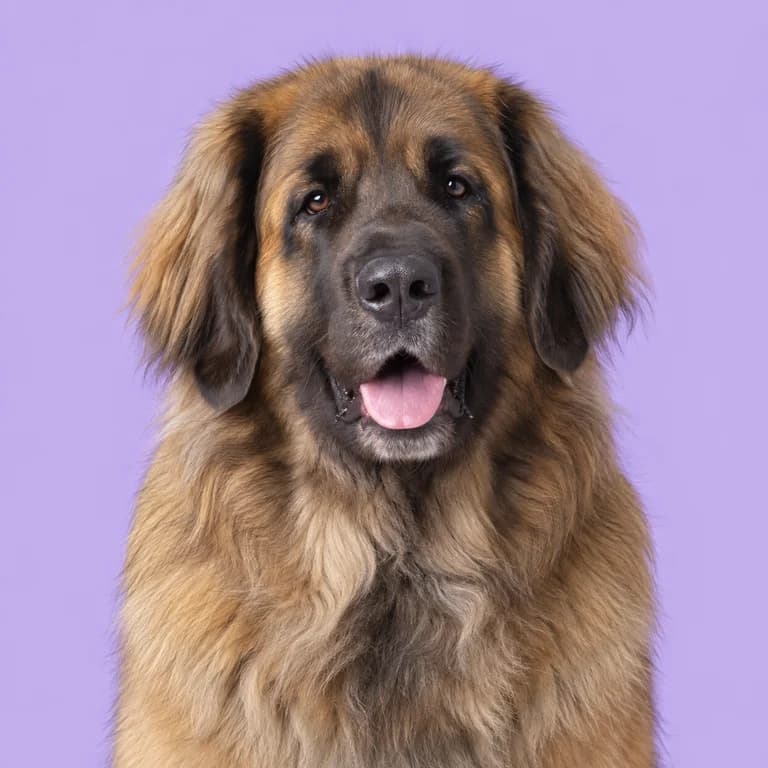
Leonberger
41 to 77 kg · 7 to 9 years
Named for a lion and built like a bear, the Leonberger fills any room, then settles quietly into it.
Working group
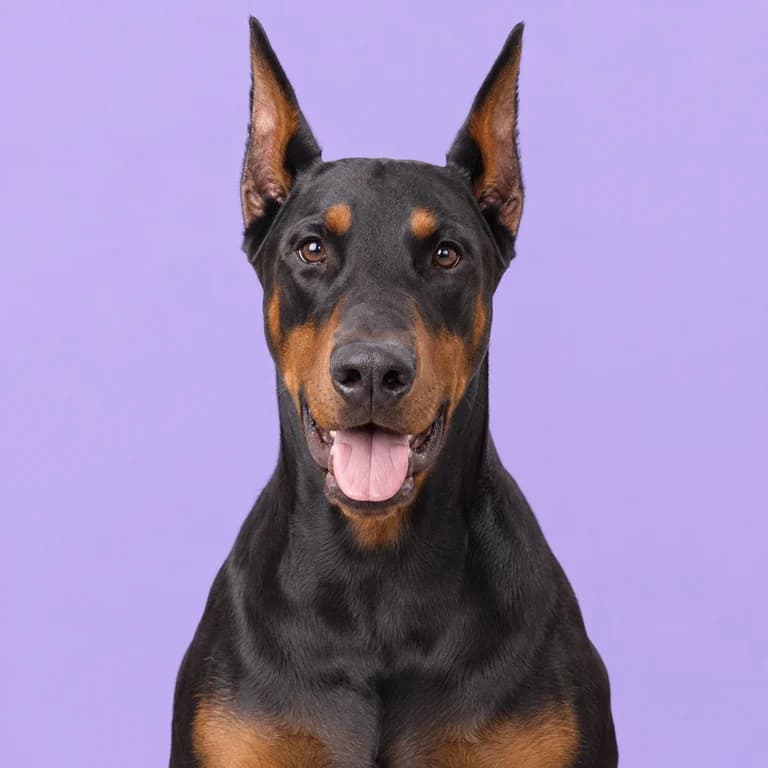
Doberman Pinscher
32 to 45 kg · 10 to 12 years
A sleek guardian with a watchful mind that becomes surprisingly soft and clingy with its own people.
Working group
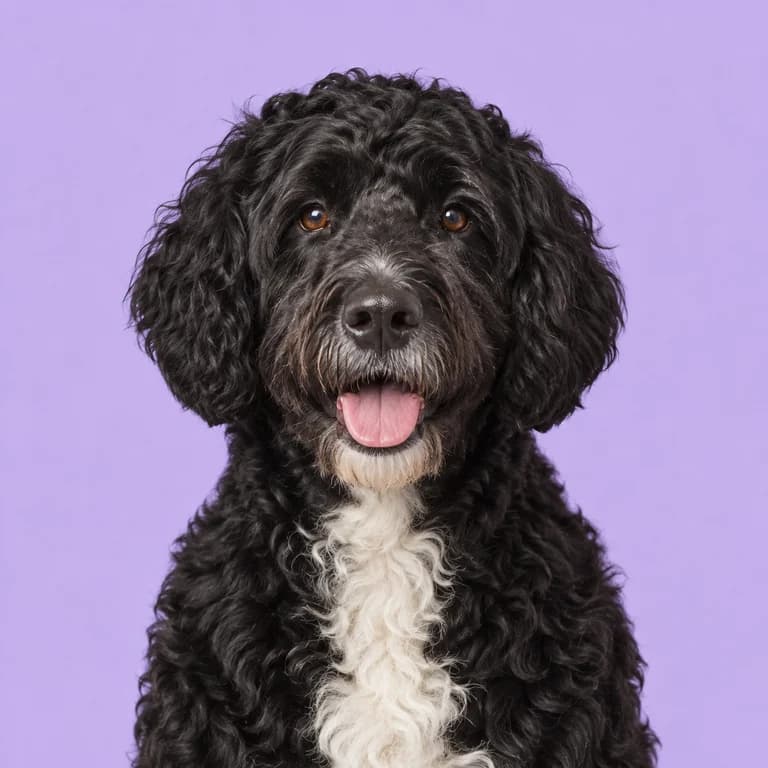
Portuguese Water Dog
16 to 27 kg · 11 to 13 years
A fisherman's crew member from the Algarve, with webbed feet, a rudder tail and a talent for boats.
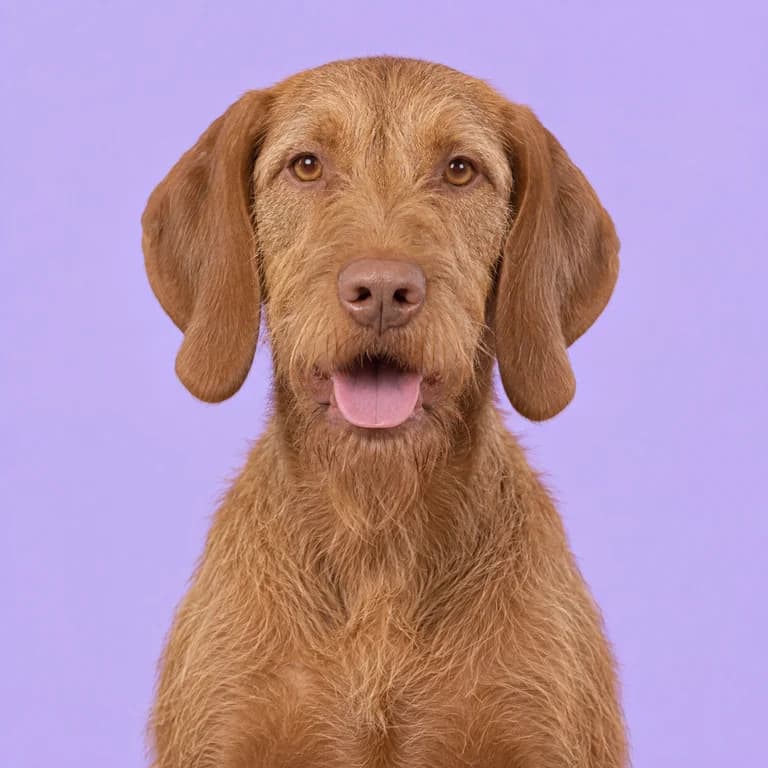
Sporting group
Wirehaired Vizsla
20 to 30 kg · 12 to 14 years
A Hungarian gun dog with a weatherproof beard, built to hunt all day in cold water and thick cover.
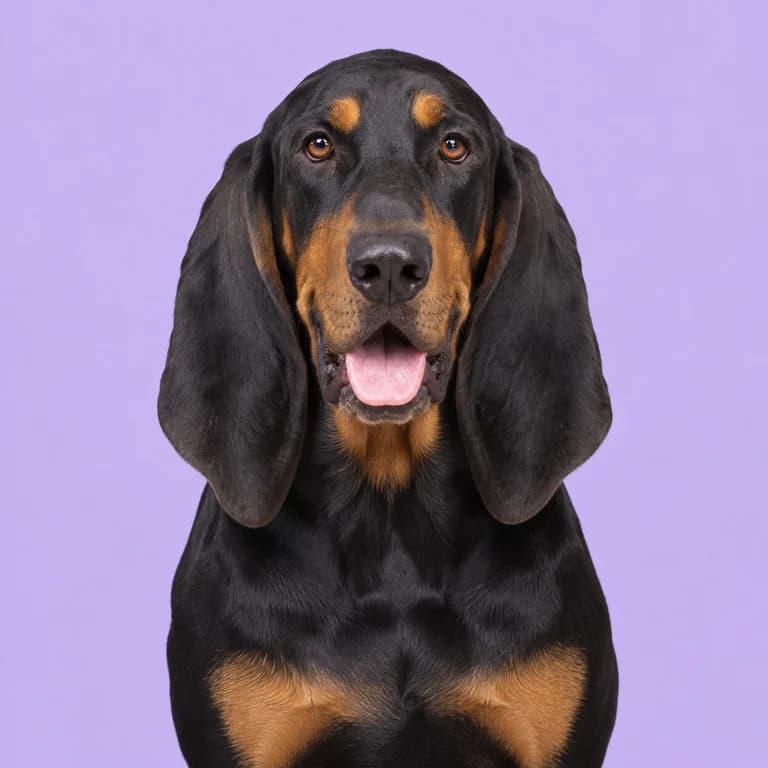
Hound group
Black and Tan Coonhound
25 to 45 kg · 10 to 12 years
Mellow and sociable on the sofa, but outdoors a single raccoon scent turns it into a baying tracker.
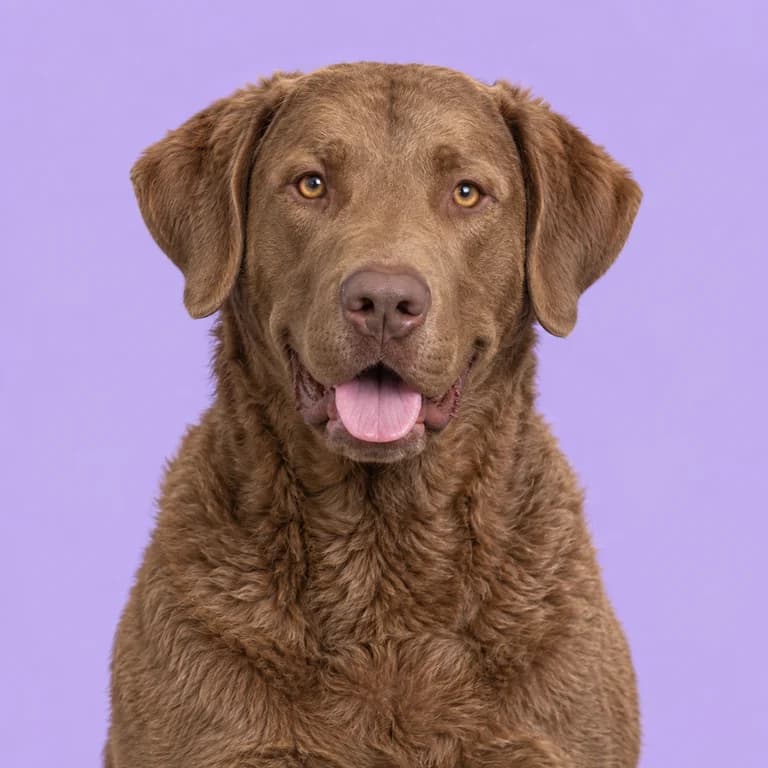
Sporting group
Chesapeake Bay Retriever
25 to 36 kg · 10 to 13 years
An oily-coated ice-water retriever from Maryland with a mind of its own and a strong protective streak.