Sources for this article
Working group · Switzerland
Saint Bernard
Also called St. Bernard, Bernhardiner
A gentle mountain giant whose size, drool and cold-weather coat shape every part of daily life.
The Saint Bernard comes from the Great St Bernard Pass in the Swiss Alps, where monks kept large dogs as guards and guides for travelers. Today it is a calm, kind family dog, but one that can outweigh an adult human, drools heavily and lives a shorter life than most smaller breeds.
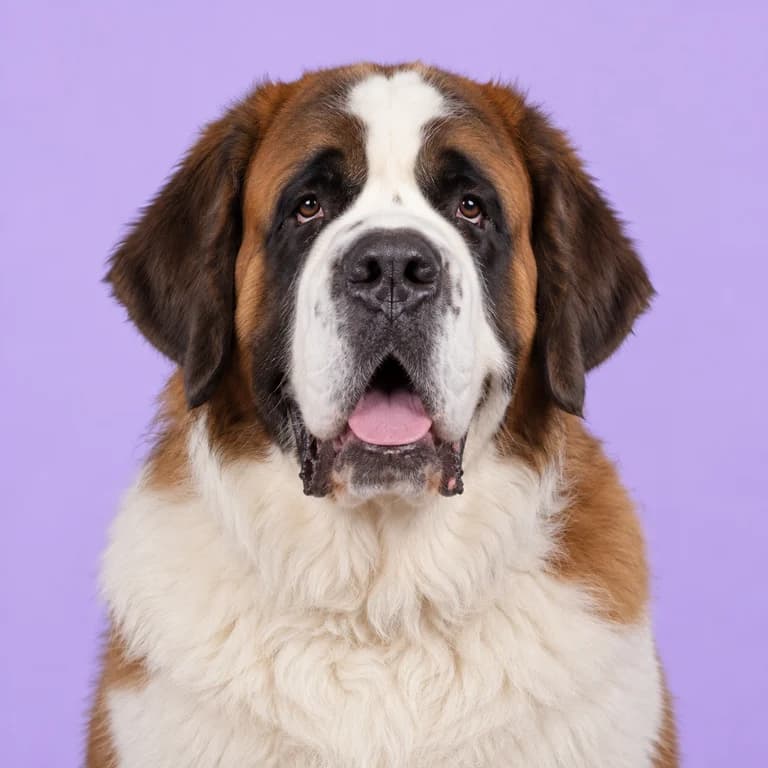
Original AI-generated breed illustration
Weight
54 to 82 kg
119 to 180 lb
Height
65 to 90 cm
at the shoulder
Life expectancy
8 to 10 yrs
Activity estimate
30 to 60 min
editorial daily planning range
Adult-size estimate
30 months
approximate model input
Life with a Saint Bernard
Size is the first thing that decides whether this breed suits you. A grown Saint Bernard fills a hallway, can rest its chin on the kitchen table and needs a vehicle with a large boot to reach the vet. Every piece of equipment, from crate to bed to car ramp, comes in the biggest size, and every gap in early training is magnified by 70 kg of dog.
The breed took shape at the hospice on the Great St Bernard Pass between Switzerland and Italy, where records mention dogs from around 1700. The monks kept them as companions and watchdogs and took them on patrols to find travelers lost in snow and fog. Dogs of that era were lighter and mostly short-coated; long-haired crosses were tried in the 1800s, but the heavier coat collected ice and proved less useful in deep snow.
Temperament is the good news. A well-bred Saint Bernard is patient, sociable and slow to anger, usually friendly with visitors and tolerant of children. Adults are calm indoors and content to doze for much of the day. Adolescents are a different matter: between about 6 and 18 months they are clumsy, strong and playful, and a 50 kg youngster that jumps up can flatten a child or an older adult.
What stands out
Puppy growth
Saint Bernard puppies grow at an astonishing rate. A puppy may weigh 7 to 9 kg at 8 weeks and 40 kg or more by 6 months. Most of the height is in place by about 18 months, but chest, head and muscle keep developing until 2 to 3 years of age.
Read the full puppy growth guideIllustrative model, not observed breed data or a healthy-weight standard. Use actual measurements and veterinary advice to assess growth.
A great match for
- calm households with space and a big enough car
- families whose children are taught to be gentle
- cool climates
- owners who prefer relaxed walks to intense exercise
Think twice if
- heavy drooling, especially after drinking
- real danger of overheating in warm weather
- high costs for food, vet care and equipment
- shorter lifespan than most breeds
- enough strength to pull an adult over if lead manners slip
Personality and needs at a glance
Living together
Good with children
Good with other dogs
Open with strangers
Apartment friendly
Copes with alone time
Energy and character
Energy level
Playfulness
Easy to train
Barking
5 means very vocal
Care and climate
Grooming needs
Shedding
Drooling
Handles cold
Handles heat
How much a Saint Bernard eats
Illustrative calculations for neutered adults at midpoint breed weights, with food at 370 kcal per 100 g and 100 g per cup. These are not measured breed requirements. Use actual weight, the food label and veterinary body-condition advice.
| Dog | Weight | Calories | Dry food |
|---|---|---|---|
| Female, relaxed lifestyle | 62 kg | 2170 kcal | 585 g (5.8 cups) |
| Female, typical pet | 62 kg | 2470 kcal | 670 g (6.8 cups) |
| Male, typical pet | 73 kg | 2800 kcal | 755 g (7.5 cups) |
| Male, very active | 73 kg | 3500 kcal | 945 g (9.5 cups) |
Care guides for the Saint Bernard
Things owners are often surprised by
- 1The hospice where the breed developed sits at about 2,470 m (8,100 ft) on one of the highest road passes in the Alps.
- 2The most famous hospice dog, Barry, is credited with helping save more than 40 people and is preserved in the Natural History Museum in Bern.
- 3The brandy barrel around the neck is a myth spread by paintings, not a working tradition.
- 4Rough-coated and smooth-coated puppies can turn up in the same litter.
- 5A large male can stand 90 cm (35 in) at the shoulder and weigh over 80 kg (176 lb).
Saint Bernard questions
Did Saint Bernards really carry brandy barrels?
No. The image comes from 19th-century paintings, notably work by the English artist Edwin Landseer, and was repeated in cartoons and advertising for decades. The hospice dogs worked as guides, companions and search dogs, and there is no reliable record of them carrying alcohol. Giving alcohol to someone suffering from cold is a bad idea anyway, so the myth is best left in the paintings.
How much do Saint Bernards drool?
A lot, although it varies with the shape of the lips. Dogs with looser, heavier lips drool more, especially after drinking, eating, or when excited or hot, and many owners keep a drool cloth in every room. If drooling suddenly increases sharply, particularly alongside pawing at the mouth, retching or a swollen belly, that is not normal and needs a vet.
Are there still Saint Bernards at the Great St Bernard Pass?
Yes. Since 2005 the breeding kennel has been run by the Fondation Barry, which took over from the monks. Dogs still spend the summer months at the hospice, where visitors can meet them, and winter in the valley at Martigny. Helicopters and avalanche dogs of lighter breeds now do most of the real rescue work in the Alps.
Can a Saint Bernard live in a hot climate?
It is difficult. The breed was developed at high altitude and copes poorly with sustained heat. Owners in warm regions need air conditioning, shaded outdoor space, cool floors and a strict routine of walking only at the coolest times of day, and heatstroke remains a real risk even then. If your summers are long and hot, a lighter, shorter-coated breed may be the kinder choice.
Smooth or rough coat: which is easier to live with?
Smooth-coated Saints need a little less brushing and carry less mud and snow indoors, but they still shed heavily. Rough coats need more attention on the legs, ears and tail to stop tangles forming. Temperament and health are the same, and both types can appear in one litter, so choose on breeder quality first and coat type second.
Popular answers for owners
- Exercise and playHow do I exercise a deaf dog safely?
- Puppy feeding and growthWhen do large breed puppies reach their adult size?
- Puppy feeding and growthHow much should a 14 week old puppy eat?
- How much to feedMy dog is underweight, how much more should I feed to help it gain?
- Grooming and coatWhy does my dog's coat feel greasy between baths?
- Grooming and coatHow do I care for a Border Collie's coat?
Breeds you might compare
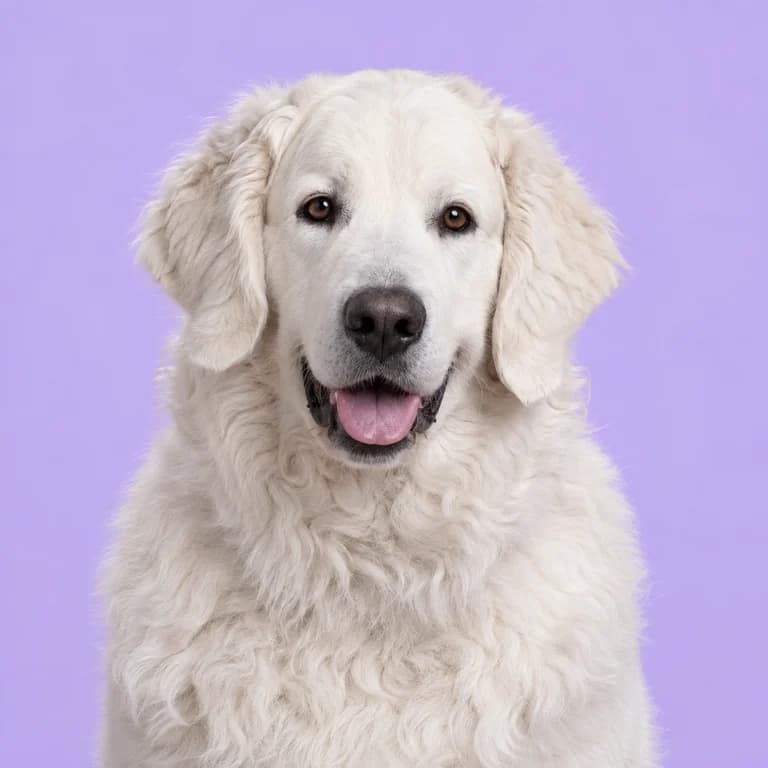
Working group
Kuvasz
37 to 62 kg · 10 to 12 years
A white Hungarian flock guardian that thinks for itself and treats your whole property as its patrol route.
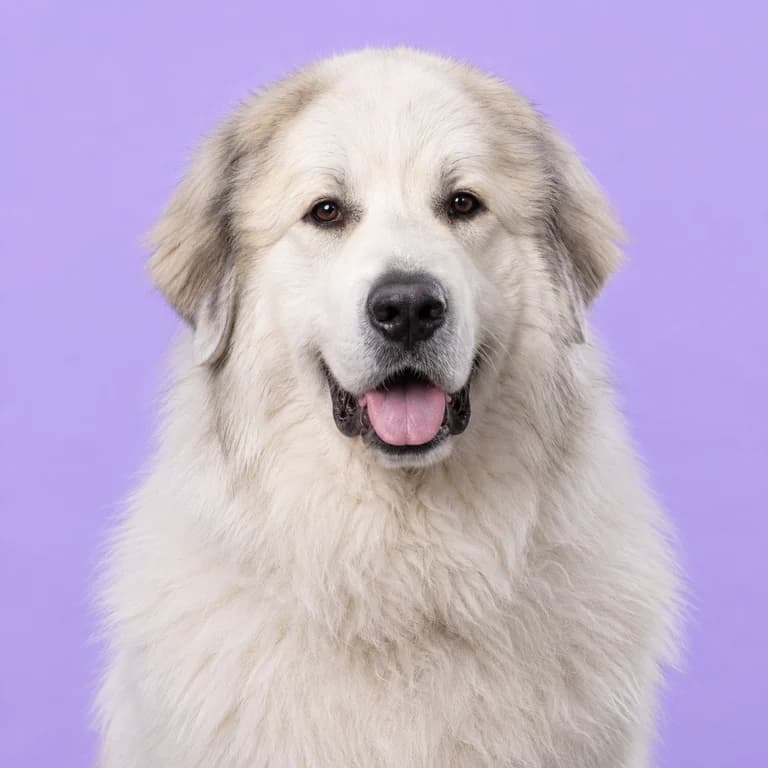
Working group
Great Pyrenees
38 to 60 kg · 10 to 12 years
A calm white giant that sleeps through the afternoon and patrols through the night, exactly as it was bred to.
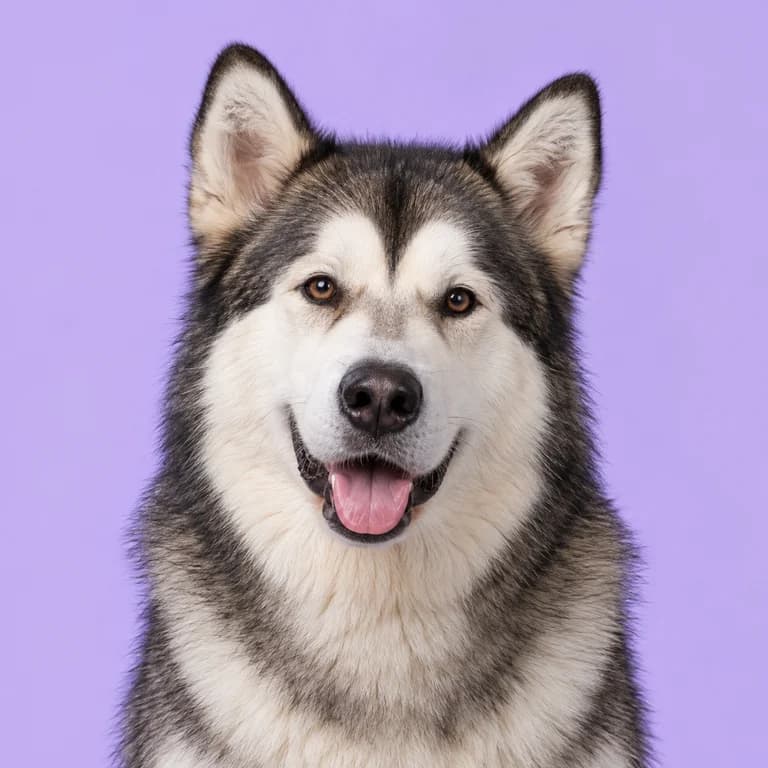
Working group
Alaskan Malamute
32 to 43 kg · 10 to 14 years
A freight-hauling Arctic dog built for strength and stamina, with a talkative streak and a mind of its own.
Working group
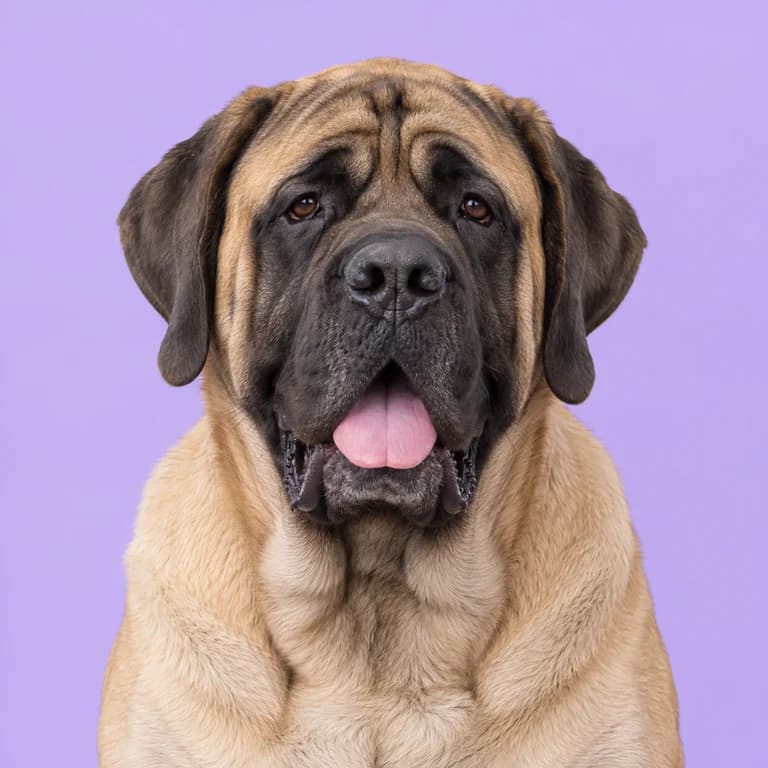
English Mastiff
54 to 100 kg · 6 to 10 years
Among the heaviest dogs in the world, the Mastiff is a gentle guard whose size shapes every decision you make.
Hound group
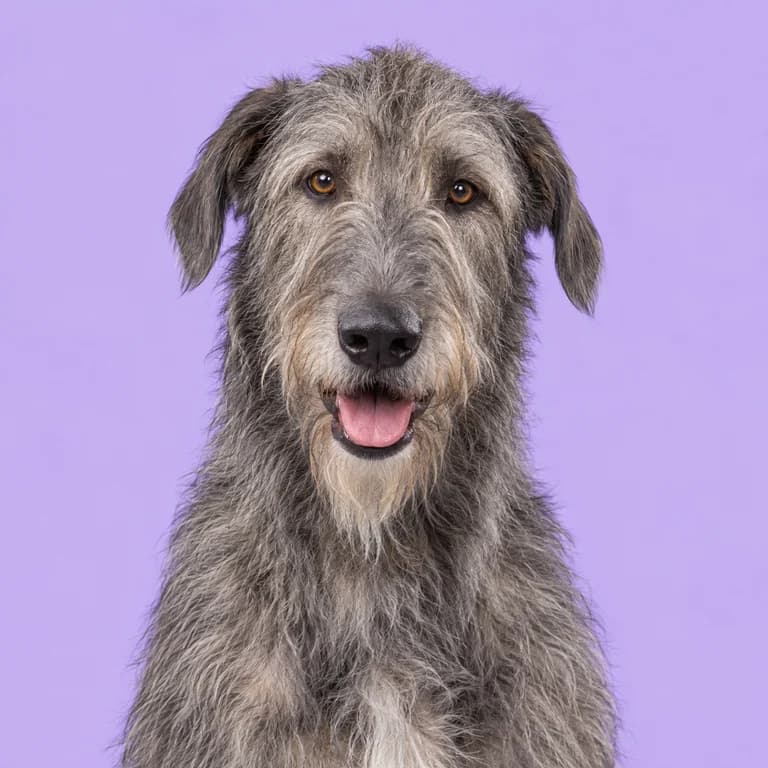
Irish Wolfhound
45 to 70 kg · 6 to 8 years
Once a hunter of wolves, the Irish Wolfhound is now a soft-natured giant that towers over every other hound.
Working group
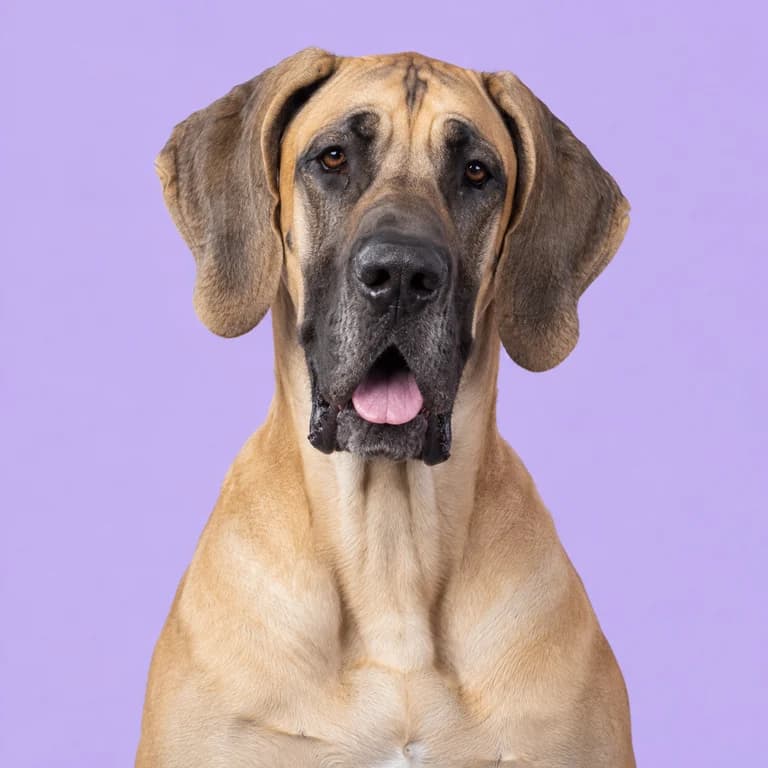
Great Dane
50 to 79 kg · 7 to 10 years
A dog the height of a small pony that would rather lean on you than guard anything.