Sources for this article
Working group · Turkey
Anatolian Shepherd
Also called Anatolian Shepherd Dog, Anatolian Karabash
An ancient Turkish flock guardian built for heat, distance and decisions, and quite happy to make them without you.
Anatolian Shepherds come from the central plateau of Turkey, where shepherds have relied on large guardian dogs to protect their flocks for a very long time. The modern dog is powerful, fast and independent, calm around its family and serious about strangers. It is a working guardian first, and it thrives with experienced owners and plenty of secure land.
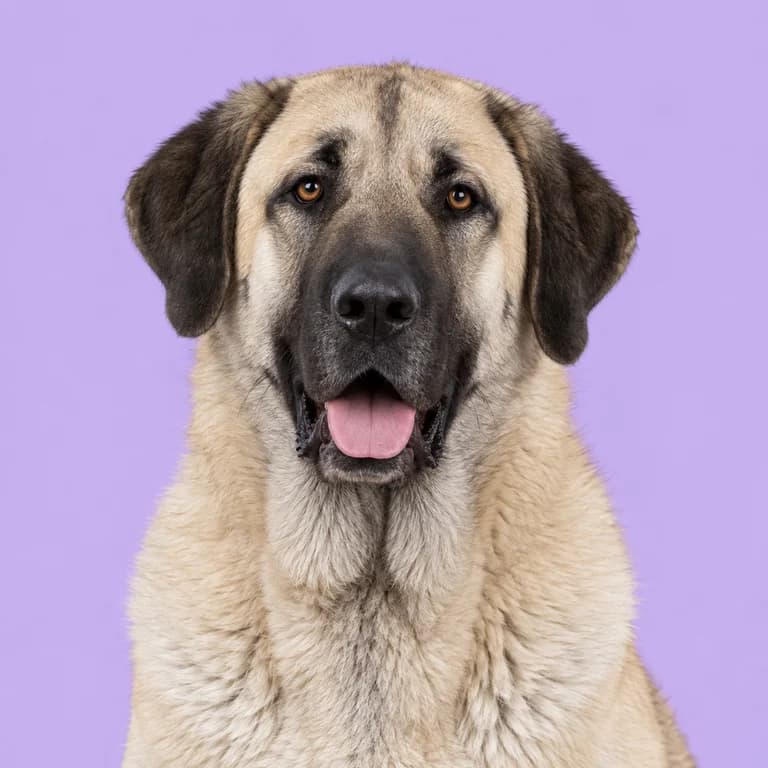
Original AI-generated breed illustration
Weight
40 to 65 kg
88 to 143 lb
Height
71 to 81 cm
at the shoulder
Life expectancy
11 to 13 yrs
Activity estimate
60 to 90 min
editorial daily planning range
Adult-size estimate
24 months
approximate model input
Life with a Anatolian Shepherd
Long before breed standards existed, shepherds moving flocks across the Anatolian plateau depended on big, tough dogs to face wolves, bears and jackals. Breed historians often link these guardians to the heavy mastiff-type dogs shown in ancient Mesopotamian art, though tracing an exact line is impossible. What is clear is that the dogs were selected for results: guarding without supervision, covering long distances with the flock, and surviving scorching summers and harsh winters.
Western interest began in the mid-20th century, when dogs were brought to Britain and the United States. Registries grouped several regional Turkish guardian types under the name Anatolian Shepherd Dog, and debate continues over how it relates to the Kangal and other Turkish breeds. Since the 1990s, Anatolians have also worked in Namibia, where a conservation program places them with farmers so flocks are guarded and fewer cheetahs are shot in retaliation.
Temperament flows from that history. An Anatolian at home is calm, watchful and often quietly affectionate with its own people. It patrols, settles at a vantage point, and keeps track of everything that moves. It is naturally suspicious of strangers and unfamiliar dogs, and it will make its own decision about whether someone is welcome, which is exactly what it was bred to do.
That is why breed clubs tend to steer the Anatolian toward experienced owners and properties with room to patrol. In a suburban garden with a low fence and frequent visitors, the dog's instincts can create real problems. On a farm, or with an owner who understands guardian breeds, it can be one of the most reliable and devoted dogs there is.
A great match for
- farms and smallholdings with livestock to guard
- experienced owners of guardian breeds
- homes with large, securely fenced land
- hot or dry climates
Think twice if
- strongly protective of territory and family
- often intolerant of unfamiliar dogs
- independent and hard to recall
- needs tall, solid fencing
- strength that is hard to manage without training
Personality and needs at a glance
Living together
Good with children
Good with other dogs
Open with strangers
Apartment friendly
Copes with alone time
Energy and character
Energy level
Playfulness
Easy to train
Barking
5 means very vocal
Care and climate
Grooming needs
Shedding
Drooling
Handles cold
Handles heat
How much an Anatolian Shepherd eats
Illustrative calculations for neutered adults at midpoint breed weights, with food at 370 kcal per 100 g and 100 g per cup. These are not measured breed requirements. Use actual weight, the food label and veterinary body-condition advice.
| Dog | Weight | Calories | Dry food |
|---|---|---|---|
| Female, relaxed lifestyle | 48 kg | 1770 kcal | 480 g (4.8 cups) |
| Female, typical pet | 48 kg | 2030 kcal | 550 g (5.5 cups) |
| Male, typical pet | 58 kg | 2340 kcal | 630 g (6.3 cups) |
| Male, very active | 58 kg | 2920 kcal | 790 g (8 cups) |
Care guides for the Anatolian Shepherd
Things owners are often surprised by
- 1Used in Namibia since the 1990s to protect goats and sheep from cheetahs, reducing conflict between farmers and the wild cats
- 2Working dogs in Turkey traditionally wore spiked iron collars to protect the throat from wolves
- 3Breed histories often link its ancestors to large mastiff-type dogs shown in ancient Mesopotamian art
- 4The coat can look very different between summer and winter
- 5Matures slowly and is often not fully adult until 2 to 3 years old
Anatolian Shepherd questions
What is the difference between an Anatolian Shepherd and a Kangal?
It depends who you ask. In Turkey, the Kangal is regarded as a distinct breed from the Sivas region, with a fairly uniform fawn coat and black mask. Some Western registries historically recorded Kangals as Anatolian Shepherds, while others now list them separately. In practice, the Anatolian standard allows a wider range of colors and types.
Are Anatolian Shepherds used to protect cheetahs?
Indirectly, yes. Since the 1990s, a conservation program in Namibia has placed Anatolian Shepherd puppies with livestock farmers. The dogs guard goats and sheep so effectively that farmers lose fewer animals to cheetahs and have less reason to kill them. The program is often cited as a successful example of using guardian dogs to reduce conflict with wildlife.
Can an Anatolian Shepherd live with other dogs?
Many live peacefully with dogs they grow up with, particularly of the opposite sex. Unfamiliar dogs are another story, since the breed tends to treat them as intruders. Introductions should be slow and supervised, and dog parks are generally a poor idea. Same-sex adult pairs can develop serious conflict, so plan carefully before adding a second dog.
Is an Anatolian Shepherd a good choice for a first-time owner?
Usually not. The breed's size, strength, guarding instincts and independence call for experience and a clear plan for socialization and containment. First-time owners set on a guardian breed should talk at length with breeders and experienced owners, and ideally spend time with adult dogs first. A trainer familiar with livestock guardians is strongly recommended.
Why did Anatolian Shepherds wear spiked collars?
In their homeland, shepherds traditionally fitted working guardians with heavy iron collars studded with spikes. The collar protected the throat, the part of the body wolves and other predators often targeted in a fight. Farm and pet Anatolians elsewhere today wear ordinary collars, but the tradition is a vivid reminder of the job these dogs were bred for.
Popular answers for owners
- Grooming and coatWhat is a kennel cut?
- Puppy feeding and growthHow do I know if my puppy is underweight?
- Puppy feeding and growthHow do I transition my puppy from 3 meals to 2 meals?
- Bowls and feeding gearShould I use separate sponges for my dog's bowls?
- Exercise and playHow do I make puzzles harder as my dog improves?
- Grooming and coatHow often should I bathe my dog?
Breeds you might compare
Working group
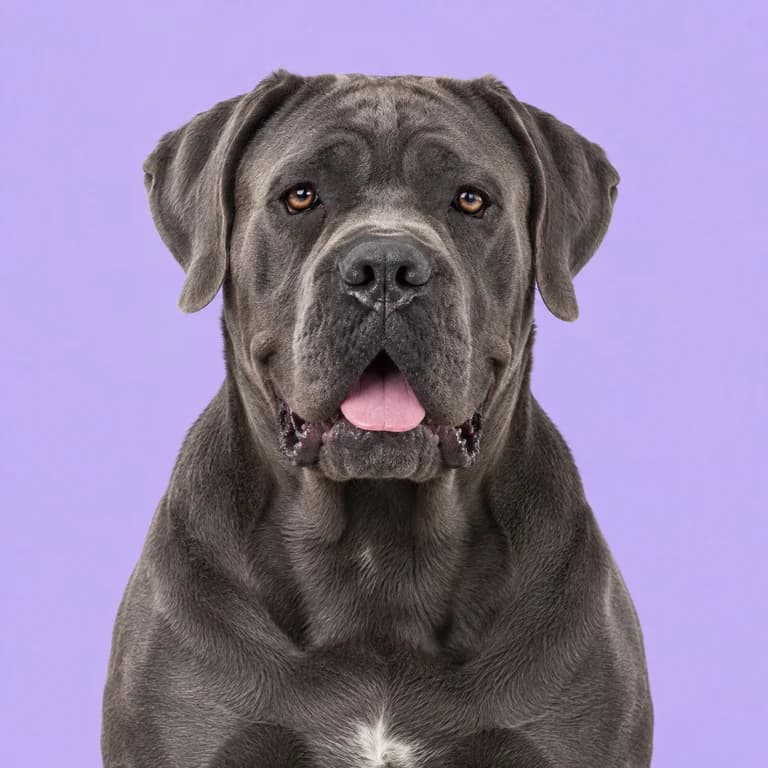
Cane Corso
40 to 50 kg · 9 to 12 years
A quiet, watchful Italian guardian that bonds deeply with its own people and needs a calm, consistent handler.
Working group
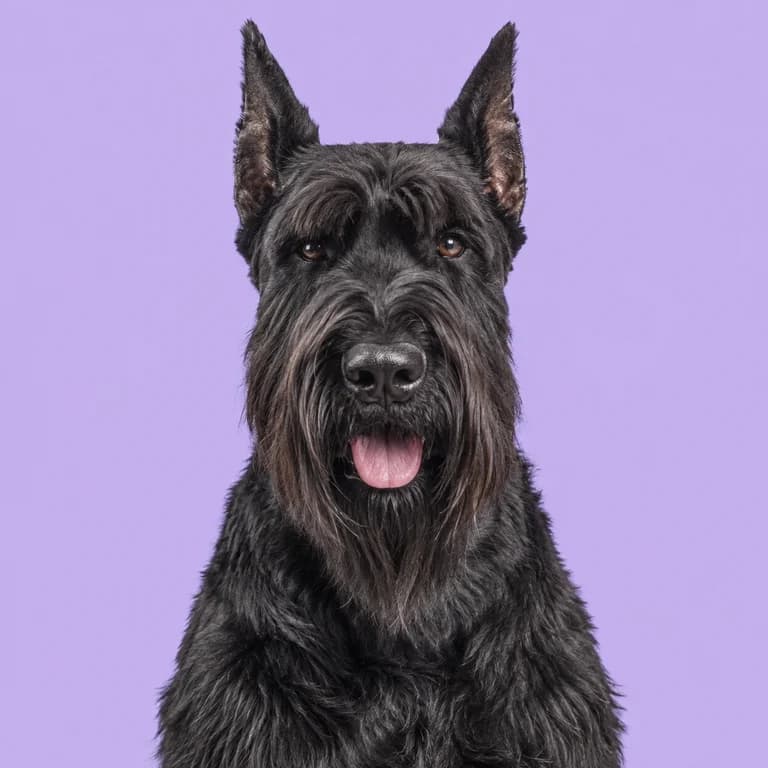
Giant Schnauzer
25 to 45 kg · 10 to 12 years
A powerful, clever working dog that thrives on structure and a job, and makes up its own without them.
Working group
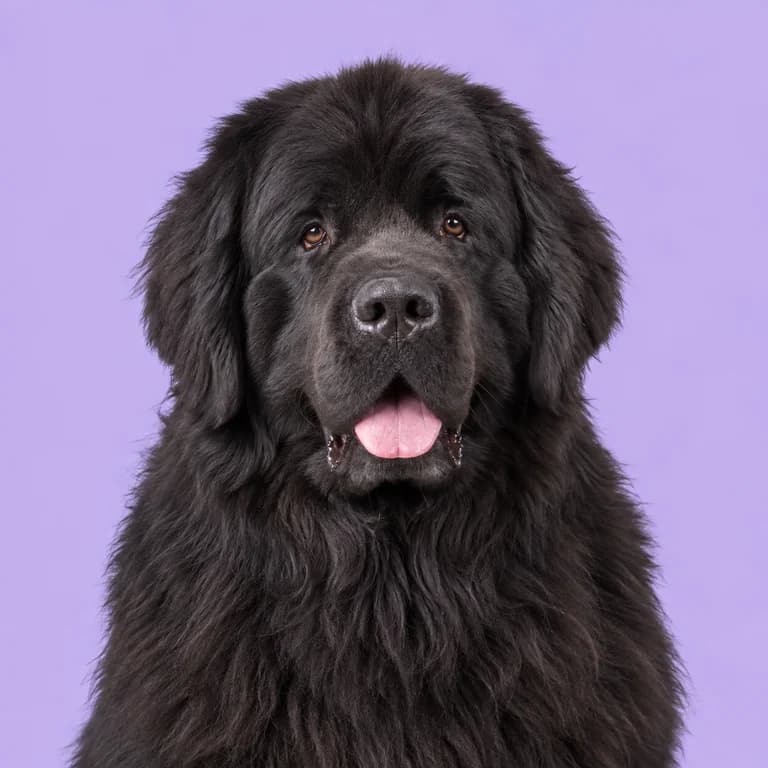
Newfoundland
45 to 70 kg · 8 to 10 years
A gentle giant with webbed feet, a lifesaving instinct in water and a drool towel never far away.
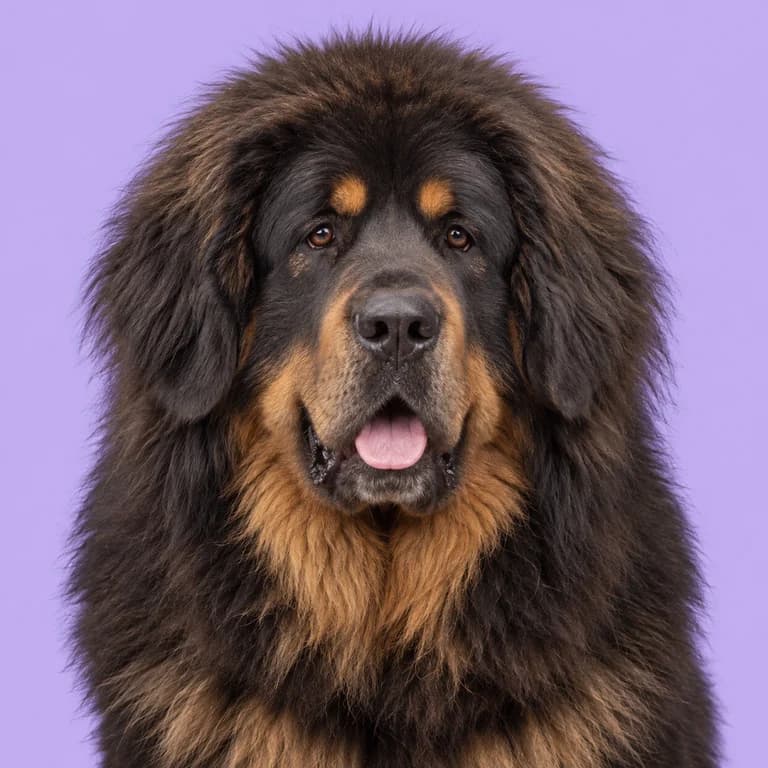
Working group
Tibetan Mastiff
34 to 73 kg · 10 to 14 years
An ancient mountain guardian that thinks for itself, patrols at night and trusts very few outsiders.
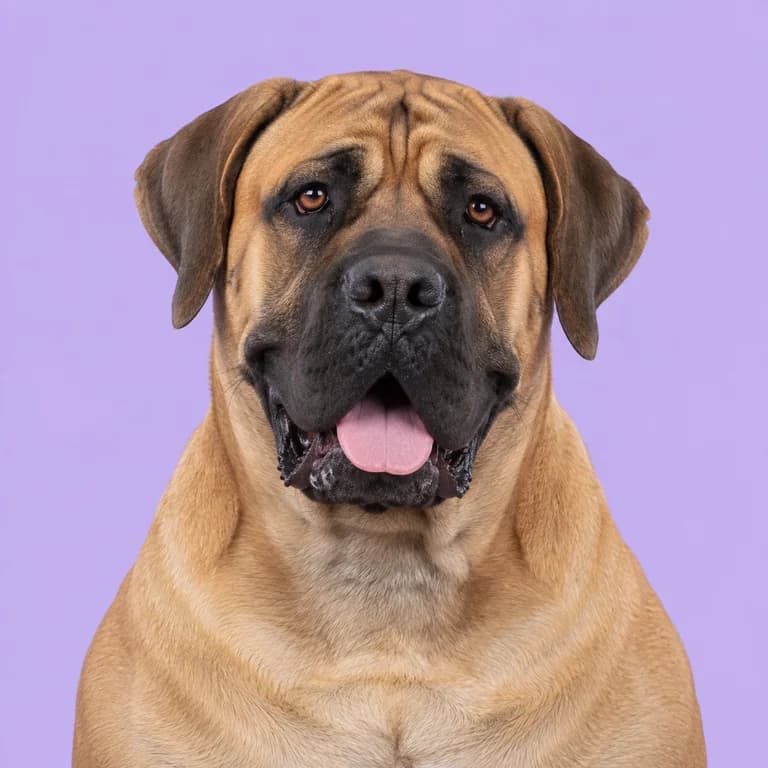
Working group
Boerboel
55 to 90 kg · 9 to 11 years
A South African farm guardian built to face down leopards, calm at home but serious about its territory.
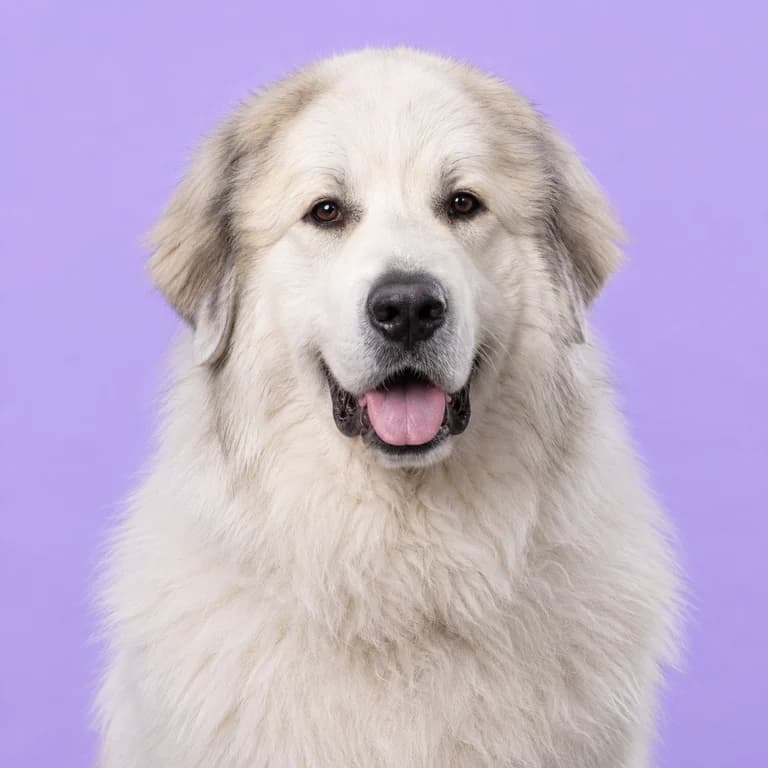
Working group
Great Pyrenees
38 to 60 kg · 10 to 12 years
A calm white giant that sleeps through the afternoon and patrols through the night, exactly as it was bred to.