Sources for this article
Working group · Italy
Cane Corso
Also called Italian Mastiff, Cane Corso Italiano, Corso
A quiet, watchful Italian guardian that bonds deeply with its own people and needs a calm, consistent handler.
The Cane Corso is a powerful Italian mastiff bred to guard farms, drive cattle and help catch wild boar. At home it is often calm and affectionate with family yet naturally suspicious of strangers, so early socialization and steady training are not optional. It suits experienced owners with space, time and a securely fenced yard.
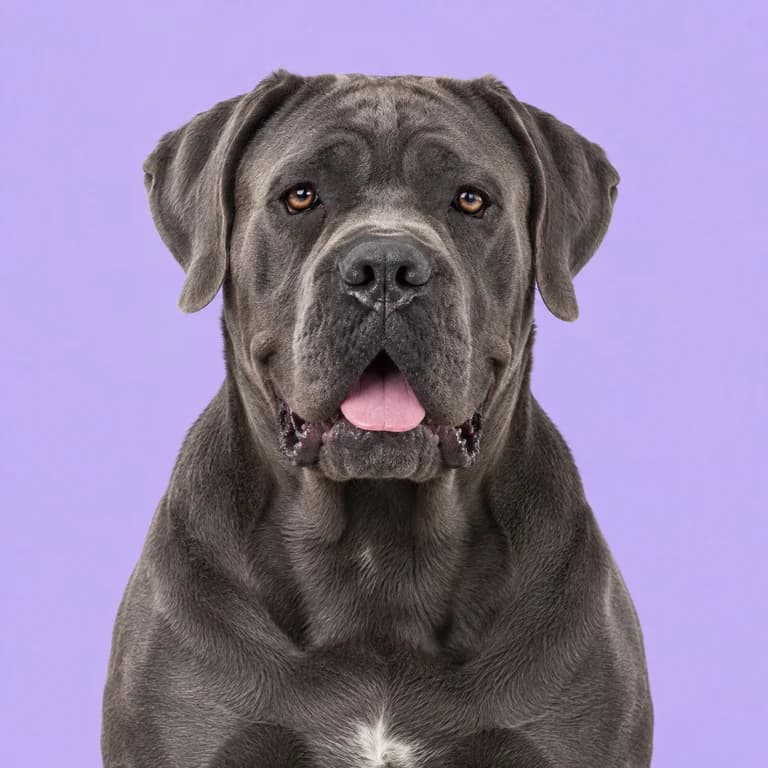
Original AI-generated breed illustration
Weight
40 to 50 kg
88 to 110 lb
Height
60 to 68 cm
at the shoulder
Life expectancy
9 to 12 yrs
Activity estimate
60 to 90 min
editorial daily planning range
Adult-size estimate
24 months
approximate model input
Life with a Cane Corso
Picture a dog that notices the delivery van before you hear it, walks to the gate without a sound and waits there until you arrive. That is the Cane Corso in a sentence. The breed comes from southern Italy, where farmers in Puglia, Calabria and Basilicata used it to guard property, move semi-wild cattle and pigs, and hold boar. Enthusiasts often trace it back to Roman war dogs, although that link rests more on tradition than on documented fact.
Mechanized farming nearly finished the breed. By the 1970s only a scattering of dogs remained on remote farms, and a small group of Italian breeders began tracking them down and breeding with care. The modern Corso is the result: leaner and more agile than a Neapolitan Mastiff, with a short coat, a broad head and a body built for bursts of speed rather than long runs.
Temperament is the reason to choose this breed and also the reason to hesitate. A well-bred, well-raised Corso is gentle and even clingy with its family, often following one person from room to room. It reads visitors carefully and tends to accept them only after you do. That discernment is exactly what the breed was selected for, and without early and ongoing socialization it can harden into real distrust.
Daily life with one is quieter than people expect. Most adults spend much of the day resting near their people, then patrol the yard at dusk. They are rarely yappy, but when a Corso does bark, the whole street notices.
What stands out
Training
Corsos are intelligent and keen to work with a handler they trust, but they weigh up every request. Harsh corrections tend to backfire and can create a dog that is defensive with its own family. Calm, consistent, reward-based training in sessions of 5 to 10 minutes works far better, and the rules must be the same from every person in the household.
Read the full training guideEasy to train
Open with strangers
Good with other dogs
A great match for
- experienced owners of large guarding breeds
- homes with a securely fenced yard
- people who want a quiet, alert watchdog
- adults ready to commit to lifelong training
Think twice if
- strong suspicion of strangers without thorough socialization
- often intolerant of unfamiliar dogs, especially of the same sex
- size and strength make lunging hard to control
- prone to bloat and to hip or elbow problems
- shorter lifespan than smaller breeds
Personality and needs at a glance
Living together
Good with children
Good with other dogs
Open with strangers
Apartment friendly
Copes with alone time
Energy and character
Energy level
Playfulness
Easy to train
Barking
5 means very vocal
Care and climate
Grooming needs
Shedding
Drooling
Handles cold
Handles heat
How much a Cane Corso eats
Illustrative calculations for neutered adults at midpoint breed weights, with food at 370 kcal per 100 g and 100 g per cup. These are not measured breed requirements. Use actual weight, the food label and veterinary body-condition advice.
| Dog | Weight | Calories | Dry food |
|---|---|---|---|
| Female, relaxed lifestyle | 43 kg | 1630 kcal | 440 g (4.5 cups) |
| Female, typical pet | 43 kg | 1860 kcal | 505 g (5 cups) |
| Male, typical pet | 48 kg | 2030 kcal | 550 g (5.5 cups) |
| Male, very active | 48 kg | 2530 kcal | 685 g (6.8 cups) |
Care guides for the Cane Corso
Things owners are often surprised by
- 1Nearly vanished by the mid 20th century; Italian enthusiasts rebuilt it from scattered farm dogs in the 1970s
- 2Recognized by the FCI in 1996 and by the American Kennel Club in 2010
- 3The name is often linked to the Latin cohors, meaning guardian or enclosure
- 4Adult males stand 64 to 68 cm (25 to 27 in) and usually weigh 45 to 50 kg (99 to 110 lb)
- 5Much lighter and more athletic than its cousin, the Neapolitan Mastiff
Cane Corso questions
Is a Cane Corso a good first dog?
For most people, no. The breed is not aggressive by nature, but it is large, strong and protective, and mistakes in socialization or training have bigger consequences than with a Labrador. A first-time owner who has spent time around the breed, found an excellent breeder and lined up a trainer experienced with guardian dogs can succeed. Many people are happier starting with a more forgiving breed and coming to the Corso later.
How is a Cane Corso different from a Neapolitan Mastiff?
Both are Italian mastiffs, but they were shaped for different work. The Neapolitan is heavier, loose-skinned and slow moving, bred mainly as an imposing estate guard. The Corso is leaner, tighter-skinned and far more athletic, reflecting its past driving cattle and catching boar. In practical terms, the Corso needs more exercise and drools less, while the Neapolitan has many more skin folds to keep clean.
Do Cane Corsos get along with children?
Many do, especially when raised with children who treat them kindly. The risks are size and misunderstanding: a Corso can flatten a toddler in play, and some dogs read the shrieking and wrestling of visiting children as a threat to their own kids. Supervise every interaction, teach children not to hug or climb on the dog, and give it a quiet place to retreat. Homes with calm, older children tend to work best.
Why do some Cane Corsos have cropped ears?
Cropping was traditionally done on working dogs in the belief that it reduced injuries during clashes with predators or boar. In a companion dog it serves no practical purpose, and many breeders and owners now leave ears natural. An uncropped Corso has medium, triangular ears that hang close to the cheeks and frame the broad head, and the dog hears and communicates perfectly well with them.
How much does a Cane Corso weigh at 6 months?
Most Corso puppies weigh roughly 25 to 35 kg (55 to 77 lb) at six months, with males toward the heavier end. Individual variation is large, and a lean puppy at the lower end is healthier than a heavy one at the top. Weight gain slows sharply after this point, although the dog will keep broadening through the chest and head for another year or more.
Popular answers for owners
- Puppy feeding and growthShould puppies eat wet food or dry food?
- Bowls and feeding gearDo stainless steel bowls get too hot or cold?
- Bowls and feeding gearShould I feed my dog in the kitchen or a quiet room?
- Grooming and coatCan I use baby wipes to clean my dog between baths?
- Puppy feeding and growthHow do I know if my puppy is underweight?
- How much to feedWhy do two dog food brands recommend different amounts for the same size dog?
Breeds you might compare
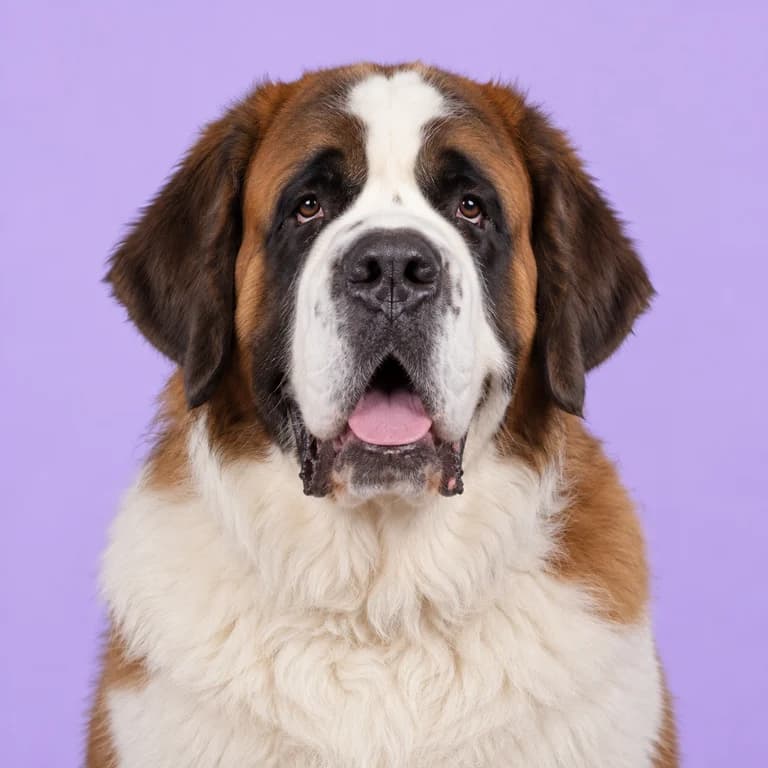
Working group
Saint Bernard
54 to 82 kg · 8 to 10 years
A gentle mountain giant whose size, drool and cold-weather coat shape every part of daily life.
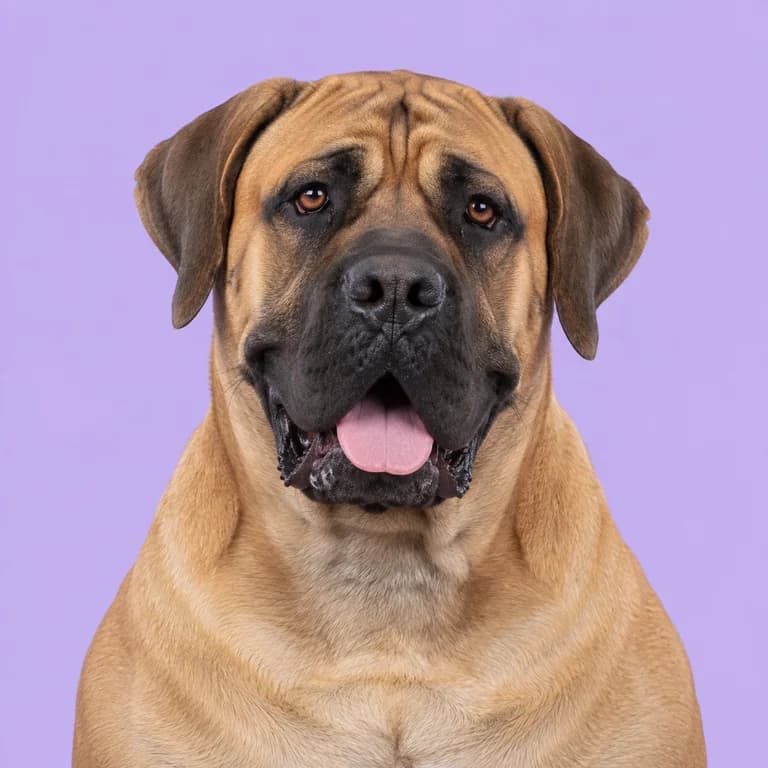
Working group
Boerboel
55 to 90 kg · 9 to 11 years
A South African farm guardian built to face down leopards, calm at home but serious about its territory.
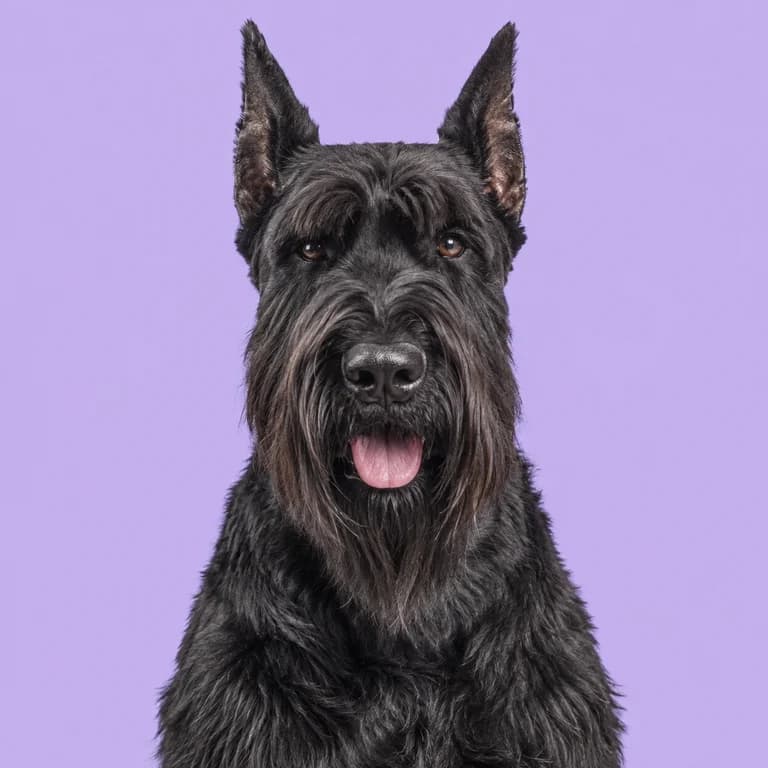
Working group
Giant Schnauzer
25 to 45 kg · 10 to 12 years
A powerful, clever working dog that thrives on structure and a job, and makes up its own without them.
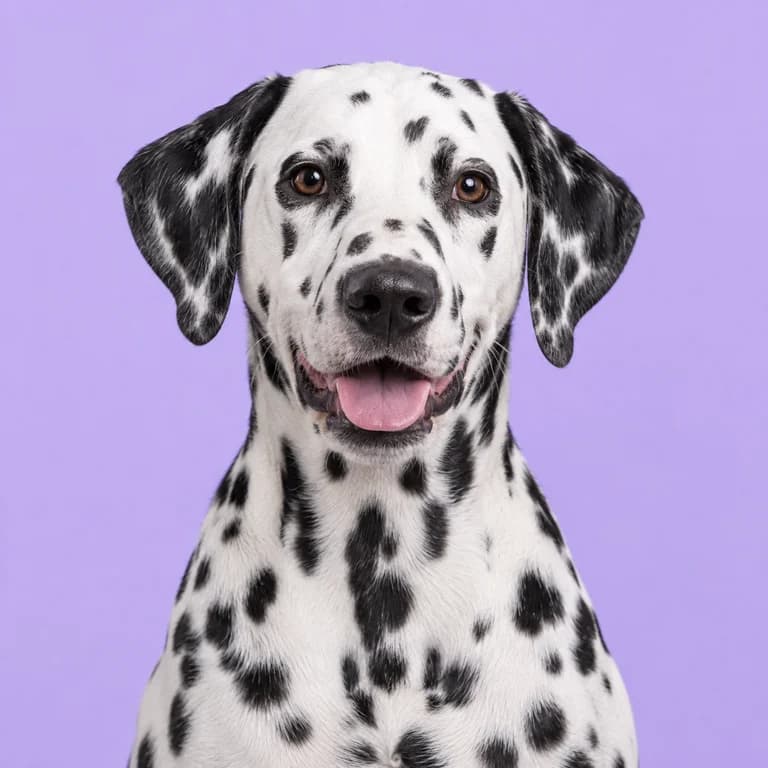
Non-sporting group
Dalmatian
20 to 32 kg · 11 to 13 years
Bred to trot beside horse-drawn carriages for hours, the Dalmatian still has the stamina to prove it.
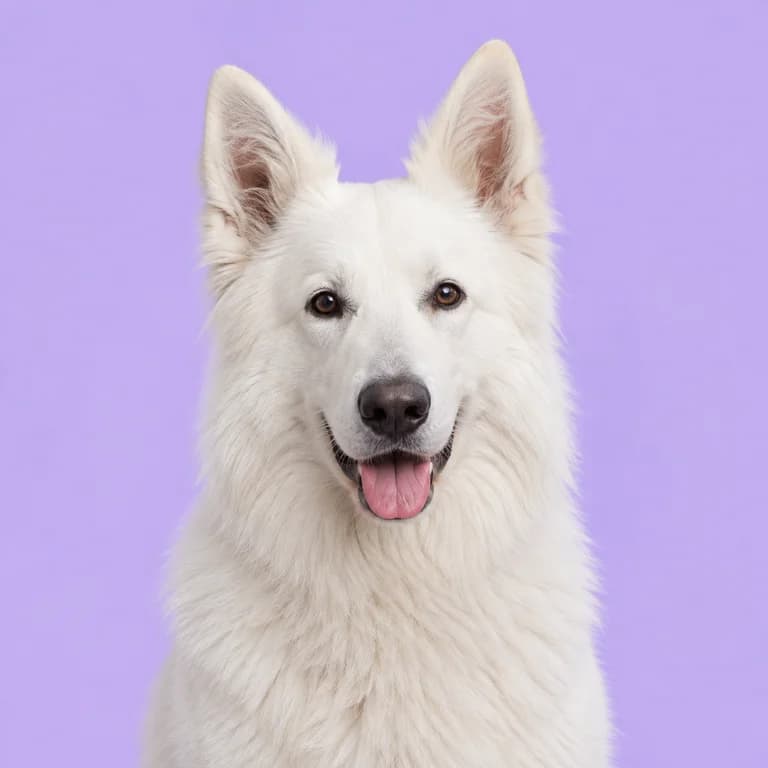
Herding group
White Swiss Shepherd
25 to 40 kg · 12 to 14 years
A snow-white shepherd with the brains of a working dog and a gentler, softer edge.
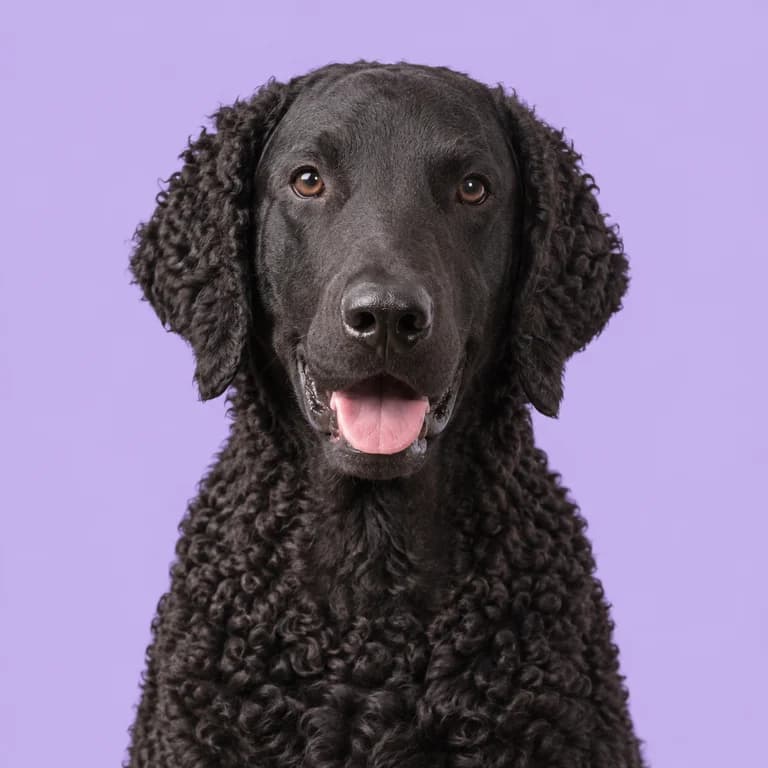
Sporting group
Curly-Coated Retriever
27 to 36 kg · 10 to 12 years
The tallest and perhaps most independent retriever, wrapped in a waterproof coat of tight curls you should never brush.