Sources for this article
Working group · Italy
Neapolitan Mastiff
Also called Mastino Napoletano, Mastino, Neo
A slow-moving mountain of wrinkles from southern Italy whose sheer bulk is its main line of defense.
The Neapolitan Mastiff is a giant Italian guardian with loose skin, heavy bone and a quiet, watchful nature. It adores its family and deeply distrusts intruders. Its size, drool, short lifespan and strong protective instinct make it a breed for experienced owners with space, time and a solid budget.

Original AI-generated breed illustration
Weight
50 to 70 kg
110 to 154 lb
Height
60 to 75 cm
at the shoulder
Life expectancy
7 to 9 yrs
Activity estimate
30 to 60 min
editorial daily planning range
Adult-size estimate
30 months
approximate model input
Life with a Neapolitan Mastiff
Neapolitan Mastiffs have guarded farms and estates in the Campania region of southern Italy for a very long time, though the precise link to Roman war dogs is more tradition than documented history. For centuries these dogs were bred for function by farmers and watchmen, with little written record. After the Second World War, a small group of Italian enthusiasts, led by Piero Scanziani, gathered the remaining dogs, wrote a standard, and brought the breed to international attention.
The first thing anyone notices is scale. A mature male can stand 75 cm (30 in) at the shoulder, weigh as much as an adult person, and fill a sofa. The skin hangs in heavy folds, the head is massive, and the whole dog moves with an unhurried, lumbering roll. Everything in daily life, from the car you drive to the size of the bed you buy, will need rethinking.
Personality matches the look. A well-raised Neo is calm, gentle and affectionate with its own family, often leaning its full weight against the people it loves. With outsiders it is reserved and watchful, and it was bred to deter intruders by presence first and action second. That instinct is real, so early, thorough socialization and firm, calm leadership are not optional.
What stands out
Puppy growth
Neo puppies grow at a remarkable rate. A 10-week-old puppy may weigh 10 to 13 kg, and many pass 40 kg by 6 months. Height is mostly reached by about 18 months, but the chest, head and bone keep developing until 2 or even 3 years.
Read the full puppy growth guideIllustrative model, not observed breed data or a healthy-weight standard. Use actual measurements and veterinary advice to assess growth.
A great match for
- experienced owners of giant or guarding breeds
- homes with a secure garden and plenty of floor space
- calm households wanting a devoted, low-key companion
- owners who can afford giant-breed food and vet bills
Think twice if
- short lifespan, often under 10 years
- heavy, constant drooling
- strong protectiveness toward strangers
- very poor heat tolerance
- high risk of joint and eye problems
Personality and needs at a glance
Living together
Good with children
Good with other dogs
Open with strangers
Apartment friendly
Copes with alone time
Energy and character
Energy level
Playfulness
Easy to train
Barking
5 means very vocal
Care and climate
Grooming needs
Shedding
Drooling
Handles cold
Handles heat
How much a Neapolitan Mastiff eats
Illustrative calculations for neutered adults at midpoint breed weights, with food at 370 kcal per 100 g and 100 g per cup. These are not measured breed requirements. Use actual weight, the food label and veterinary body-condition advice.
| Dog | Weight | Calories | Dry food |
|---|---|---|---|
| Female, relaxed lifestyle | 55 kg | 1980 kcal | 535 g (5.3 cups) |
| Female, typical pet | 55 kg | 2260 kcal | 610 g (6 cups) |
| Male, typical pet | 65 kg | 2560 kcal | 695 g (7 cups) |
| Male, very active | 65 kg | 3200 kcal | 865 g (8.8 cups) |
Care guides for the Neapolitan Mastiff
Things owners are often surprised by
- 1Large mastiff-type dogs guarded homes and estates around Naples for centuries, and the breed is often linked to the war dogs of ancient Rome
- 2Italian writer Piero Scanziani is credited with rescuing the breed after the Second World War and writing its first standard in the late 1940s
- 3Adult males commonly weigh 60 to 70 kg (132 to 154 lb), and some are heavier
- 4The loose skin is said to have helped protect the dog in fights, since an opponent's bite would catch skin rather than muscle
- 5A healthy Neo often reaches full size only at 2 to 3 years
- 6The breed walks with a rolling, bear-like gait that is part of the standard
Neapolitan Mastiff questions
How much does a Neapolitan Mastiff drool?
A lot, and all day. The loose lips hold saliva that swings free when the dog shakes its head, drinks or anticipates food. Owners often find strands on walls and ceilings. Keeping towels in several rooms, wiping the jowls after drinking and using a heavy water bowl on a mat helps. If drooling is a dealbreaker for you, this is not your breed.
Are Neapolitan Mastiffs good family dogs?
With the right family, yes. They are affectionate and gentle with their own people, including children they grow up with. But their size alone can knock over a child, and their protective instinct means they may misread rough play by visiting children. They suit experienced, calm households where adults supervise interactions and can control the dog confidently.
Why do Neapolitan Mastiffs have such a short lifespan?
Giant breeds in general age faster than smaller dogs, and the Neapolitan Mastiff is among the heaviest. The body's organs and joints carry more strain, and the breed is prone to heart, joint and bloat problems. Many live 7 to 9 years. Keeping your dog lean, protecting joints during growth and regular vet checks give the best chance of a longer life.
Can a Neapolitan Mastiff live in a flat?
It is rarely a good idea. A Neo needs space to turn and lie stretched out, and stairs are hard on its joints. Drool and noise from a heavy dog moving about can also bother neighbors. A ground-floor home with a garden suits the breed much better. If you do live in a flat, a lift and very easy outdoor access are essential.
Do Neapolitan Mastiffs bark much?
Not usually. Most Neos are quiet dogs that watch rather than bark, and they save their deep voice for something they consider a real threat. When they do bark, it is loud and carries. Their silence can make them surprisingly effective watchdogs, as they often simply stand and stare at a newcomer until their owner arrives.
Popular answers for owners
- Exercise and playWhat is exercise intolerance in dogs?
- Exercise and playShould exercise change with the seasons?
- How much to feedHow often should I check my dog's weight?
- Grooming and coatWhat tools do I need to groom my dog at home?
- Exercise and playHow do I adjust exercise for a puppy going through a growth spurt?
- Exercise and playWhat is a good substitute for fetch in a small yard?
Breeds you might compare
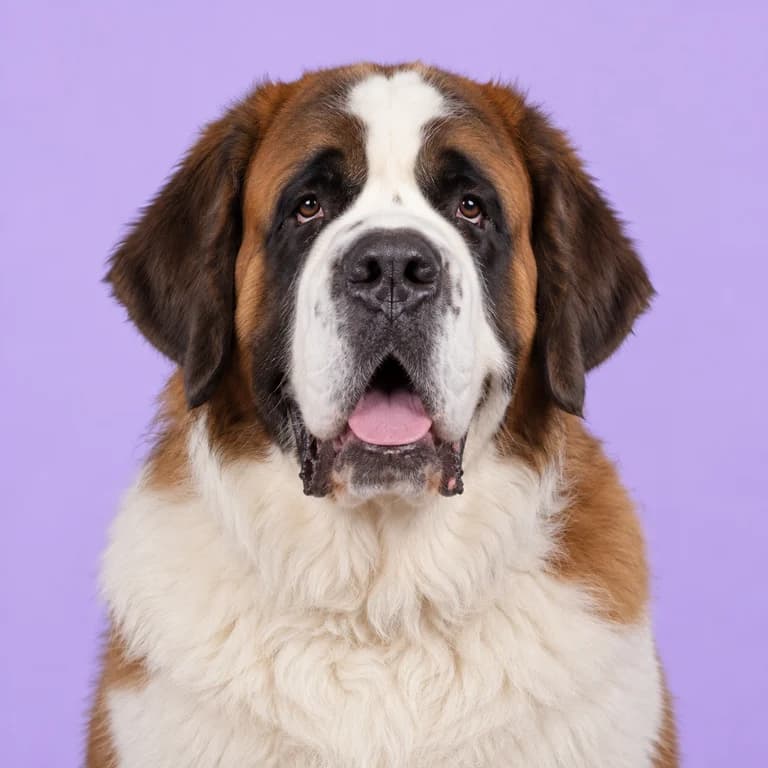
Working group
Saint Bernard
54 to 82 kg · 8 to 10 years
A gentle mountain giant whose size, drool and cold-weather coat shape every part of daily life.

Working group
Bullmastiff
45 to 59 kg · 7 to 9 years
Bred to silently pin poachers in the dark, today a gentle, heavy guardian that prefers the sofa.
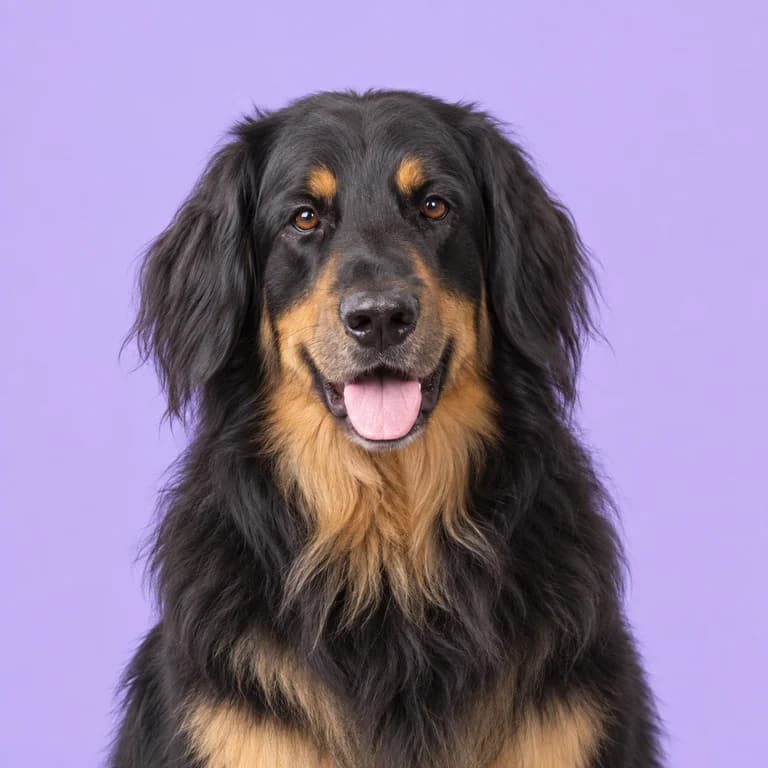
Working group
Hovawart
25 to 40 kg · 10 to 14 years
A medieval farm guardian rebuilt in the 20th century, loyal to its household and slow to hand out trust.
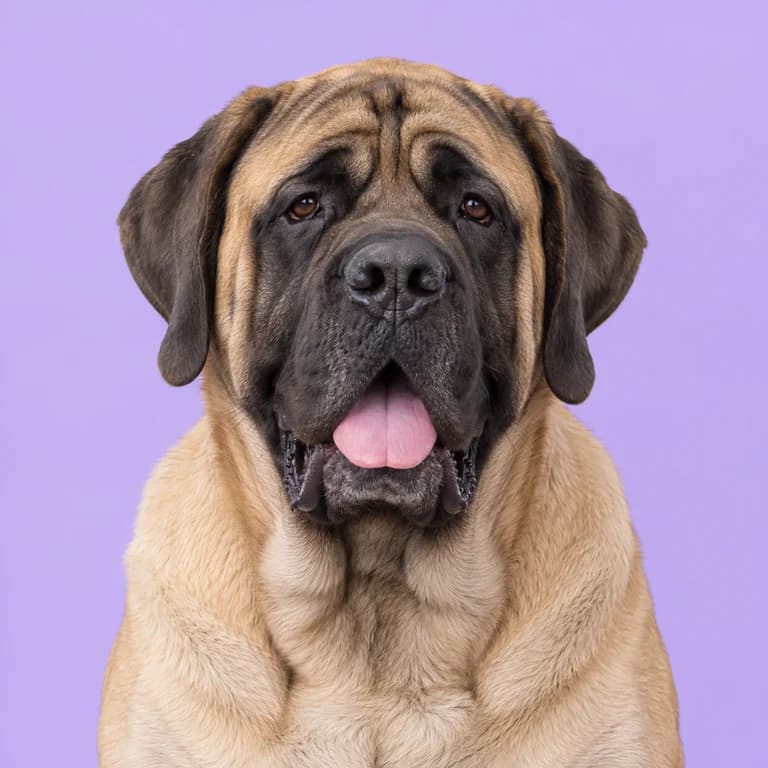
Working group
English Mastiff
54 to 100 kg · 6 to 10 years
Among the heaviest dogs in the world, the Mastiff is a gentle guard whose size shapes every decision you make.
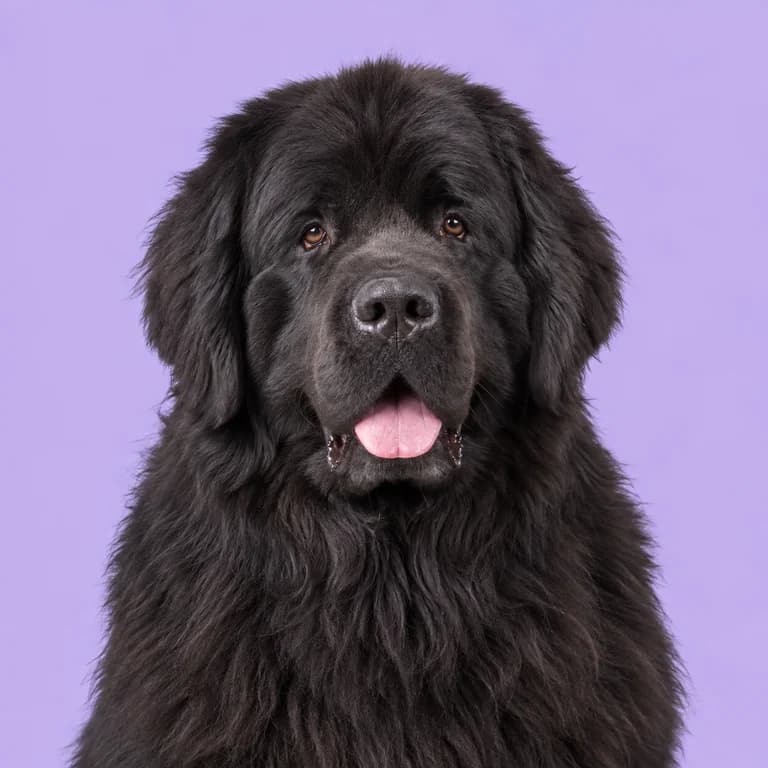
Working group
Newfoundland
45 to 70 kg · 8 to 10 years
A gentle giant with webbed feet, a lifesaving instinct in water and a drool towel never far away.
Working group
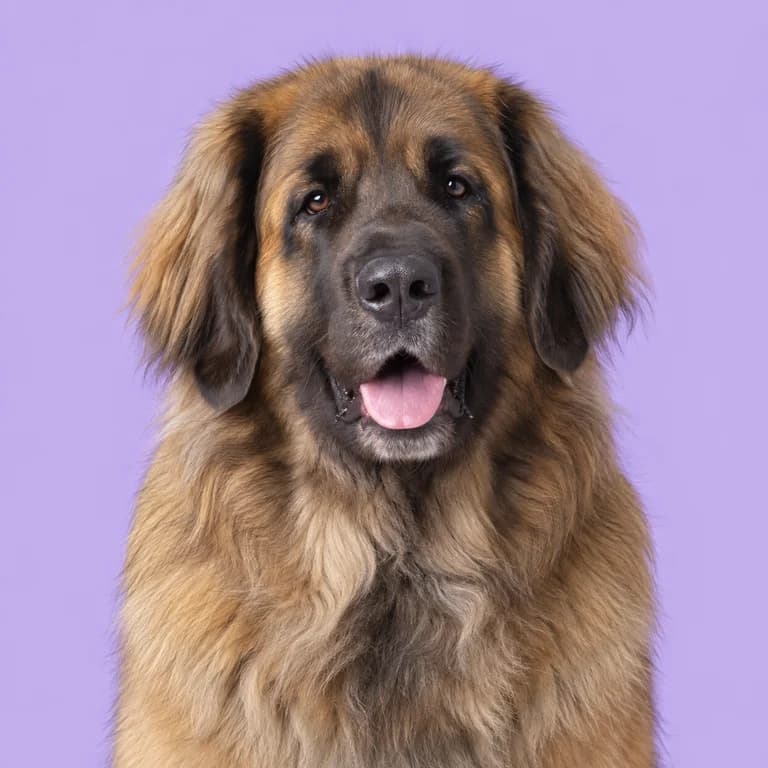
Leonberger
41 to 77 kg · 7 to 9 years
Named for a lion and built like a bear, the Leonberger fills any room, then settles quietly into it.