Sources for this article
Terrier group · Ireland
Irish Terrier
Also called Irish Red Terrier, Daredevil
The fiery red daredevil of the terrier world, loyal and funny with family and famously brave.
Bred on Irish farms to catch vermin, guard the yard and join the hunt, the Irish Terrier is a leggy, red-coated dog with a bold heart. It is loyal, playful and devoted to its people, but can be fiery with other dogs, so it suits owners who enjoy a strong character.
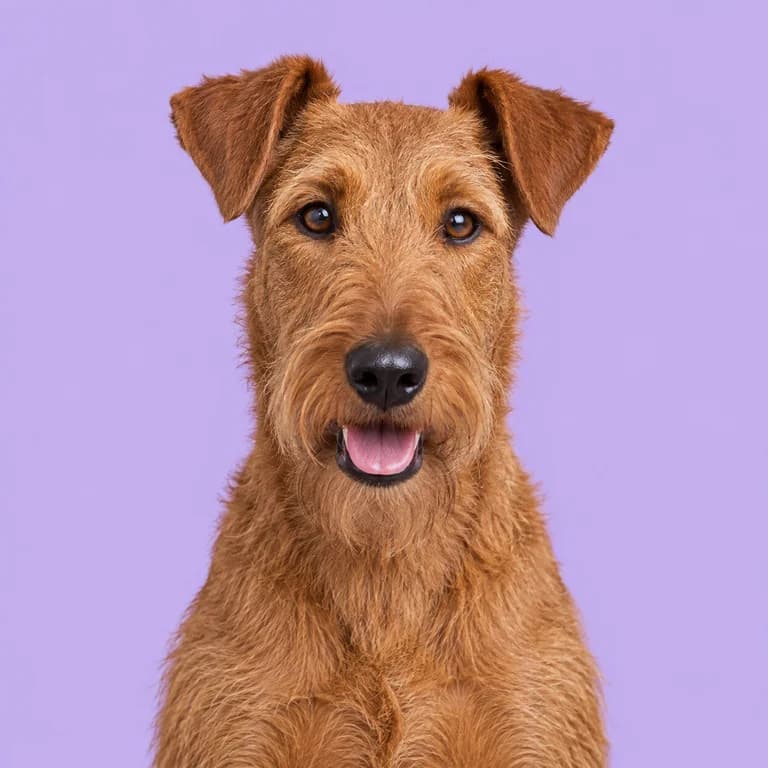
Original AI-generated breed illustration
Weight
10 to 13 kg
22 to 29 lb
Height
44 to 48 cm
at the shoulder
Life expectancy
13 to 15 yrs
Activity estimate
90 to 120 min
editorial daily planning range
Adult-size estimate
12 months
approximate model input
Life with a Irish Terrier
Brave is the word that follows Irish Terriers around. The breed was called the daredevil long before anyone wrote a standard for it, and it earned the name by tackling rats, otters and anything else farmers wanted gone, with a courage no one has ever questioned. In a pet, that fire shows up as a dog that is spirited, confident and eager to be involved in whatever you are doing.
Irish Terriers are often described as one of the oldest terrier breeds, though their early history is hazy. By the late 1800s they were being shown in Ireland and England. During World War I they carried messages and stood sentry near the front lines, and the British trainer Lieutenant Colonel E. H. Richardson is often credited with praising their loyalty and steadiness under fire.
At home they tend to be affectionate, comical and devoted, with a protective streak toward family. Most are good with children who are sensible and respectful, and they play hard. The downside is other dogs: many Irish Terriers will not back down from a challenge, and conflicts between two dogs of the same sex can be serious. Small pets are also at risk.
Expect a companion that wants to be busy, likes to be close to you, and guards the house with more conviction than noise. Owners who fall for the breed tend to describe it as a big personality in a medium-sized body.
What stands out
Training
Quick learners with a low boredom threshold, Irish Terriers do best with short, playful sessions built around rewards. Make training feel like a game, and switch tasks before your dog switches off. Harsh corrections tend to provoke stubbornness or defensiveness rather than cooperation.
Read the full training guideEasy to train
Open with strangers
Good with other dogs
A great match for
- active owners who like a bold character
- families with sensible children
- single-dog households
- people interested in dog sports
Think twice if
- can be aggressive toward unfamiliar dogs
- needs hand stripping for a traditional coat
- strong prey drive toward small animals
- stubborn streak in training
Personality and needs at a glance
Living together
Good with children
Good with other dogs
Open with strangers
Apartment friendly
Copes with alone time
Energy and character
Energy level
Playfulness
Easy to train
Barking
5 means very vocal
Care and climate
Grooming needs
Shedding
Drooling
Handles cold
Handles heat
How much an Irish Terrier eats
Illustrative calculations for neutered adults at midpoint breed weights, with food at 370 kcal per 100 g and 100 g per cup. These are not measured breed requirements. Use actual weight, the food label and veterinary body-condition advice.
| Dog | Weight | Calories | Dry food |
|---|---|---|---|
| Female, relaxed lifestyle | 11 kg | 590 kcal | 160 g (1.5 cups) |
| Female, typical pet | 11 kg | 680 kcal | 185 g (1.8 cups) |
| Male, typical pet | 12 kg | 720 kcal | 195 g (2 cups) |
| Male, very active | 12 kg | 900 kcal | 245 g (2.5 cups) |
Care guides for the Irish Terrier
Things owners are often surprised by
- 1Nicknamed the daredevil for its fearless temperament
- 2Served as messenger and sentry dogs in World War I
- 3Often described as one of the oldest terrier breeds
- 4Coat colors are limited to shades of red, golden red and wheaten
- 5Hand stripping preserves the harsh texture and bright color of the coat
Irish Terrier questions
Are Irish Terriers good with other dogs?
Often not with unfamiliar dogs, especially of the same sex. The breed is known for a fiery temperament and may not back down if challenged. Many live happily with a dog of the opposite sex they grew up with. Careful socialization and supervision help, but plan on managing interactions for the dog's whole life.
Do Irish Terriers shed?
Very little when the coat is properly hand stripped, because dead hair is removed during grooming rather than falling around the house. Clipped coats shed a bit more and may become softer over time. Regular brushing keeps loose hair under control either way.
What is hand stripping and does my Irish Terrier need it?
Hand stripping means pulling out dead outer hairs with your fingers or a stripping knife so new harsh hair can grow in. It keeps the Irish Terrier's color bright and texture wiry. Show dogs must be stripped, but pet owners can choose clipping, which is easier but changes how the coat looks and feels.
Are Irish Terriers good family dogs?
For active families, yes. They are loyal, playful and protective, and usually very good with sensible children. Their energy and strong character mean they need consistent training and daily exercise. Homes with other dogs or small pets should think carefully before choosing this breed.
Why are Irish Terriers called daredevils?
The nickname reflects their famous courage. Bred to deal with vermin and guard farms, they face threats without hesitation, and they earned wide admiration as messenger dogs in World War I. In everyday life, the daredevil side shows as boldness, confidence and a readiness to take on any challenge, sensible or not.
Popular answers for owners
- Grooming and coatWhat happens at a typical dog grooming appointment?
- Bowls and feeding gearCan the wrong bowl make a flat faced dog gag while eating?
- Bowls and feeding gearHow often should water bowls be refilled and washed?
- Puppy feeding and growthWhen should a small breed puppy switch to adult food?
- Grooming and coatWhy do my clippers overheat or pull my dog's coat?
- Bowls and feeding gearCan a feeding mat catch spilled water effectively?
Breeds you might compare
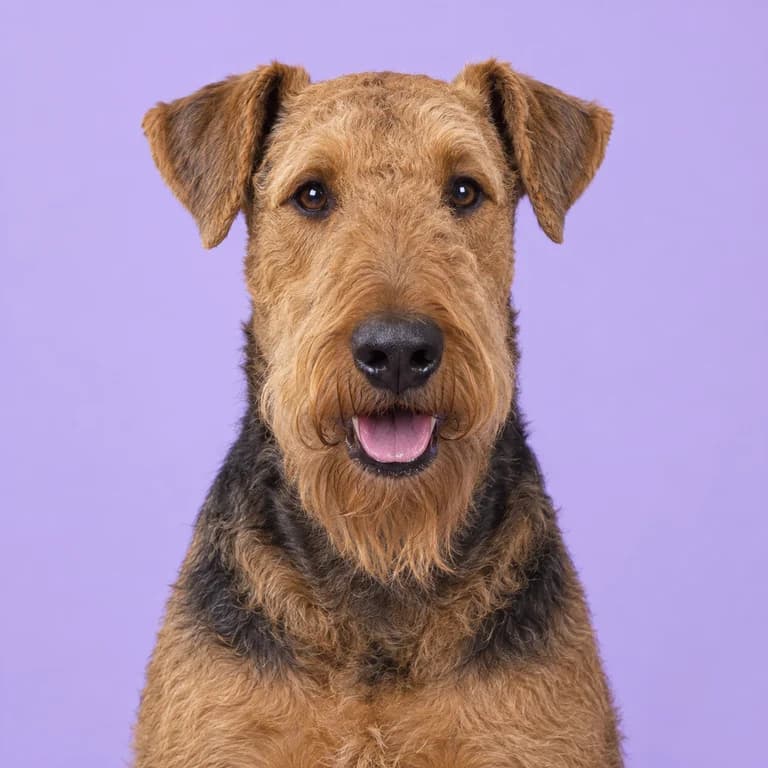
Terrier group
Airedale Terrier
18 to 29 kg · 11 to 14 years
The largest terrier, bred by Yorkshire workers to hunt otters and rats, and later trusted with wartime messages.
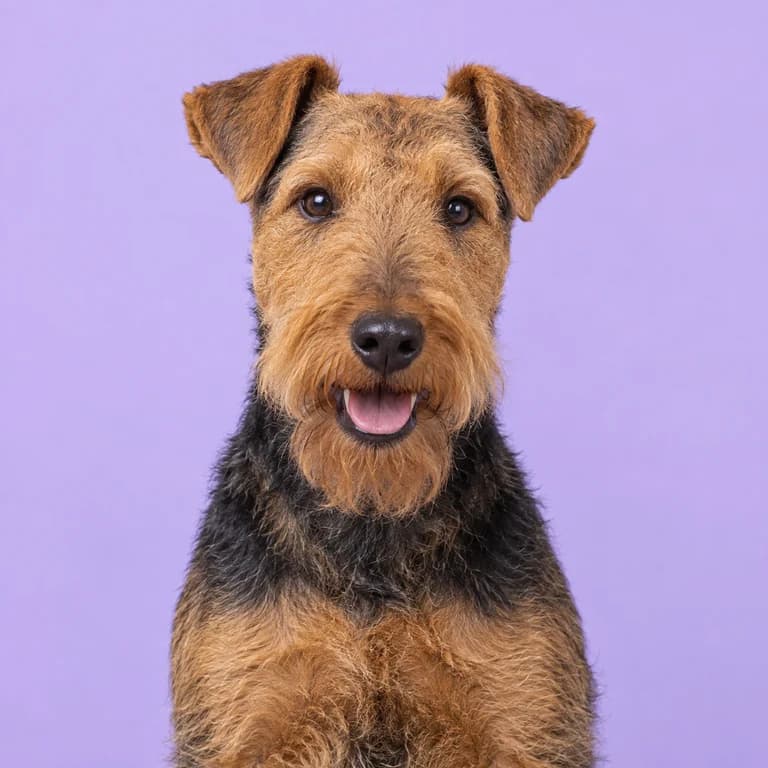
Terrier group
Welsh Terrier
8 to 10 kg · 12 to 15 years
Confident, clownish and a little stubborn, the Welsh Terrier packs a working terrier's spirit into a tidy 10 kg.
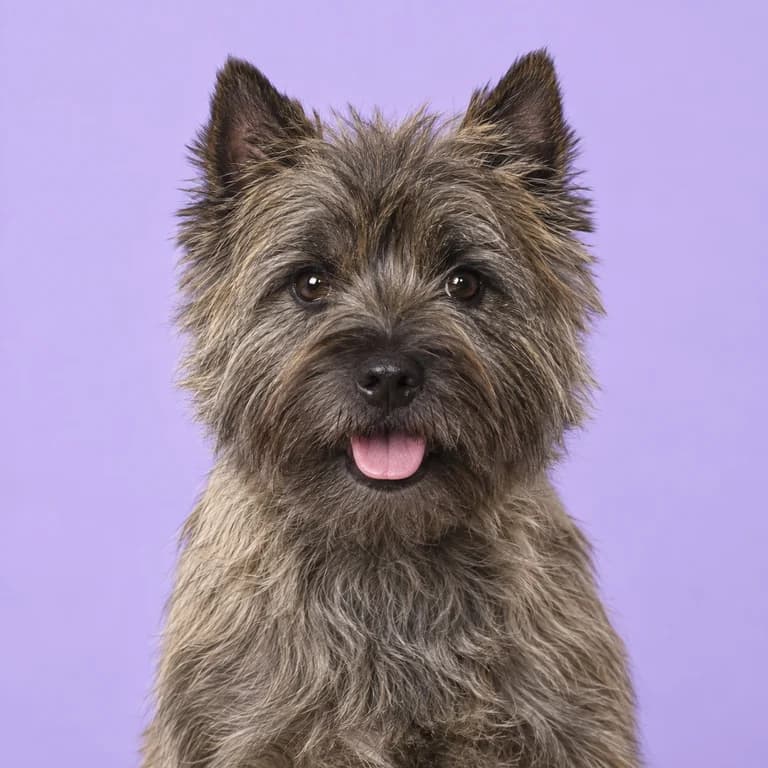
Terrier group
Cairn Terrier
6 to 8 kg · 13 to 15 years
A shaggy, fox-faced Highland terrier with a confident mind of its own and endless curiosity.
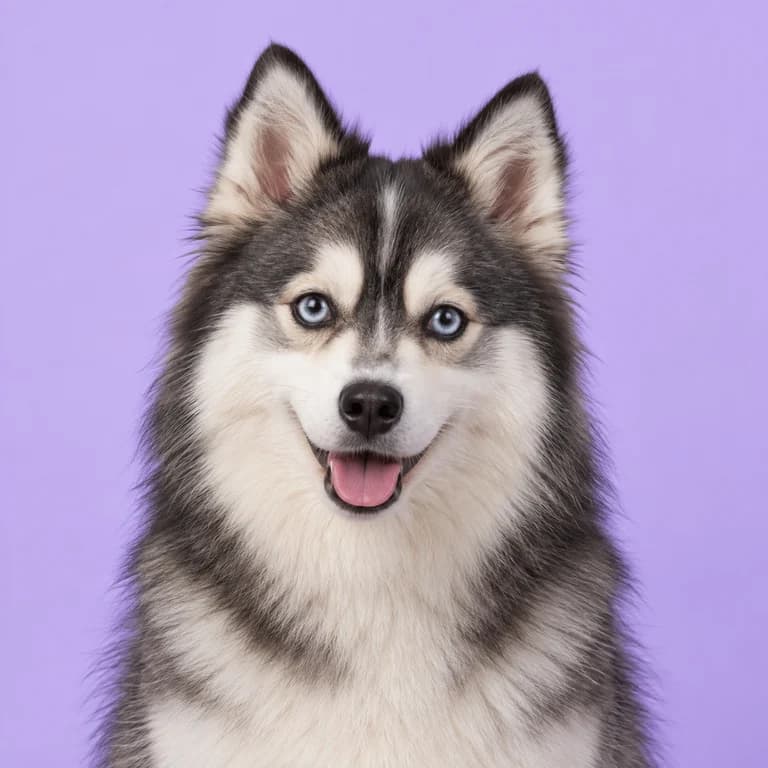
Crossbreed
Pomsky
7 to 14 kg · 12 to 15 years
A Husky look in a smaller package, with size and personality that vary more than many buyers expect.
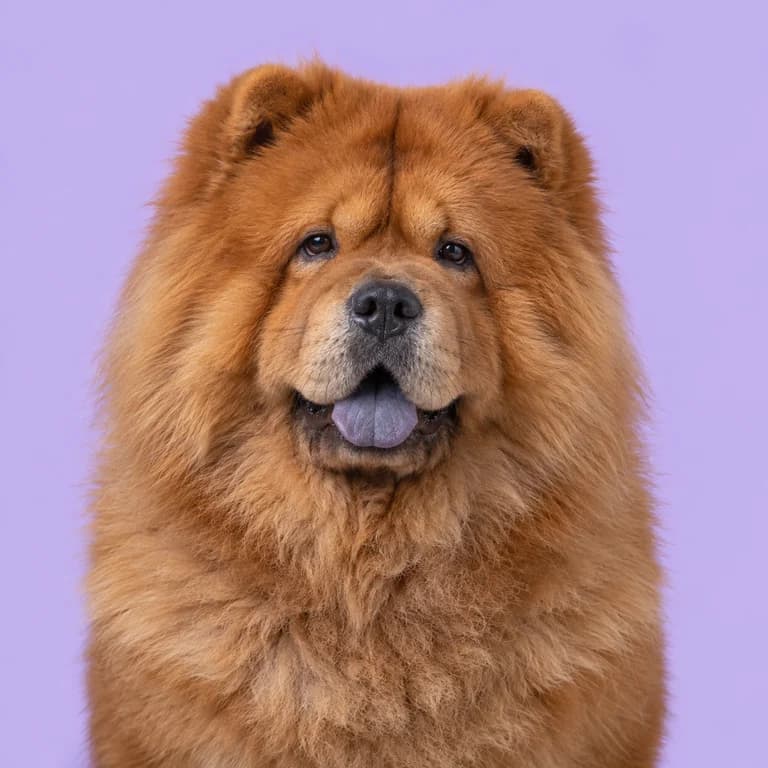
Non-sporting group
Chow Chow
20 to 32 kg · 8 to 12 years
A lion-maned, blue-tongued dog whose dense coat demands as much attention as its independent mind.
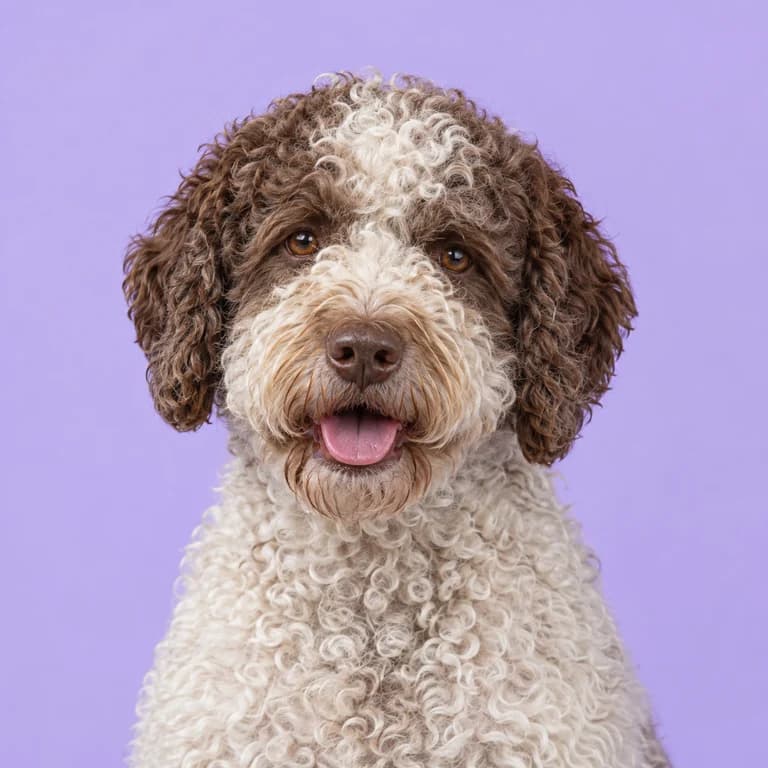
Sporting group
Lagotto Romagnolo
11 to 16 kg · 14 to 16 years
An Italian marsh retriever turned truffle hunter, with a curly coat and a nose that loves to dig.