Crossbreed · United States
Pomsky
Also called Pomeranian Husky, Husky Pom
A Husky look in a smaller package, with size and personality that vary more than many buyers expect.
The Pomsky is a cross between a Pomeranian and a Siberian Husky, first bred in the early 2010s to create a small dog with a Husky appearance. Adults usually weigh 7 to 14 kg, but size, coat and temperament can vary widely even within a litter. They are playful, lively and vocal, and need an owner ready for training and lots of shedding.
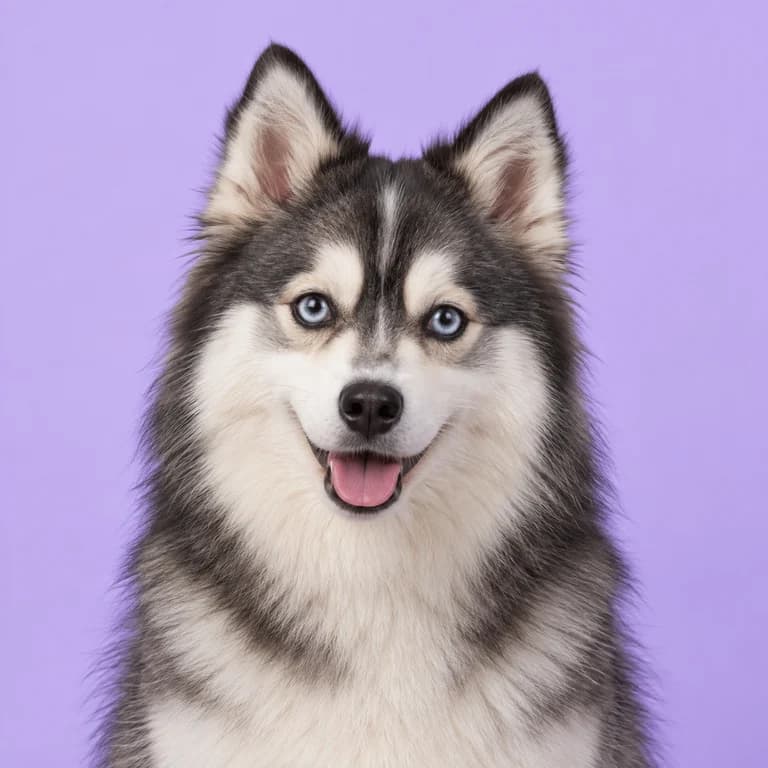
Original AI-generated breed illustration
Weight
7 to 14 kg
15 to 31 lb
Height
28 to 38 cm
at the shoulder
Life expectancy
12 to 15 yrs
Activity estimate
90 to 120 min
editorial daily planning range
Adult-size estimate
12 months
approximate model input
Life with a Pomsky
The Pomsky is a recent designer cross that started in the United States and quickly became popular online. Breeders set out to capture the look of a Siberian Husky, with its mask, blue eyes and wolfish outline, in a much smaller dog. Because the parents differ so much in size, first-generation litters are generally produced by artificial insemination, with the Husky as the mother.
Variation is the defining feature. A first-generation Pomsky (F1) has one purebred Pomeranian and one purebred Husky parent, so puppies can resemble either side or anything in between. Some are 7 kg with a fluffy Pom coat, others 14 kg with a Husky build. Later generations, such as F2 or multigenerational Pomskies bred from Pomsky parents, can become somewhat more predictable, but variation still happens. Any breeder who guarantees an exact adult size is overpromising.
Personality also blends. Pomskies are usually playful, curious and affectionate, with the Pomeranian's boldness and the Husky's energy and independence. Many are vocal, clever escape artists and cheeky about rules. They suit owners who enjoy an active, interactive dog and do not expect a quiet lapdog.
What stands out
Puppy growth
Pomsky puppies grow quickly and reach most of their adult size by 9 to 12 months. Because parents vary so much, puppies from the same litter can grow at different rates and finish at very different sizes. Asking the breeder about the size of previous puppies from the same parents gives a more realistic estimate than any chart.
Read the full puppy growth guideIllustrative model, not observed breed data or a healthy-weight standard. Use actual measurements and veterinary advice to assess growth.
A great match for
- active owners who like a playful, social dog
- people who want a Husky look in a smaller size
- families with older children
- owners ready to put time into training
Think twice if
- unpredictable adult size and temperament
- very heavy shedding
- vocal, with barking and Husky-style howling
- can be stubborn and escape-prone
- high prices and irresponsible breeding
Personality and needs at a glance
Living together
Good with children
Good with other dogs
Open with strangers
Apartment friendly
Copes with alone time
Energy and character
Energy level
Playfulness
Easy to train
Barking
5 means very vocal
Care and climate
Grooming needs
Shedding
Drooling
Handles cold
Handles heat
How much a Pomsky eats
Illustrative calculations for neutered adults at midpoint breed weights, with food at 370 kcal per 100 g and 100 g per cup. These are not measured breed requirements. Use actual weight, the food label and veterinary body-condition advice.
| Dog | Weight | Calories | Dry food |
|---|---|---|---|
| Female, relaxed lifestyle | 10 kg | 530 kcal | 145 g (1.5 cups) |
| Female, typical pet | 10 kg | 610 kcal | 165 g (1.8 cups) |
| Male, typical pet | 11 kg | 680 kcal | 185 g (1.8 cups) |
| Male, very active | 11 kg | 850 kcal | 230 g (2.3 cups) |
Care guides for the Pomsky
Things owners are often surprised by
- 1The cross became popular around 2012 after pictures of small Husky-looking dogs spread online
- 2First-generation puppies are usually produced by artificial insemination, with the Husky as the mother because of the size difference
- 3Typical adults weigh 7 to 14 kg (15 to 30 lb), but individuals outside that range are common
- 4Later generations, often called multigenerational Pomskies, are bred from Pomsky parents to create more consistent traits
- 5Many Pomskies have striking blue eyes, or one blue and one brown eye, inherited from the Husky side
- 6The Pomsky is not recognized as a breed by major kennel clubs, though breeder clubs keep their own registries
Pomsky questions
How big will my Pomsky get?
It depends on its parents and generation. Many adult Pomskies weigh 7 to 14 kg (15 to 30 lb), but some are smaller or larger. First-generation Pomskies vary the most, while multigenerational lines can be more predictable. Ask the breeder about the size of both parents and previous litters. Be wary of any promise of a guaranteed tiny adult.
Are Pomskies good family dogs?
They can be, especially with older children who can handle an energetic, sometimes stubborn dog. Pomskies are usually playful and affectionate, but small ones can be hurt by rough handling, and some can be nippy if poorly socialized. Supervise young children, teach gentle handling and give the dog a quiet space to retreat when it needs a break.
Why are Pomskies so expensive?
First-generation Pomskies usually require artificial insemination, veterinary support and careful management of a Husky mother carrying puppies from a much smaller father. Demand is also high because of their popularity online. Unfortunately, high prices attract careless breeders too. Always ask for health test results, meet the parents if possible, and avoid sellers who cannot explain how the litter was produced.
Do Pomskies bark or howl a lot?
Many do. The Pomeranian side is often alert and yappy, while the Husky side brings howling and talkative vocalizations. Boredom and loneliness make it worse. Daily exercise, mental stimulation and training a quiet cue help, but if you need a very quiet dog, a Pomsky may not be the best choice.
Is a Pomsky hypoallergenic?
No. Both parent breeds have thick double coats that shed heavily, and Pomskies usually shed a lot too. They can trigger allergies in sensitive people. Regular brushing and cleaning reduce loose hair, but they will not make the dog allergy-friendly. If allergies are a concern, spend time with an adult Pomsky before committing.
Popular answers for owners
- Puppy feeding and growthHow much should I feed the runt of the litter?
- Bowls and feeding gearAre slow feeder bowls good for puppies?
- How much to feedHow much should I feed a low energy or couch potato dog?
- Exercise and playHow do I choose toys for a heavy chewer?
- Exercise and playHow do I exercise a blind dog safely?
- Puppy feeding and growthHow much should my puppy weigh at 8 weeks?
Breeds you might compare

Crossbreed
Cavapoo
5 to 11 kg · 12 to 15 years
Cavalier softness meets Poodle brains in a people-focused cross sized for almost any home.

Crossbreed
Cockapoo
5 to 11 kg · 12 to 15 years
Part spaniel, part poodle, the Cockapoo is a sociable, playful companion with a coat that never lets you skip grooming.
Crossbreed
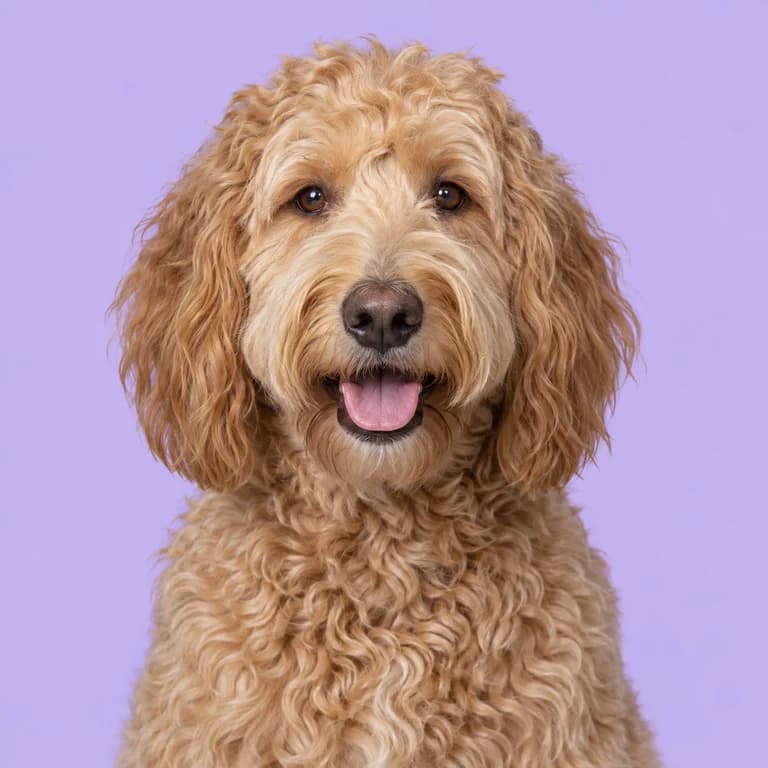
Goldendoodle
23 to 36 kg · 10 to 15 years
A sociable Golden Retriever and Poodle cross whose coat type decides how much of your week goes to brushing.
Herding group
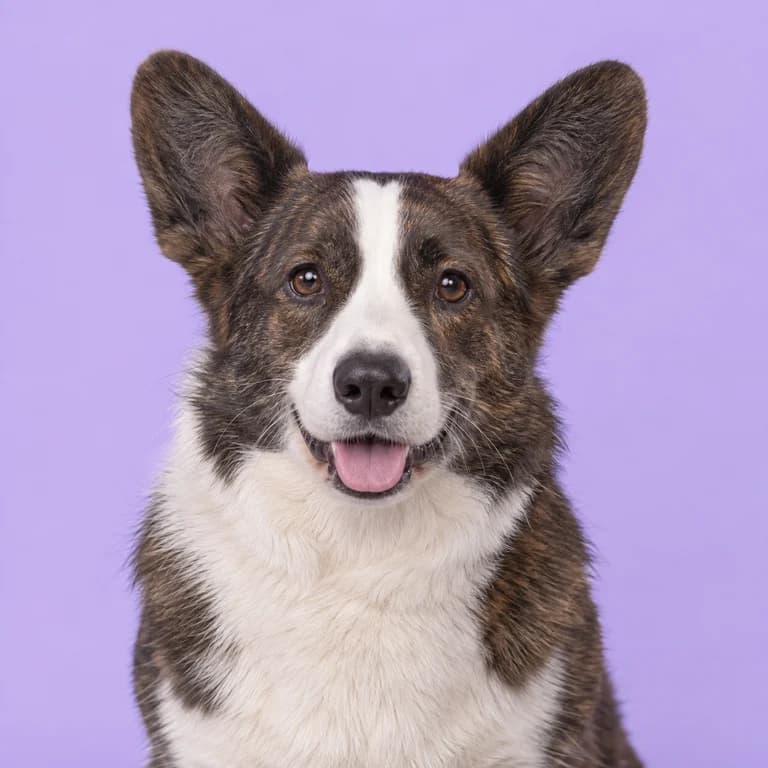
Cardigan Welsh Corgi
12 to 17 kg · 12 to 15 years
The older, long-tailed corgi from the Welsh hills, built low to drive cattle and still thinking like a farmhand.
Herding group
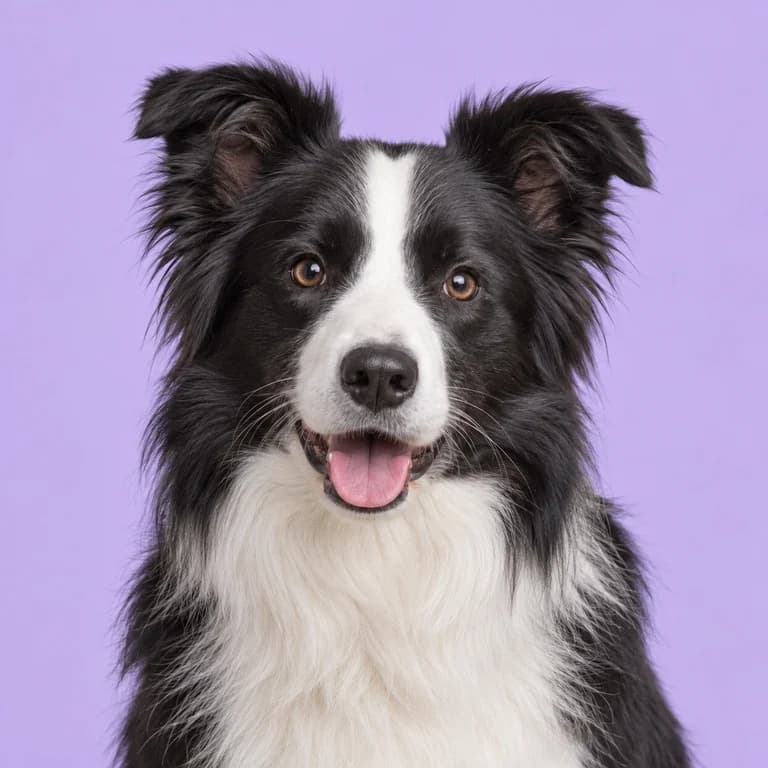
Border Collie
12 to 20 kg · 12 to 15 years
Possibly the most gifted working mind in dogs, and it needs a job every single day.
Sporting group
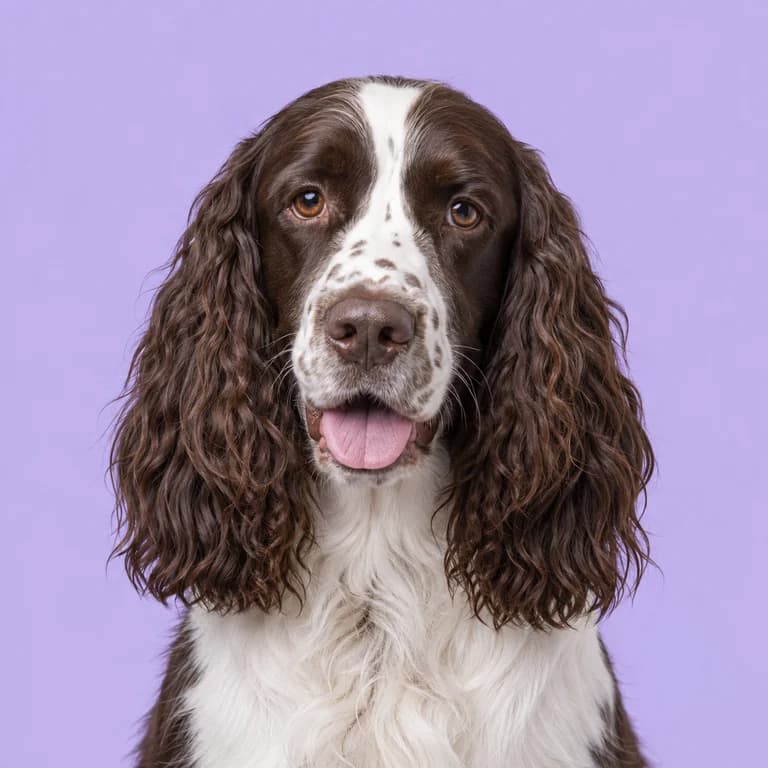
English Springer Spaniel
18 to 25 kg · 12 to 14 years
A tireless flushing spaniel that treats every hedge as a job and every walk as a hunt.