Sources for this article
Terrier group · England
Airedale Terrier
Also called Airedale, King of Terriers, Waterside Terrier
The largest terrier, bred by Yorkshire workers to hunt otters and rats, and later trusted with wartime messages.
The Airedale was developed in the valley of the River Aire in Yorkshire by crossing working terriers with the Otterhound. It kept the terrier's confidence and humor but gained size, a love of water and the ability to turn its paw to almost any job, which is why it has served as hunter, police dog and army messenger.
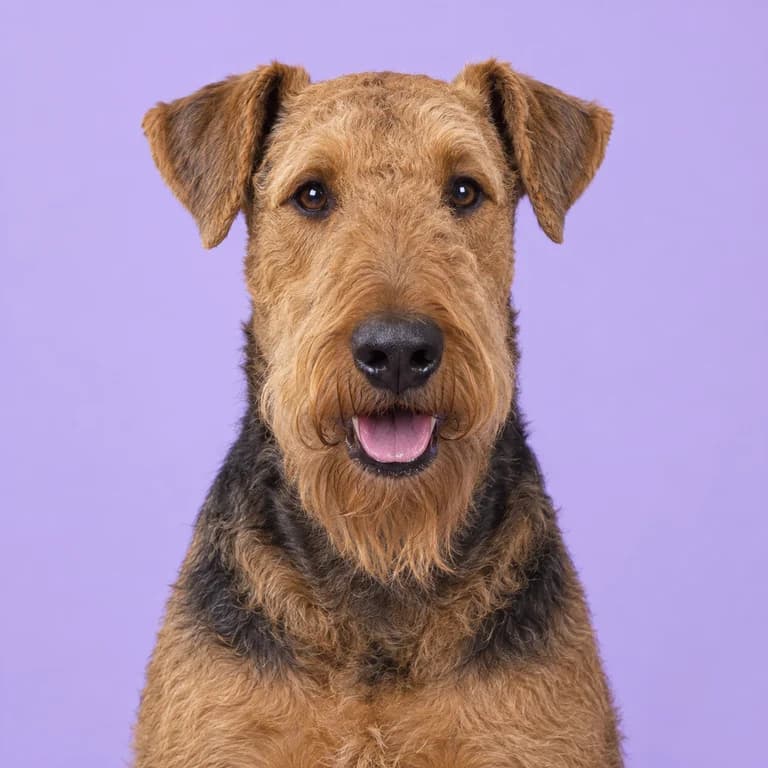
Original AI-generated breed illustration
Weight
18 to 29 kg
40 to 64 lb
Height
56 to 61 cm
at the shoulder
Life expectancy
11 to 14 yrs
Activity estimate
90 to 120 min
editorial daily planning range
Adult-size estimate
18 months
approximate model input
Life with a Airedale Terrier
In the mid 1800s, mill and factory workers around the Aire and Wharfe valleys wanted a terrier that could do more than bolt a rat from a drain. They crossed the old black and tan working terrier with the Otterhound, and the resulting dogs could swim, track along riverbanks and take on otters and water rats that smaller terriers could not handle. Agricultural shows around Bingley helped fix the type, and the name Airedale had stuck by the late 1870s.
Size and brains carried the breed far beyond the riverbank. Before the First World War, police forces in Britain and Germany experimented with Airedales, and during the war Lieutenant Colonel Edwin Richardson's British War Dog School trained many as messengers and sentries. Soldiers valued their ability to cross broken ground under fire and keep going. In North America, hunters took them after larger game and kept them as all-purpose farm dogs.
At home the Airedale is bold, playful and something of a clown, with a long memory and firm opinions. It is usually affectionate with family and polite but reserved with strangers. Like most terriers it can be quick to answer a challenge from another dog, and small animals that run are fair game unless it grew up with them. Owners often say the breed stays puppyish until about 3 years old.
A great match for
- active owners who like a dog with a sense of humor
- families with older children
- tracking, obedience and working trials
- people who want a low-shedding coat and will keep up the grooming
Think twice if
- digging and chasing small animals
- may not back down from dogs of the same sex
- coat needs stripping or clipping every few months
- bored quickly by repetitive training
- long, mouthy adolescence
Personality and needs at a glance
Living together
Good with children
Good with other dogs
Open with strangers
Apartment friendly
Copes with alone time
Energy and character
Energy level
Playfulness
Easy to train
Barking
5 means very vocal
Care and climate
Grooming needs
Shedding
Drooling
Handles cold
Handles heat
How much an Airedale Terrier eats
Illustrative calculations for neutered adults at midpoint breed weights, with food at 370 kcal per 100 g and 100 g per cup. These are not measured breed requirements. Use actual weight, the food label and veterinary body-condition advice.
| Dog | Weight | Calories | Dry food |
|---|---|---|---|
| Female, relaxed lifestyle | 22 kg | 980 kcal | 265 g (2.8 cups) |
| Female, typical pet | 22 kg | 1120 kcal | 300 g (3 cups) |
| Male, typical pet | 26 kg | 1290 kcal | 350 g (3.5 cups) |
| Male, very active | 26 kg | 1610 kcal | 435 g (4.3 cups) |
Care guides for the Airedale Terrier
Things owners are often surprised by
- 1Early names included Waterside Terrier and Bingley Terrier; Airedale was in general use by the late 1870s.
- 2Adults stand about 56 to 61 cm (22 to 24 in), roughly twice the height of many other terriers.
- 3The British Army trained Airedales as messenger and sentry dogs during the First World War.
- 4Show dogs are hand-stripped, a technique that plucks out dead hair to keep the coat harsh and weatherproof.
- 5Airedales were among the first breeds tried for police work in Britain and Germany in the early 1900s.
Airedale Terrier questions
Why is the Airedale called the King of Terriers?
It is the tallest and heaviest of the terrier breeds, and early fanciers were proud of how many jobs it could do. An Airedale could hunt vermin, retrieve from water, track, guard, and work with police and soldiers. The nickname reflects that range as much as its size. Owners like to add that it also behaves as though it owns the house.
Do Airedales shed?
Very little when the coat is stripped regularly, because the dead hair is removed by hand before it drops. Clipped coats also shed lightly, though the texture changes. No dog is truly hypoallergenic, but some people with mild dog allergies find a well-groomed Airedale easier to live with than a heavy shedder. Spend time with adult Airedales before committing if allergies are a concern.
Are Airedales good with other dogs?
Many live happily with other dogs, particularly ones they grew up with. Some, especially males, will not back down if another dog of the same sex challenges them. Early socialization, careful introductions and pairing opposite sexes all reduce problems. Watch for stiff posture and hard stares at the park, and leave before tension builds.
What is the difference between hand-stripping and clipping?
Hand-stripping plucks dead hair out by the root with fingers or a stripping knife, letting a fresh harsh coat grow in. Clipping cuts the hair at the surface and leaves the dead roots in place, which slowly softens the coat and fades the colors. Stripping takes longer and costs more but keeps the coat weatherproof. Clipping is perfectly fine for a pet whose owner prefers convenience.
Can an Airedale be a good guard dog?
Airedales are alert, brave and protective of their people, and their size and deep bark put off most unwanted visitors. They are not usually aggressive without reason, which makes them better household watchdogs than true guard dogs. Good socialization keeps that protectiveness sensible, so the dog can tell the difference between a delivery driver and a real threat.
Popular answers for owners
- Exercise and playHow much exercise does a low energy breed need?
- Bowls and feeding gearWhat is the right bowl capacity for a Labrador?
- Exercise and playAre squeaky toys safe for aggressive chewers?
- Bowls and feeding gearShould bowls sit directly on the floor or on a mat?
- Puppy feeding and growthWhen can puppies start having chew treats?
- How much to feedWhat does an ideal weight dog look like from the side?
Breeds you might compare
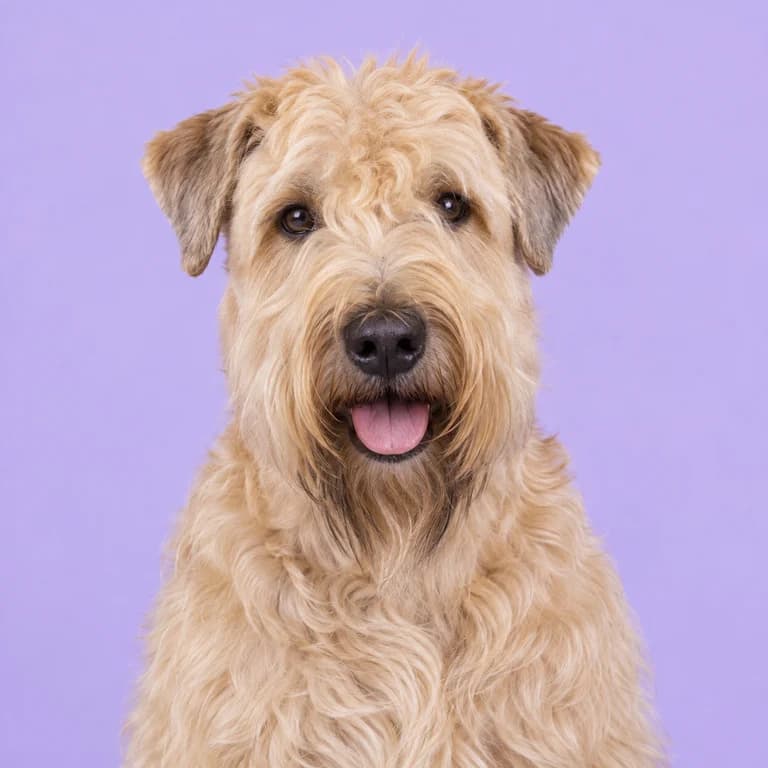
Terrier group
Soft Coated Wheaten Terrier
14 to 18 kg · 12 to 14 years
Silky, bouncy and relentlessly cheerful, the Wheaten asks for more brushing than almost any terrier.
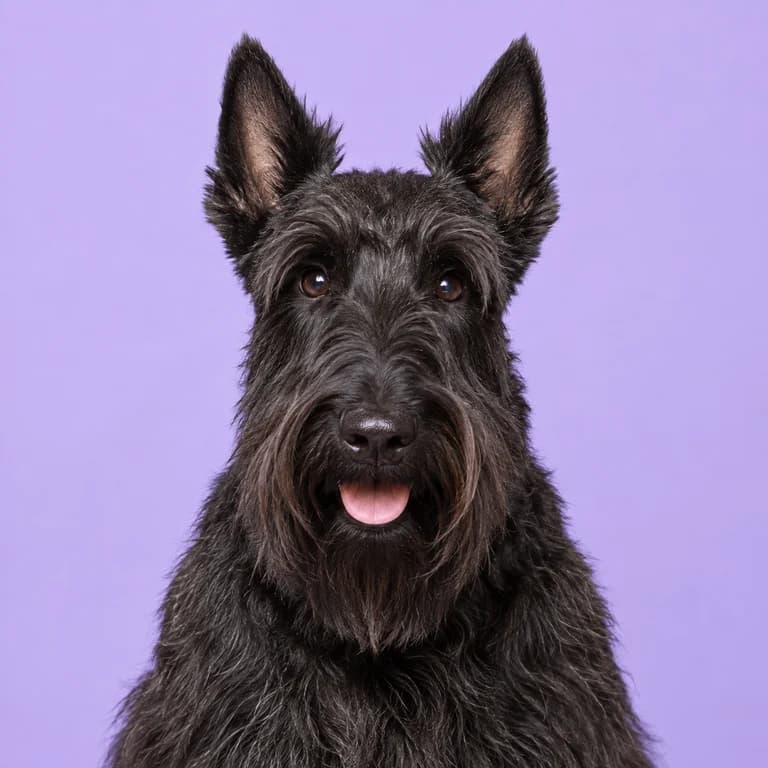
Terrier group
Scottish Terrier
8 to 10 kg · 11 to 13 years
A short-legged Highland den hunter with a beard, bushy eyebrows and the dignified stubbornness of a small laird.
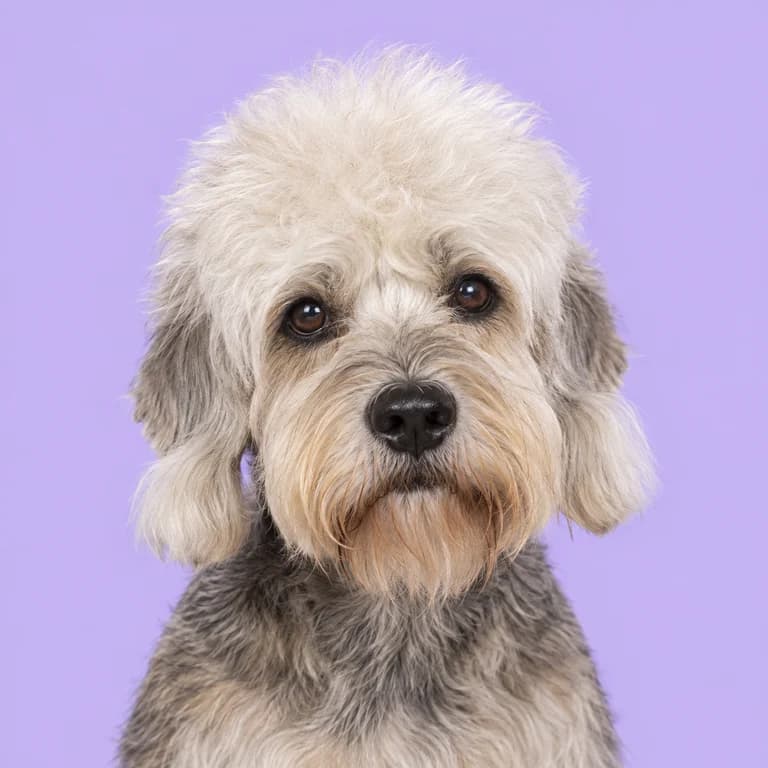
Terrier group
Dandie Dinmont Terrier
8 to 11 kg · 12 to 15 years
A long, low Border terrier with a soft topknot, a dignified stare and a coat that shows off good grooming.
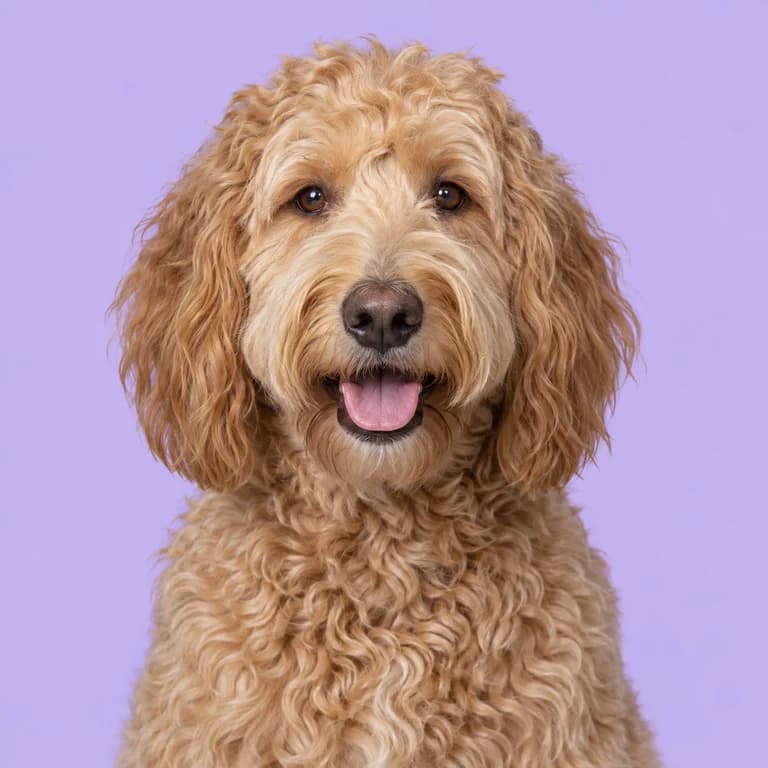
Crossbreed
Goldendoodle
23 to 36 kg · 10 to 15 years
A sociable Golden Retriever and Poodle cross whose coat type decides how much of your week goes to brushing.
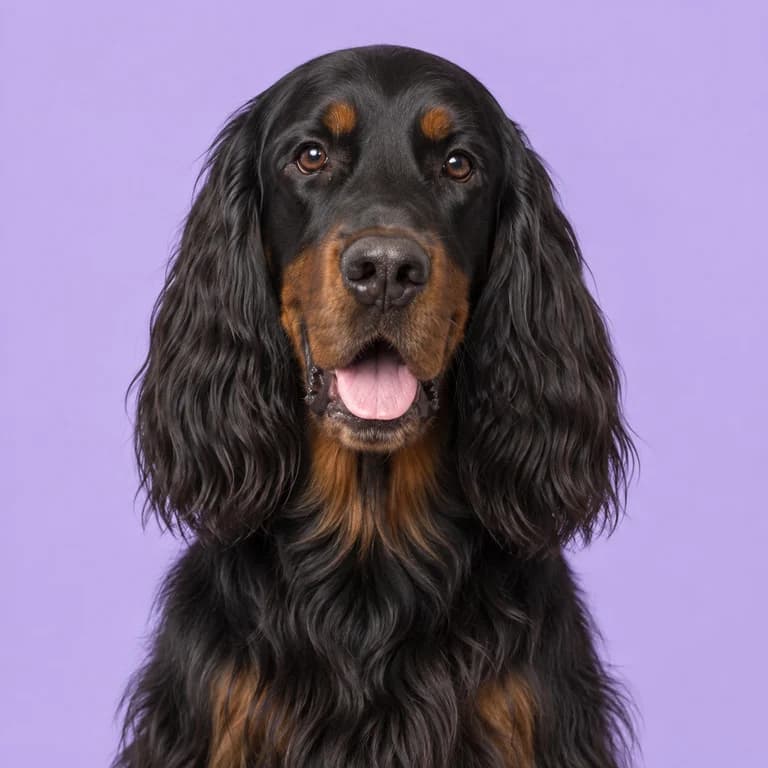
Sporting group
Gordon Setter
20 to 36 kg · 10 to 12 years
The heaviest and most thoughtful of the setters, shaped by a Scottish duke for long days on grouse moors.
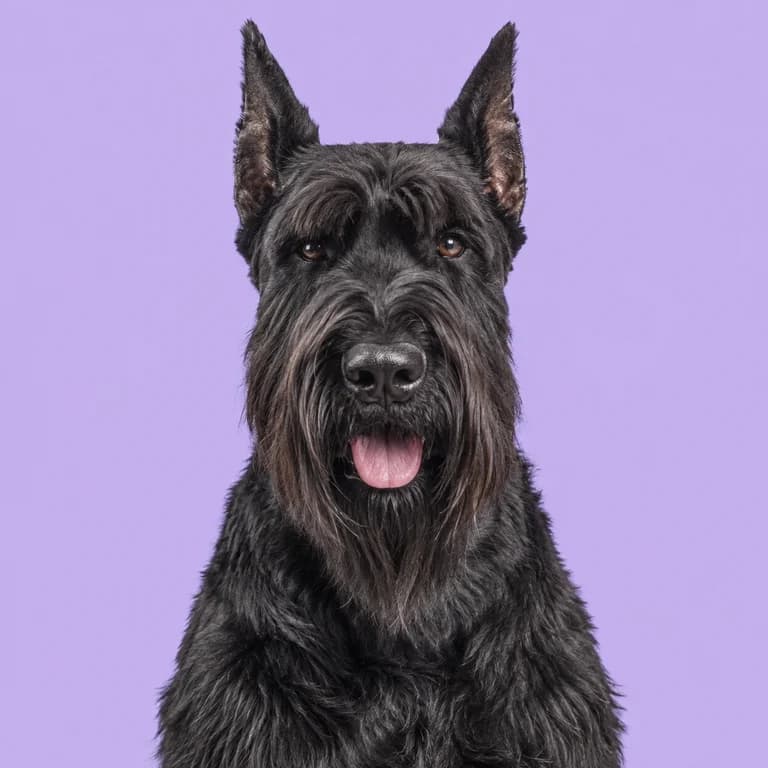
Working group
Giant Schnauzer
25 to 45 kg · 10 to 12 years
A powerful, clever working dog that thrives on structure and a job, and makes up its own without them.