Sources for this article
Sporting group · Italy
Lagotto Romagnolo
Also called Lagotto, Romagna Water Dog
An Italian marsh retriever turned truffle hunter, with a curly coat and a nose that loves to dig.
The Lagotto Romagnolo started as a retriever in the wetlands of northeast Italy and became a specialist truffle dog when those marshes were drained. It is affectionate, busy and clever, with a dense curly coat that sheds little but needs careful management.
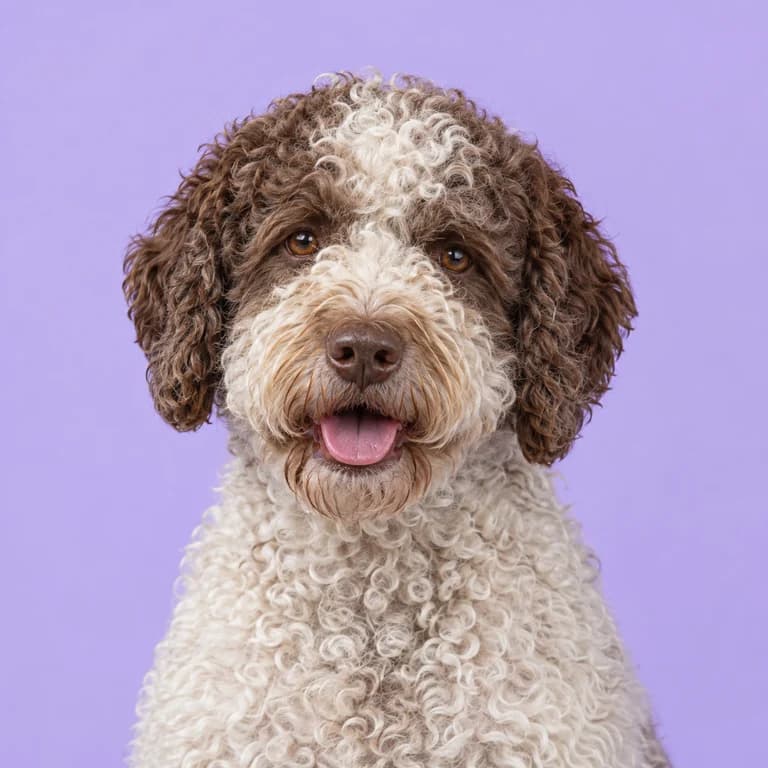
Original AI-generated breed illustration
Weight
11 to 16 kg
24 to 35 lb
Height
41 to 48 cm
at the shoulder
Life expectancy
14 to 16 yrs
Activity estimate
90 to 120 min
editorial daily planning range
Adult-size estimate
15 months
approximate model input
Life with a Lagotto Romagnolo
Several centuries ago, in the lagoons around Comacchio and the lowlands near Ravenna, hunters used curly-coated dogs to fetch coot and duck from cold, reedy water. Those dogs are the ancestors of the Lagotto Romagnolo. When the marshes were drained for farmland during the 1800s, the dogs lost their job, and their owners found them a new one in the hills of Romagna: searching for truffles.
Truffle work shaped the modern breed. A good truffle dog has to search steadily for hours, ignore game and other distractions, and dig only enough to show the handler where the truffle lies without damaging it. Concentration, cooperation and an exceptional nose are the qualities breeders still select for. By the 1970s the breed had drifted and mixed with other types, and Italian enthusiasts set out to rebuild it from the best remaining dogs; it has since spread worldwide.
In family life the Lagotto is loving, lively and curious. It likes being involved, is usually good with children and other pets, and is watchful without being sharp. Expect a dog that investigates every smell on a walk, carries objects around the house and may try to rearrange the flowerbeds. Its medium size makes it easy to take along, while its brain needs more occupation than its teddy bear look suggests.
A great match for
- active families
- nosework, tracking and truffle hunting fans
- people with mild allergies who accept regular grooming
- homes with a garden that can spare a digging corner
Think twice if
- strong urge to dig
- coat mats and felts if neglected
- can be sensitive to loud noises
- scavenges on walks
Personality and needs at a glance
Living together
Good with children
Good with other dogs
Open with strangers
Apartment friendly
Copes with alone time
Energy and character
Energy level
Playfulness
Easy to train
Barking
5 means very vocal
Care and climate
Grooming needs
Shedding
Drooling
Handles cold
Handles heat
How much a Lagotto Romagnolo eats
Illustrative calculations for neutered adults at midpoint breed weights, with food at 370 kcal per 100 g and 100 g per cup. These are not measured breed requirements. Use actual weight, the food label and veterinary body-condition advice.
| Dog | Weight | Calories | Dry food |
|---|---|---|---|
| Female, relaxed lifestyle | 13 kg | 650 kcal | 175 g (1.8 cups) |
| Female, typical pet | 13 kg | 740 kcal | 200 g (2 cups) |
| Male, typical pet | 15 kg | 830 kcal | 225 g (2.3 cups) |
| Male, very active | 15 kg | 1040 kcal | 280 g (2.8 cups) |
Care guides for the Lagotto Romagnolo
Things owners are often surprised by
- 1The name comes from the dialect of Romagna and roughly means water dog from Romagna.
- 2Truffle hunters value the breed because it digs lightly and leaves the find for the handler instead of eating it.
- 3Its coat is clipped to around 4 cm (1.5 in) all over, following the shape of the body.
- 4Italian enthusiasts began a formal recovery of the breed in the 1970s, and the American Kennel Club recognized it in 2015.
- 5A DNA test exists for a form of juvenile epilepsy seen in the breed.
Lagotto Romagnolo questions
Can a Lagotto Romagnolo really find truffles?
Yes, and many still work in Italy, France and elsewhere. Truffle dogs are trained by pairing truffle scent with rewards, starting with scented toys and moving on to buried samples. Pet Lagotti often love the same training as a game, even if they never find a real truffle, and the skills carry straight over to nosework sports.
Do Lagotti shed?
Very little. Loose hair tends to stay caught in the curls rather than dropping on the floor, which is why combing and regular clipping matter. Some people with mild allergies tolerate the breed well, though no dog is truly allergen-free. The trade-off is maintenance: a neglected coat mats and felts against the skin.
Why does my Lagotto dig so much?
Digging is part of the truffle job, so it is deeply ingrained. You are unlikely to stop it completely, but you can redirect it. Give your dog a sandpit or corner where digging is allowed, bury toys and treats there to reward using it, and calmly interrupt digging elsewhere. More nosework and mental exercise usually reduce digging in the wrong places.
How is a Lagotto different from a Spanish Water Dog or a Poodle?
All three are curly-coated water dogs, but they differ in build and purpose. The Lagotto is a compact, square dog with ring-shaped curls and a strong searching drive. The Spanish Water Dog is a herding and working breed whose coat can grow into cords. Poodles come in several sizes and have a denser, more uniform curl. Temperaments overlap but are not identical.
Is a Lagotto good with children?
Generally yes. Lagotti are affectionate and playful, and their medium size makes them sturdy enough for family life without overwhelming small children. Early socialization and gentle handling rules for kids help things go smoothly. Because they are sensitive, they do best in homes that are lively but not chaotic, with a quiet place to retreat.
Popular answers for owners
- Grooming and coatCan I cut mats out of my dog's coat myself?
- Puppy feeding and growthWhy do puppy foods have more fat than adult dog food?
- Grooming and coatHow often should a doodle be brushed?
- Exercise and playAre tennis balls bad for a dog's teeth?
- Exercise and playWhat is exercise intolerance in dogs?
- How much to feedDo calorie needs change much between spring and winter?
Breeds you might compare
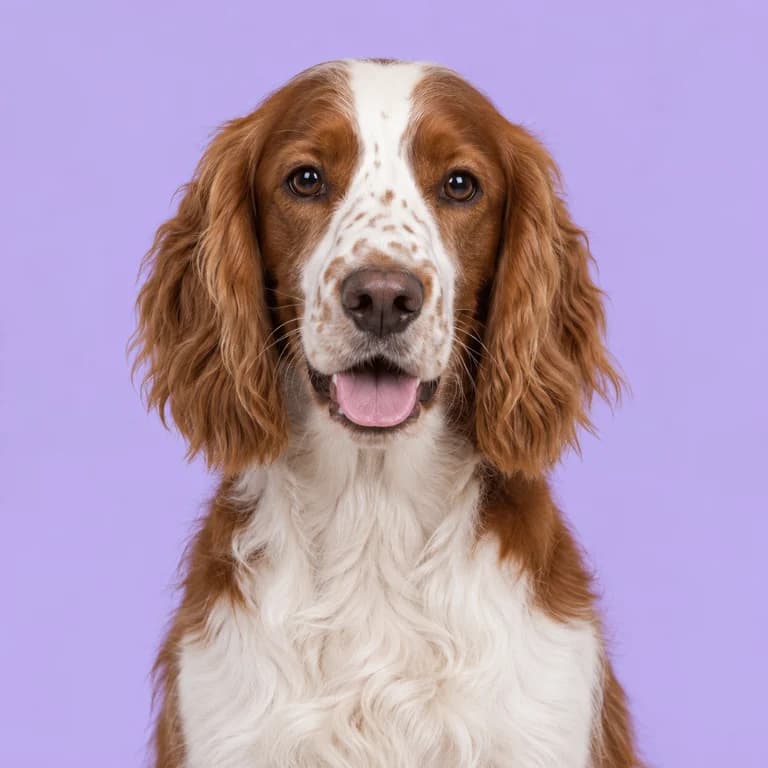
Sporting group
Welsh Springer Spaniel
16 to 25 kg · 12 to 15 years
A red-and-white Welsh gundog that learns best through partnership, patience and plenty of miles.
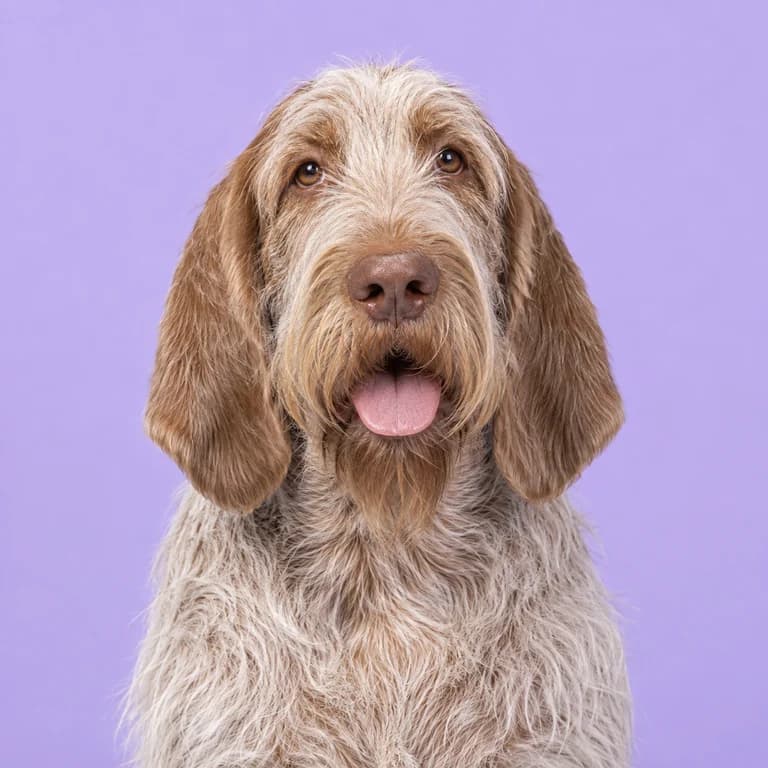
Sporting group
Spinone Italiano
28 to 39 kg · 10 to 12 years
A bearded Italian pointer with a gentle, patient soul and a pace best described as thoughtful.
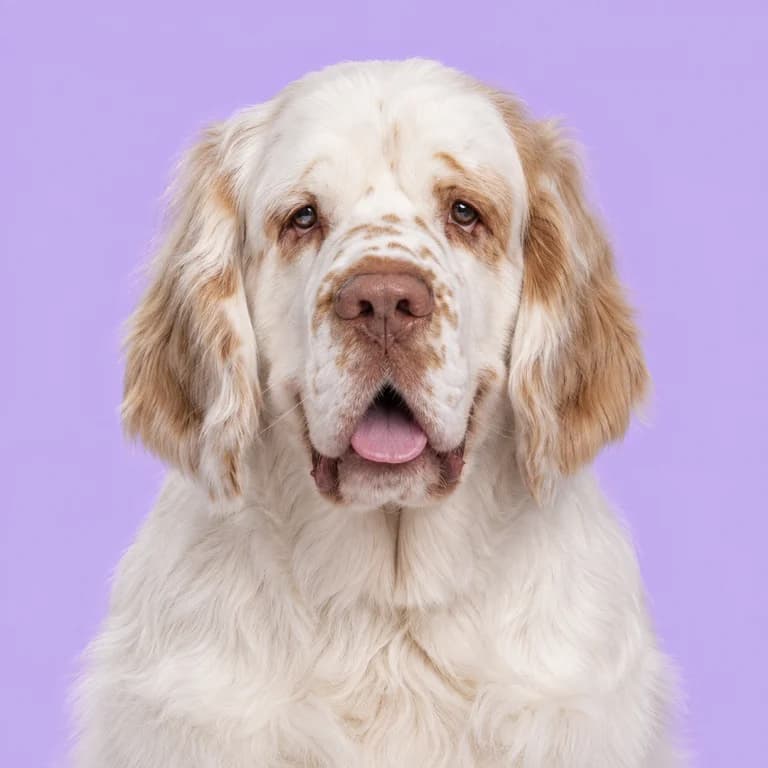
Sporting group
Clumber Spaniel
25 to 39 kg · 10 to 12 years
A heavy, low-slung spaniel with a rolling walk, a gentle soul and no interest in rushing anything.
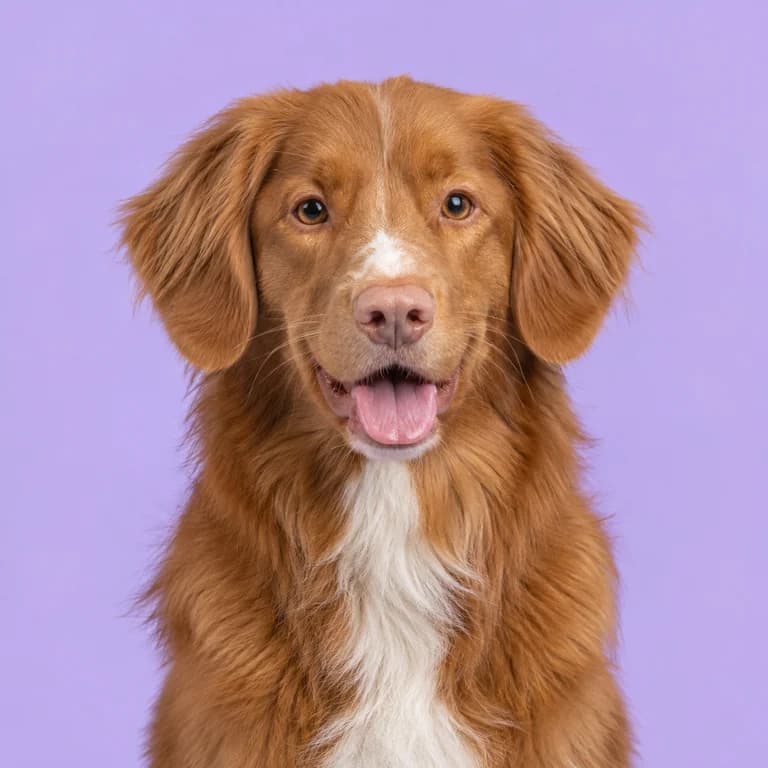
Sporting group
Nova Scotia Duck Tolling Retriever
17 to 23 kg · 12 to 14 years
The smallest retriever, bred to play along the shoreline until curious ducks swam close enough to shoot.
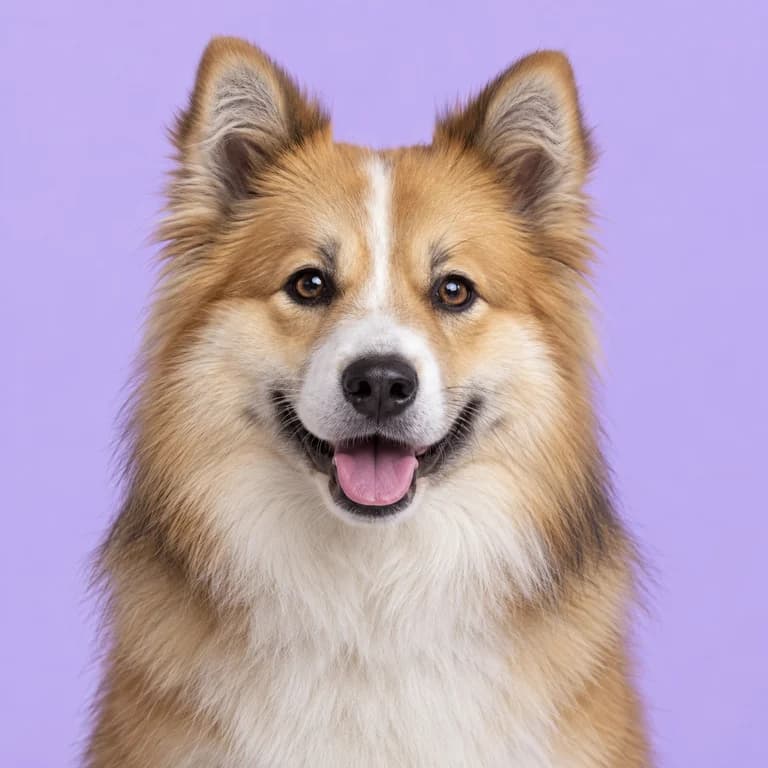
Herding group
Icelandic Sheepdog
9 to 14 kg · 12 to 14 years
The only dog native to Iceland, brought by Viking settlers and still herding with its voice more than its eyes.
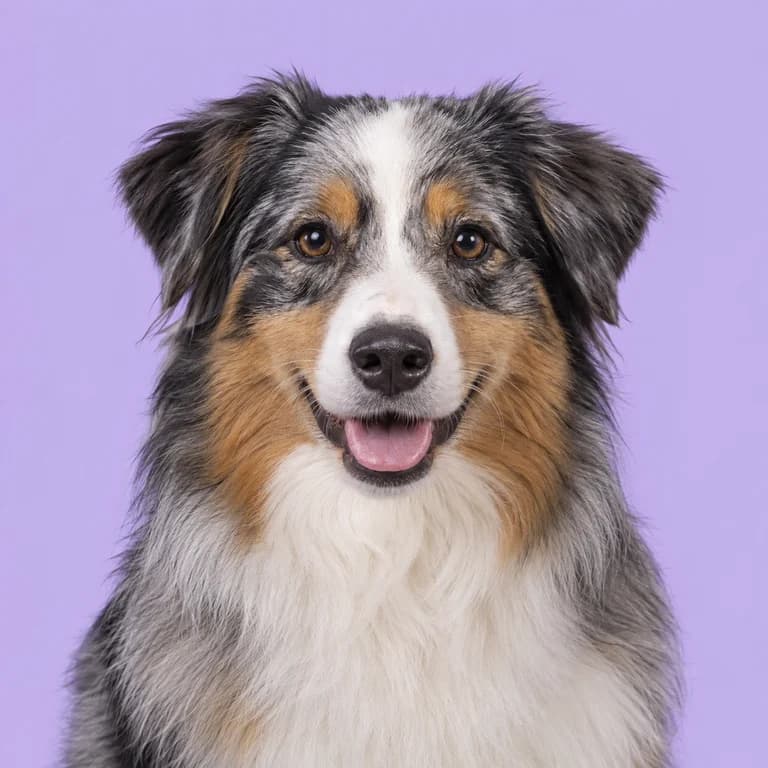
Herding group
Miniature American Shepherd
9 to 18 kg · 12 to 15 years
A true herding dog scaled down to fit a smaller home, with none of the drive removed.