Sources for this article
Non-sporting group · Japan
Japanese Spitz
Also called Nihon Supittsu
A snow-white spitz with a cheerful, people-centered nature and a coat that sheds dirt better than you would expect.
Developed in Japan during the 1920s and 1930s from white spitz-type dogs, the Japanese Spitz was designed as a companion from the start. It is bright, playful and devoted to its people, alert without being a constant barker, and small enough for city living. The dazzling coat needs less fuss than it looks, but it does shed.
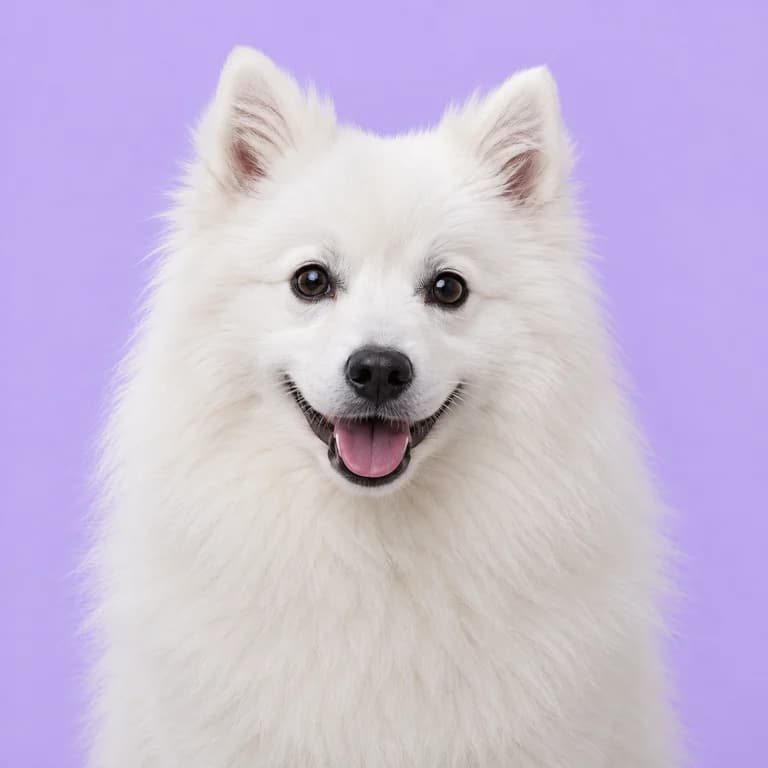
Original AI-generated breed illustration
Weight
5 to 10 kg
11 to 22 lb
Height
28 to 38 cm
at the shoulder
Life expectancy
12 to 16 yrs
Activity estimate
60 to 90 min
editorial daily planning range
Adult-size estimate
12 months
approximate model input
Life with a Japanese Spitz
Ask Japanese Spitz owners what they love most and the answer is rarely the coat, striking as it is. It is the temperament: a dog that seems genuinely delighted every time you walk into a room, and that wants to be part of whatever you are doing. This is a companion breed through and through, with just enough spitz independence to keep things interesting.
The breed came together in Japan in the 1920s and 1930s. Breeders crossed and refined various white spitz-type dogs, with German Spitz imports often credited as a major influence and other lines possibly added along the way. A standard was settled after the Second World War, and the breed later found fans in Scandinavia, Britain and Australia. It is recognized by the FCI and the UK Kennel Club, though not by the American Kennel Club.
Physically, the Japanese Spitz is a compact dog of about 30 to 38 cm (12 to 15 in) with a fox-like face, pricked triangular ears, dark almond eyes and a tail curled over its back. The contrast of black nose, lips and eye rims against brilliant white is part of the standard and a big part of its appeal.
At home it is lively without being frantic, and it often settles well indoors after a walk and a game. It bonds closely with its family, generally gets along with other dogs and cats when raised with them, and tends to be polite but a little reserved with strangers. Its chief weakness is loneliness. A Japanese Spitz left alone for long hours every day may become noisy or anxious.
What stands out
Training
The Japanese Spitz is one of the more trainable spitz breeds. It is eager to please its own people and responds quickly to praise, play and food rewards. Keep sessions light and varied.
Read the full training guideEasy to train
Open with strangers
Good with other dogs
A great match for
- first-time owners willing to train
- apartment and city homes
- families with gentle children
- people who are home often
Think twice if
- heavy seasonal shedding
- dislikes being left alone for long stretches
- prone to tear staining
- can be reserved with strangers
- struggles in hot weather
Personality and needs at a glance
Living together
Good with children
Good with other dogs
Open with strangers
Apartment friendly
Copes with alone time
Energy and character
Energy level
Playfulness
Easy to train
Barking
5 means very vocal
Care and climate
Grooming needs
Shedding
Drooling
Handles cold
Handles heat
How much a Japanese Spitz eats
Illustrative calculations for neutered adults at midpoint breed weights, with food at 370 kcal per 100 g and 100 g per cup. These are not measured breed requirements. Use actual weight, the food label and veterinary body-condition advice.
| Dog | Weight | Calories | Dry food |
|---|---|---|---|
| Female, relaxed lifestyle | 7 kg | 400 kcal | 110 g (1 cups) |
| Female, typical pet | 7 kg | 460 kcal | 125 g (1.3 cups) |
| Male, typical pet | 8 kg | 530 kcal | 145 g (1.5 cups) |
| Male, very active | 8 kg | 670 kcal | 180 g (1.8 cups) |
Care guides for the Japanese Spitz
Things owners are often surprised by
- 1Created in Japan from white spitz-type dogs, with German Spitz imports often credited as a key influence
- 2Only one color is accepted: pure white
- 3The coat's texture lets dried mud brush out surprisingly easily
- 4Recognized by the FCI and the UK Kennel Club, but not by the American Kennel Club
- 5Black nose, lips and eye rims stand out sharply against the white coat
- 6Often mistaken for a small Samoyed or an American Eskimo Dog, but it is a separate breed
Japanese Spitz questions
Is the Japanese Spitz the same as a Samoyed or an American Eskimo Dog?
No. All three are white spitz-type dogs and look alike at a glance, but they are separate breeds. The Samoyed is much larger, at 20 to 30 kg. The American Eskimo Dog comes in three sizes and was developed in the United States. The Japanese Spitz is a compact companion breed from Japan, usually 5 to 10 kg.
How do you keep a Japanese Spitz white?
Brushing does most of the work, because the coat's texture lets dried mud fall out. Let the dog dry, then brush it through before reaching for shampoo. Wipe the eyes and muzzle daily to limit tear and food staining, and wash water bowls often. Occasional baths with a gentle dog shampoo are fine, but frequent bathing can dry out the skin.
Do Japanese Spitz bark a lot?
Less than many small spitz types. Most bark to announce visitors or unusual sounds, then settle once reassured. Barking becomes a problem mainly when the dog is bored or lonely. Plenty of company, some mental exercise and a calm 'quiet' cue taught from puppyhood keep most Japanese Spitz pleasantly peaceful at home.
Is the Japanese Spitz good for first-time owners?
Often, yes. The breed is friendly, trainable, small and fairly adaptable, and it lacks the extreme drive of many working breeds. First-time owners should plan for shedding seasons, daily company and early work on alone time. With those in place, it is one of the easier spitz breeds to live with.
Popular answers for owners
- Bowls and feeding gearDo puzzle feeders help with weight control?
- Puppy feeding and growthWhy does my puppy refuse to eat its food?
- Puppy feeding and growthHow accurate are puppy weight calculators?
- Exercise and playWhat breeds should not run long distances?
- Grooming and coatHow do I know if my dog's grooming needs are seasonal or year round?
- Exercise and playHow much exercise does a pregnant dog need?
Breeds you might compare
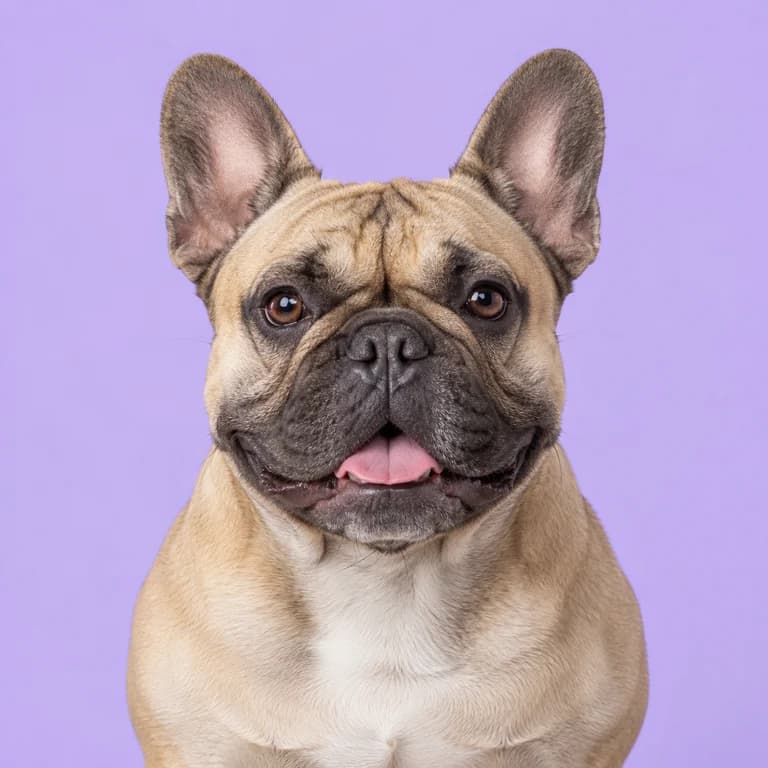
Non-sporting group
French Bulldog
8 to 14 kg · 10 to 12 years
A compact clown with bat ears whose flat face shapes nearly every decision about exercise, heat and feeding.
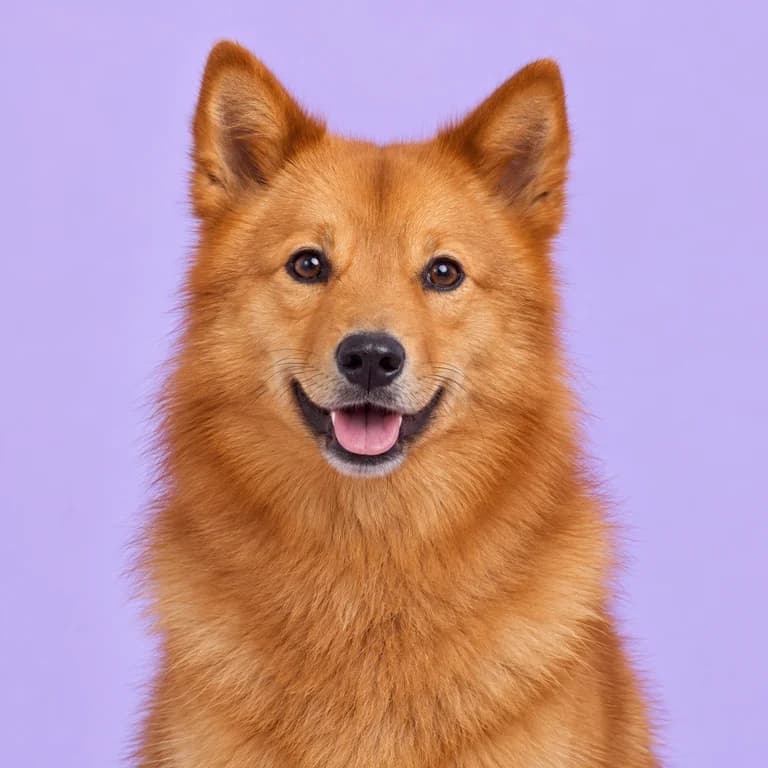
Non-sporting group
Finnish Spitz
9 to 15 kg · 13 to 15 years
Finland's fox-red bird dog, built to bark a treed capercaillie into staying put, and happy to narrate your day.
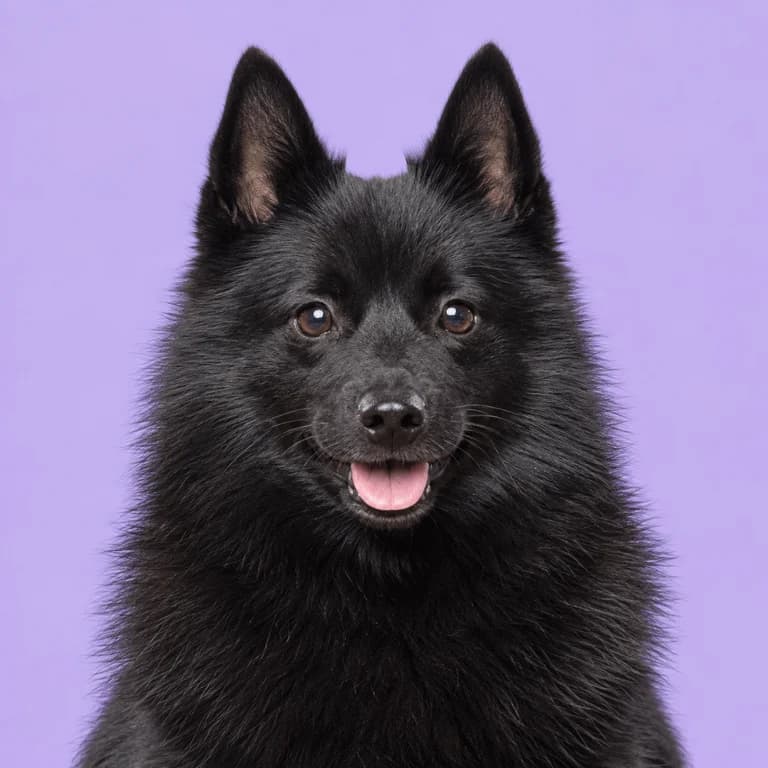
Non-sporting group
Schipperke
4 to 8 kg · 13 to 15 years
A small black Belgian watchdog with a fox face, a lion's ruff and the curiosity of a dog three times its size.
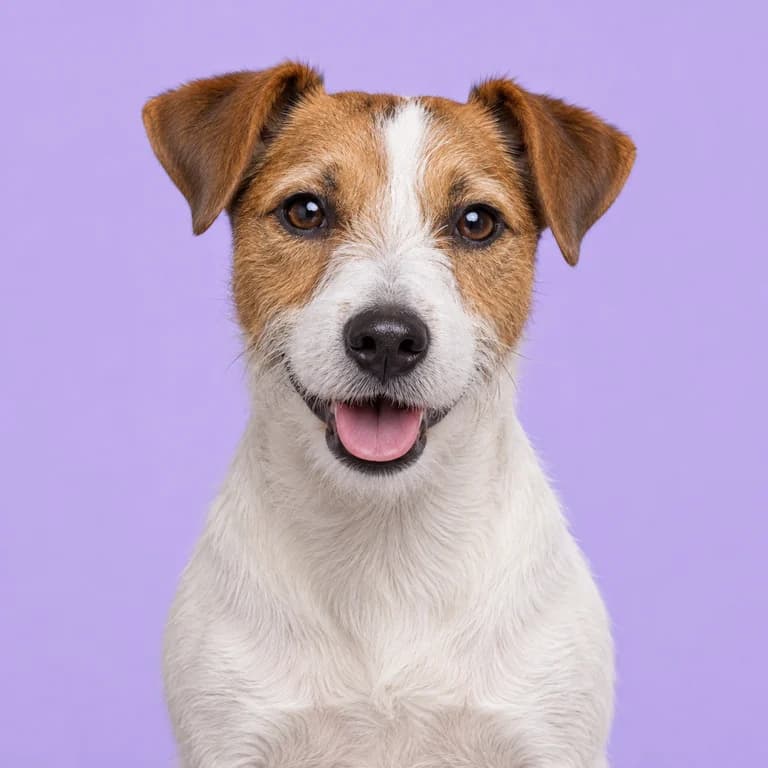
Terrier group
Jack Russell Terrier
5 to 7 kg · 13 to 16 years
A pocket-sized hunter with a huge work ethic that will train you if you do not train it first.
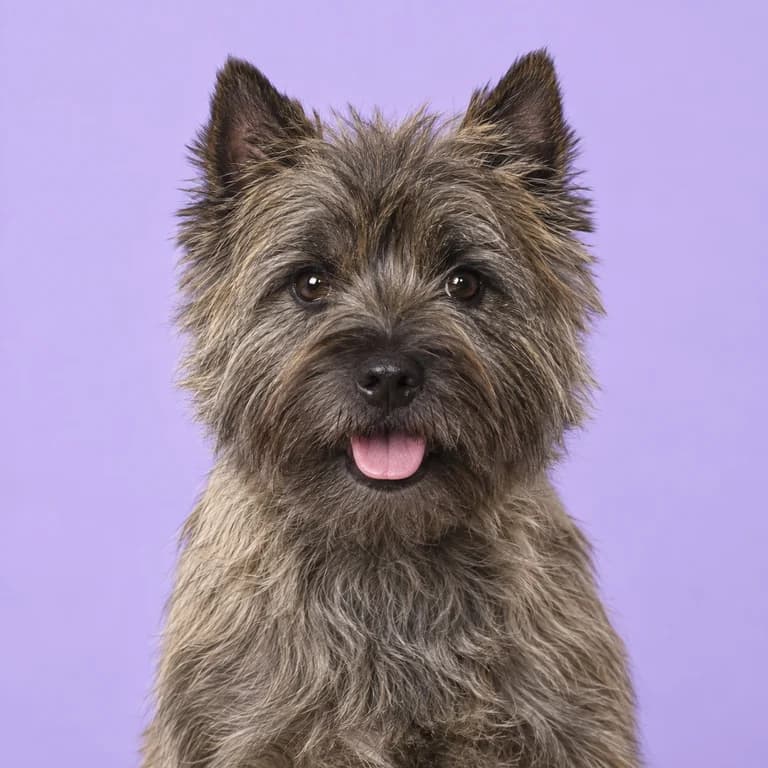
Terrier group
Cairn Terrier
6 to 8 kg · 13 to 15 years
A shaggy, fox-faced Highland terrier with a confident mind of its own and endless curiosity.

Non-sporting group
German Spitz
5 to 11 kg · 13 to 15 years
One of central Europe's oldest farm watchdogs, the German Spitz still guards the doorstep with its voice.