Sources for this article
Non-sporting group · Germany
German Spitz
Also called Deutscher Spitz, Mittelspitz, Kleinspitz
One of central Europe's oldest farm watchdogs, the German Spitz still guards the doorstep with its voice.
The German Spitz is a small, fox-faced watchdog with a thick stand-off coat and centuries of history on German farms, vineyards and river barges. It is lively, loyal and bright, and it will report every visitor, so plan for barking management and regular brushing.

Original AI-generated breed illustration
Weight
5 to 11 kg
11 to 24 lb
Height
23 to 38 cm
at the shoulder
Life expectancy
13 to 15 yrs
Activity estimate
60 to 90 min
editorial daily planning range
Adult-size estimate
12 months
approximate model input
Life with a German Spitz
Spitz-type dogs with pointed faces, pricked ears and tails curled over their backs appear in European art and writing going back centuries, and the German Spitz is often described as one of the oldest breeds in central Europe. Farmers valued them because they ate little, stayed close to home and raised the alarm at anything unusual. Vintners are said to have kept them among the vines, and bargemen took them on river boats, where a small, loud guard took up almost no room.
Over time the family split by size. In Germany the Spitz ranges from the large Wolfspitz, known elsewhere as the Keeshond, down to the tiny Zwergspitz, better known as the Pomeranian. In the UK and several other countries, the name German Spitz usually means the two middle sizes: the Klein, about 23 to 29 cm (9 to 11.5 in), and the Mittel, about 30 to 38 cm (12 to 15 in). This page focuses on those two.
That watchdog past explains almost everything about the modern dog. A German Spitz is devoted and cheerful with its family, curious and quick to learn, but also suspicious of strangers and vocal about anything new. It likes to be near you, often following from room to room, and it tends to choose a favorite person.
A Spitz settles best in a home that offers early exposure to visitors, a routine that includes quiet time, and an owner willing to brush. The breed adapts well to flats and smaller houses, provided they get daily walks, some mental work, and a plan for the barking.
A great match for
- owners who want an alert small dog with a big personality
- homes with older, gentle children
- flats where barking can be managed
- people who enjoy grooming and trick training
Think twice if
- frequent barking at noises and passersby
- wariness of strangers without early socialization
- heavy seasonal shedding
- struggles in hot weather
- clingy if left alone often
Personality and needs at a glance
Living together
Good with children
Good with other dogs
Open with strangers
Apartment friendly
Copes with alone time
Energy and character
Energy level
Playfulness
Easy to train
Barking
5 means very vocal
Care and climate
Grooming needs
Shedding
Drooling
Handles cold
Handles heat
How much a German Spitz eats
Illustrative calculations for neutered adults at midpoint breed weights, with food at 370 kcal per 100 g and 100 g per cup. These are not measured breed requirements. Use actual weight, the food label and veterinary body-condition advice.
| Dog | Weight | Calories | Dry food |
|---|---|---|---|
| Female, relaxed lifestyle | 8 kg | 440 kcal | 120 g (1.3 cups) |
| Female, typical pet | 8 kg | 510 kcal | 135 g (1.3 cups) |
| Male, typical pet | 8 kg | 530 kcal | 145 g (1.5 cups) |
| Male, very active | 8 kg | 670 kcal | 180 g (1.8 cups) |
Care guides for the German Spitz
Things owners are often surprised by
- 1In the UK the name covers two sizes: the Klein (small) and the Mittel (medium)
- 2Belongs to the same German Spitz family as the Pomeranian and the Keeshond, which the FCI treats as sizes of one breed
- 3Stands roughly 23 to 38 cm (9 to 15 in) tall depending on size
- 4Historically guarded farms, vineyards and river barges
- 5Carries its plumed tail curled tightly over the back
- 6Often lives 13 to 15 years
German Spitz questions
What is the difference between a German Spitz and a Pomeranian?
They share ancestry, and the FCI treats the Pomeranian as the smallest size of the German Spitz. In practice the Pomeranian has been bred smaller, usually under 3.5 kg, with a shorter back, a rounder head and a more profuse coat. The Klein and Mittel German Spitz are larger and a little more athletic, with a slightly longer muzzle and a more classic fox-like face.
Are German Spitz dogs noisy?
Most are vocal. They were bred to announce visitors, and they take that job seriously. With training you can teach a dog to alert once or twice and then stop, but a completely silent Spitz is rare. If you live in a flat with thin walls, start quiet training early and avoid leaving the dog alone for long stretches, since boredom makes barking worse.
Are German Spitz good with children?
They can be good companions for considerate older children who handle them gently. Small puppies can be injured by rough play or if dropped, and some adults will snap if grabbed or teased. Teach children to sit on the floor to hold the dog, to let it approach them, and to leave it alone when it takes itself off to its bed.
Do German Spitz shed a lot?
They shed moderately year round and heavily once or twice a year, when the undercoat comes out in handfuls. Brushing two or three times a week keeps shedding under control and prevents mats. During a heavy shed, daily brushing plus a bath and a thorough blow dry helps remove the loosened undercoat faster, so less of it ends up on your floors.
How long do German Spitz live?
Many reach 13 to 15 years, and some live longer with good care. Keeping them lean, looking after their teeth, and regular vet checks all contribute. Small breeds generally age more slowly than giant ones, but twice-yearly senior checkups from about age eight help catch problems early, when they are easier to manage.
Popular answers for owners
- Grooming and coatHow often should I brush a Pomeranian's coat?
- Grooming and coatWhat brush is best for a silky long coat?
- How much to feedHow much should I feed a very active or athletic dog?
- Puppy feeding and growthWhen should I cut my puppy from 3 meals to 2?
- Exercise and playHow can I tell if my dog is out of shape?
- How much to feedHow much should I feed a 5kg dog?
Breeds you might compare

Non-sporting group
Löwchen
4 to 8 kg · 13 to 15 years
A small, sturdy companion with a lion haircut, a lively mind and a history of nearly vanishing.
Non-sporting group
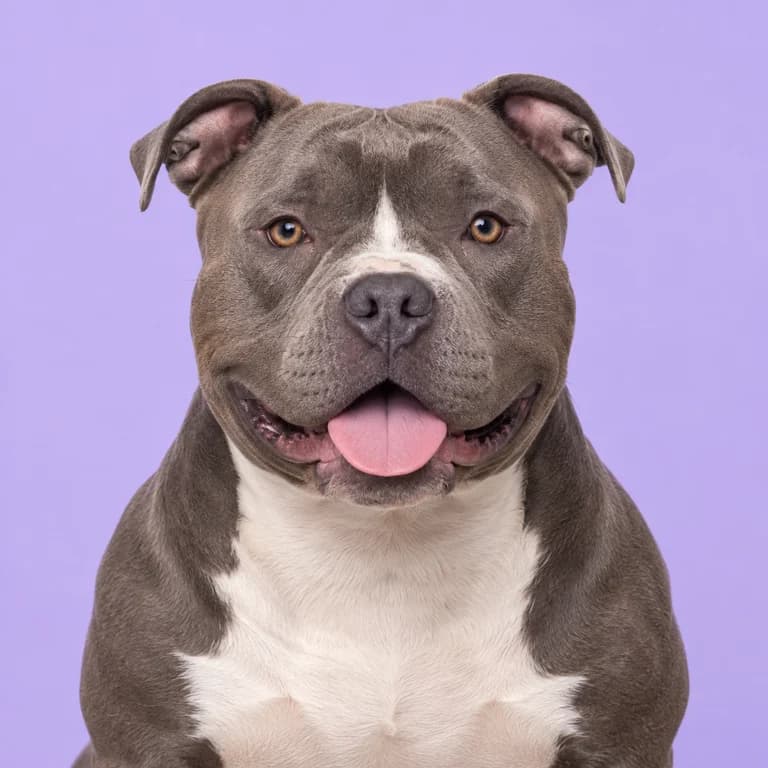
American Bully
20 to 36 kg · 10 to 12 years
A muscular American companion breed whose friendly nature is best served by moderate build and careful breeding choices.
Non-sporting group
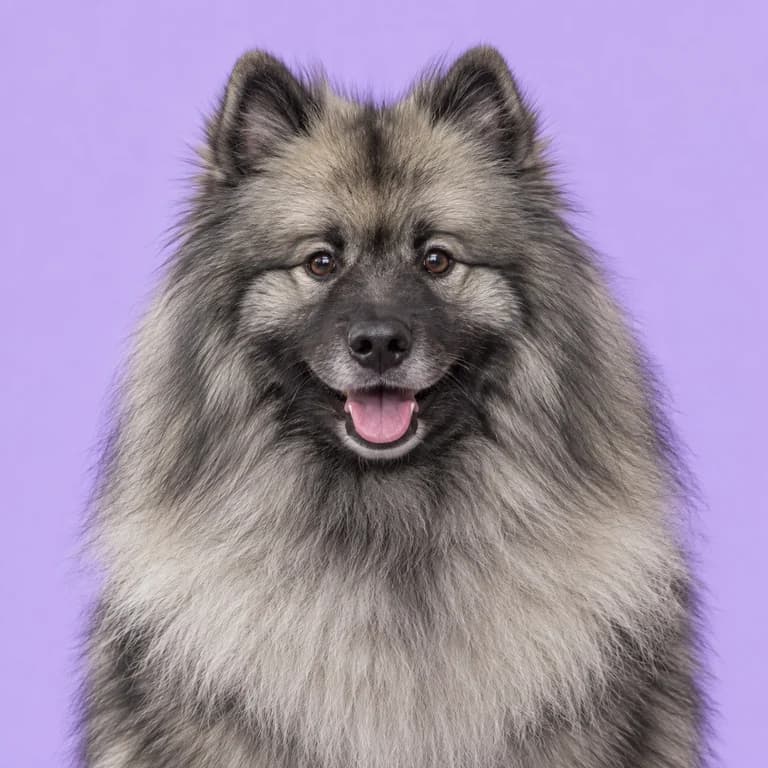
Keeshond
14 to 20 kg · 12 to 15 years
Once the watchdog of Dutch river barges, now a spectacled, fluffy companion with a talent for reading people.

Non-sporting group
Shiba Inu
7 to 11 kg · 12 to 15 years
Independent, fastidious and self-possessed, a small Japanese hunter that gives affection on its own terms.

Terrier group
Cairn Terrier
6 to 8 kg · 13 to 15 years
A shaggy, fox-faced Highland terrier with a confident mind of its own and endless curiosity.
Terrier group
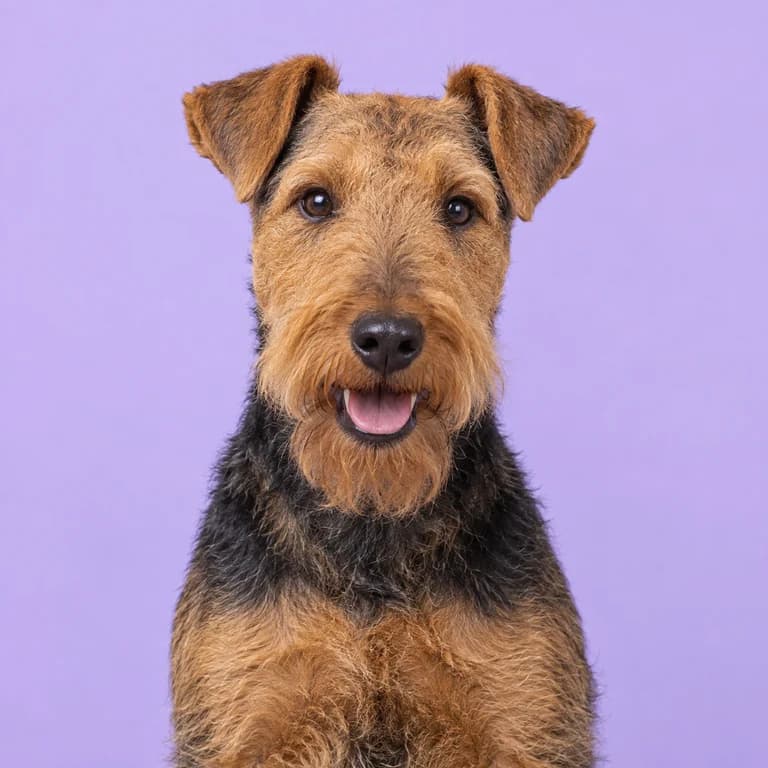
Welsh Terrier
8 to 10 kg · 12 to 15 years
Confident, clownish and a little stubborn, the Welsh Terrier packs a working terrier's spirit into a tidy 10 kg.