Sources for this article
Non-sporting group · Belgium
Schipperke
Also called Schip, Little Black Devil
A small black Belgian watchdog with a fox face, a lion's ruff and the curiosity of a dog three times its size.
Schipperkes were the working tradesman's dog of old Belgium, kept to catch rats and raise the alarm. They remain alert, busy and fiercely loyal little dogs that notice everything and comment on most of it. They suit owners who enjoy a characterful, independent companion and can live with some barking.
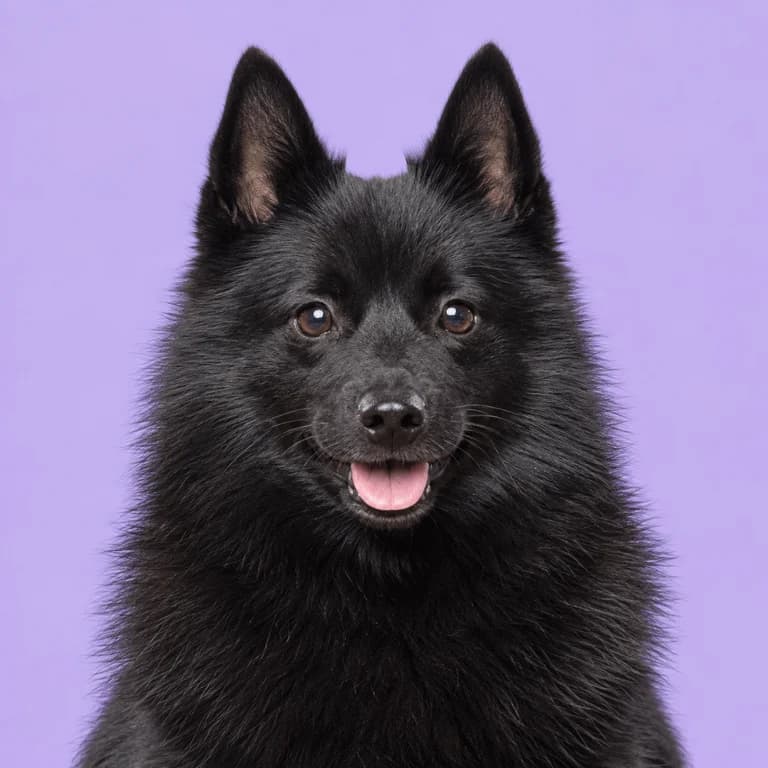
Original AI-generated breed illustration
Weight
4 to 8 kg
9 to 18 lb
Height
25 to 33 cm
at the shoulder
Life expectancy
13 to 15 yrs
Activity estimate
90 to 120 min
editorial daily planning range
Adult-size estimate
12 months
approximate model input
Life with a Schipperke
Picture a 17th-century workshop in Brussels: leather, wood shavings and rats. The small black dog curled by the shoemaker's bench was there to deal with the rats and to announce every stranger who came through the door. Tradition holds that the city's shoemakers were proud enough of their dogs to hold competitions for them in the 1690s, which would make the Schipperke one of the earliest breeds with an organized following.
The name is often linked to Flemish canal barges, where Schipperkes supposedly kept boats free of vermin ('schipper' means boatman). Many historians think it more likely comes from a word for little shepherd, since the breed shares ancestry with a vanished black sheepdog that also contributed to the Belgian Shepherd. Either way, the tradesman's dog became fashionable when Queen Marie Henriette acquired one in the 1880s.
Living with a Schipperke is lively. It patrols the house, inspects every shopping bag and barks at unfamiliar sounds with total conviction. Schipperkes are devoted to their own people, often attaching most strongly to one person, and reserved with visitors until they have made up their minds.
They are also skilled escape artists. A Schipperke will find the gap in the fence, slip through a half-closed gate and follow a scent with complete focus. Owners often describe them as a big dog in a small body, and they mean the attitude more than anything else.
What stands out
Training
Schipperkes are clever and learn fast, but they are independent and want to know what is in it for them. Food rewards and games work well; long drills do not. Keep sessions to 5 to 10 minutes, change tasks often and finish on a success.
Read the full training guideEasy to train
Open with strangers
Good with other dogs
A great match for
- owners who want a small dog with a big personality
- flats and small homes, if barking is managed
- active singles and couples
- people who enjoy trick training and dog sports
Think twice if
- alert barking at every noise
- escape artist with a strong urge to explore
- sheds heavily once or twice a year
- independent streak that tests boundaries
Personality and needs at a glance
Living together
Good with children
Good with other dogs
Open with strangers
Apartment friendly
Copes with alone time
Energy and character
Energy level
Playfulness
Easy to train
Barking
5 means very vocal
Care and climate
Grooming needs
Shedding
Drooling
Handles cold
Handles heat
How much a Schipperke eats
Illustrative calculations for neutered adults at midpoint breed weights, with food at 370 kcal per 100 g and 100 g per cup. These are not measured breed requirements. Use actual weight, the food label and veterinary body-condition advice.
| Dog | Weight | Calories | Dry food |
|---|---|---|---|
| Female, relaxed lifestyle | 6 kg | 350 kcal | 95 g (1 cups) |
| Female, typical pet | 6 kg | 400 kcal | 110 g (1 cups) |
| Male, typical pet | 7 kg | 460 kcal | 125 g (1.3 cups) |
| Male, very active | 7 kg | 570 kcal | 155 g (1.5 cups) |
Care guides for the Schipperke
Things owners are often surprised by
- 1The name is usually translated from Flemish as 'little captain', though some historians prefer 'little shepherd'.
- 2Tradition says Brussels shoemakers held competitions for their Schipperkes in the 1690s.
- 3Queen Marie Henriette of Belgium owned one in the 1880s, which made the breed fashionable.
- 4Only solid black is accepted under the FCI and AKC standards.
- 5A DNA test is available for MPS IIIB, an inherited storage disease found in the breed.
Schipperke questions
Why are Schipperkes called little black devils?
The nickname reflects the breed's mischievous, fearless personality and solid black coat. Schipperkes are quick, curious and quite capable of getting into trouble, from raiding bags to escaping gardens. Some say the name goes back to their time as ratters, when they were known for dispatching vermin with speed. Owners use it affectionately; well-raised Schipperkes are loyal and loving at home.
Do Schipperkes bark a lot?
Yes, compared with many breeds. They were bred as watchdogs, and most will announce visitors, delivery drivers and unfamiliar noises. You can shape the habit with a quiet cue, by rewarding calm after one or two barks, and by blocking views of busy streets. Enough exercise and mental work also reduces boredom barking. Expect a vocal dog rather than a silent one.
Are Schipperkes good apartment dogs?
Their size makes them easy to house, and they adapt well to flats if their exercise and mental needs are met. The challenge is noise: an alert Schipperke may bark at footsteps in the corridor. Start teaching calm responses to building sounds early, and consider a white-noise machine in the room where your dog rests. Regular walks and puzzle feeders help a lot.
Do Schipperkes have tails?
Yes, most do. Some are born with a natural bobtail or short tail, and in countries where docking is still allowed, many were traditionally docked. Across most of Europe docking is banned, so Schipperkes there usually carry a full tail, often curled over the back. Tail length does not affect the dog's temperament or health.
Are Schipperkes good with cats?
Many live well with a cat they are raised with, but their ratting background gives them a strong urge to chase small, fast animals. Pet rodents and birds should be kept well out of reach. With a family cat, supervised introductions and rewarding calm behavior usually work, while outdoor cats in the neighborhood may always be fair game in your dog's eyes.
Popular answers for owners
- Bowls and feeding gearWhat size bowl is best for a puppy?
- Grooming and coatWhy is my dog shedding so much right now?
- How much to feedShould I adjust my dog's portion after moving to a smaller home?
- Grooming and coatWhat foods or habits make a dog's coat shinier?
- How much to feedHow often should I check my dog's weight?
- Grooming and coatCan deshedding tools damage a dog's coat?
Breeds you might compare

Non-sporting group
Shiba Inu
7 to 11 kg · 12 to 15 years
Independent, fastidious and self-possessed, a small Japanese hunter that gives affection on its own terms.
Non-sporting group
Japanese Spitz
5 to 10 kg · 12 to 16 years
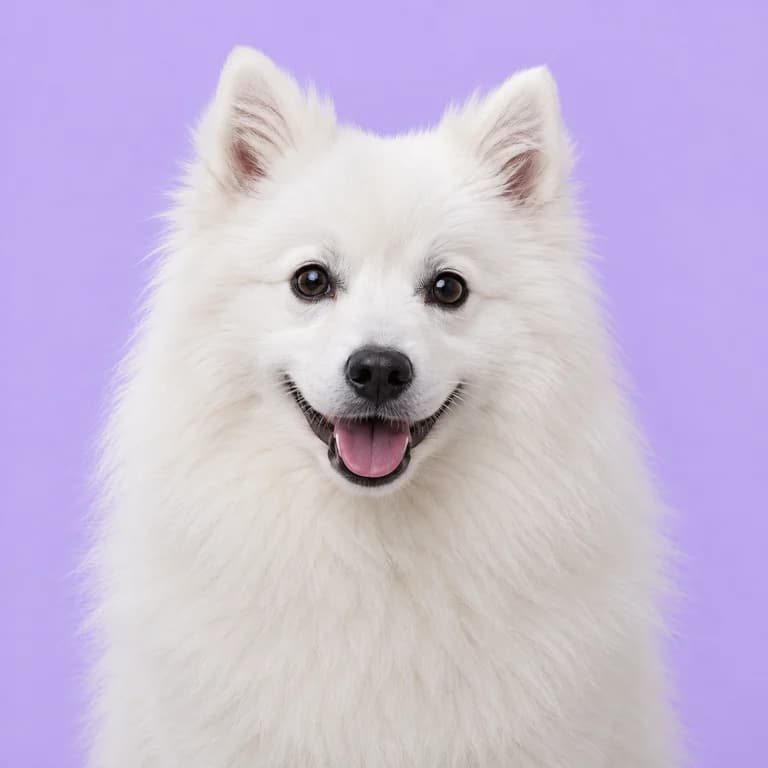
A snow-white spitz with a cheerful, people-centered nature and a coat that sheds dirt better than you would expect.
Non-sporting group
Lhasa Apso
5 to 8 kg · 12 to 16 years
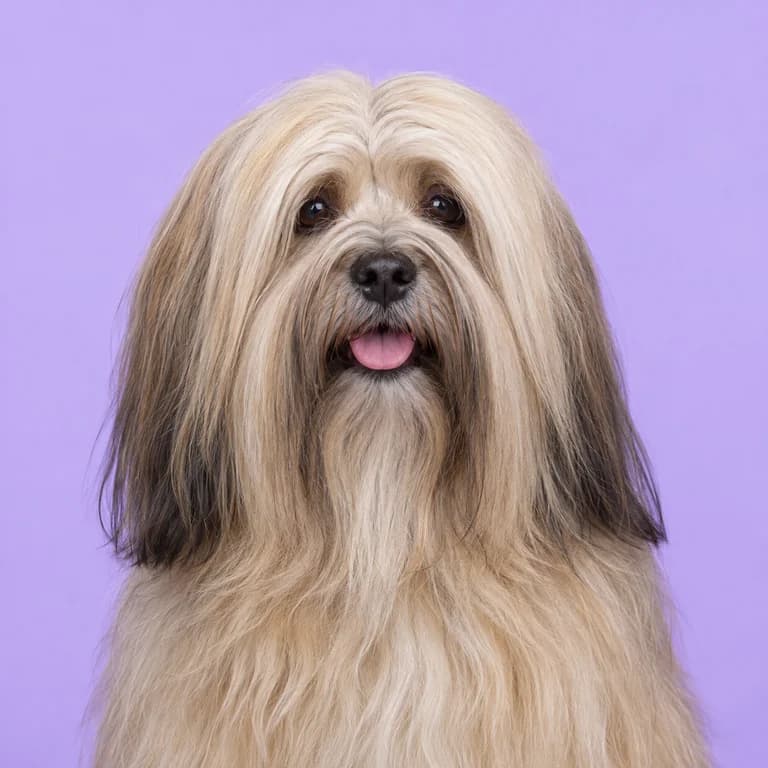
A small Tibetan sentinel with a floor-length coat and a surprisingly serious sense of its own importance.
Terrier group
Cairn Terrier
6 to 8 kg · 13 to 15 years
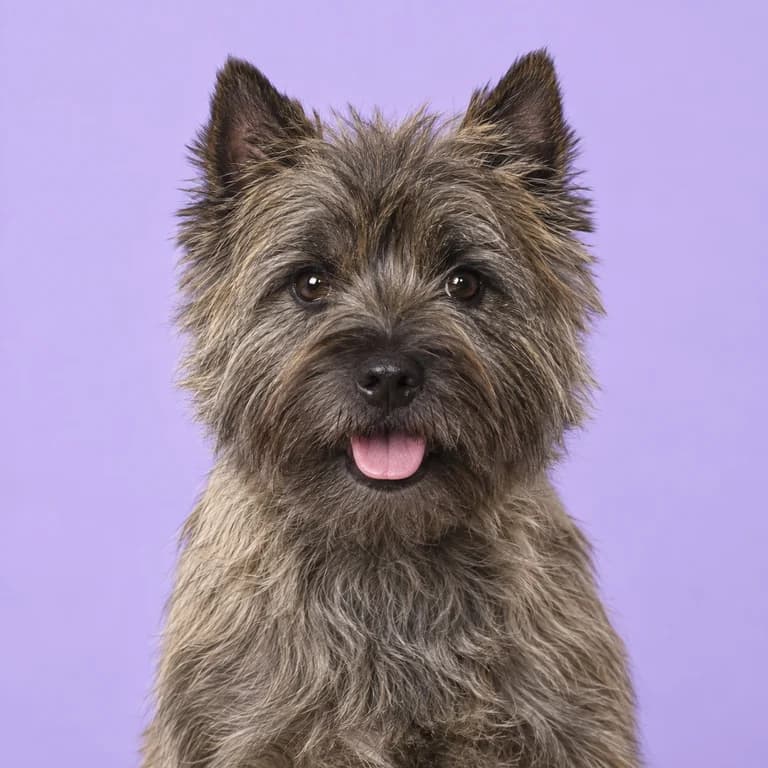
A shaggy, fox-faced Highland terrier with a confident mind of its own and endless curiosity.
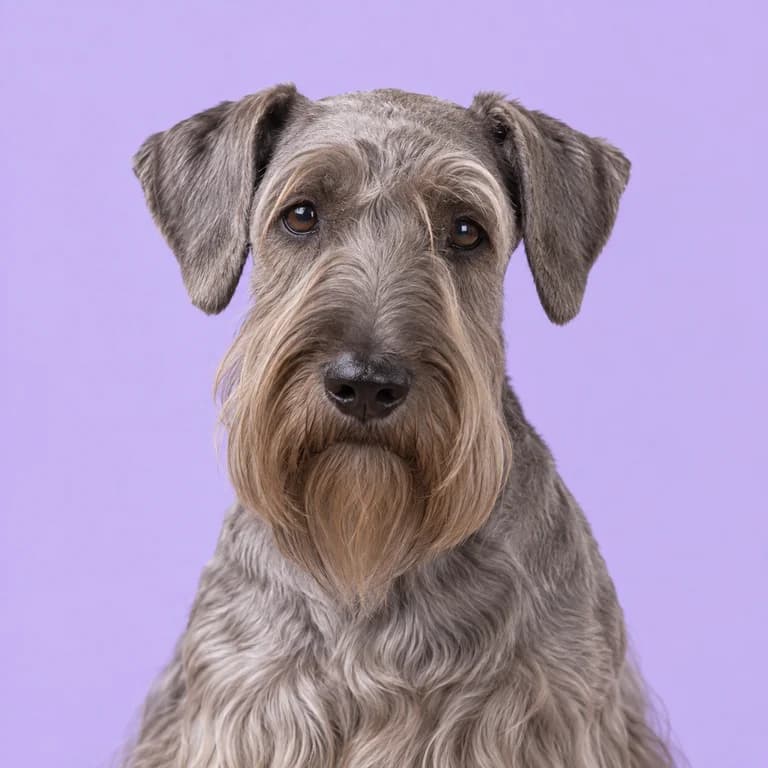
Terrier group
Cesky Terrier
6 to 10 kg · 12 to 15 years
A calm, low terrier created by a Czech geneticist, with a silky coat that is clipped rather than stripped.
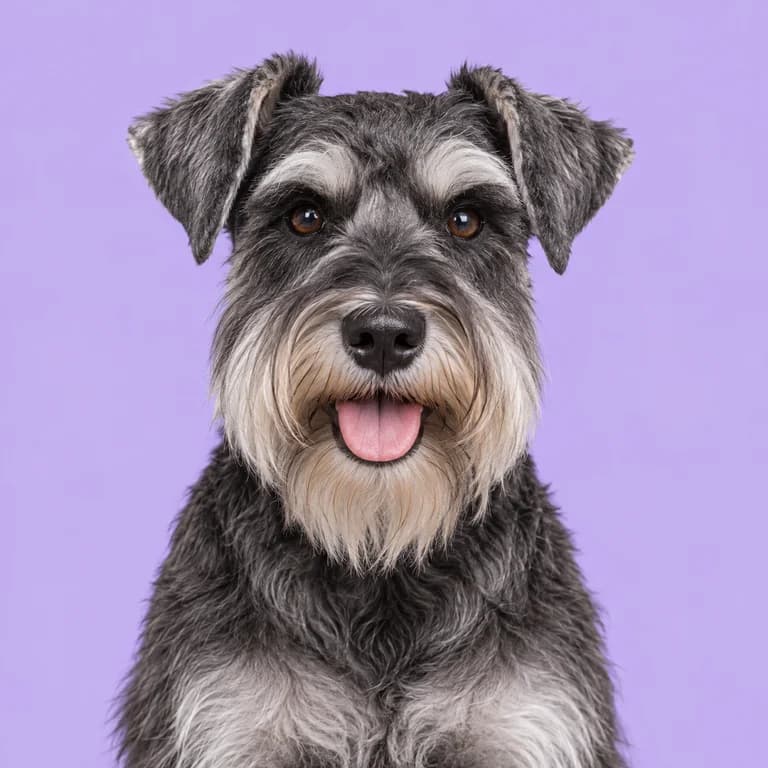
Terrier group
Miniature Schnauzer
5 to 9 kg · 12 to 15 years
A bearded farmyard ratter whose wiry coat needs a plan and whose opinions come out loud.