Sources for this article
Non-sporting group · Finland
Finnish Spitz
Also called Suomenpystykorva, Finkie, Finnish Bark Pointer
Finland's fox-red bird dog, built to bark a treed capercaillie into staying put, and happy to narrate your day.
Finland's national dog, the Finnish Spitz is a fox-red hunter that finds game birds and barks until the hunter arrives. It is lively, affectionate and independent, with a thick double coat that loves cold weather and a voice that owners need to be ready for.
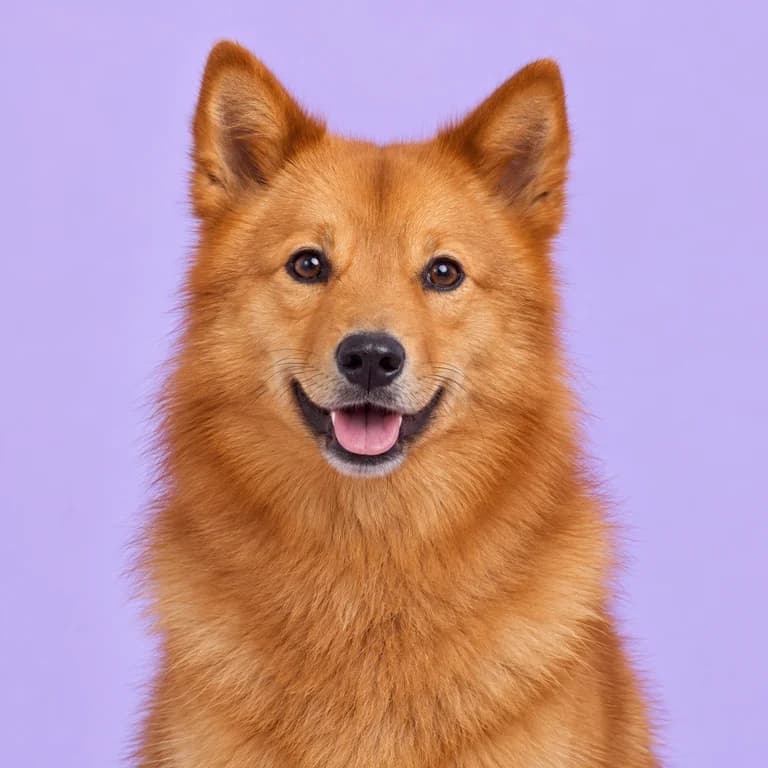
Original AI-generated breed illustration
Weight
9 to 15 kg
20 to 33 lb
Height
39 to 50 cm
at the shoulder
Life expectancy
13 to 15 yrs
Activity estimate
90 to 120 min
editorial daily planning range
Adult-size estimate
18 months
approximate model input
Life with a Finnish Spitz
For centuries, hunters in the Finnish forests relied on a small red spitz to find capercaillie and black grouse. The method is unusual. The dog locates a bird, watches it fly into a tree, then stands below and barks in a steady rhythm. The bird's attention stays fixed on the noisy dog, which is said to be how the hunter manages to close in unnoticed. Some dogs sway their tail gently while barking, and old hunters are often credited with believing this helps hold the bird's gaze.
By the late 1800s, crossbreeding with other dogs had almost erased the original type. Two Helsinki sportsmen, Hugo Roos and Hugo Sandberg, are usually credited with finding purer dogs in remote northern districts and starting a revival. The breed became Finland's national dog in 1979 and still hunts there today.
At home, a Finkie is cheerful, alert and fond of its family, often gentle with children and polite with visitors once introduced. It has a cat-like streak of independence, keeps itself clean and decides for itself when it wants a cuddle. It is also a genuine talker: barks, yodels and chattering grumbles come with the package.
That voice is the main thing to weigh up. A Finnish Spitz in a thin-walled flat with neighbors close by can cause friction, whereas in a rural house with some space around it, the same dog is an easy, charming companion.
A great match for
- rural or detached homes
- owners in cold climates
- people who enjoy hiking and forest walks
- families with children who like an active dog
Think twice if
- very vocal, with frequent barking
- heavy seasonal shedding
- independent and hard to recall around birds
- struggles in hot weather
Personality and needs at a glance
Living together
Good with children
Good with other dogs
Open with strangers
Apartment friendly
Copes with alone time
Energy and character
Energy level
Playfulness
Easy to train
Barking
5 means very vocal
Care and climate
Grooming needs
Shedding
Drooling
Handles cold
Handles heat
How much a Finnish Spitz eats
Illustrative calculations for neutered adults at midpoint breed weights, with food at 370 kcal per 100 g and 100 g per cup. These are not measured breed requirements. Use actual weight, the food label and veterinary body-condition advice.
| Dog | Weight | Calories | Dry food |
|---|---|---|---|
| Female, relaxed lifestyle | 11 kg | 590 kcal | 160 g (1.5 cups) |
| Female, typical pet | 11 kg | 680 kcal | 185 g (1.8 cups) |
| Male, typical pet | 13 kg | 770 kcal | 205 g (2 cups) |
| Male, very active | 13 kg | 960 kcal | 260 g (2.5 cups) |
Care guides for the Finnish Spitz
Things owners are often surprised by
- 1Named Finland's national dog in 1979
- 2Hunts by barking at a treed bird so the hunter can creep closer while the bird watches the dog
- 3Finnish hunting trials judge dogs partly on their barking, and top performers earn the informal title King of Barkers
- 4Puppies are often born darker and lighten to golden red as the adult coat comes in
- 5Carries a plumed tail curled over the back
Finnish Spitz questions
Why do Finnish Spitz bark so much?
Barking is their job. The breed hunts by locating a bird in a tree and barking steadily to hold its attention until the hunter arrives. That instinct remains in pet dogs, so they bark at birds, noises and moments of excitement. Training, mental exercise and not leaving the dog bored all reduce it, but nothing removes it entirely.
Is the Finnish Spitz a good apartment dog?
Usually not ideal, and noise is the reason rather than size. A Finkie that barks at hallway sounds and yodels when excited can disturb neighbors, and it does best with outdoor space and regular walks in nature. A detached house or a rural setting is typically a better match.
Does the Finnish Spitz handle cold weather well?
Very well. It was developed for Nordic winters, and its dense double coat protects it in snow and freezing temperatures. Many Finkies are at their happiest in winter. Hot summers are harder on them, so provide shade, fresh water and cool floors, and exercise in the early morning or evening.
Is a Finnish Spitz the same as a Shiba Inu?
No, though they look alike at a glance. The Shiba Inu is a Japanese breed, smaller and more compact, with different coat colors including black and tan. The Finnish Spitz is taller with a lighter frame, has a fox-red coat only, and is far more vocal. The two developed independently on opposite sides of the world.
Are Finnish Spitz easy to train?
Moderately. They are clever and learn quickly, but they bore easily and like to make their own decisions. Short sessions with treats and play work best, and harsh methods backfire. A reliable recall around birds is the hardest skill to build. Owners who enjoy a challenge usually find them rewarding partners.
Popular answers for owners
- Grooming and coatShould you trim a dog's whiskers?
- Puppy feeding and growthHow much should a French Bulldog puppy eat?
- How much to feedMy dog is eating less because of stress or a change at home, what should I do?
- Grooming and coatWhen do dogs shed the most?
- How much to feedMy dog gained weight suddenly, what could explain it?
- How much to feedWhat is the safest way to help an underweight rescue dog gain weight?
Breeds you might compare
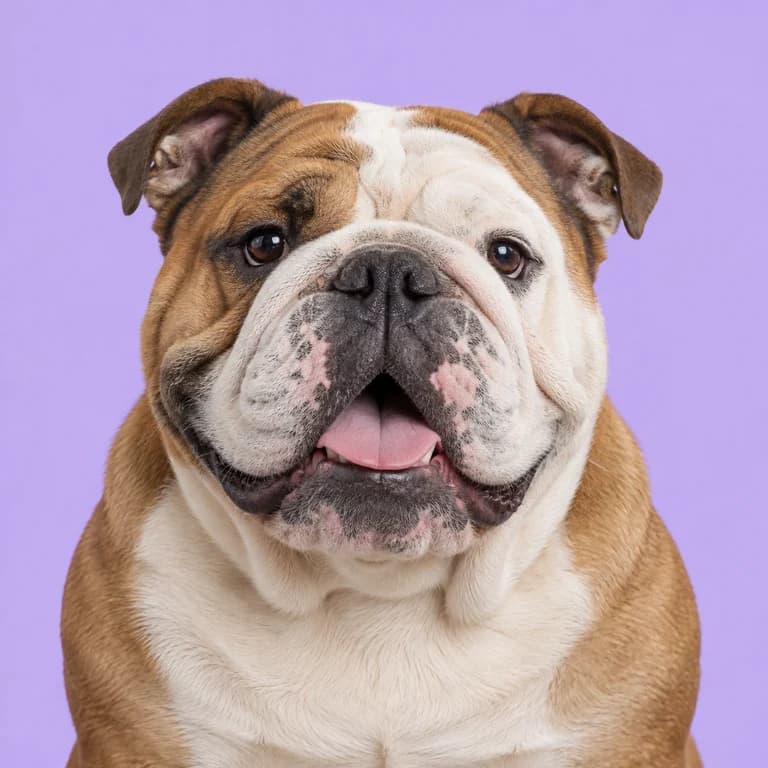
Non-sporting group
English Bulldog
18 to 25 kg · 8 to 10 years
A low-slung, sociable couch companion whose flat face shapes nearly every decision you make about its care.

Non-sporting group
Boston Terrier
5 to 11 kg · 11 to 13 years
Tuxedo markings, a clown's timing and a genuine fondness for almost every person it meets.

Non-sporting group
French Bulldog
8 to 14 kg · 10 to 12 years
A compact clown with bat ears whose flat face shapes nearly every decision about exercise, heat and feeding.
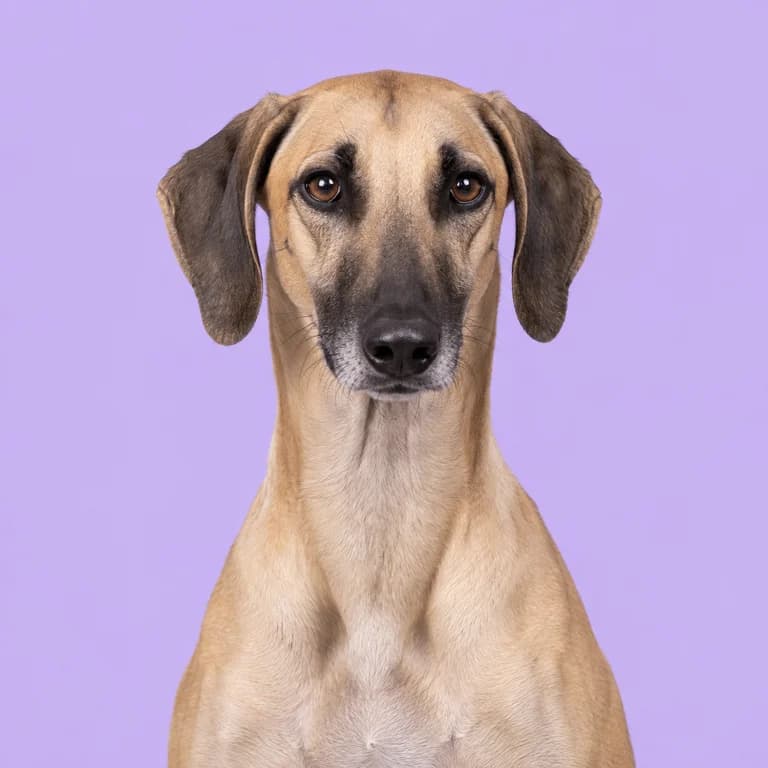
Hound group
Sloughi
18 to 28 kg · 12 to 15 years
A reserved North African sighthound that gives its heart to one family and keeps strangers at a polite distance.

Herding group
Entlebucher Mountain Dog
20 to 30 kg · 11 to 13 years
The smallest Swiss mountain dog packs a cattle drover's stamina into a compact, tricolored body that rarely switches off.
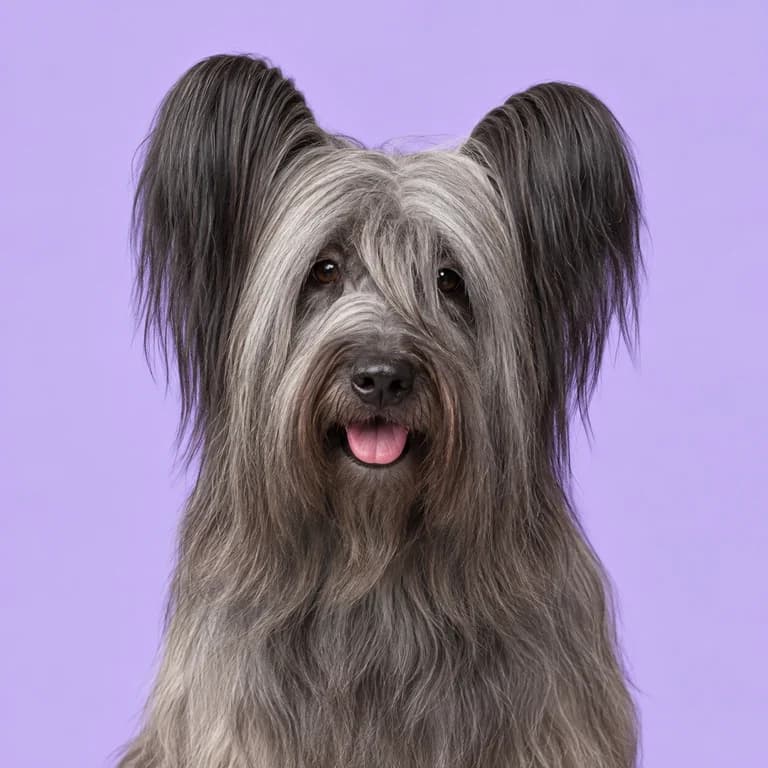
Terrier group
Skye Terrier
11 to 18 kg · 12 to 14 years
A long, low Highland terrier with a flowing coat, a loyal heart and a place in Scottish legend.