Sources for this article
Toy group · France and Belgium
Papillon
Also called Continental Toy Spaniel, Butterfly Dog, Phalène
A butterfly-eared toy spaniel that learns faster than most big dogs and loves showing off what it knows.
Papillons are tiny, elegant and surprisingly athletic, with a quick mind that shines in obedience, agility and trick training. They are affectionate, alert and happiest when included in everything. Their coat is easier than it looks, but their small bones need protection.
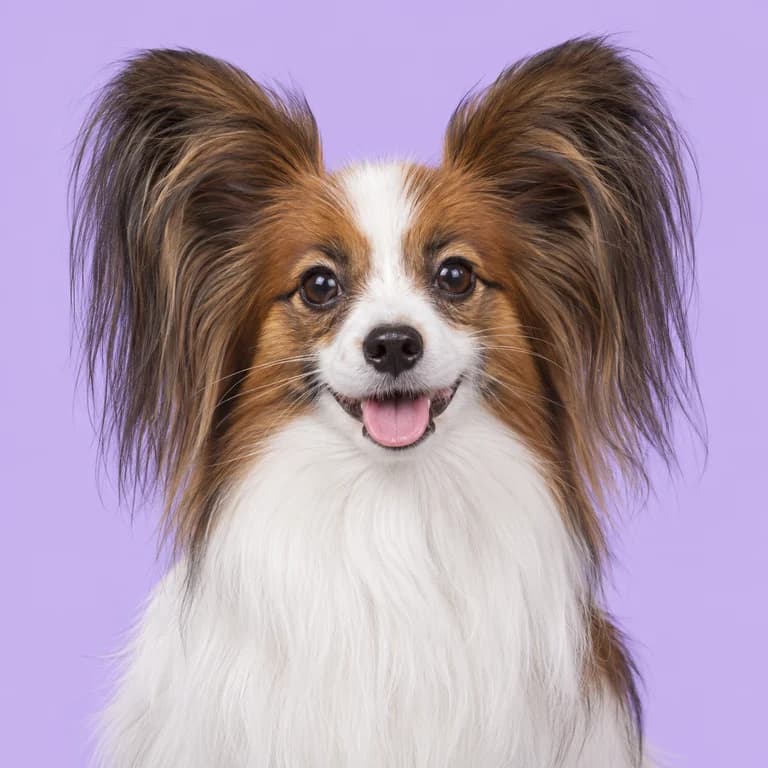
Original AI-generated breed illustration
Weight
2 to 5 kg
4 to 11 lb
Height
20 to 28 cm
at the shoulder
Life expectancy
13 to 16 yrs
Activity estimate
90 to 120 min
editorial daily planning range
Adult-size estimate
10 months
approximate model input
Life with a Papillon
Put a Papillon in an agility ring and watch the audience reset its expectations. This dog, which weighs about as much as a house cat, will fly through weave poles, remember a course after one walk-through and look back for the next instruction. That combination of brains and bounce is the defining feature of the breed.
The Papillon descends from the dwarf spaniels kept by European nobility, particularly in France and Belgium, for several centuries. Early versions had drooping ears, and those still exist today as the Phalène. At some point, probably around the 1700s or 1800s, erect-eared dogs became fashionable and eventually dominated. Legends link the breed to famous royal owners, including Marie Antoinette, though such stories are hard to verify.
At home, a Papillon is lively, curious and very attached to its people. Many are friendly with visitors once introduced, but they notice everything and will tell you about it. They adapt well to apartments and small spaces, provided they get daily walks and plenty of mental work, and they tend to stay playful well into their teens.
What stands out
Training
Papillons learn quickly and love to work with you. Short, upbeat sessions with food or toys build a rich repertoire of tricks and cues, and many dogs pick up hand signals easily. Because they are sensitive, heavy-handed methods tend to backfire and make them anxious.
Read the full training guideEasy to train
Open with strangers
Good with other dogs
A great match for
- owners who enjoy training and dog sports
- flats and small homes
- older adults with time to spend together
- families with calm children over school age
Think twice if
- fragile legs that can break in falls from furniture
- barking at every sound
- possessive attachment to one person
- tooth crowding and early tartar
- slow house training in some dogs
Personality and needs at a glance
Living together
Good with children
Good with other dogs
Open with strangers
Apartment friendly
Copes with alone time
Energy and character
Energy level
Playfulness
Easy to train
Barking
5 means very vocal
Care and climate
Grooming needs
Shedding
Drooling
Handles cold
Handles heat
How much a Papillon eats
Illustrative calculations for neutered adults at midpoint breed weights, with food at 370 kcal per 100 g and 100 g per cup. These are not measured breed requirements. Use actual weight, the food label and veterinary body-condition advice.
| Dog | Weight | Calories | Dry food |
|---|---|---|---|
| Female, relaxed lifestyle | 3 kg | 220 kcal | 60 g (0.5 cups) |
| Female, typical pet | 3 kg | 260 kcal | 70 g (0.8 cups) |
| Male, typical pet | 4 kg | 320 kcal | 85 g (0.8 cups) |
| Male, very active | 4 kg | 400 kcal | 105 g (1 cups) |
Care guides for the Papillon
Things owners are often surprised by
- 1Papillon is French for butterfly, a nod to the large, fringed upright ears.
- 2A drop-eared version, the Phalène (French for moth), is born in the same litters and is the older form.
- 3Toy spaniels of this type appear in European paintings from the 1500s onward, including works often attributed to Titian and his circle.
- 4Papillons regularly earn top obedience and agility titles despite weighing under 5 kg (11 lb).
- 5There is no undercoat, so shedding is modest and mats form less easily than in many long-coated dogs.
Papillon questions
What is the difference between a Papillon and a Phalène?
The only difference is the ears. Papillons have large upright ears that resemble butterfly wings, while Phalènes have drooping ears. Both types can appear in the same litter and share body shape, coat and temperament. In most kennel clubs they are one breed, with the ear type noted. The Phalène is the older form, but the upright-eared Papillon is far more common today.
When do Papillon puppy ears stand up?
Most upright ears lift between eight and sixteen weeks, but teething can make them flop again until adult teeth are in, usually around five to six months. By then, you will usually know whether the ears will stand. Some ears have one side up and one down temporarily. Avoid taping or rubbing the ears without advice from your breeder or vet.
Are Papillons good at agility?
Very good. Papillons are quick, light and eager to learn, and they often place well in agility even against larger breeds. They jump in lower height classes, which spares their joints. Start with foundation training and body awareness games, and wait until your dog is fully grown, usually after a year, before practicing full-height jumps and weave poles.
Do Papillons bark a lot?
Many do, especially at the door or window. They are alert and quick to react, which makes them good alarm dogs but can annoy neighbors in shared buildings. Early training helps: reward quiet, block views of busy streets, and give enough mental exercise. A Papillon that is tired from training and walks tends to bark noticeably less.
Can a Papillon live safely with a large dog?
Yes, if the large dog is gentle and play is managed. The risk is not usually aggression but size: a playful paw or body slam can break a small leg. Supervise play, interrupt rough games, and give the Papillon high places or separate spaces to retreat. Feed the dogs apart to avoid tension over food.
Popular answers for owners
- How much to feedShould I adjust my dog's food as it moves from young adult to middle age?
- Grooming and coatCan I use human hair clippers on my dog?
- Bowls and feeding gearWhere should I put my dog's food bowl?
- Exercise and playWhy is my dog limping after a walk?
- Exercise and playIs pool water safe for dogs to swim in?
- Exercise and playHow much exercise does a flat faced dog need?
Breeds you might compare
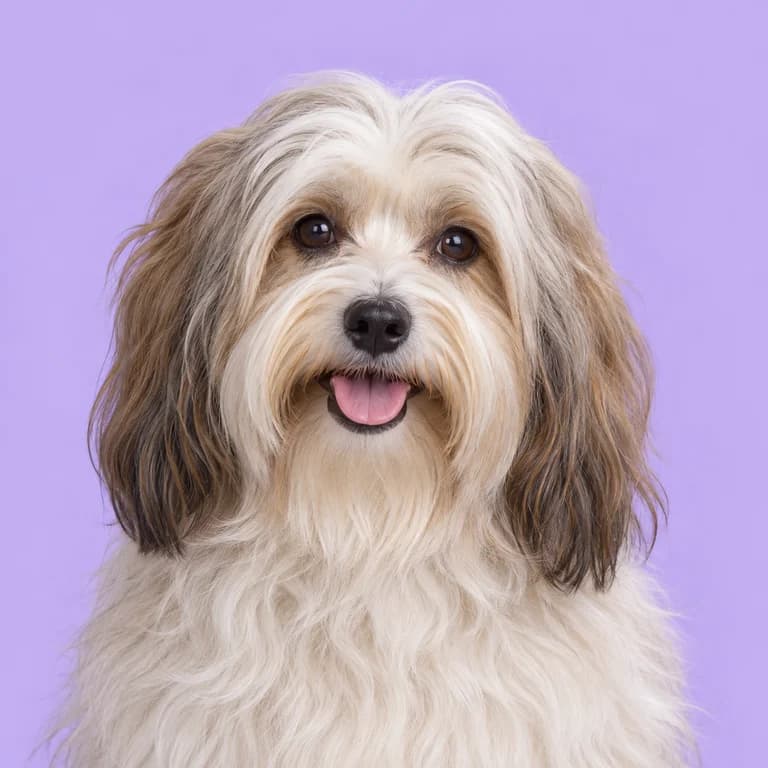
Toy group
Havanese
3 to 6 kg · 14 to 16 years
Cuba's national dog, a cheerful little shadow that treats every room you enter as the place to be.
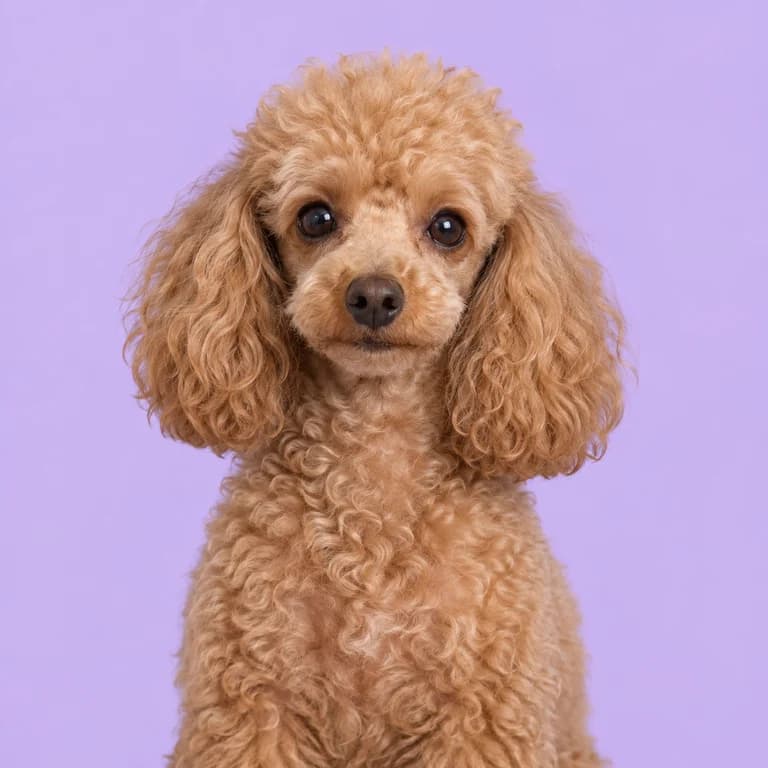
Toy group
Toy Poodle
2 to 4 kg · 14 to 17 years
A full Poodle brain packed into a body under 4 kg, quick to learn and quicker to notice your habits.
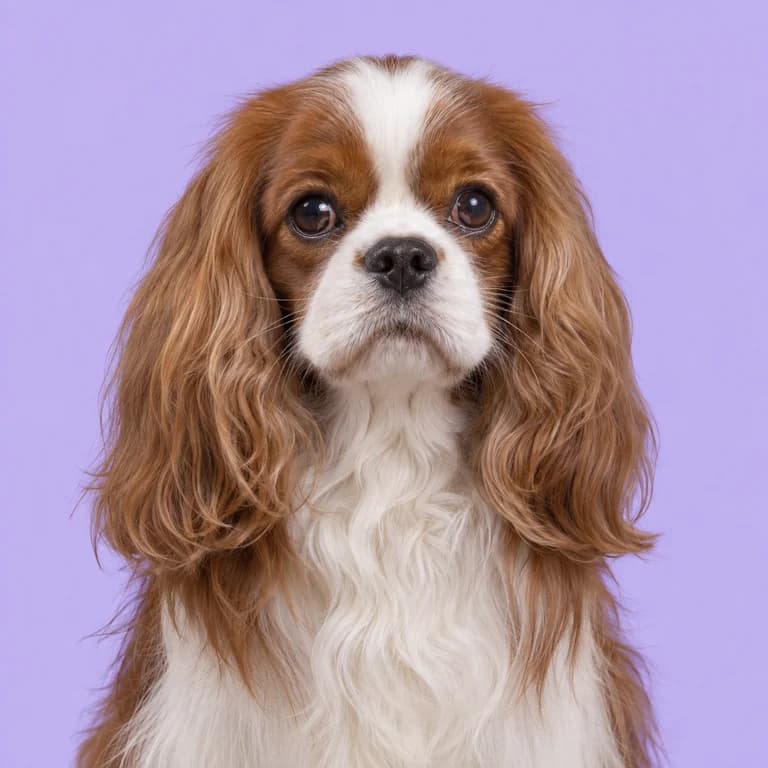
Toy group
English Toy Spaniel
4 to 6 kg · 10 to 12 years
A compact, flat-faced royal lapdog that fits in your arms and carries centuries of court history.
Toy group
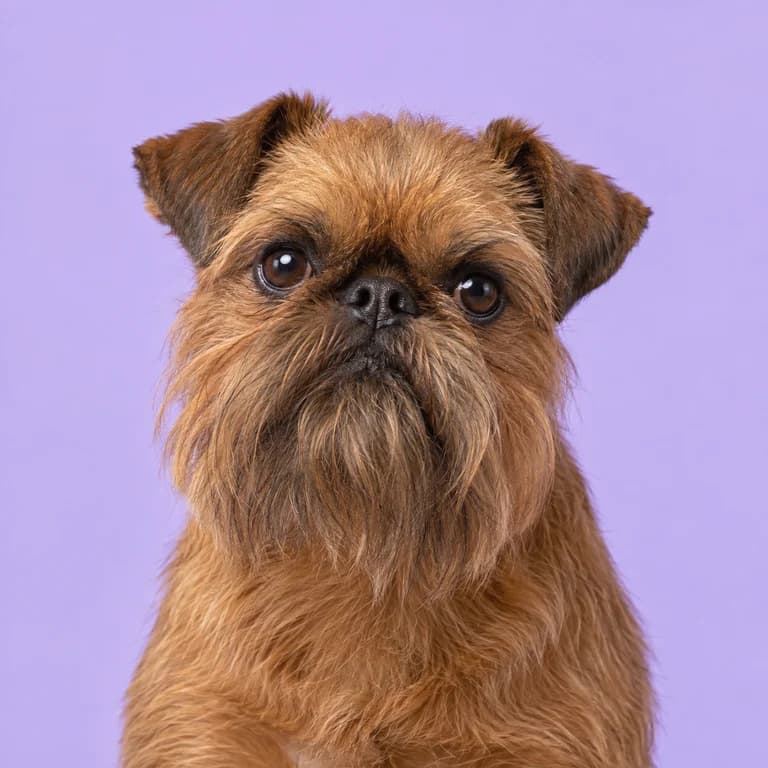
Brussels Griffon
3 to 6 kg · 12 to 15 years
A small bearded Belgian with an almost human stare and a big opinion about who belongs to it.
Toy group
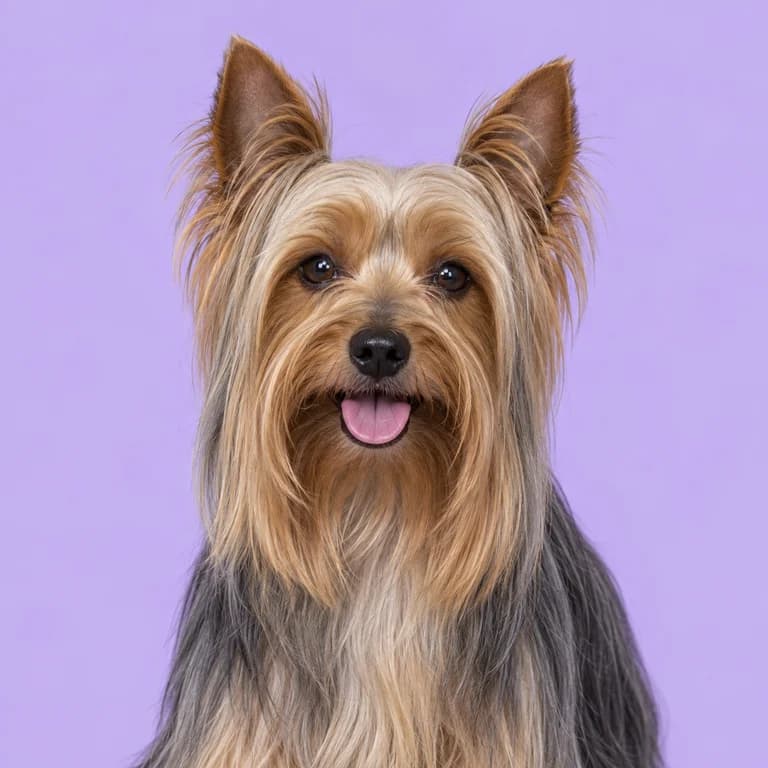
Silky Terrier
4 to 5 kg · 13 to 15 years
A true terrier in a toy-sized body, dressed in blue and tan silk and still keen to catch a rat.
Toy group
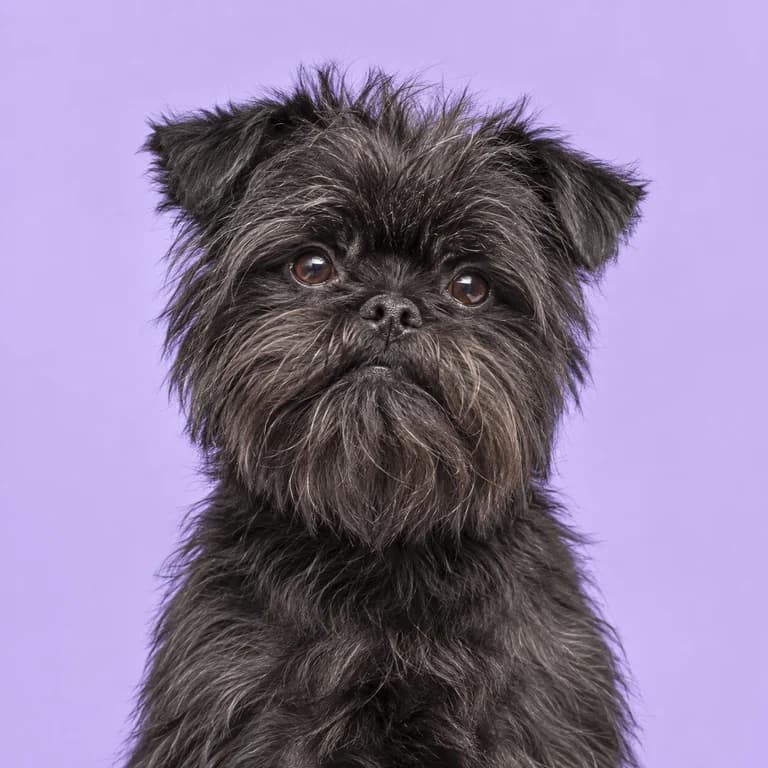
Affenpinscher
3 to 6 kg · 12 to 15 years
Barely 4 kg of confidence, a monkey-faced stable ratter that behaves as if nobody told it how small it is.