Sources for this article
Toy group · Cuba
Havanese
Also called Bichon Havanais, Havana Silk Dog
Cuba's national dog, a cheerful little shadow that treats every room you enter as the place to be.
The Havanese is a small, sturdy companion dog from Cuba, part of the Bichon family and usually weighing 3 to 6 kg (7 to 13 lb). It is known for a warm, clownish temperament and an almost total dependence on human company. That devotion is its great charm and its main drawback.
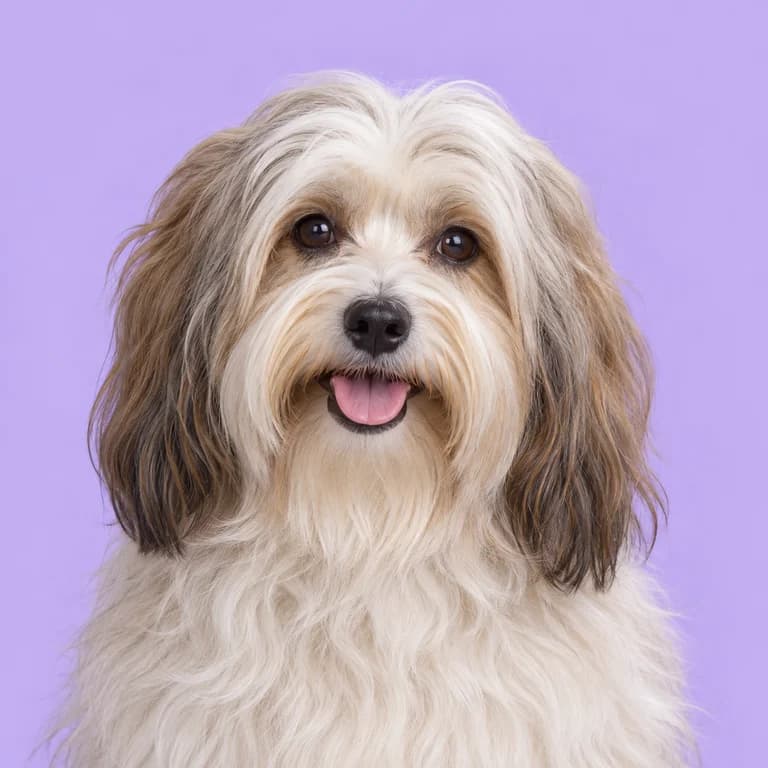
Original AI-generated breed illustration
Weight
3 to 6 kg
7 to 13 lb
Height
22 to 29 cm
at the shoulder
Life expectancy
14 to 16 yrs
Activity estimate
60 to 90 min
editorial daily planning range
Adult-size estimate
12 months
approximate model input
Life with a Havanese
Ask Havanese owners what the breed is like and most will describe a dog that follows them to the bathroom. That is not a flaw that crept in; it is what the breed was shaped for. Small Bichon-type dogs arrived in Cuba with Spanish settlers and traders, and over two centuries the island's wealthy families refined them into house companions whose job was to be charming, portable and present.
The 1959 revolution nearly ended the breed. Many families who left for the United States took their dogs with them, and in the 1970s American breeders started rebuilding the Havanese from a very small group of those dogs. Today it is one of the more popular toy breeds in North America and Europe, with a far larger gene pool thanks to careful outcrossing within related lines.
Day to day, a Havanese is playful, curious and good-humored. Many enjoy learning tricks, and the breed has a history as a performer in circuses and as a therapy dog. They tend to be friendly with visitors, other dogs and cats, which makes them easy to include in family life. The price of that sociability is poor tolerance for being left alone.
What stands out
Training
Havanese learn happily with praise, play and food, and they notice your mood more than your words. Harsh corrections tend to make them clingy or worried. Short sessions spread through the day, with lots of reward for the right choice, work much better than one long lesson.
Read the full training guideEasy to train
Open with strangers
Good with other dogs
A great match for
- homes where someone is around most of the day
- families with gentle children
- first-time owners willing to groom
- apartments and small houses
Think twice if
- distress when left alone for hours
- matting during the puppy-to-adult coat change
- slow housetraining in some dogs
- tear and beard staining on pale coats
Personality and needs at a glance
Living together
Good with children
Good with other dogs
Open with strangers
Apartment friendly
Copes with alone time
Energy and character
Energy level
Playfulness
Easy to train
Barking
5 means very vocal
Care and climate
Grooming needs
Shedding
Drooling
Handles cold
Handles heat
How much a Havanese eats
Illustrative calculations for neutered adults at midpoint breed weights, with food at 370 kcal per 100 g and 100 g per cup. These are not measured breed requirements. Use actual weight, the food label and veterinary body-condition advice.
| Dog | Weight | Calories | Dry food |
|---|---|---|---|
| Female, relaxed lifestyle | 5 kg | 300 kcal | 80 g (0.8 cups) |
| Female, typical pet | 5 kg | 350 kcal | 95 g (1 cups) |
| Male, typical pet | 5 kg | 350 kcal | 95 g (1 cups) |
| Male, very active | 5 kg | 430 kcal | 115 g (1.3 cups) |
Care guides for the Havanese
Things owners are often surprised by
- 1The only native dog breed of Cuba
- 2The modern population outside Cuba was rebuilt in the US from a small group of dogs, often quoted as eleven
- 3Has a distinctive springy, lively gait that shows off its slightly longer back
- 4The coat can be left flowing, kept in a short cut, or allowed to form cords
- 5Adult coat comes in between about 8 and 12 months, which is peak matting season
Havanese questions
Why is the Havanese called a Velcro dog?
Because it sticks to its people. The breed was developed purely as a house companion, so a Havanese usually wants to be in the same room as you, following you to the kitchen and waiting outside the bathroom door. That makes it affectionate and easy to live with, but it also means long periods alone can cause barking, chewing or restlessness.
How long can a Havanese be left alone?
Most adults cope with around 3 to 4 hours once they have been gradually taught that being alone is fine. Longer stretches, especially every day, are hard on this breed. If you work full days away from home, plan for a walker, a neighbor, daycare or a second dog, and practice short absences from puppyhood.
Are Havanese good for people with allergies?
They shed less than most breeds, and much of the loose hair stays in the coat until you brush it. Some allergic people manage well with them, but no breed is truly allergen free, since allergens also come from saliva and skin. Spending time with a few adult Havanese is the best way to test your own reaction.
Can a Havanese coat be corded?
Yes. Left to mat in a controlled way, the Havanese coat can form long cords, and it is one of the few breeds where this is accepted in the show ring. Corded coats need regular separating by hand, careful drying after baths, and patience, since a full set of cords can take two to three years to grow.
Do Havanese bark a lot?
They are moderate barkers. Most will announce the doorbell and visitors, then settle. Excessive barking usually comes from boredom or from being left alone longer than the dog can handle. Rewarding quiet behavior and giving a Havanese enough company and play keeps it manageable in apartments.
Popular answers for owners
- Grooming and coatWhat temperature water should I use to bathe my dog?
- Exercise and playHow do I safely increase exercise for an overweight dog?
- Bowls and feeding gearHow do I keep water cool in a travel bowl on hot days?
- Bowls and feeding gearWhat is a feeding mat for and do I need one?
- Puppy feeding and growthHow much should a Golden Retriever puppy eat at 3 months?
- Bowls and feeding gearHow do I choose a bowl size for two meals a day?
Breeds you might compare
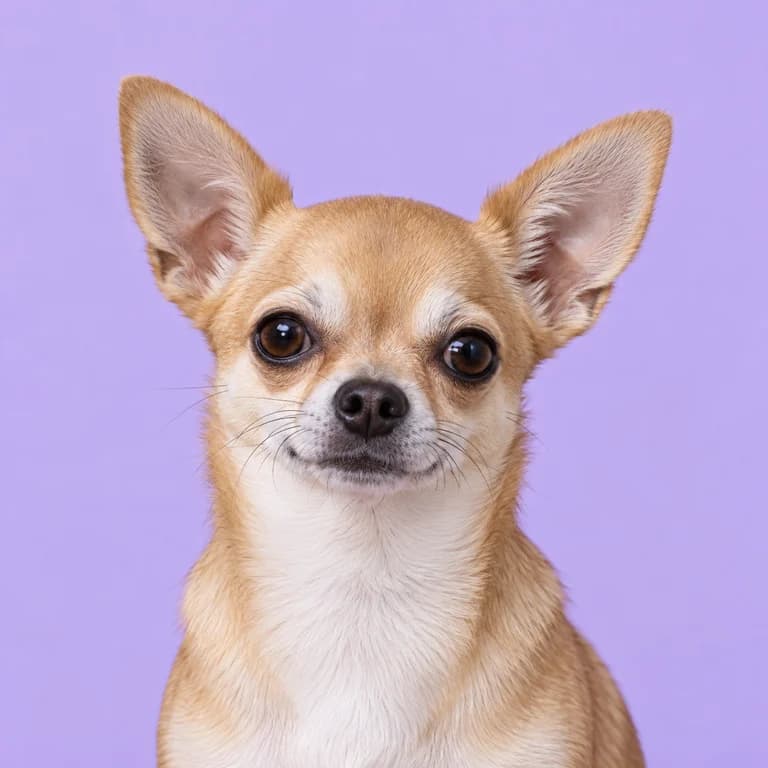
Toy group
Chihuahua
2 to 3 kg · 14 to 17 years
The smallest recognized breed in the world, carrying the confidence and opinions of a much larger dog.
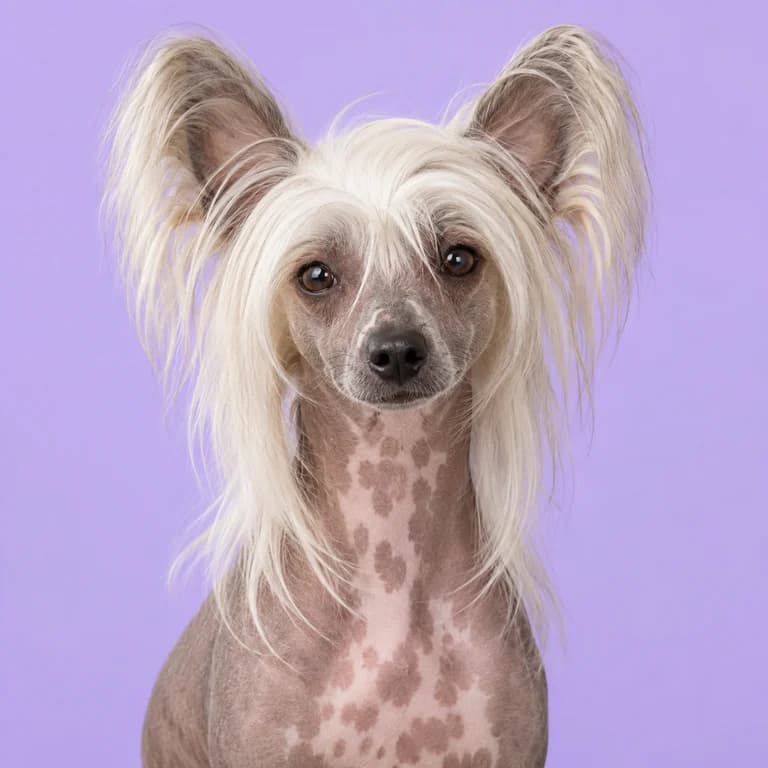
Toy group
Chinese Crested
3 to 5 kg · 13 to 16 years
A toy breed that arrives in two coats from the same litter, with skin needing as much care as hair.
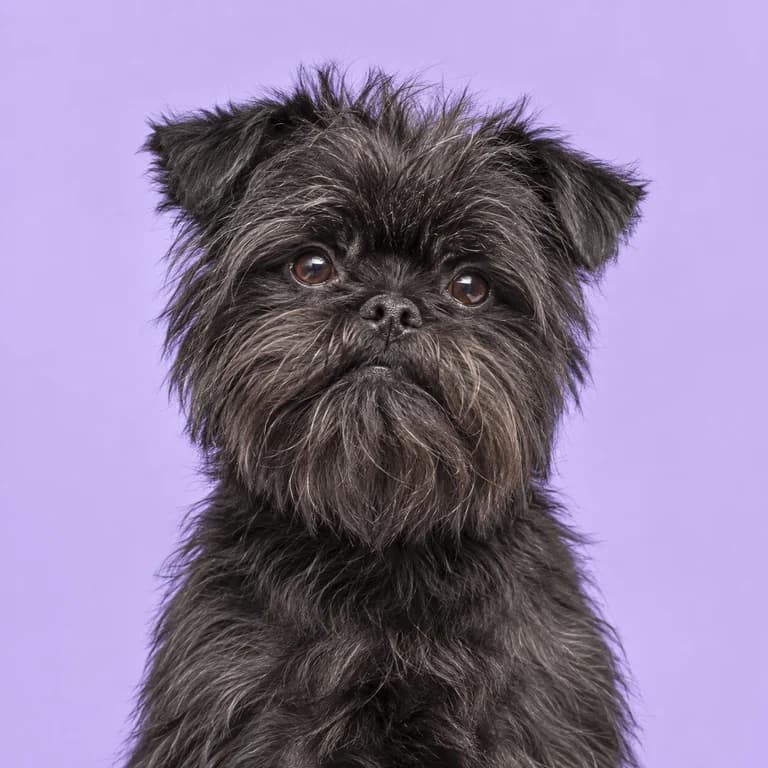
Toy group
Affenpinscher
3 to 6 kg · 12 to 15 years
Barely 4 kg of confidence, a monkey-faced stable ratter that behaves as if nobody told it how small it is.
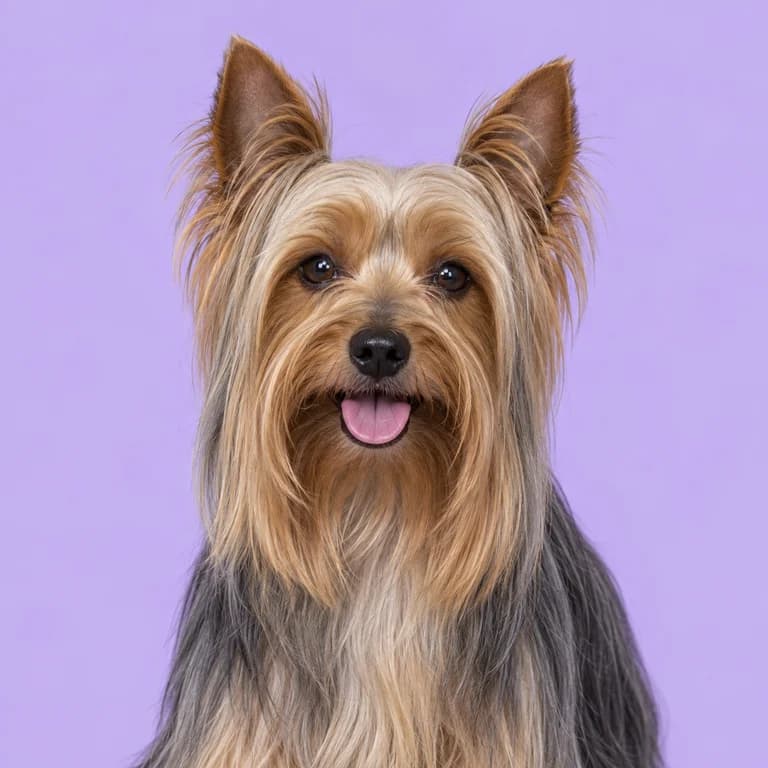
Toy group
Silky Terrier
4 to 5 kg · 13 to 15 years
A true terrier in a toy-sized body, dressed in blue and tan silk and still keen to catch a rat.
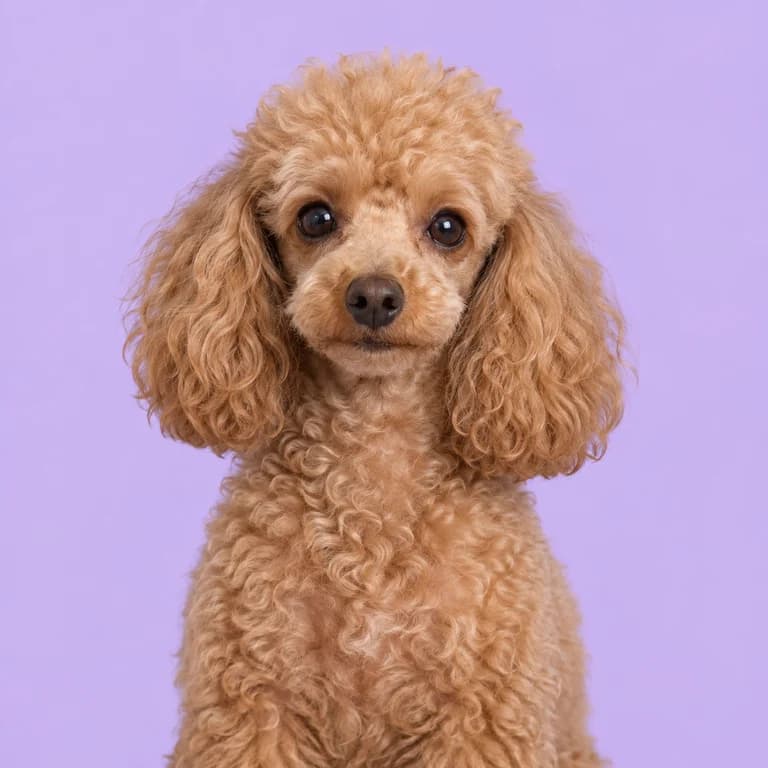
Toy group
Toy Poodle
2 to 4 kg · 14 to 17 years
A full Poodle brain packed into a body under 4 kg, quick to learn and quicker to notice your habits.
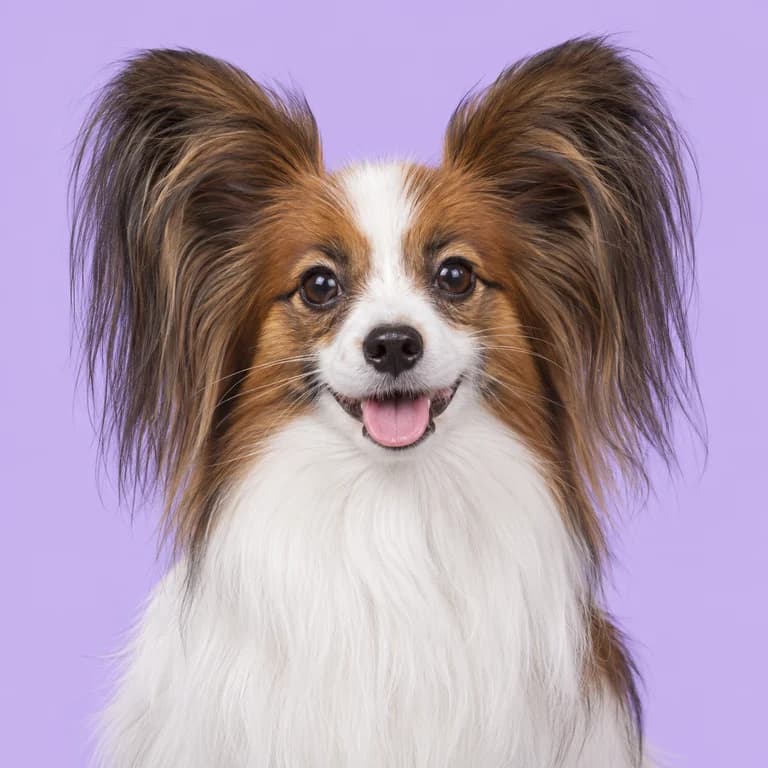
Toy group
Papillon
2 to 5 kg · 13 to 16 years
A butterfly-eared toy spaniel that learns faster than most big dogs and loves showing off what it knows.