Sources for this article
Sporting group · Canada (Nova Scotia)
Nova Scotia Duck Tolling Retriever
Also called Toller, Little River Duck Dog
The smallest retriever, bred to play along the shoreline until curious ducks swam close enough to shoot.
The Nova Scotia Duck Tolling Retriever is a compact, fox-colored gundog with a remarkable hunting trick and energy to match. Bright and affectionate, Tollers suit active owners who enjoy training and plenty of time outdoors.
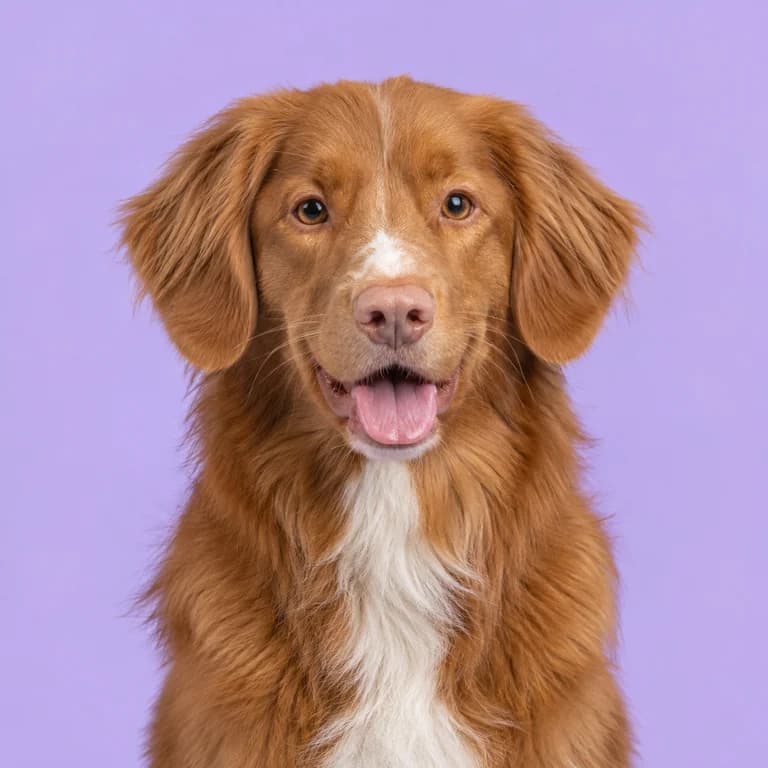
Original AI-generated breed illustration
Weight
17 to 23 kg
37 to 51 lb
Height
45 to 51 cm
at the shoulder
Life expectancy
12 to 14 yrs
Activity estimate
120 to 150 min
editorial daily planning range
Adult-size estimate
18 months
approximate model input
Life with a Nova Scotia Duck Tolling Retriever
Hunters in southwestern Nova Scotia noticed something foxes did along the shoreline: they darted and played at the water's edge, and rafts of ducks drifted in to watch. By the 1800s, families around Little River Harbour in Yarmouth County were breeding red dogs to copy the trick. The hunter hid in a blind and tossed a stick, the dog dashed after it with its tail waving, and the ducks paddled closer until they were in range. Afterward the same dog fetched the birds from cold Atlantic water.
The practice is called tolling, from an old English word meaning to lure or entice. The dogs probably blended retrievers, spaniels, setter types and farm collies, and they stayed a local secret for decades. The Canadian Kennel Club recognized the breed in 1945, and in 1995 it became Nova Scotia's provincial dog.
Modern Tollers keep the same mix of play and purpose. They are quick, bouncy and a little clownish, with a busy, alert face that always seems to be planning the next game. Unlike many retrievers, they are often reserved with strangers at first. Within their family they are affectionate and want to be part of everything.
A great match for
- active owners who enjoy training
- agility, dock diving and field work
- families with older children
- cool and temperate climates
Think twice if
- loud, high-pitched excitement screams
- sheds heavily, especially in spring
- gets bored without daily mental work
- more reserved with strangers than most retrievers
- a small gene pool with some autoimmune conditions
Personality and needs at a glance
Living together
Good with children
Good with other dogs
Open with strangers
Apartment friendly
Copes with alone time
Energy and character
Energy level
Playfulness
Easy to train
Barking
5 means very vocal
Care and climate
Grooming needs
Shedding
Drooling
Handles cold
Handles heat
How much a Nova Scotia Duck Tolling Retriever eats
Illustrative calculations for neutered adults at midpoint breed weights, with food at 370 kcal per 100 g and 100 g per cup. These are not measured breed requirements. Use actual weight, the food label and veterinary body-condition advice.
| Dog | Weight | Calories | Dry food |
|---|---|---|---|
| Female, relaxed lifestyle | 19 kg | 870 kcal | 235 g (2.3 cups) |
| Female, typical pet | 19 kg | 1000 kcal | 270 g (2.8 cups) |
| Male, typical pet | 22 kg | 1120 kcal | 300 g (3 cups) |
| Male, very active | 22 kg | 1400 kcal | 380 g (3.8 cups) |
Care guides for the Nova Scotia Duck Tolling Retriever
Things owners are often surprised by
- 1Recognized by the Canadian Kennel Club in 1945
- 2Named the provincial dog of Nova Scotia in 1995
- 3Known for the Toller scream, a piercing shriek of excitement
- 4The smallest of the recognized retriever breeds
- 5White markings usually appear on the chest, feet, tail tip or as a facial blaze
Nova Scotia Duck Tolling Retriever questions
What does tolling mean?
Tolling means luring game within range. A tolling dog plays conspicuously along the shore, retrieving sticks and waving its white-tipped tail, which draws curious ducks and geese toward it. Once the birds are close enough, the hunter stands and shoots, and the dog retrieves them. The technique copies the way foxes are said to attract waterfowl by frolicking at the water's edge.
Why do Tollers scream?
That scream is a high-pitched, piercing noise many Tollers make when excited, usually before a walk, a game or a retrieve. It reflects intense anticipation rather than pain in that context. You can reduce it by rewarding quiet, avoiding hyped-up greetings and never starting a game while your dog is screaming. Few owners eliminate it completely.
Are Tollers good for first-time owners?
They can be, if you are active and keen on training. Tollers are smart and responsive but need plenty of daily exercise and mental work, and the screaming can test your patience. First-time owners who enjoy dog sports or hiking often do well, while people looking for a calm, low-maintenance companion may find the breed too intense.
Is a Toller just a small Golden Retriever?
No. Although both are red-gold retrievers, the Toller is smaller, more agile and has a sharper, fox-like look. Its hunting role is different too: it lures ducks as well as retrieving them. Tollers tend to be more reserved with strangers and more vocal than Goldens, with a quicker, busier temperament that suits active homes.
Do all Tollers have white markings?
Most do, but not all. White usually appears on the chest, feet, tail tip or as a blaze on the face, and the breed standard allows these markings. A white tail tip was thought to help catch ducks' attention during tolling. Some Tollers have no white at all, which is also acceptable, though less common.
Popular answers for owners
- How much to feedHow do I measure a portion of raw dog food?
- How much to feedHow can I tell if my dog is overweight?
- Grooming and coatWhy does my dog's coat feel greasy between baths?
- Puppy feeding and growthHow long does it take to switch a puppy to a new food?
- Exercise and playHow much exercise does a large breed dog need?
- How much to feedHow long should a healthy weight loss plan take for a dog?
Breeds you might compare
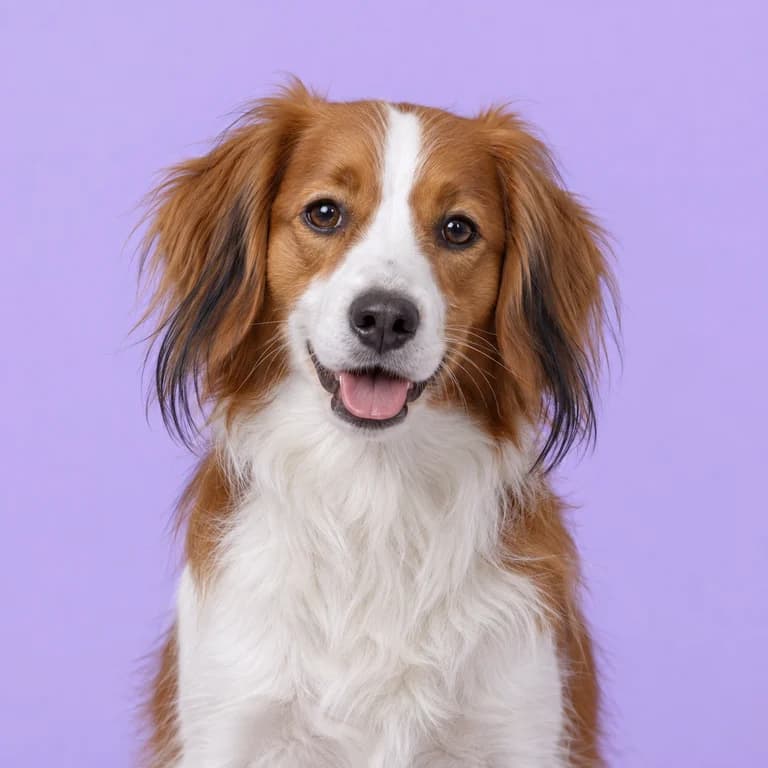
Sporting group
Kooikerhondje
9 to 12 kg · 12 to 15 years
Bred to wave a white plumed tail and lure curious ducks into Dutch decoy traps, and still just as alert.
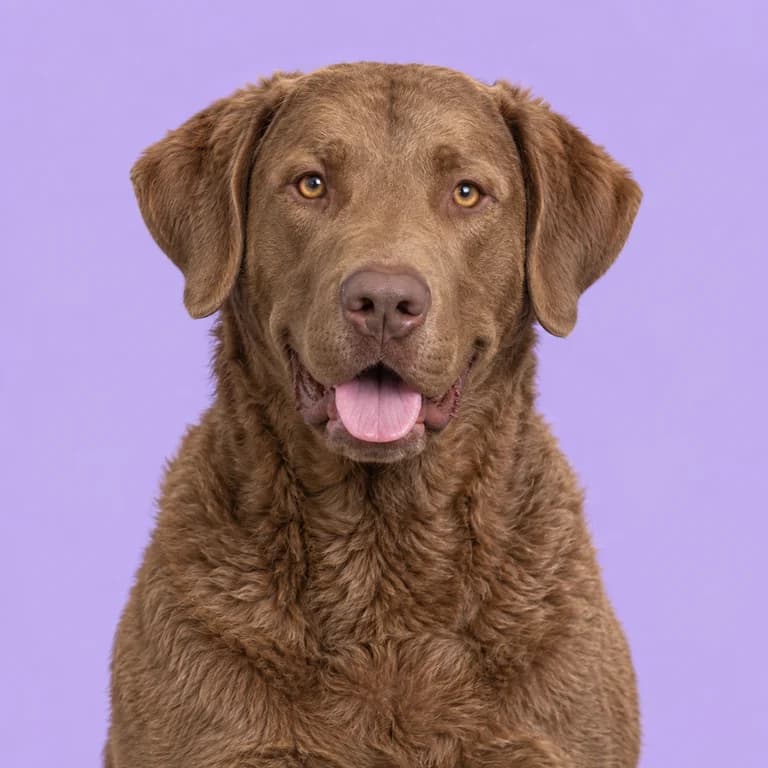
Sporting group
Chesapeake Bay Retriever
25 to 36 kg · 10 to 13 years
An oily-coated ice-water retriever from Maryland with a mind of its own and a strong protective streak.
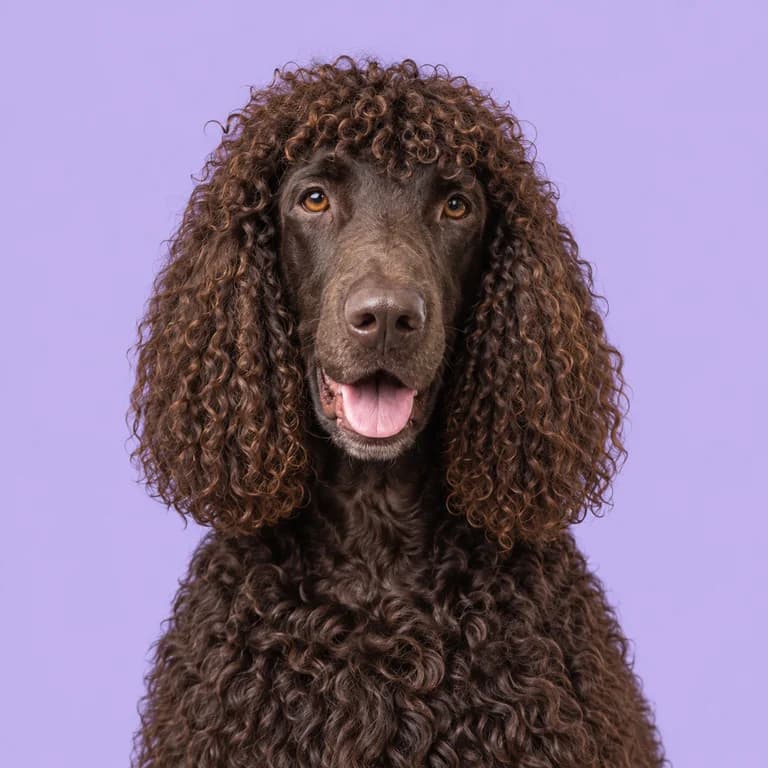
Sporting group
Irish Water Spaniel
20 to 31 kg · 10 to 13 years
The tallest spaniel, dressed in waterproof liver curls and topped with a loose, clownish topknot.
Hound group
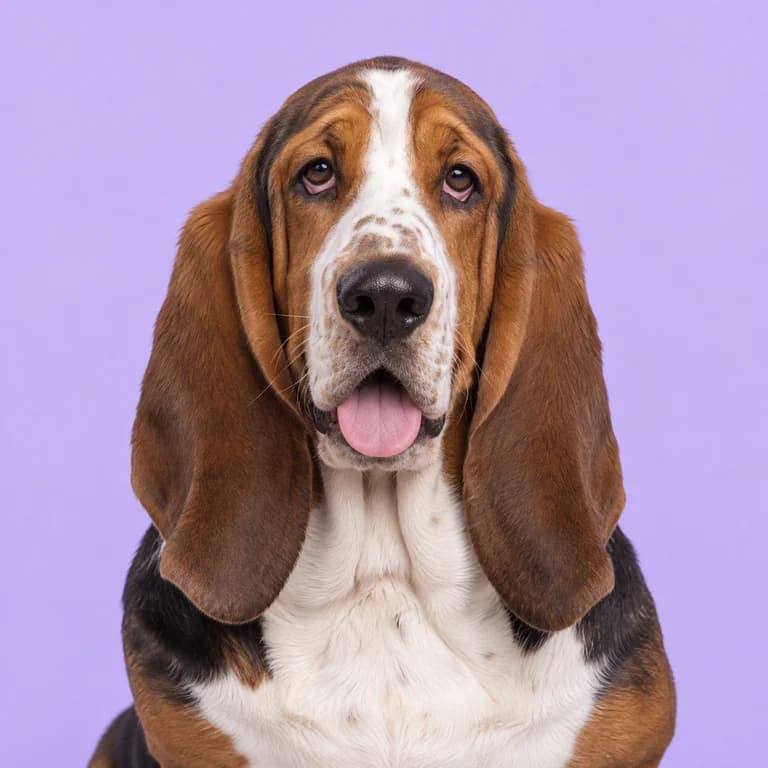
Basset Hound
20 to 29 kg · 10 to 12 years
A scent hound nearly as heavy as a Labrador, built on legs barely 35 cm tall.
Herding group
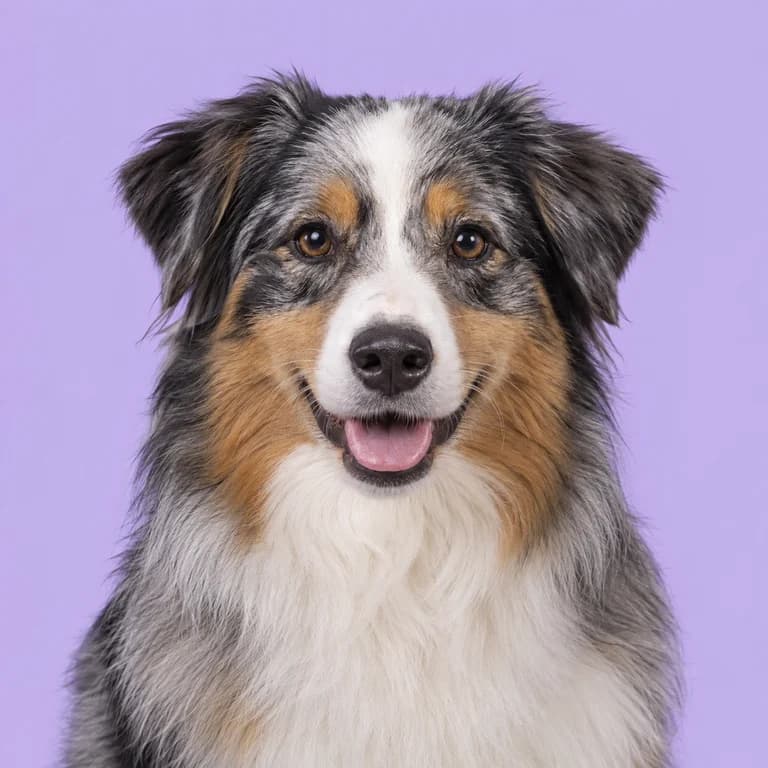
Miniature American Shepherd
9 to 18 kg · 12 to 15 years
A true herding dog scaled down to fit a smaller home, with none of the drive removed.
Sporting group
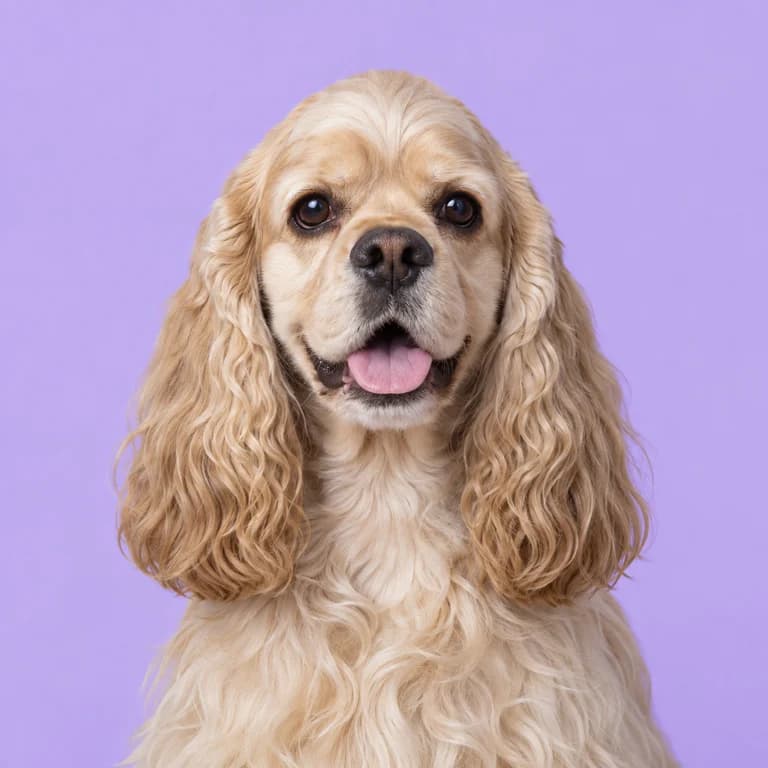
American Cocker Spaniel
9 to 14 kg · 12 to 14 years
The smallest American sporting spaniel, famous for a flowing coat that demands nearly as much attention as the dog.