Sources for this article
Sporting group · Netherlands
Kooikerhondje
Also called Nederlandse Kooikerhondje, Kooiker, Dutch Decoy Dog
Bred to wave a white plumed tail and lure curious ducks into Dutch decoy traps, and still just as alert.
The Kooikerhondje is a spaniel-type dog of about 9 to 12 kg (20 to 26 lb) from the Netherlands, easy to recognize by its orange-red and white coat and black-tipped ears. It was bred to help duck catchers lure wild ducks, and today it is a lively, loyal and quite sensitive family dog that is often reserved with strangers.

Original AI-generated breed illustration
Weight
9 to 12 kg
20 to 26 lb
Height
35 to 42 cm
at the shoulder
Life expectancy
12 to 15 yrs
Activity estimate
90 to 120 min
editorial daily planning range
Adult-size estimate
14 months
approximate model input
Life with a Kooikerhondje
Dutch duck catchers built decoy ponds called kooien, with curved channels covered in netting leading away from the open water. The catcher's small dog would trot in and out between reed screens along the channel, its white tail waving. Wild ducks, curious about the flicker of a fox-like animal, swam after it deeper into the channel until the catcher could close the trap. Some of these ponds are still used today, mainly to ring birds for research.
Small orange and white dogs of this type appear in Dutch paintings from the 1600s. By the Second World War, though, very few remained. In the 1940s Baroness van Hardenbroek van Ammerstol set out to save the type, famously tracking down a female called Tommy, who became a foundation of the modern breed. The Dutch Kennel Club recognized it in 1971, and the AKC followed in 2018.
Today's Kooiker is affectionate and playful with its own people, quick to learn and fond of activity. It is also sensitive and watchful: many are cautious with strangers, dislike being grabbed or crowded, and remember a bad experience for a long time. In a calm home that respects its nature, it is a devoted and entertaining companion.
A great match for
- active owners who enjoy dog sports
- calm families with school-age children
- people who value a loyal, alert companion
- suburban homes with daily outdoor time
Think twice if
- wariness of strangers and new situations
- sensitivity to harsh handling or loud noises
- strong interest in birds on walks
- shutdown or worry if training is heavy-handed
Personality and needs at a glance
Living together
Good with children
Good with other dogs
Open with strangers
Apartment friendly
Copes with alone time
Energy and character
Energy level
Playfulness
Easy to train
Barking
5 means very vocal
Care and climate
Grooming needs
Shedding
Drooling
Handles cold
Handles heat
How much a Kooikerhondje eats
Illustrative calculations for neutered adults at midpoint breed weights, with food at 370 kcal per 100 g and 100 g per cup. These are not measured breed requirements. Use actual weight, the food label and veterinary body-condition advice.
| Dog | Weight | Calories | Dry food |
|---|---|---|---|
| Female, relaxed lifestyle | 10 kg | 550 kcal | 150 g (1.5 cups) |
| Female, typical pet | 10 kg | 630 kcal | 170 g (1.8 cups) |
| Male, typical pet | 11 kg | 680 kcal | 185 g (1.8 cups) |
| Male, very active | 11 kg | 850 kcal | 230 g (2.3 cups) |
Care guides for the Kooikerhondje
Things owners are often surprised by
- 1Named after the kooi, a Dutch duck decoy pond with curved netted channels
- 2The black tips on the ear feathering are nicknamed earrings
- 3Nearly disappeared after the Second World War; the revived breed traces largely to a female called Tommy
- 4Recognized by the Dutch Kennel Club in 1971 and by the AKC in 2018
- 5DNA tests exist for two inherited conditions seen in the breed
Kooikerhondje questions
How do you pronounce Kooikerhondje?
Roughly KOY-ker-hont-yeh. Kooiker means decoy man, the person who ran a duck decoy, and hondje means little dog. Many owners simply shorten it to Kooiker or Kooi. In English-speaking countries the breed is sometimes called the Dutch decoy dog, though Kooikerhondje is the official name.
What are the black tips on a Kooikerhondje's ears?
The long black hairs at the tips of the ear feathering are called earrings. They are a hallmark of the breed and are desired in the breed standard. They can be sparse in puppies and develop fully as the adult coat grows in, often by around 18 months. Owners who show their dogs leave them untrimmed.
Are Kooikerhondjes good with children?
They are usually affectionate with children they know, and many enjoy games of fetch in the garden. The breed is sensitive, though, and may snap or withdraw if grabbed, hugged tightly or chased. Families with calm, school-age children who can respect a dog's space tend to do best.
Do Kooikerhondjes still hunt ducks?
A small number of traditional decoy ponds in the Netherlands still operate, now mostly for catching and ringing wild ducks for research rather than for food. Some Kooikers are still trained for this work. Most modern Kooikers are family dogs, but their interest in birds is usually very much alive.
Are Kooikerhondjes rare?
Fairly rare outside the Netherlands, yes, and responsible breeders often have waiting lists. The modern breed was rebuilt from a small number of dogs, so breed clubs pay close attention to genetic diversity and DNA testing. Be wary of anyone offering puppies without health test results for both parents.
Popular answers for owners
- Grooming and coatWhat's the difference between a double coat and a single coat?
- Exercise and playHow do I know if my dog is bored from lack of exercise?
- Grooming and coatWhat's the difference between a slicker brush and a pin brush?
- Grooming and coatWhy does my dog growl when I brush him?
- Exercise and playAre rope toys safe for dogs?
- How much to feedShould I feed differently in a very hot climate compared to a cool one?
Breeds you might compare
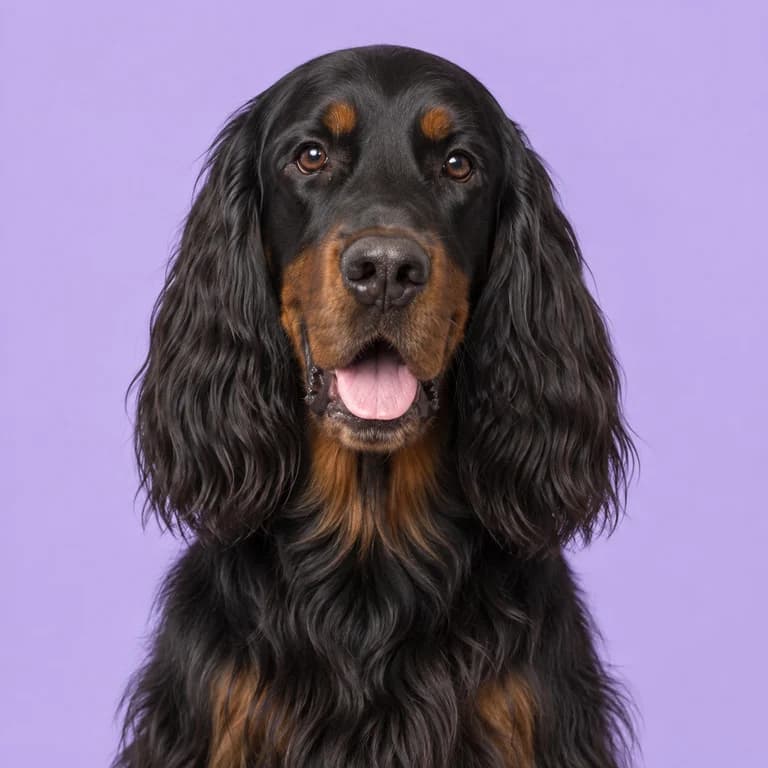
Sporting group
Gordon Setter
20 to 36 kg · 10 to 12 years
The heaviest and most thoughtful of the setters, shaped by a Scottish duke for long days on grouse moors.

Sporting group
Golden Retriever
25 to 34 kg · 10 to 12 years
A soft-mouthed Scottish gundog that treats every visitor as a friend and every sock as a gift.

Sporting group
American Cocker Spaniel
9 to 14 kg · 12 to 14 years
The smallest American sporting spaniel, famous for a flowing coat that demands nearly as much attention as the dog.
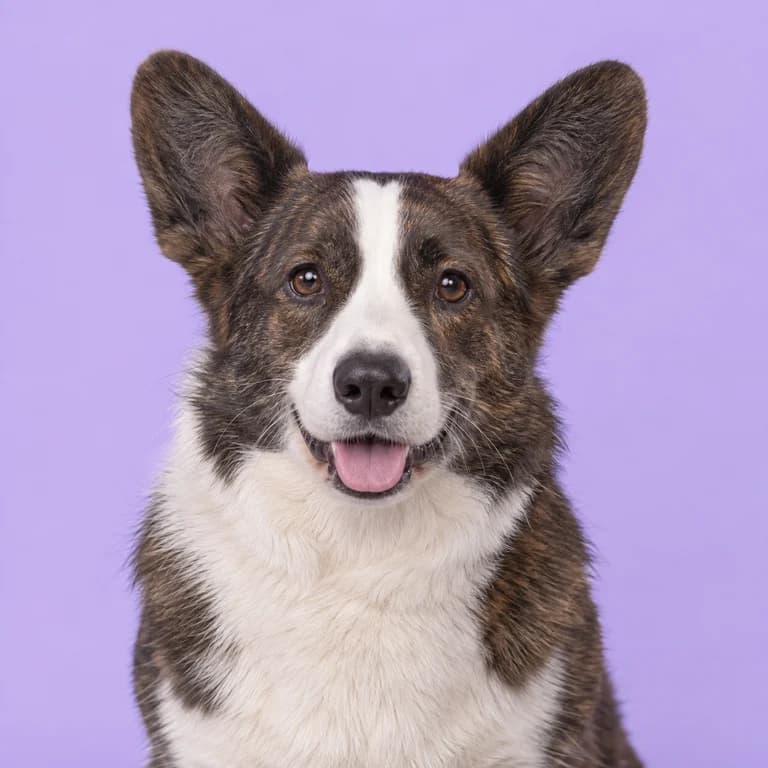
Herding group
Cardigan Welsh Corgi
12 to 17 kg · 12 to 15 years
The older, long-tailed corgi from the Welsh hills, built low to drive cattle and still thinking like a farmhand.
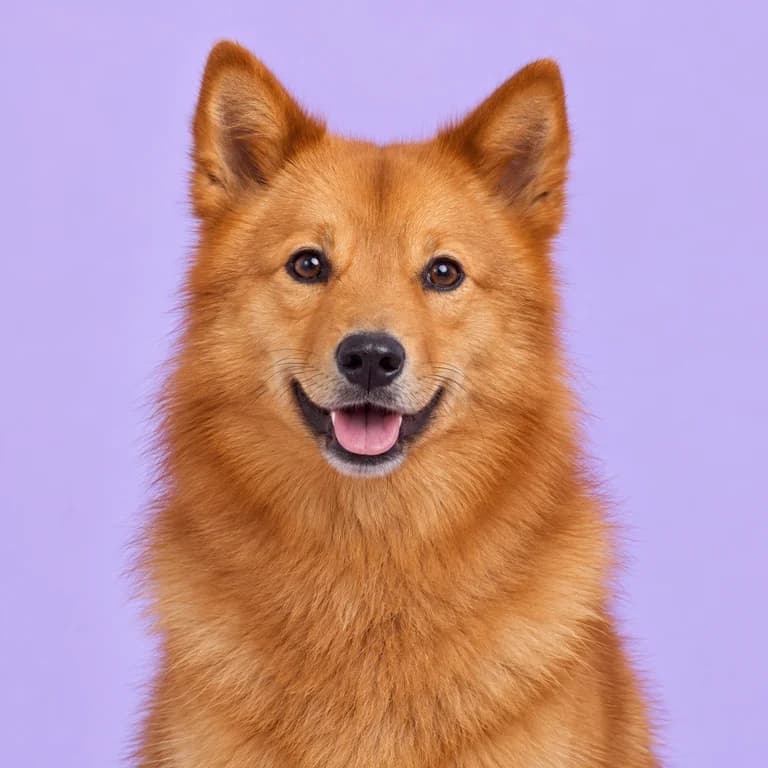
Non-sporting group
Finnish Spitz
9 to 15 kg · 13 to 15 years
Finland's fox-red bird dog, built to bark a treed capercaillie into staying put, and happy to narrate your day.
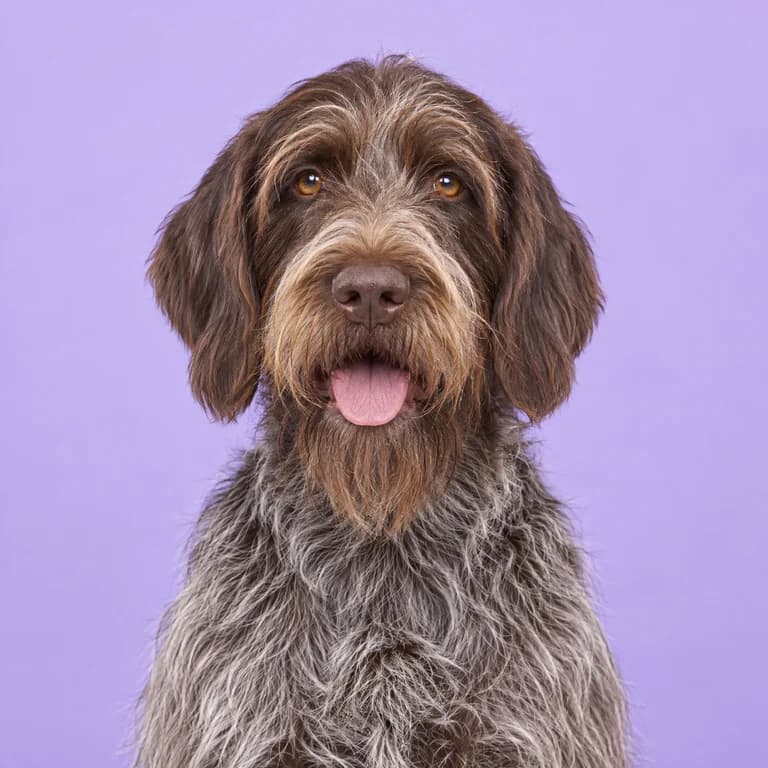
Sporting group
Wirehaired Pointing Griffon
20 to 32 kg · 12 to 14 years
A bearded, close-working bird dog shaped by one man's obsession, eager to please and happiest in mud.