Sources for this article
Herding group · United States
Miniature American Shepherd
Also called Mini American Shepherd, Miniature Australian Shepherd (former name), MAS
A true herding dog scaled down to fit a smaller home, with none of the drive removed.
The Miniature American Shepherd started as a deliberate effort to breed smaller Australian Shepherds for horse people and travelers in 1960s California. It stands under 46 cm (18 in) and weighs roughly 9 to 18 kg, yet it herds, learns and plays with full-size intensity. Think of it as a compact working dog, not a lap dog.
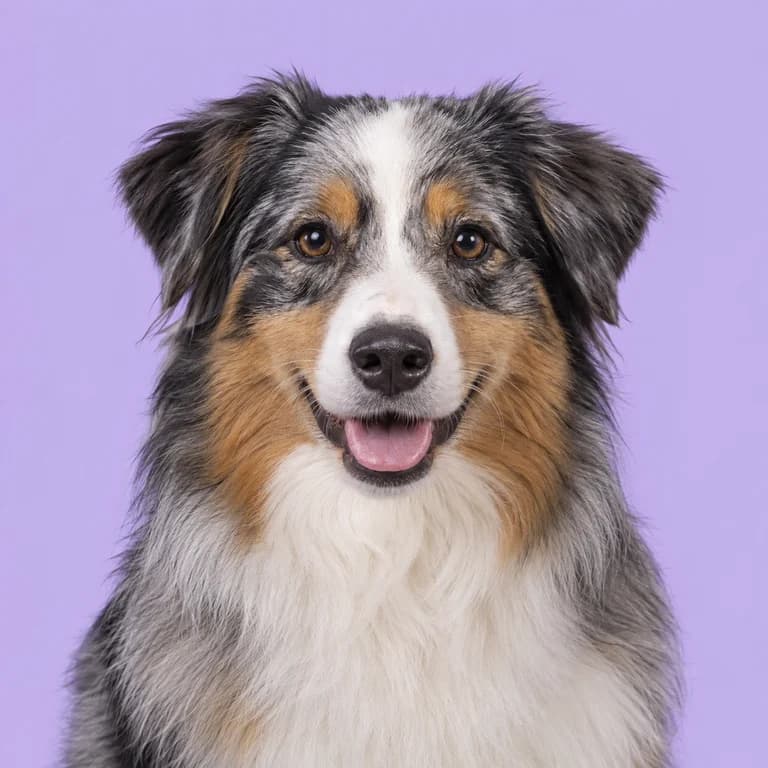
Original AI-generated breed illustration
Weight
9 to 18 kg
20 to 40 lb
Height
33 to 46 cm
at the shoulder
Life expectancy
12 to 15 yrs
Activity estimate
90 to 120 min
editorial daily planning range
Adult-size estimate
14 months
approximate model input
Life with a Miniature American Shepherd
Size is the whole story of how this breed began, but it is not the whole story of the dog. In the late 1960s, breeders in California began selecting the smallest Australian Shepherds they could find, aiming for a stock dog that could still gather sheep and goats but also ride comfortably in a pickup or travel the horse-show circuit. Over several decades those small dogs became a separate population, first known as Miniature Australian Shepherds.
The name changed as the breed moved toward formal recognition, and the American Kennel Club accepted it as the Miniature American Shepherd in 2015. Registries outside North America have been slower to list it, so you may still see all three names used for the same type of dog. Be careful with the label 'mini Aussie' online, which is sometimes attached to much smaller or mixed dogs bred without comparable health testing.
In the house, a Miniature American Shepherd tends to be affectionate, alert and eager to be involved in whatever you are doing. It is a genuine herder, so expect it to watch doors, round up visitors and keep tabs on every family member. Compared with most full-size Aussies it is easier to handle physically and more portable, but its mental needs are nearly the same.
The best homes treat the small size as a practical bonus rather than a sign of low needs. A daily hike, a weekly agility class and a few minutes of training at home will give you a bright, biddable companion. Skip that and you have a small, fast, clever dog with a loud bark and far too much free time.
What stands out
Puppy growth
Puppies usually weigh around 3 to 5 kg at 10 weeks and grow steadily until about 9 or 10 months, when height is close to final. They keep adding muscle and coat until roughly 14 months. Because the breed was built by selecting for small size, puppies in one litter can differ more than you might expect, so the size of the parents is a better guide than any chart.
Read the full puppy growth guideIllustrative model, not observed breed data or a healthy-weight standard. Use actual measurements and veterinary advice to assess growth.
A great match for
- active owners with less space than a full-size Aussie needs
- people who travel and want a portable sport partner
- families with school-age children
- agility and trick-training hobbyists
Think twice if
- herding drive fully intact despite the smaller size
- vocal when bored or excited
- sheds more than its size suggests
- needs early socialization to avoid wariness
- confusion with tiny 'mini Aussies' from unscreened breeding
Personality and needs at a glance
Living together
Good with children
Good with other dogs
Open with strangers
Apartment friendly
Copes with alone time
Energy and character
Energy level
Playfulness
Easy to train
Barking
5 means very vocal
Care and climate
Grooming needs
Shedding
Drooling
Handles cold
Handles heat
How much a Miniature American Shepherd eats
Illustrative calculations for neutered adults at midpoint breed weights, with food at 370 kcal per 100 g and 100 g per cup. These are not measured breed requirements. Use actual weight, the food label and veterinary body-condition advice.
| Dog | Weight | Calories | Dry food |
|---|---|---|---|
| Female, relaxed lifestyle | 13 kg | 650 kcal | 175 g (1.8 cups) |
| Female, typical pet | 13 kg | 740 kcal | 200 g (2 cups) |
| Male, typical pet | 15 kg | 830 kcal | 225 g (2.3 cups) |
| Male, very active | 15 kg | 1040 kcal | 280 g (2.8 cups) |
Care guides for the Miniature American Shepherd
Things owners are often surprised by
- 1Breeding began in California in the late 1960s using the smallest Australian Shepherds available
- 2Recognized by the American Kennel Club in 2015 under its current name
- 3Males top out at about 46 cm (18 in) and females at about 43 cm (17 in)
- 4Horse-show exhibitors favored it as a herding dog that could ride in a truck cab
- 5Shares its merle colors and frequent natural bobtails with its larger cousin
Miniature American Shepherd questions
Is a Miniature American Shepherd the same as a Mini Aussie?
Mostly, yes. The breed was originally developed as the Miniature Australian Shepherd, and many people still use that name. Miniature American Shepherd was adopted as the breed gained formal recognition. The catch is that 'mini Aussie' is also used loosely for dogs that are smaller or mixed, so ask any breeder which registry the parents belong to and ask to see health test results.
How big does a Miniature American Shepherd get?
Adults usually stand 33 to 46 cm (13 to 18 in) at the shoulder, with males at the taller end, and weigh roughly 9 to 18 kg (20 to 40 lb). Dogs far below that range fall outside the breed standard and may have different ancestry. Final height is usually reached by 10 months, with filling out continuing until around 14 months.
Are Miniature American Shepherds calmer than full-size Aussies?
Only a little, and it depends heavily on the lines. Some come from working stock with strong drive, others from show or companion lines that settle more easily indoors. In general, expect the same intelligence and herding instinct as the larger dog, with slightly lower stamina needs. Plan for at least an hour of activity and daily training either way.
Do Miniature American Shepherds bark a lot?
They are moderately vocal. Most bark to alert you to visitors, deliveries and movement outside, and some bark when excited during play. Boredom makes it much worse. Meeting their exercise needs, teaching a quiet cue and blocking views of busy streets usually keep barking at a reasonable level, even in apartments with shared walls.
Can a Miniature American Shepherd be left alone during a workday?
Eight hours alone is a long stretch for this people-focused breed. Adults can learn to rest for four to five hours, especially after a morning walk and with a food puzzle to work on. For longer days, a midday dog walker or a daycare visit a few times a week makes a noticeable difference to behavior at home.
Popular answers for owners
- How much to feedDo I really need a kitchen scale for my dog's food?
- Grooming and coatWhy does my dog's coat matt so fast after a groom?
- Grooming and coatDo poodle mixes need grooming more often than other dogs?
- Bowls and feeding gearAre ceramic bowls safe for dogs?
- Bowls and feeding gearDo small breeds need smaller bowls?
- Exercise and playHow do I know if a toy is too small for my dog?
Breeds you might compare
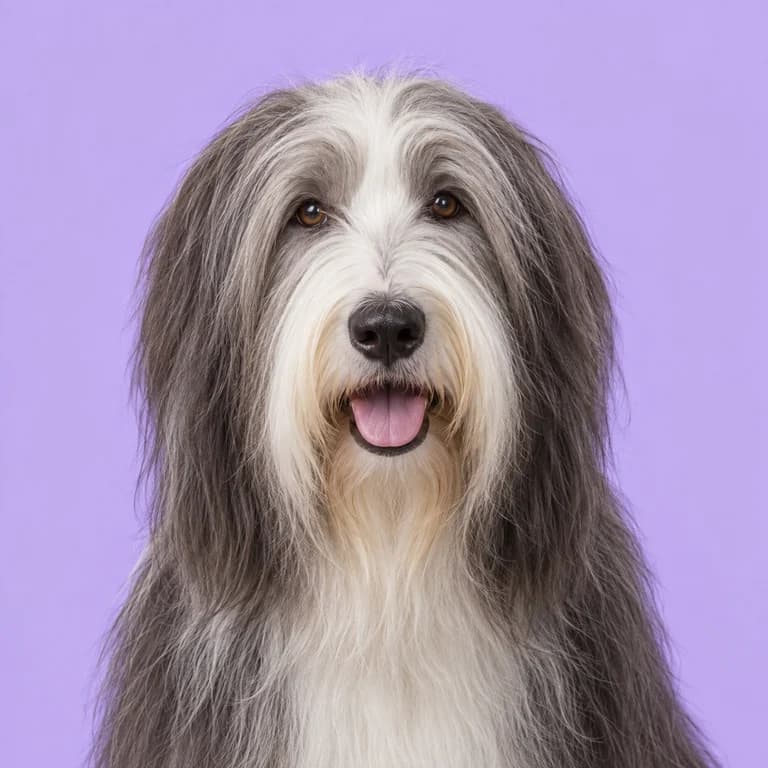
Herding group
Bearded Collie
18 to 25 kg · 12 to 14 years
A shaggy Scottish drover with a bounce in every step and a sense of humor to match.
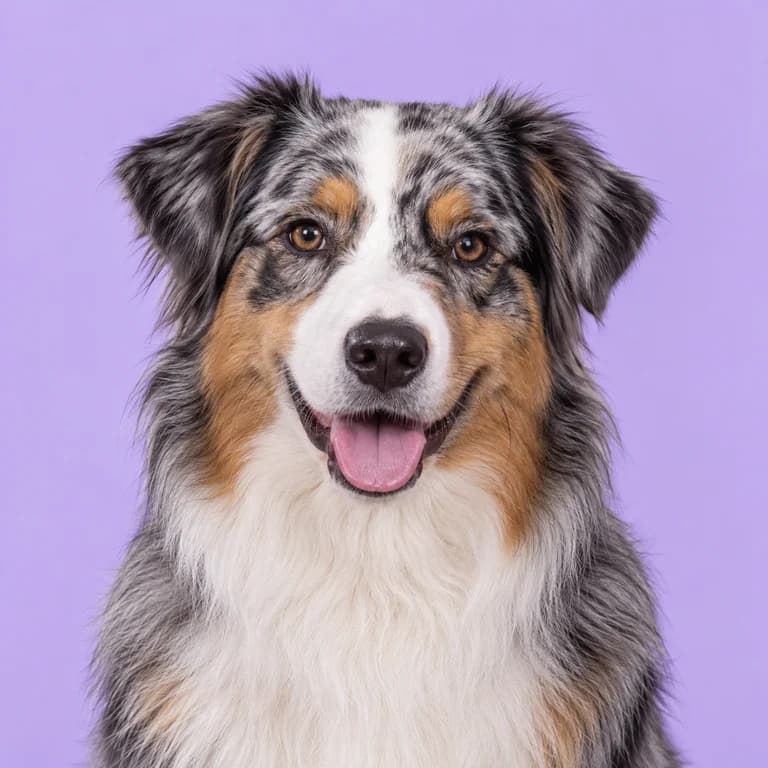
Herding group
Australian Shepherd
18 to 32 kg · 12 to 15 years
A ranch-bred worker with a busy brain, the Aussie wants a daily job and will invent one if you don't.
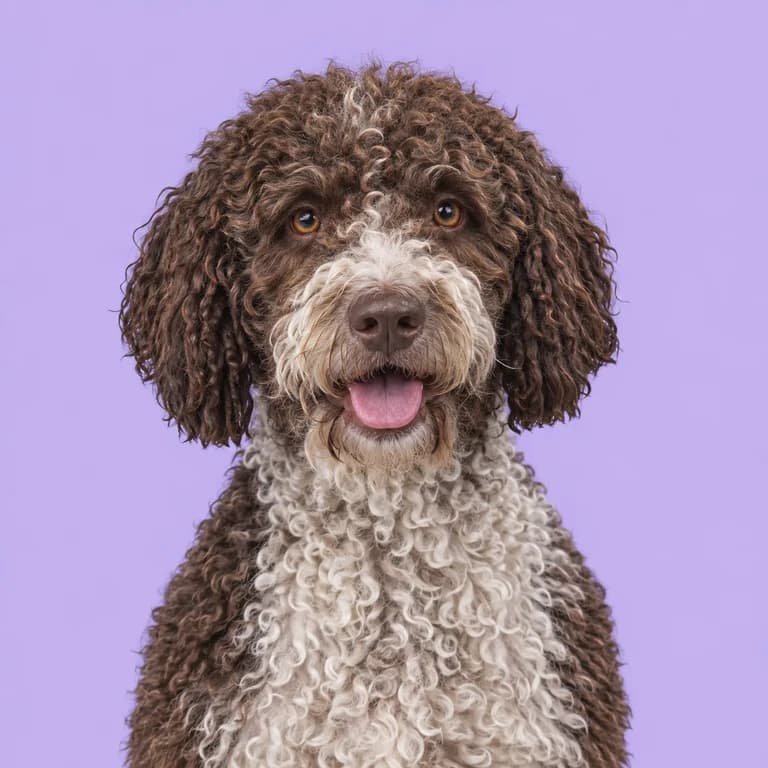
Herding group
Spanish Water Dog
14 to 22 kg · 12 to 14 years
A curly Andalusian all-rounder that herds, swims and retrieves, wearing a coat you must never brush.
Working group
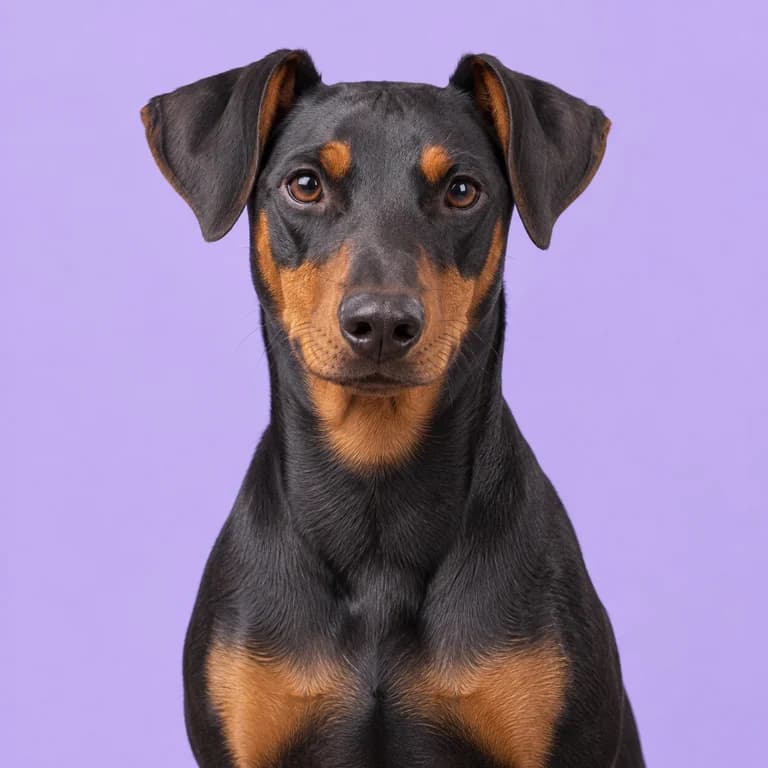
German Pinscher
11 to 20 kg · 12 to 14 years
A sleek German farm dog built for rat catching and speed, with a motor that rarely idles.
Working group
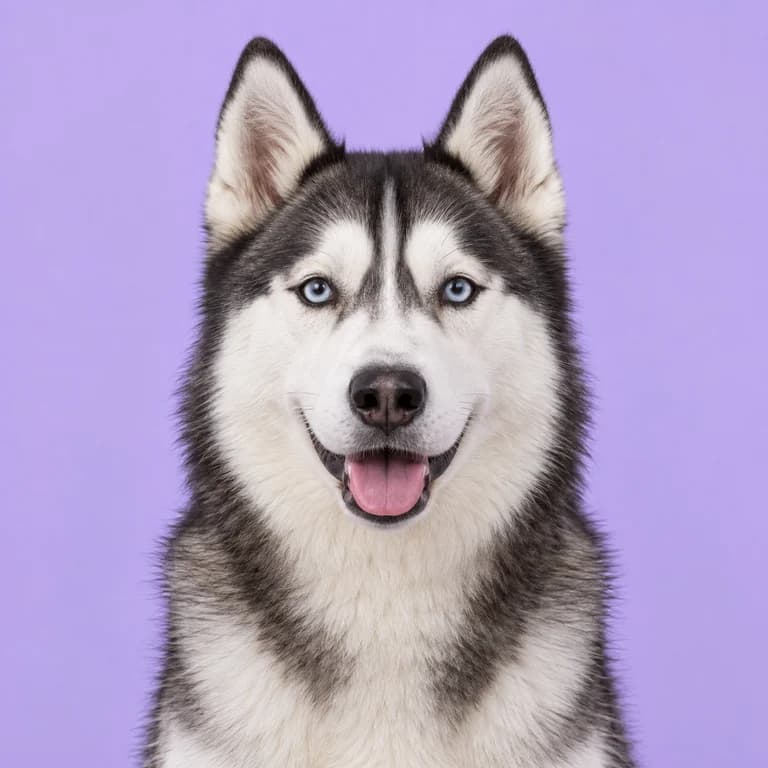
Siberian Husky
16 to 27 kg · 12 to 14 years
Built to pull light loads over huge distances, this friendly sled dog needs a real outlet or invents its own.
Terrier group
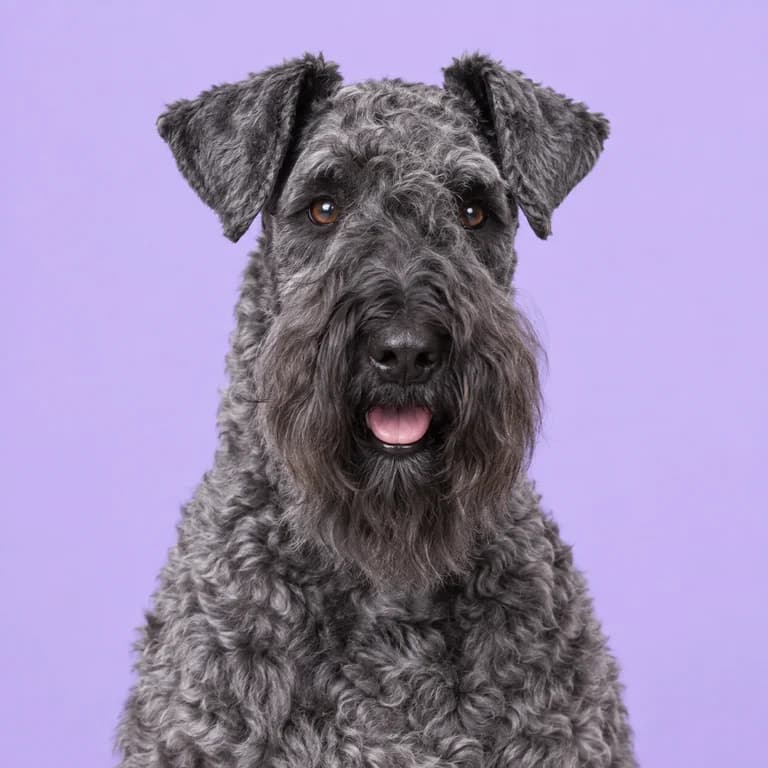
Kerry Blue Terrier
14 to 18 kg · 12 to 15 years
Born black, turning blue by adolescence, this Irish farm terrier trades shedding for a standing appointment with scissors.