Sources for this article
Sporting group · Ireland
Irish Water Spaniel
Also called IWS, Whiptail, Shannon Spaniel
The tallest spaniel, dressed in waterproof liver curls and topped with a loose, clownish topknot.
The Irish Water Spaniel is a rare, athletic retriever bred for cold marshes and rivers. Its curly liver coat, topknot and nearly bare tail make it unmistakable, and its playful, sometimes goofy nature makes it good company for active owners. The coat is the ongoing commitment: it needs regular combing, trimming and drying to stay healthy.
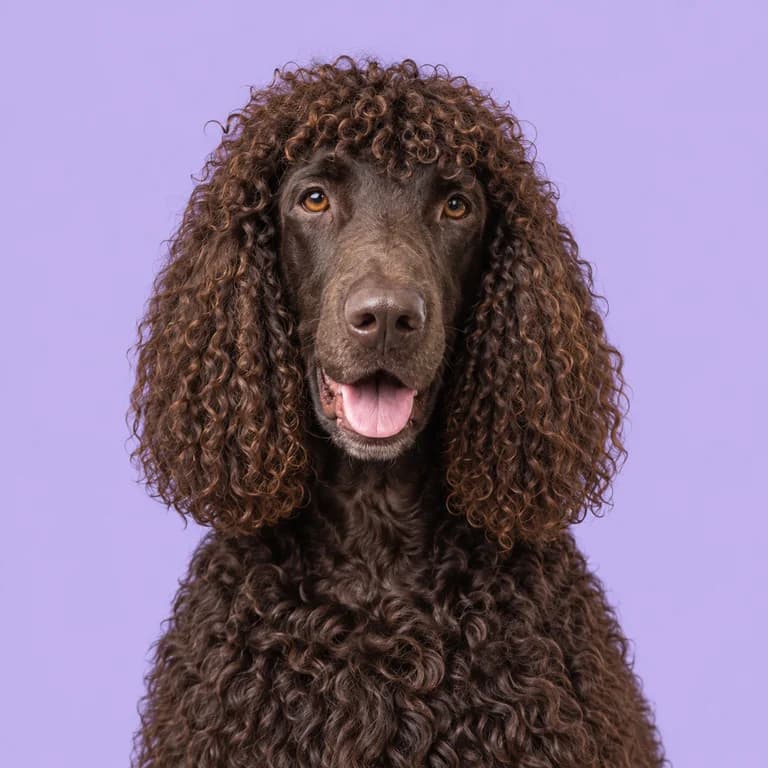
Original AI-generated breed illustration
Weight
20 to 31 kg
44 to 68 lb
Height
53 to 61 cm
at the shoulder
Life expectancy
10 to 13 yrs
Activity estimate
120 to 150 min
editorial daily planning range
Adult-size estimate
20 months
approximate model input
Life with a Irish Water Spaniel
Irish wildfowlers needed a dog that could swim through cold, choppy estuaries, retrieve heavy ducks and geese, and keep working all day without chilling. The Irish Water Spaniel filled that role, and its tight, oily curls act almost like a wetsuit. Justin McCarthy's dog Boatswain, who reportedly lived to 18, is usually cited as the foundation of the modern breed, although McCarthy never revealed exactly how he produced his line.
At home the IWS is lively, funny and often mischievous. Owners describe a clown with a working brain: sneaking off with socks, launching into every puddle, and inventing games that involve carrying things from one room to another. It bonds strongly with its family and can be reserved or even aloof with strangers until properly introduced.
This is not a dog for a sedentary household. An IWS with too little to do becomes noisy, destructive or overexcited. With daily exercise, training and a job, even a playful one such as retrieving a canvas dummy from a lake, it is an engaging, loyal partner that loves water above almost everything.
What stands out
Grooming
This coat rewards a routine. Once or twice a week, work through it with a comb and a slicker brush down to the skin, focusing on the ears, armpits, collar area and between the hind legs. After swimming in salt water or muddy ponds, rinse with fresh water, squeeze out the excess and let the coat dry naturally so the ringlets reform.
Read the full grooming guideIllustrative grooming schedule based on our editorial coat-care score. Adjust it to the individual coat and professional advice.
Brushing
4 to 5 times a week
Bathing
Every 3 to 6 weeks
Shedding
Minimal
Nail trim
Every 3 to 4 weeks
A great match for
- active outdoor owners
- people who swim and hike with their dog
- dog sports and field work
- homes with experienced handlers
Think twice if
- needs regular coat care to prevent matting
- reserved with strangers
- boisterous and mouthy as a youngster
- slow to mature mentally
Personality and needs at a glance
Living together
Good with children
Good with other dogs
Open with strangers
Apartment friendly
Copes with alone time
Energy and character
Energy level
Playfulness
Easy to train
Barking
5 means very vocal
Care and climate
Grooming needs
Shedding
Drooling
Handles cold
Handles heat
How much an Irish Water Spaniel eats
Illustrative calculations for neutered adults at midpoint breed weights, with food at 370 kcal per 100 g and 100 g per cup. These are not measured breed requirements. Use actual weight, the food label and veterinary body-condition advice.
| Dog | Weight | Calories | Dry food |
|---|---|---|---|
| Female, relaxed lifestyle | 23 kg | 1030 kcal | 280 g (2.8 cups) |
| Female, typical pet | 23 kg | 1180 kcal | 320 g (3.3 cups) |
| Male, typical pet | 28 kg | 1360 kcal | 370 g (3.8 cups) |
| Male, very active | 28 kg | 1700 kcal | 460 g (4.5 cups) |
Care guides for the Irish Water Spaniel
Things owners are often surprised by
- 1It is the tallest of the spaniel breeds, with males reaching up to 61 cm (24 in).
- 2The tail is covered in curls only for the first 5 to 8 cm; the rest is short and smooth, earning the name 'whiptail'.
- 3The modern breed is linked to Justin McCarthy of Dublin and his dog Boatswain, whelped in 1834.
- 4Liver is the only accepted color, often with a purplish tint called puce.
- 5Its coat sheds very little, but loose hair tangles into the curls if left unbrushed.
Irish Water Spaniel questions
Do Irish Water Spaniels shed?
They shed very little, and loose hair tends to stay caught in the curls rather than landing on floors. That makes them appealing to some people with mild allergies, though no dog is fully allergen-free. Weekly combing is essential to remove that trapped hair before it knots into mats close to the skin.
Why does an Irish Water Spaniel have a rat tail?
The tail is thick and curly at the base, then tapers into a smooth, short-haired length that looks a little like a rat's tail. It is one of the breed's defining features in the show ring. Some suggest it helps with steering while swimming, although the exact reason it developed is not known.
Are Irish Water Spaniels good with children?
Most IWS are affectionate and playful with children they know, especially if raised together. Youngsters can be boisterous and mouthy, however, and a 25 kg dog in full bounce can knock over a small child. Supervision, teaching kids gentle handling, and training the dog to settle on a mat all make for a better family match.
Is the Irish Water Spaniel related to the Poodle?
The curly coat invites the comparison, and both breeds descend from old European water dogs, but the IWS is not a poodle cross. It developed separately in Ireland as a spaniel-type retriever. Its origins are partly uncertain because the breed's founder kept his breeding methods private.
How often should I bathe an Irish Water Spaniel?
Bathe only when the coat is genuinely dirty or smelly, perhaps every 6 to 8 weeks. Frequent bathing can strip the natural oils that make the coat water-resistant. Rinse with fresh water after swimming in salt or muddy water, and let the coat dry naturally so the curls reform.
Popular answers for owners
- Grooming and coatDo smooth and long coated Chihuahuas need different grooming?
- Puppy feeding and growthHow much should a 12 week old puppy eat?
- How much to feedHow many calories does a one hour walk burn for a dog?
- Exercise and playCan two dogs safely play tug together?
- Grooming and coatHow long does it take a dog's coat to air dry?
- Bowls and feeding gearWhat travel bowl works best for road trips?
Breeds you might compare
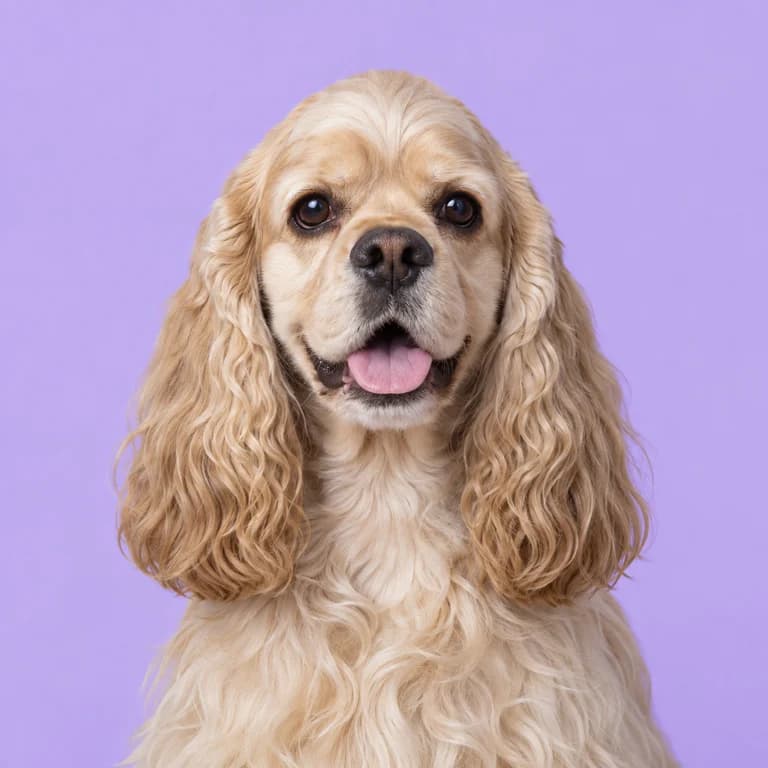
Sporting group
American Cocker Spaniel
9 to 14 kg · 12 to 14 years
The smallest American sporting spaniel, famous for a flowing coat that demands nearly as much attention as the dog.
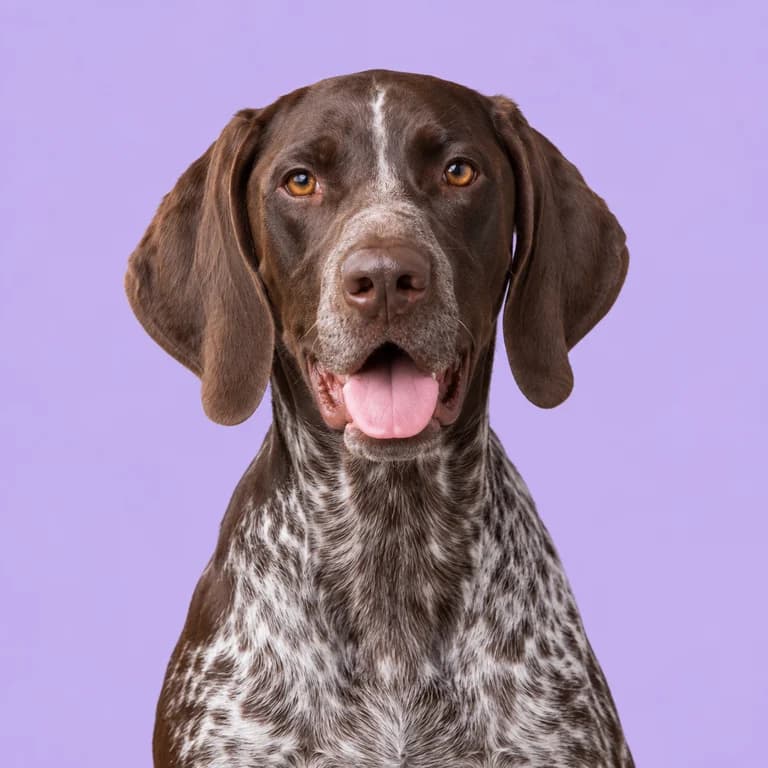
Sporting group
German Shorthaired Pointer
20 to 32 kg · 12 to 14 years
A lean German gundog built to point, retrieve and track all day, then ask what comes next.
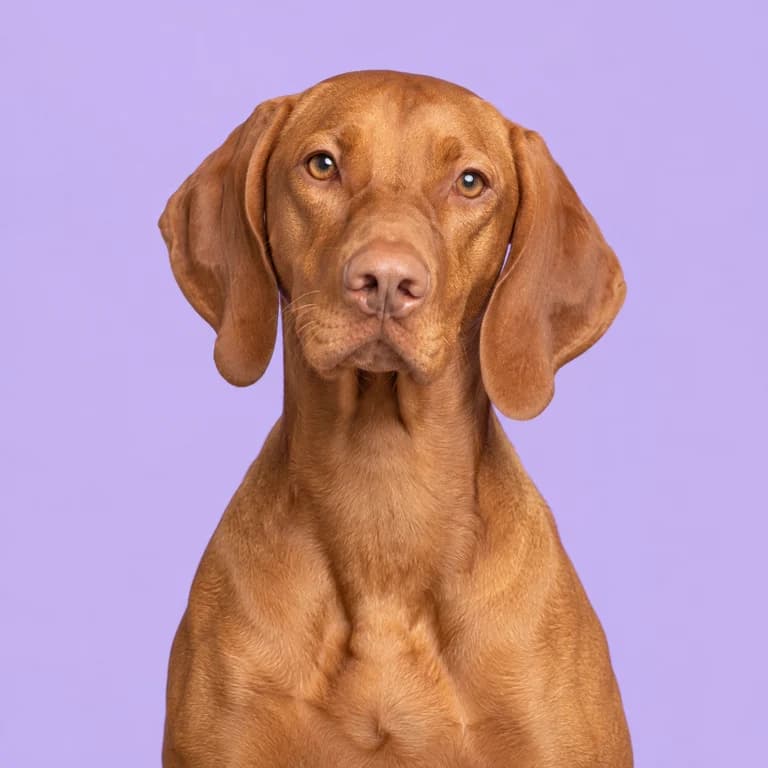
Sporting group
Vizsla
18 to 29 kg · 12 to 14 years
Hungary's golden-rust pointer: a lean athlete that wants miles of running, then a lap to finish on.
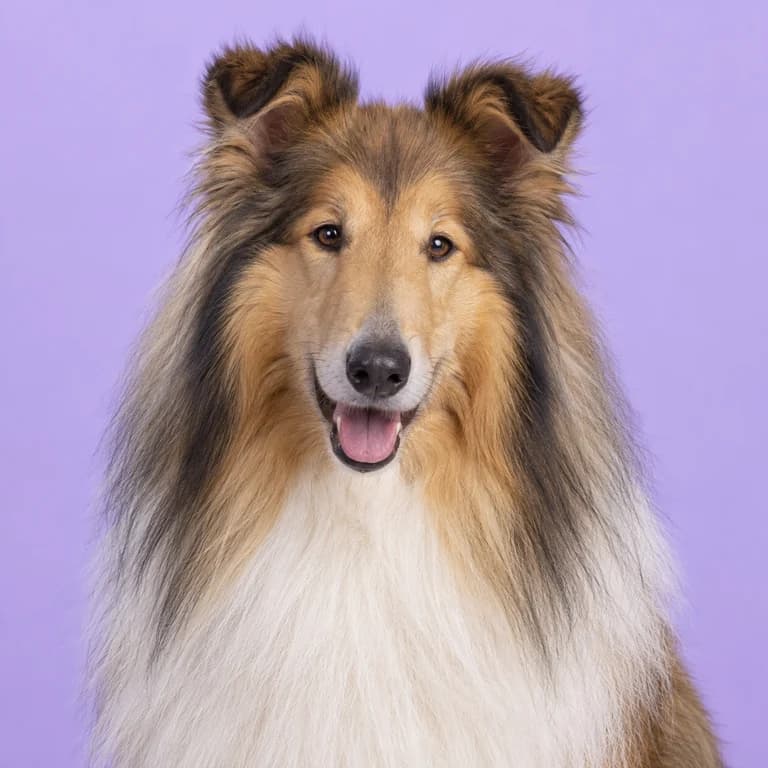
Herding group
Rough Collie
21 to 34 kg · 12 to 14 years
A Scottish sheepdog turned Victorian favorite and film star, still gentle, watchful and very vocal.
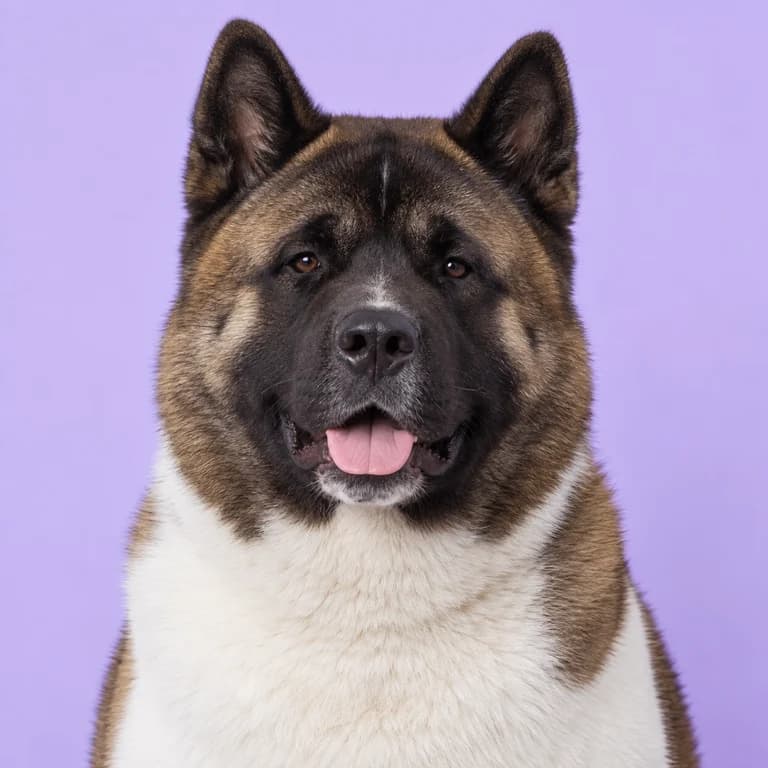
Working group
Akita
32 to 59 kg · 10 to 12 years
Dignified, quiet and fiercely loyal, the Akita adores its family and has little interest in anyone else.
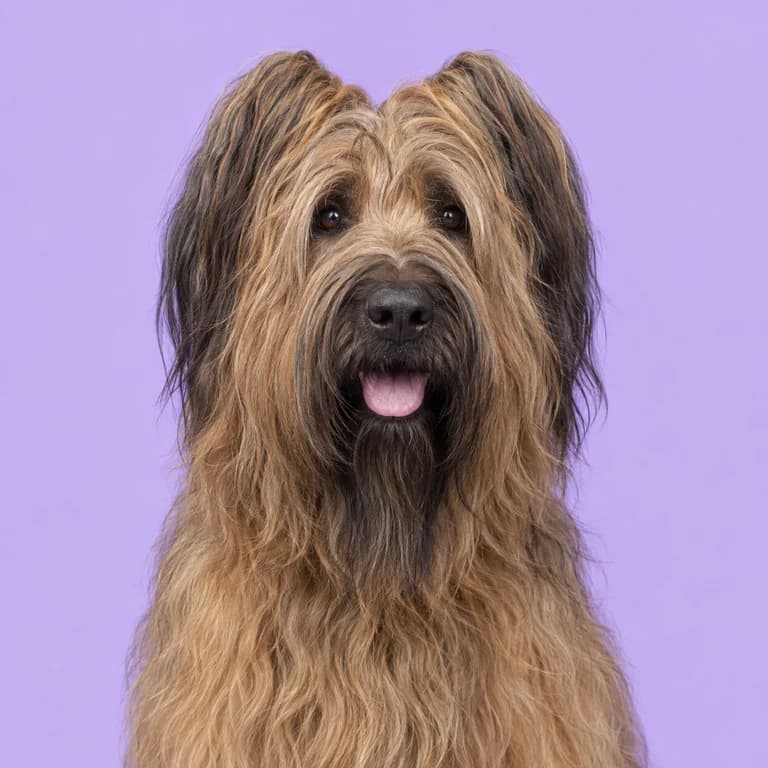
Herding group
Briard
25 to 45 kg · 10 to 12 years
A shaggy French sheepdog that guarded the flock by night and now guards its family instead.