Sources for this article
Sporting group · United States
Chesapeake Bay Retriever
Also called Chessie, Chesapeake
An oily-coated ice-water retriever from Maryland with a mind of its own and a strong protective streak.
The Chesapeake Bay Retriever was built to fetch ducks from icy, choppy water on the Maryland coast, sometimes hundreds in a day. It is powerful, tough and devoted, but more independent and protective than a Labrador or Golden. Training shapes this breed more than any other factor: a well-taught Chessie is a superb partner, while an untaught one can be willful and hard to manage.
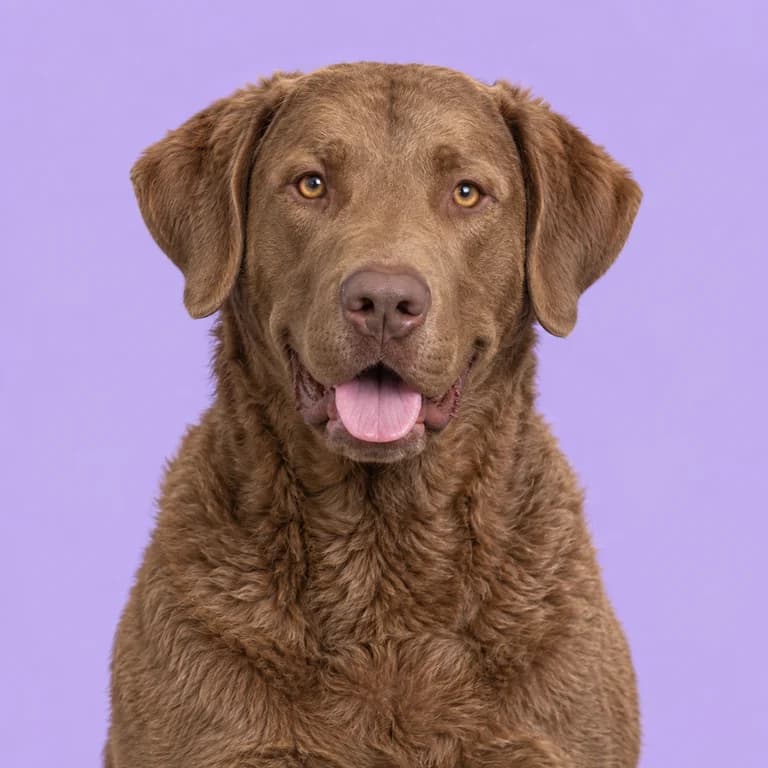
Original AI-generated breed illustration
Weight
25 to 36 kg
55 to 79 lb
Height
53 to 66 cm
at the shoulder
Life expectancy
10 to 13 yrs
Activity estimate
90 to 120 min
editorial daily planning range
Adult-size estimate
20 months
approximate model input
Life with a Chesapeake Bay Retriever
Most Chessie fans can recite the founding story. In 1807, an English ship in distress off the Maryland coast was boarded by the crew of an American vessel, who rescued two Newfoundland-type puppies later named Sailor and Canton. Local hunters are said to have bred them with retrievers and hound-type dogs around Chesapeake Bay, and over the following decades a dog emerged that could hunt ducks all day in freezing, rough water. The tale is often credited as the breed's foundation, though records are thin.
Market hunters on the bay needed a dog that could break through skim ice, retrieve hundreds of birds in a season, and guard the boat and gear while the hunters were away. The result was a strong, heavy-boned retriever with a thick, oily coat, well-webbed feet and an unusual level of independence. Maryland named it the state dog in 1964, and it remains a favorite of serious waterfowlers.
At home, Chessies are affectionate and loyal, often bonding most strongly with one person. They are more reserved with strangers than most retrievers and can be protective of house and family. Some are selective about other dogs. They are also sharp enough to spot inconsistent rules straight away, which is why owners often describe them as retrievers with a touch of guard dog.
This is not the breed for anyone wanting an easygoing, eager-to-please retriever. It suits owners who enjoy training and outdoor life, and who want a sturdy, serious and very loyal companion.
What stands out
Training
Chessies are smart and learn quickly, but they are independent thinkers and will question instructions that make no sense to them. Training should be clear, fair and consistent, with rewards the dog actually values: a retrieve, a game or food. Repetitive drills bore them, so keep sessions short and mix things up.
Read the full training guideEasy to train
Open with strangers
Good with other dogs
A great match for
- hunters and outdoor enthusiasts
- experienced dog owners
- homes that want a watchful, loyal companion
- people who love swimming and water sports with their dog
Think twice if
- independent and sometimes stubborn
- protective and often wary of strangers
- needs plenty of exercise and structured training
- a noticeable smell from the oily coat
- can be mouthy or possessive as a youngster
Personality and needs at a glance
Living together
Good with children
Good with other dogs
Open with strangers
Apartment friendly
Copes with alone time
Energy and character
Energy level
Playfulness
Easy to train
Barking
5 means very vocal
Care and climate
Grooming needs
Shedding
Drooling
Handles cold
Handles heat
How much a Chesapeake Bay Retriever eats
Illustrative calculations for neutered adults at midpoint breed weights, with food at 370 kcal per 100 g and 100 g per cup. These are not measured breed requirements. Use actual weight, the food label and veterinary body-condition advice.
| Dog | Weight | Calories | Dry food |
|---|---|---|---|
| Female, relaxed lifestyle | 29 kg | 1210 kcal | 325 g (3.3 cups) |
| Female, typical pet | 29 kg | 1380 kcal | 375 g (3.8 cups) |
| Male, typical pet | 33 kg | 1540 kcal | 415 g (4.3 cups) |
| Male, very active | 33 kg | 1930 kcal | 520 g (5.3 cups) |
Care guides for the Chesapeake Bay Retriever
Things owners are often surprised by
- 1Often traced to two Newfoundland-type puppies rescued from a ship in trouble off Maryland in 1807
- 2Maryland's official state dog since 1964
- 3Coat colors are named after marsh grass: sedge (red to strawberry) and deadgrass (straw to dull tan)
- 4The oily, water-resistant coat carries a mild musky smell
- 5Clear yellow or amber eyes are a hallmark of the breed
Chesapeake Bay Retriever questions
How is a Chesapeake Bay Retriever different from a Labrador?
Chessies are generally more independent, protective and reserved with strangers than Labradors. Their oily, wavy coat is made for icy water and has a noticeable smell, while a Labrador's coat is shorter and flatter. Labs tend to be friendly with everyone and keen to please. Chessies suit experienced owners who want a tough working retriever that doubles as a loyal guardian.
What do sedge and deadgrass mean in Chesapeake colors?
They are coat colors named after marsh grasses on the Chesapeake Bay. Sedge covers red to strawberry blond shades, while deadgrass runs from pale straw to a dull tan. Brown covers everything from milk chocolate to very dark. All three help the dog blend into the reeds and grasses where it was bred to work, and none is healthier than another.
Do Chesapeake Bay Retrievers smell?
Yes, a little. The coat contains natural oils that repel water, and they give off a mild musky smell, especially when wet. Frequent bathing strips those oils and weakens the coat's water resistance, so it is better to rinse after swims, wash bedding weekly and brush regularly. A sudden strong or sour smell from the ears or skin should be checked by a vet.
Are Chesapeake Bay Retrievers good with other dogs?
Many live well with other dogs, especially if raised with them, but some are selective, particularly with dogs of the same sex. Early socializing, supervised introductions and good manners training all help. Meeting the parents gives you a sense of the temperament you can expect. In multi-dog homes, a male and female pair often works best.
Why does my Chessie have yellow eyes?
Clear yellow or amber eyes are normal for the breed and called for in the standard. They are part of the classic Chessie look and are often said to suit a dog meant to blend into marsh and reed beds. A change in eye color, cloudiness or redness, especially with squinting, is not normal and should be seen by a vet.
Popular answers for owners
- Puppy feeding and growthHow much should a 10 month old puppy eat?
- Grooming and coatShould I shave my double coated dog in summer?
- Grooming and coatHow do I trim the hair around my dog's paws?
- Exercise and playWhat toys help most during the teething stage?
- Puppy feeding and growthIs a raw diet safe for a growing puppy?
- Puppy feeding and growthWhat is the best age to start reducing puppy meal frequency?
Breeds you might compare
Sporting group
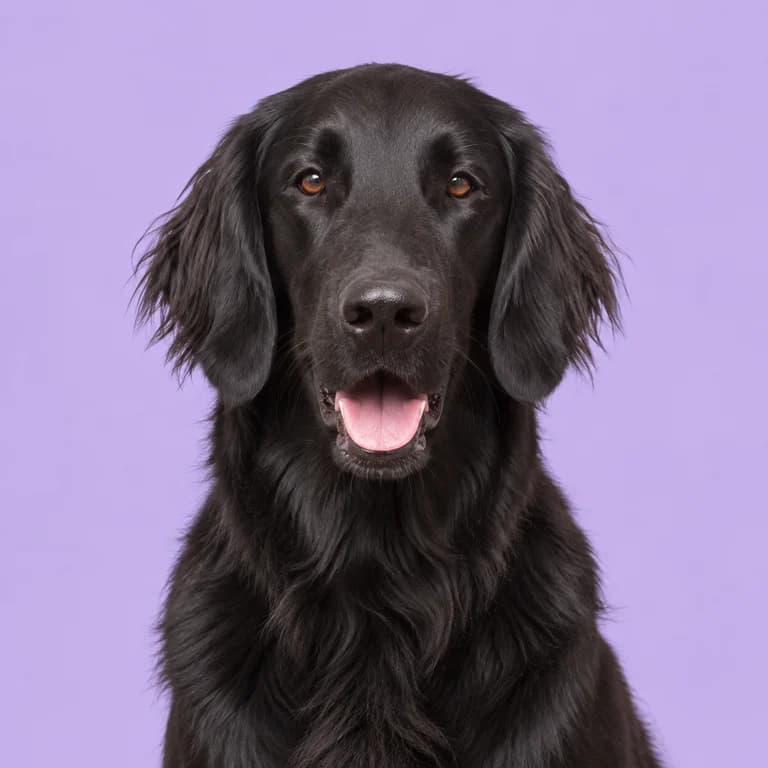
Flat-Coated Retriever
25 to 36 kg · 8 to 10 years
A glossy black gundog with a permanently wagging tail and a boyish enthusiasm that rarely fades.
Sporting group
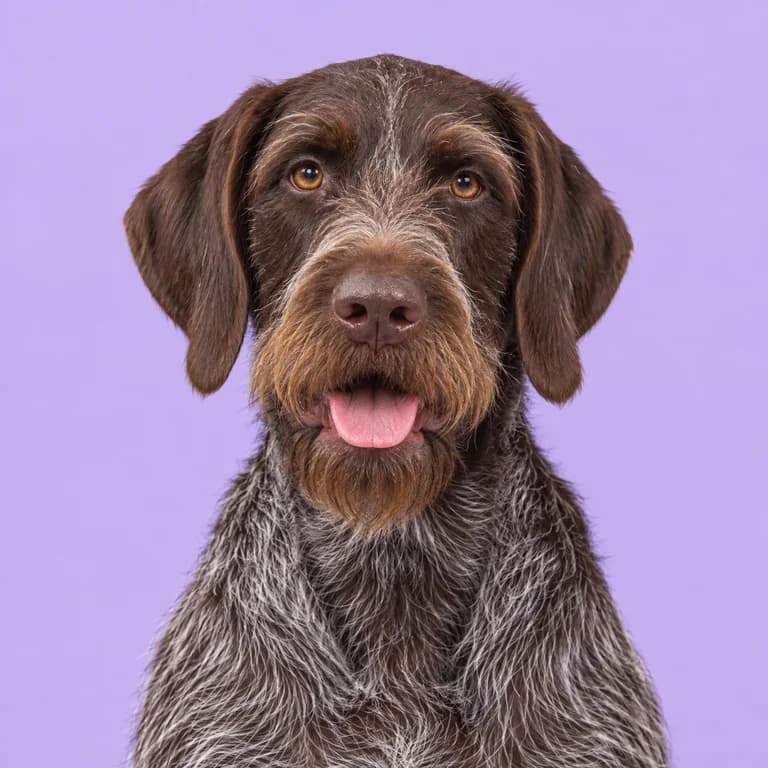
German Wirehaired Pointer
23 to 32 kg · 12 to 14 years
A bearded, weatherproof German hunting dog that thrives with a firm, fair trainer and a real job to do.
Sporting group
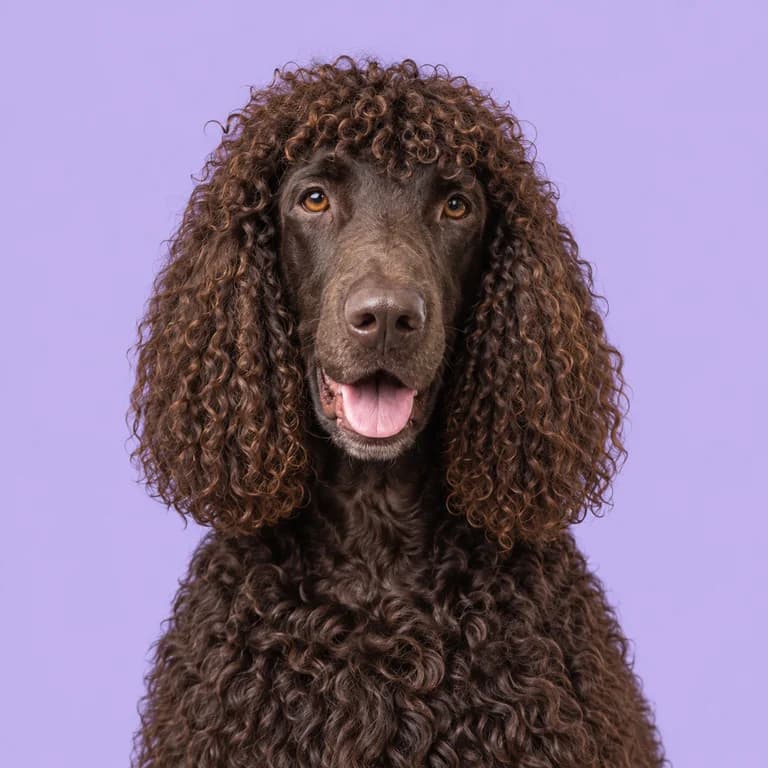
Irish Water Spaniel
20 to 31 kg · 10 to 13 years
The tallest spaniel, dressed in waterproof liver curls and topped with a loose, clownish topknot.
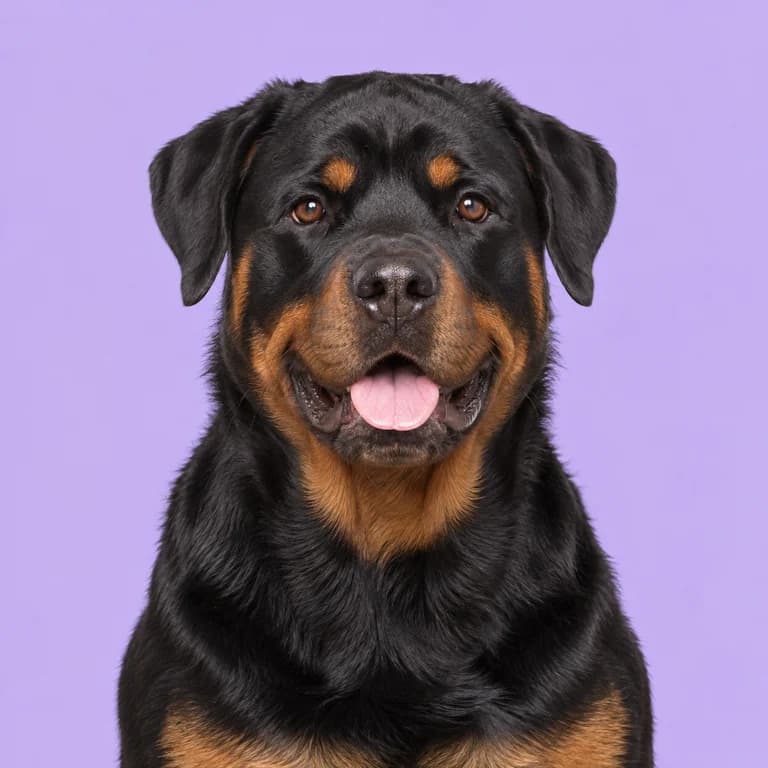
Working group
Rottweiler
35 to 60 kg · 9 to 10 years
A butcher's cattle dog turned devoted guardian, calm at home and quietly watchful of anything unfamiliar.
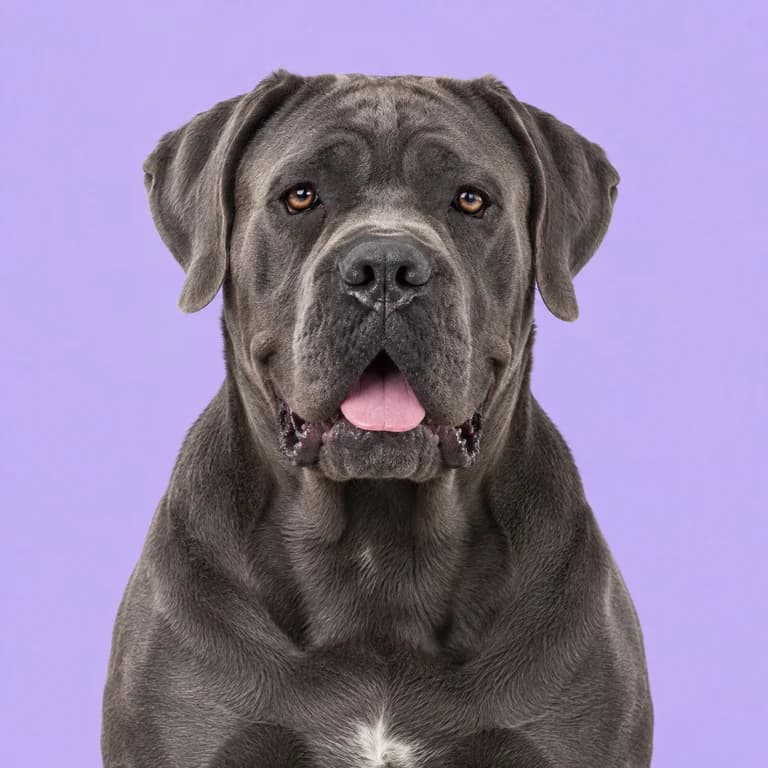
Working group
Cane Corso
40 to 50 kg · 9 to 12 years
A quiet, watchful Italian guardian that bonds deeply with its own people and needs a calm, consistent handler.
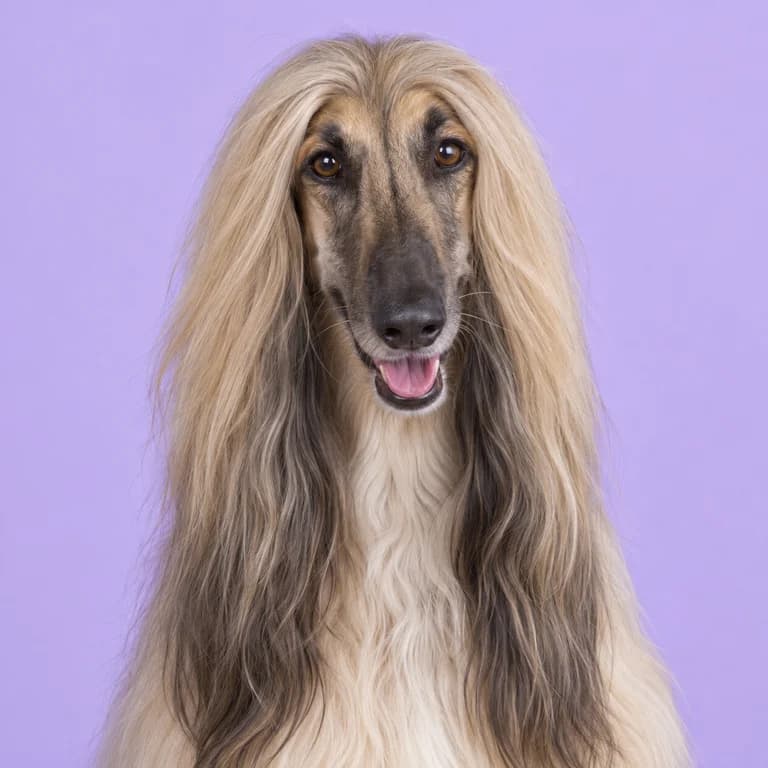
Hound group
Afghan Hound
20 to 30 kg · 12 to 14 years
An elegant sighthound in a floor-length coat that asks for hours of care every single week.