Sources for this article
Working group · Portugal
Portuguese Water Dog
Also called Cão de Água Português, Portie, PWD
A fisherman's crew member from the Algarve, with webbed feet, a rudder tail and a talent for boats.
The Portuguese Water Dog spent centuries working on fishing boats, swimming messages between vessels and diving after lost gear. Today it is a lively, clever, people-focused companion with a low-shedding coat. It needs regular clipping, real exercise and a job to do.
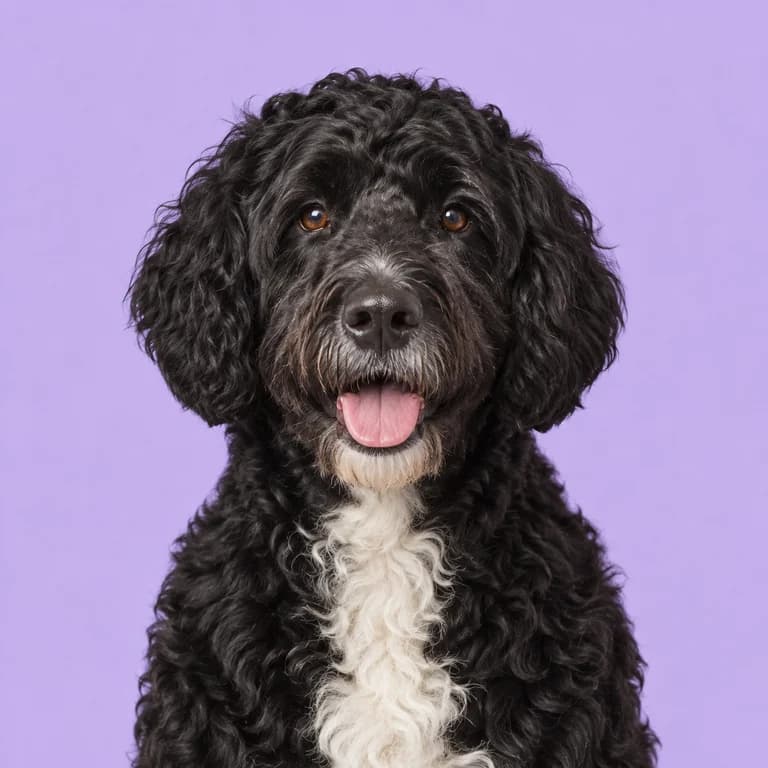
Original AI-generated breed illustration
Weight
16 to 27 kg
35 to 59 lb
Height
43 to 57 cm
at the shoulder
Life expectancy
11 to 13 yrs
Activity estimate
90 to 120 min
editorial daily planning range
Adult-size estimate
18 months
approximate model input
Life with a Portuguese Water Dog
Picture a fishing boat off the Algarve coast a century ago, with a black curly dog standing at the bow. That dog might leap overboard to fetch a net that had slipped loose, swim a message across to another boat or help steer a shoal toward the nets. Portuguese fishermen are said to have counted these dogs as crew, and the breed's body reflects the work: strong hindquarters, a thick tail used as a rudder and feet with generous webbing.
As engines and new fishing methods took over in the 20th century, the dogs lost their job and their numbers collapsed. Vasco Bensaude, a wealthy shipping owner, is often credited with gathering the remaining dogs in the 1930s, and a male called Leão appears behind much of the modern breed. Numbers remained tiny for decades before the breed spread internationally.
Porties today are cheerful, energetic and extremely attached to their families. They like to be in the middle of whatever is happening, which includes cooking, gardening and bathroom visits. They are bright enough to solve problems you would rather they did not, such as opening a cupboard, and they respond best to owners who give them something useful to think about.
A great match for
- active families who like water and outdoor time
- people with mild dog allergies who have tested their reaction
- owners wanting a trainable dog for sports or tricks
- homes where someone is around for much of the day
Think twice if
- regular professional grooming costs
- counter surfing and stealing food
- mouthy, boisterous puppies and adolescents
- dislikes long hours alone
- beard drips water across the floor
Personality and needs at a glance
Living together
Good with children
Good with other dogs
Open with strangers
Apartment friendly
Copes with alone time
Energy and character
Energy level
Playfulness
Easy to train
Barking
5 means very vocal
Care and climate
Grooming needs
Shedding
Drooling
Handles cold
Handles heat
How much a Portuguese Water Dog eats
Illustrative calculations for neutered adults at midpoint breed weights, with food at 370 kcal per 100 g and 100 g per cup. These are not measured breed requirements. Use actual weight, the food label and veterinary body-condition advice.
| Dog | Weight | Calories | Dry food |
|---|---|---|---|
| Female, relaxed lifestyle | 20 kg | 910 kcal | 245 g (2.5 cups) |
| Female, typical pet | 20 kg | 1040 kcal | 280 g (2.8 cups) |
| Male, typical pet | 23 kg | 1180 kcal | 320 g (3.3 cups) |
| Male, very active | 23 kg | 1470 kcal | 395 g (4 cups) |
Care guides for the Portuguese Water Dog
Things owners are often surprised by
- 1Toes are connected by skin that extends further than in most breeds, which helps with swimming.
- 2The breed nearly vanished as fishing modernized; a Portuguese shipping magnate, Vasco Bensaude, is credited with reviving it in the 1930s.
- 3Two traditional clips exist: the lion clip, with hindquarters and muzzle shaved, and the retriever clip, an even trim of about 2.5 cm (1 in) all over.
- 4Two Porties, Bo and Sunny, lived in the White House between 2009 and 2017.
- 5Coats come in two types, curly and wavy, and both can appear in one litter.
Portuguese Water Dog questions
Are Portuguese Water Dogs hypoallergenic?
No breed is fully free of allergens, but Porties shed very little because they have a single coat that grows continuously. Many people with mild allergies find them easier than shedding breeds. Allergens also come from saliva and skin, so reactions vary from dog to dog. Spend time with adult dogs from the breeder before committing, and keep up regular bathing and grooming to reduce allergens at home.
What is the difference between a lion clip and a retriever clip?
The lion clip is the traditional style: hindquarters, the base of the tail and the muzzle are shaved short while the front of the body and the tail tip stay long. It is said to have kept the working dog's chest warm while freeing the back legs for swimming. The retriever clip is an even trim of about 2.5 cm all over, easier to keep and preferred by many pet owners.
Do all Portuguese Water Dogs love swimming?
Most enjoy water, but it is not guaranteed. Some puppies are cautious at first and need slow, positive introductions in calm shallow water, ideally alongside a confident adult dog. Never throw a dog into deep water. Once a Portie gains confidence, swimming often becomes its favorite activity. A dog life jacket is a good idea while learning or in strong currents.
What is the difference between a curly and a wavy Portie?
Curly coats form tight, compact cylindrical curls with a slightly duller look, while wavy coats fall in loose waves with more shine. Both are single coats and both shed little. Curly coats can mat a little more easily and hold shape well in a clip, while wavy coats look sleeker. Coat type is genetic, and both types can appear in one litter.
Why did the Obamas choose a Portuguese Water Dog?
It was widely reported that the family wanted a low-shedding dog because one of the daughters had allergies. Bo arrived in 2009 and Sunny joined in 2013. The publicity boosted interest in the breed, but a Portie is a demanding, energetic working dog, so it suits families with time for daily exercise, training and grooming rather than those simply following a famous example.
Popular answers for owners
- Bowls and feeding gearDo automatic water fountains keep water fresher than a bowl?
- Puppy feeding and growthShould puppies eat wet food or dry food?
- Puppy feeding and growthWhy does my puppy refuse to eat its food?
- Grooming and coatCan I groom my dog myself instead of using a groomer?
- How much to feedHow much should I feed a low energy or couch potato dog?
- Exercise and playCan too much exercise hurt a puppy's joints?
Breeds you might compare
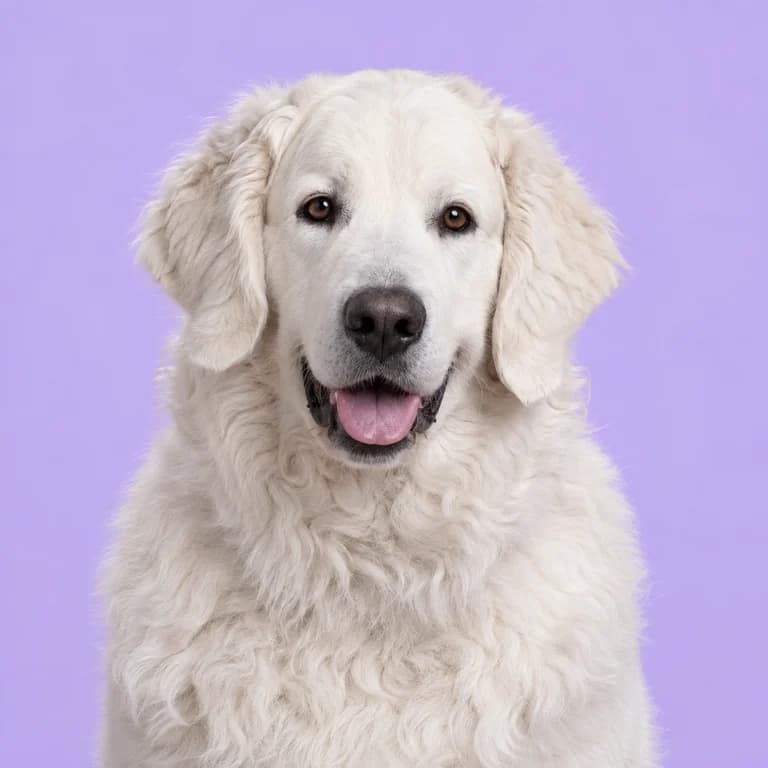
Working group
Kuvasz
37 to 62 kg · 10 to 12 years
A white Hungarian flock guardian that thinks for itself and treats your whole property as its patrol route.
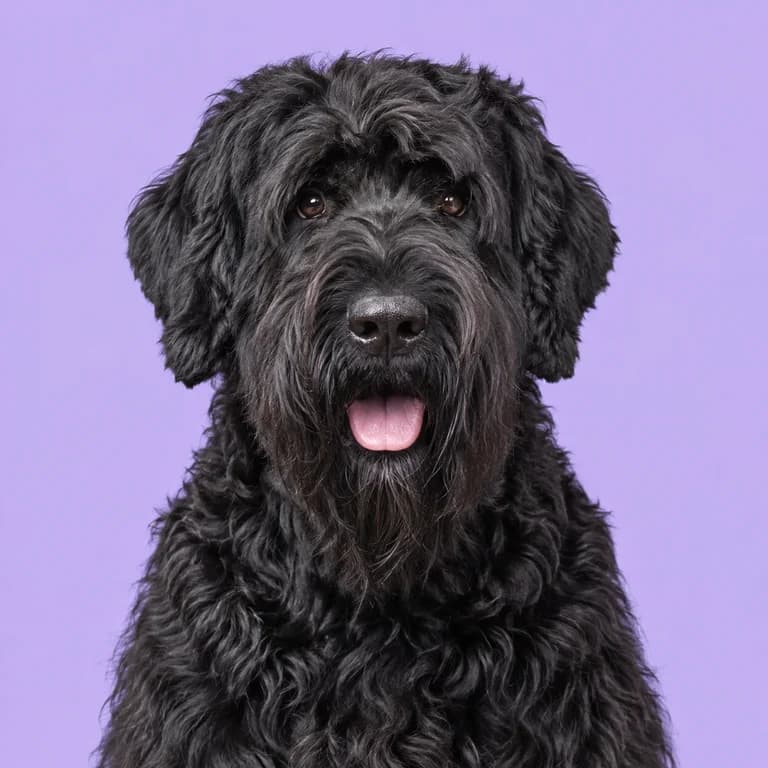
Working group
Black Russian Terrier
45 to 60 kg · 10 to 12 years
A guardian designed by the Soviet army from a mix of breeds, calm at home and serious at the gate.
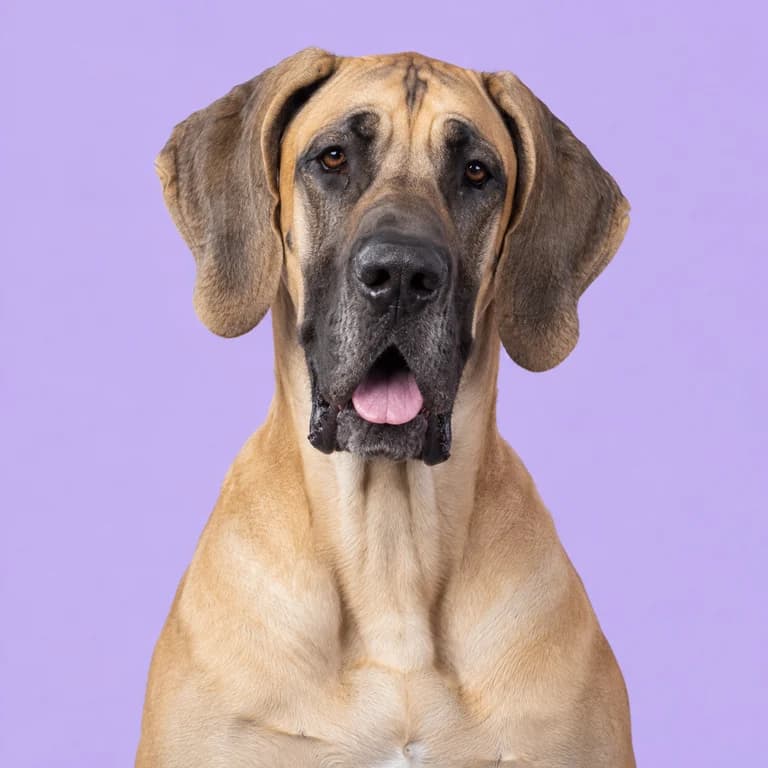
Working group
Great Dane
50 to 79 kg · 7 to 10 years
A dog the height of a small pony that would rather lean on you than guard anything.
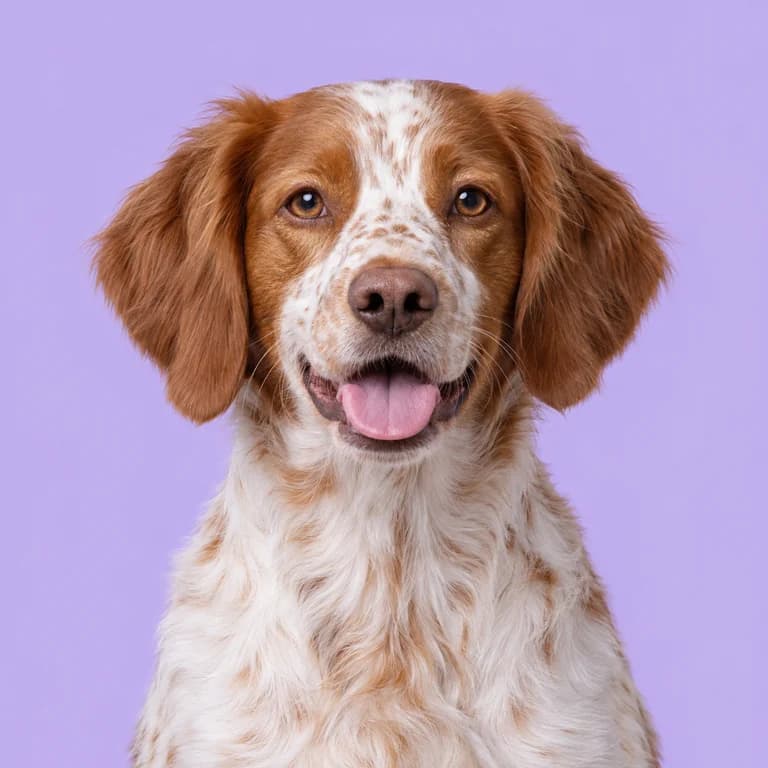
Sporting group
Brittany
13 to 18 kg · 12 to 14 years
A compact French bird dog built to cover open ground at speed, then freeze on point.
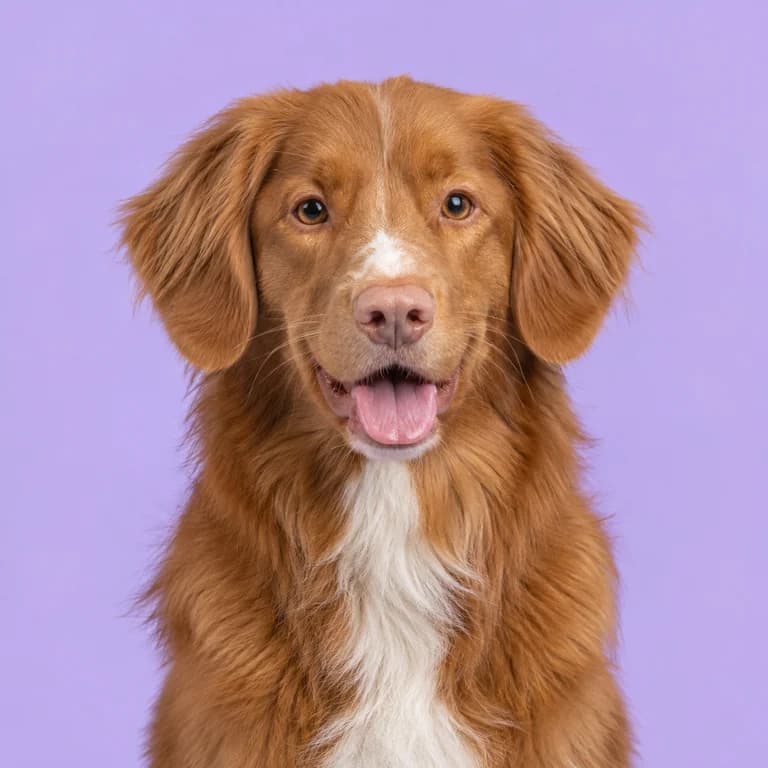
Sporting group
Nova Scotia Duck Tolling Retriever
17 to 23 kg · 12 to 14 years
The smallest retriever, bred to play along the shoreline until curious ducks swam close enough to shoot.
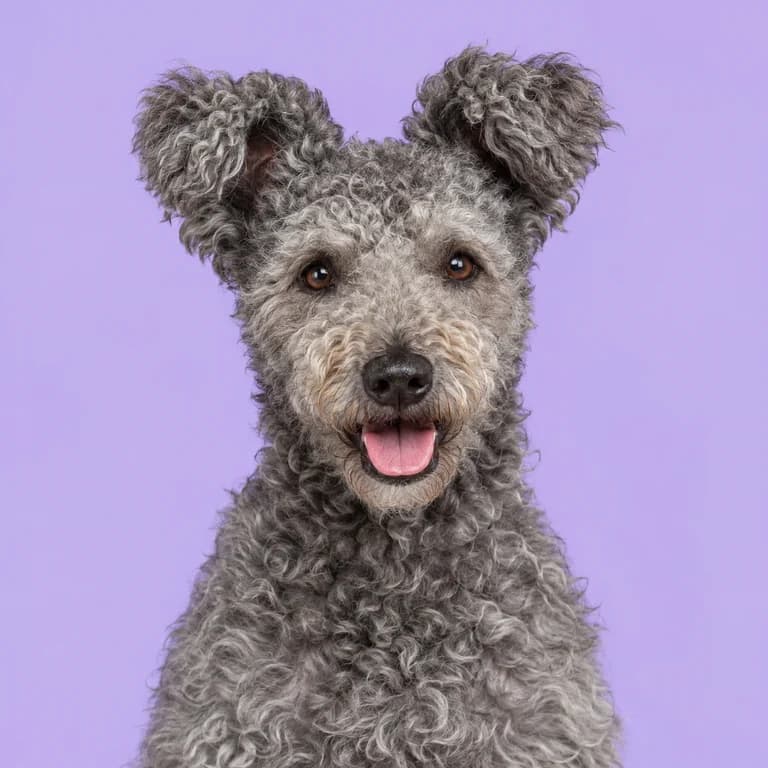
Herding group
Pumi
8 to 15 kg · 12 to 14 years
A curly, whip-smart Hungarian herder that treats every day as a job interview it intends to win.