Sources for this article
Working group · Russia
Black Russian Terrier
Also called BRT, Russian Black Terrier, Chyornyi Terrier
A guardian designed by the Soviet army from a mix of breeds, calm at home and serious at the gate.
The Black Russian Terrier was created by a Soviet military kennel after the Second World War to guard installations in brutal climates. Despite the name it is not a true terrier but a large, powerful working dog: steady and affectionate with its family, watchful with everyone else.
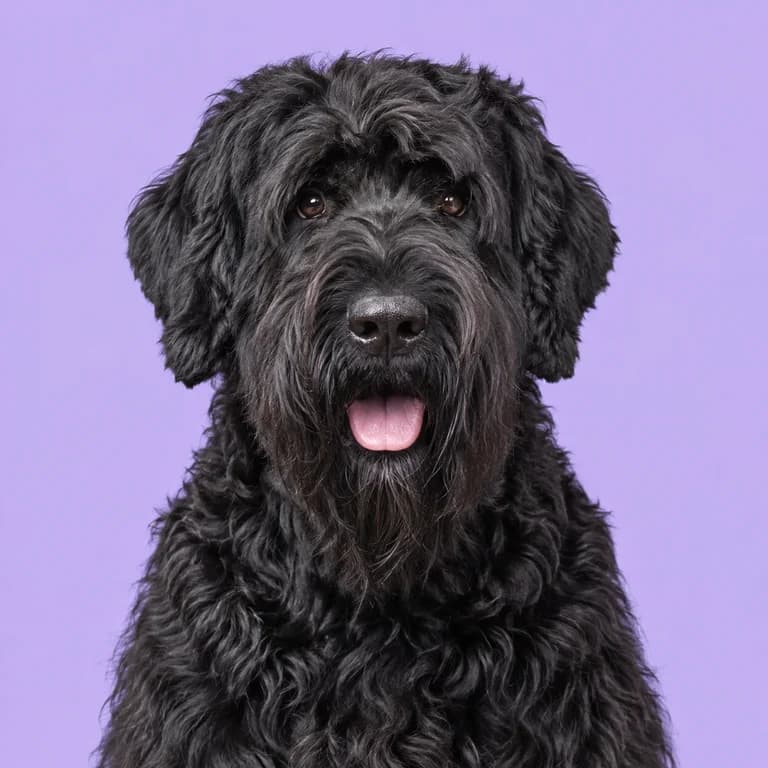
Original AI-generated breed illustration
Weight
45 to 60 kg
99 to 132 lb
Height
66 to 78 cm
at the shoulder
Life expectancy
10 to 12 yrs
Activity estimate
60 to 90 min
editorial daily planning range
Adult-size estimate
30 months
approximate model input
Life with a Black Russian Terrier
Few breeds have such a documented beginning. After the Second World War the Soviet Union was short of working dogs, and the military kennel known as Red Star (Krasnaya Zvezda) near Moscow set out to build a new one: large, trainable, hardy in extreme cold and willing to guard prisons, borders and military sites. Breeders crossed Giant Schnauzers, Airedales, Rottweilers, Newfoundlands and several other breeds, then selected hard for working ability.
The foundation male most often credited is Roy, a Giant Schnauzer. By the mid-1950s the first Black Russians were being shown in Moscow, and from the late 1950s the kennel began releasing puppies to civilian breeders, who refined the coat and softened the temperament. The FCI granted recognition in 1984, and the AKC welcomed the breed into its Working Group in 2004.
The 'terrier' in the name reflects the Airedale ancestry and the wiry coat rather than any work underground. In temperament, a Black Russian is a guardian. At home it is often remarkably quiet and gentle, content to lie near its family for hours at a time. Faced with something unusual at the gate, it becomes very still and very focused.
Living with one means managing a large, intelligent, protective dog for a decade or more. It needs structure, ongoing socialization and a household that understands guardian breeds. In the right hands it is a stable, loyal and surprisingly playful companion.
A great match for
- experienced owners of large guardian breeds
- homes with space and a secure fence
- people who want a calm, protective companion
- owners committed to lifelong training
- cold climates
Think twice if
- size and strength demand solid training
- naturally suspicious of strangers
- may not accept unfamiliar dogs
- needs regular professional grooming
- known inherited disorders that require DNA testing
Personality and needs at a glance
Living together
Good with children
Good with other dogs
Open with strangers
Apartment friendly
Copes with alone time
Energy and character
Energy level
Playfulness
Easy to train
Barking
5 means very vocal
Care and climate
Grooming needs
Shedding
Drooling
Handles cold
Handles heat
How much a Black Russian Terrier eats
Illustrative calculations for neutered adults at midpoint breed weights, with food at 370 kcal per 100 g and 100 g per cup. These are not measured breed requirements. Use actual weight, the food label and veterinary body-condition advice.
| Dog | Weight | Calories | Dry food |
|---|---|---|---|
| Female, relaxed lifestyle | 48 kg | 1770 kcal | 480 g (4.8 cups) |
| Female, typical pet | 48 kg | 2030 kcal | 550 g (5.5 cups) |
| Male, typical pet | 55 kg | 2260 kcal | 610 g (6 cups) |
| Male, very active | 55 kg | 2830 kcal | 765 g (7.8 cups) |
Care guides for the Black Russian Terrier
Things owners are often surprised by
- 1Development began around 1949 at the state-run Red Star kennel near Moscow, drawing on roughly 17 breeds.
- 2A Giant Schnauzer named Roy, born in 1947, is regarded as the breed's chief foundation sire.
- 3The FCI recognized the breed in 1984, and the AKC added it to the Working Group in 2004.
- 4Males stand up to 78 cm (30.5 in) and weigh 50 to 60 kg (110 to 130 lb).
- 5The dense coat was bred to handle Russian winters, and the breed's only accepted color is black.
Black Russian Terrier questions
Is the Black Russian Terrier really a terrier?
Not in the usual sense. The name reflects the Airedale Terrier in its background and its wiry coat, but the breed was created as a military guard dog. Kennel clubs place it in the working group, alongside breeds such as the Giant Schnauzer and Rottweiler. It lacks the typical terrier drive to dig after small animals and behaves far more like a guardian breed.
Are Black Russian Terriers hypoallergenic?
They shed relatively little, and some allergy sufferers react less to them than to heavy-shedding breeds, but no dog is truly allergen-free. Allergens come from saliva and skin as well as hair, and a dog of this size produces plenty. Spend time around adult Black Russians before committing, and keep the coat well groomed to limit loose hair and dander.
Are Black Russian Terriers good family dogs?
In experienced hands, yes. They are loyal, calm indoors and usually gentle with the children in their own family. Their size means close supervision around small children is essential, and their protective instinct may lead them to step into rough play involving visiting children. Early socialization and consistent training make the biggest difference.
How big do Black Russian Terriers get?
Males typically stand 70 to 78 cm (27.5 to 30.5 in) and weigh 50 to 60 kg (110 to 130 lb); females are a little smaller at 66 to 74 cm (26 to 29 in) and 45 to 50 kg (100 to 110 lb). Some individuals fall outside these ranges. They take up to three years to reach full physical and mental maturity.
Can a Black Russian Terrier live in a hot climate?
It can, but it needs careful management. The thick black coat absorbs heat, and the breed was built for cold. In hot regions, keep the coat groomed so dead undercoat does not trap warmth, provide a cool indoor resting spot, and limit exercise to early morning and evening. Heavy panting, weakness or stumbling in the heat means stopping at once and calling a vet.
Popular answers for owners
- Grooming and coatCan I cut mats out of my dog's coat myself?
- Bowls and feeding gearShould I use separate sponges for my dog's bowls?
- Puppy feeding and growthHow much should a puppy eat the first night home?
- Exercise and playHow much running can a dog do at different life stages?
- Puppy feeding and growthHow do I stop one puppy in a litter from eating the other's food?
- Grooming and coatWhat's the difference between an undercoat rake and a shedding blade?
Breeds you might compare
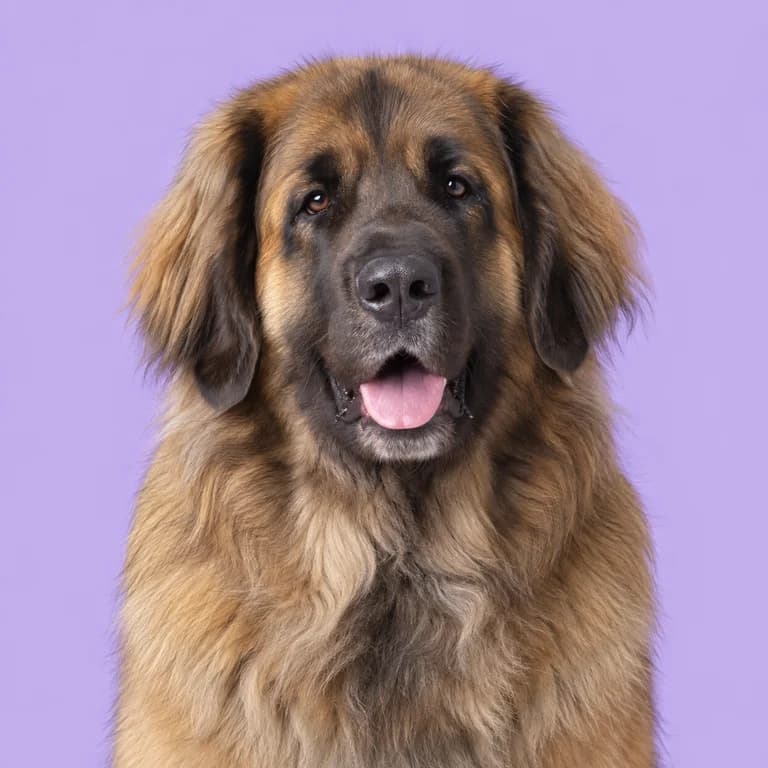
Working group
Leonberger
41 to 77 kg · 7 to 9 years
Named for a lion and built like a bear, the Leonberger fills any room, then settles quietly into it.
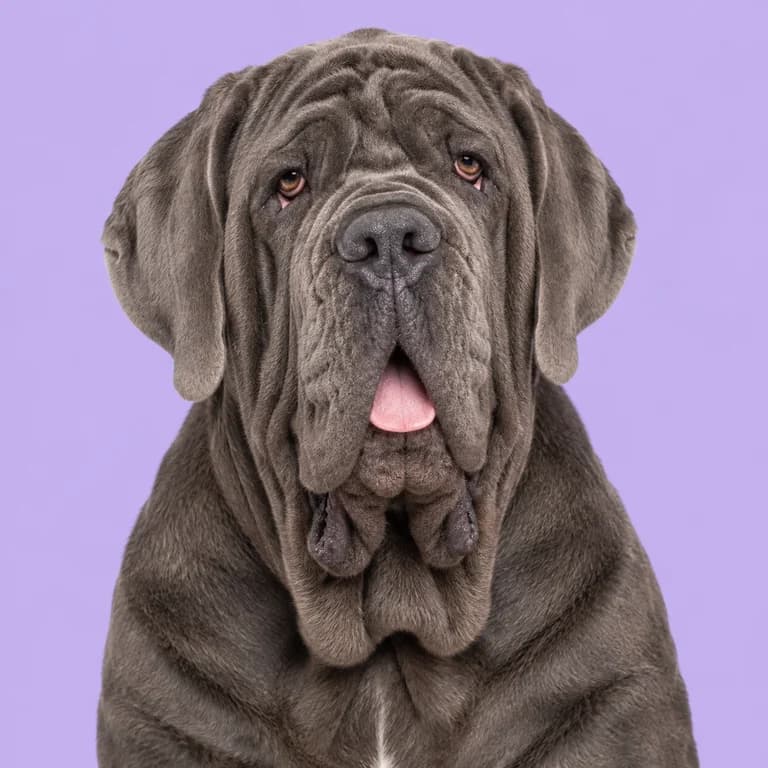
Working group
Neapolitan Mastiff
50 to 70 kg · 7 to 9 years
A slow-moving mountain of wrinkles from southern Italy whose sheer bulk is its main line of defense.
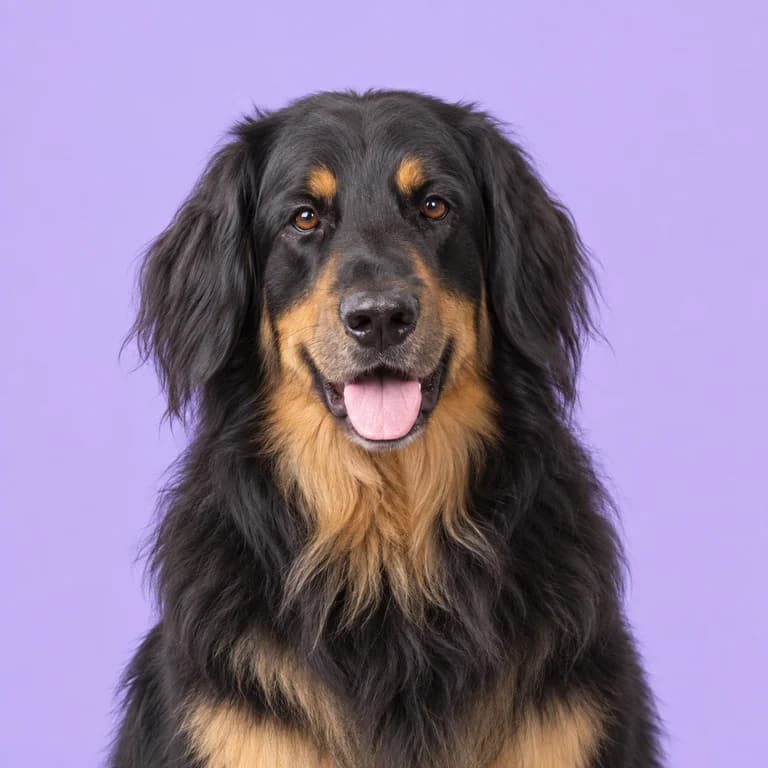
Working group
Hovawart
25 to 40 kg · 10 to 14 years
A medieval farm guardian rebuilt in the 20th century, loyal to its household and slow to hand out trust.
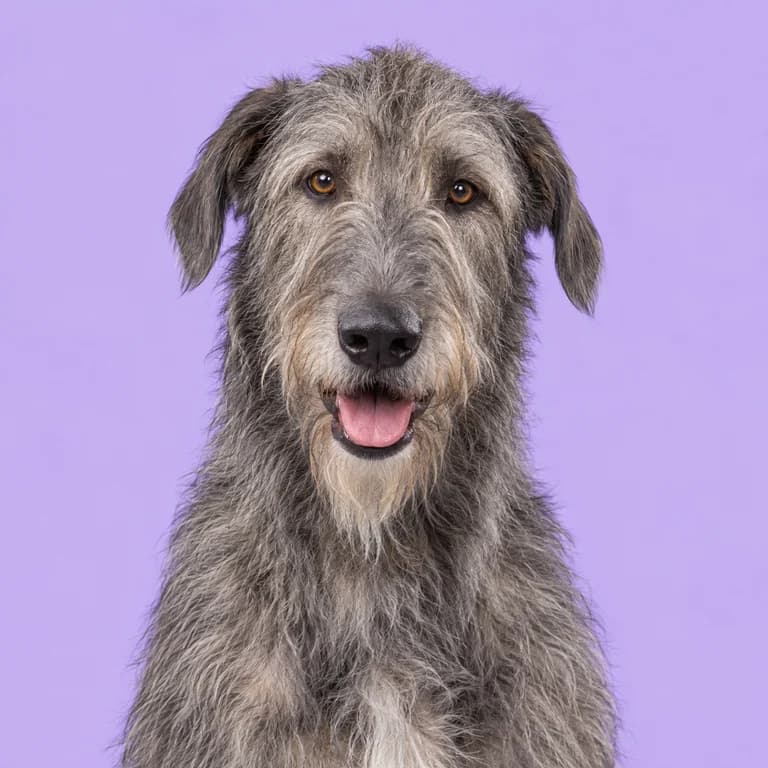
Hound group
Irish Wolfhound
45 to 70 kg · 6 to 8 years
Once a hunter of wolves, the Irish Wolfhound is now a soft-natured giant that towers over every other hound.
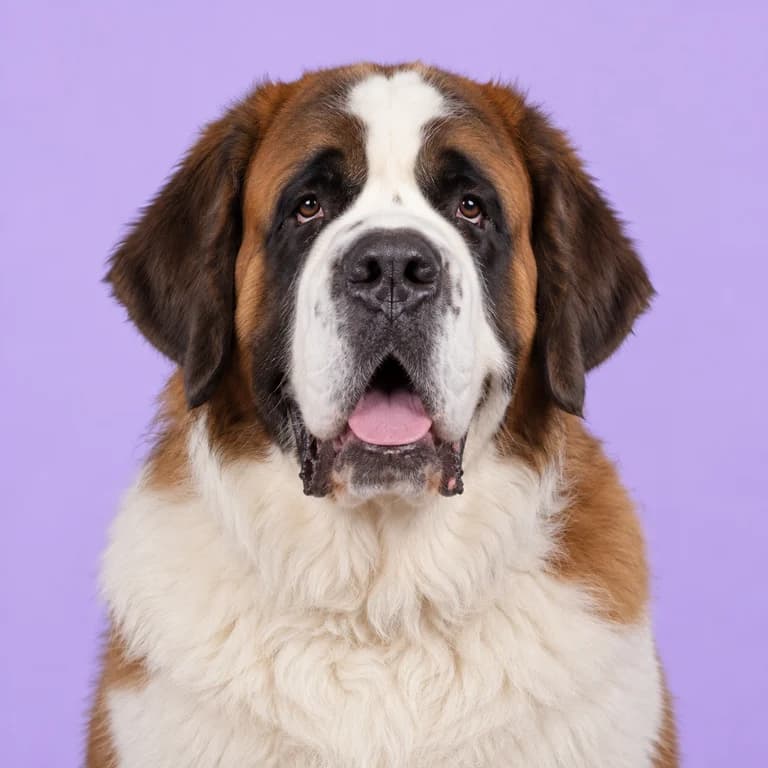
Working group
Saint Bernard
54 to 82 kg · 8 to 10 years
A gentle mountain giant whose size, drool and cold-weather coat shape every part of daily life.
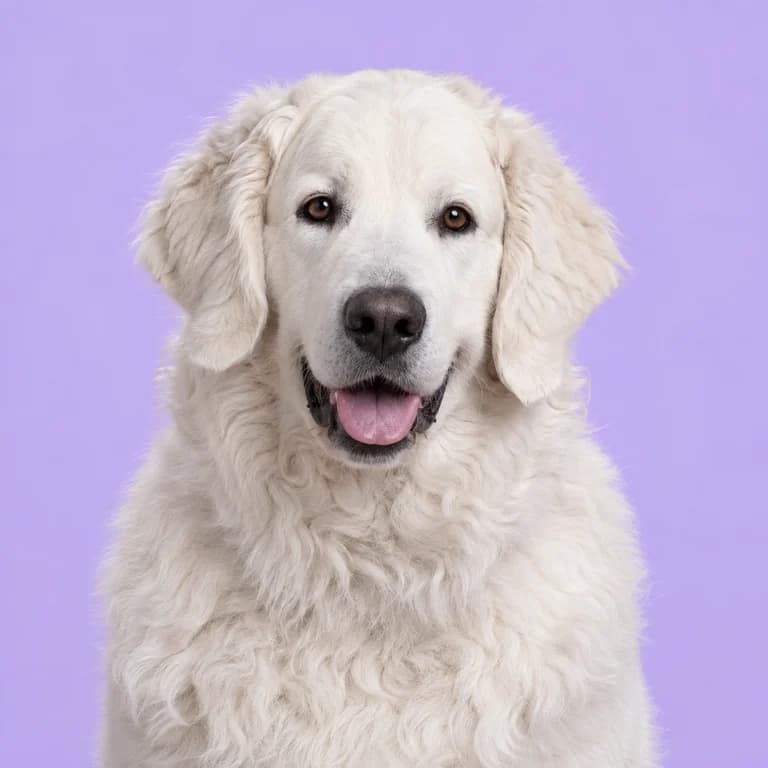
Working group
Kuvasz
37 to 62 kg · 10 to 12 years
A white Hungarian flock guardian that thinks for itself and treats your whole property as its patrol route.