Sources for this article
Sporting group · France
Brittany
Also called Brittany Spaniel, Epagneul Breton
A compact French bird dog built to cover open ground at speed, then freeze on point.
The Brittany is a pointing breed from northwest France, smaller than most gundogs and famous for its stamina. It is gentle and keen to please, but it runs on a big engine that needs daily running, and it is happiest when that energy has a purpose.

Original AI-generated breed illustration
Weight
13 to 18 kg
29 to 40 lb
Height
44 to 52 cm
at the shoulder
Life expectancy
12 to 14 yrs
Activity estimate
120 to 150 min
editorial daily planning range
Adult-size estimate
14 months
approximate model input
Life with a Brittany
Farmers and poachers in Brittany kept small, tough bird dogs for centuries, and by the early 1900s the local type had become a recognized breed. A hunter wanted one dog that could quarter a field quickly, stop dead on point when it caught the scent of partridge or woodcock, and then bring the shot bird back. The result was lighter and smaller than most pointers, with long legs for its body and an almost square outline.
That working brief shapes daily life. A Brittany wakes up ready to go, and a single short walk will not satisfy it. It also bonds closely with its people, tends to stay within sight in the field, and is gentle in the house once it has run. Owners often describe it as a dog that wants to do things with you, rather than one that entertains itself.
Most are friendly with children and other dogs, and less wary of strangers than guarding breeds. Sensitivity is the other side of the coin. A Brittany raised with shouting or rough handling can become anxious, while one raised with patience and clear routines often turns into an unusually cooperative companion that follows you from room to room.
What stands out
Exercise
Plan for at least 90 minutes of real activity a day, and more for young adults. That means running, not strolling: off-lead time in safe open spaces, retrieving, canicross, or structured field training. Brittanys also shine at agility, where their speed and willingness make them natural competitors, and many take to scent work with little encouragement.
Read the full exercise guideActivity planning estimate
120 to 150 min
editorial estimate, not a prescription
Energy
5 / 5
Playfulness 5 / 5
A great match for
- runners, cyclists and hikers
- hunters who want a cooperative pointing dog
- active families with a garden
- agility, field trials and scent sports
Think twice if
- restless and destructive without daily running
- soft nature that shuts down under harsh handling
- may chase birds and small animals
- unsuited to long hours alone
Personality and needs at a glance
Living together
Good with children
Good with other dogs
Open with strangers
Apartment friendly
Copes with alone time
Energy and character
Energy level
Playfulness
Easy to train
Barking
5 means very vocal
Care and climate
Grooming needs
Shedding
Drooling
Handles cold
Handles heat
How much a Brittany eats
Illustrative calculations for neutered adults at midpoint breed weights, with food at 370 kcal per 100 g and 100 g per cup. These are not measured breed requirements. Use actual weight, the food label and veterinary body-condition advice.
| Dog | Weight | Calories | Dry food |
|---|---|---|---|
| Female, relaxed lifestyle | 15 kg | 750 kcal | 200 g (2 cups) |
| Female, typical pet | 15 kg | 850 kcal | 230 g (2.3 cups) |
| Male, typical pet | 16 kg | 900 kcal | 240 g (2.5 cups) |
| Male, very active | 16 kg | 1120 kcal | 305 g (3 cups) |
Care guides for the Brittany
Things owners are often surprised by
- 1American clubs dropped the word Spaniel from the name in 1982, because the dog works like a pointer rather than a flushing spaniel.
- 2Some puppies are born with a naturally short tail.
- 3The Brittany has produced more dual champions, titled in both the show ring and field trials, than any other AKC breed.
- 4Black and white coats are accepted in France and most of Europe but disqualify a dog in the US show ring.
- 5At 44 to 52 cm (17 to 20.5 in) tall, it is one of the smallest pointing breeds.
Brittany questions
Is a Brittany a spaniel or a pointer?
It works like a pointer. Although it was called the Brittany Spaniel for decades, the dog finds birds and freezes on point instead of flushing them the way spaniels do. That is why the American club dropped Spaniel from the name in 1982. In France and most of Europe it is still called the Epagneul Breton and sits with the pointing dogs in FCI Group 7.
Can a Brittany live in a flat?
It can, but only if the owner provides serious daily exercise. A Brittany needs somewhere to run off lead most days, not just laps of the block. Flat dwellers who jog, cycle or live beside a large park often manage well. Without that outlet, expect noise, restlessness and chewing, which are much harder to live with in a small space.
Do Brittanys make good family dogs?
Usually yes, for active families. Brittanys are gentle and affectionate and generally tolerant of children, and they like to be included in whatever the family is doing. A bouncy adolescent can knock over a toddler, so supervision matters in the early years. The best match is a household where someone enjoys daily outdoor exercise and has time for training.
Why is my Brittany so clingy?
The breed was developed to work closely with one hunter, staying in range and checking back often. At home that shows up as a dog that shadows you and dislikes closed doors. It is normal for the breed. If it turns into panic when you leave, such as destruction or nonstop barking, work on gradual alone-time training and ask a qualified behaviorist for help.
At what age can a Brittany start field training?
Informal work can begin at about 8 to 12 weeks with short games of chasing a wing on a string, retrieving soft toys and walks in rough cover. Formal steadiness training usually waits until the dog is 6 to 12 months old and has good basic manners. Pushing a young dog too hard can dull its enthusiasm, so keep early sessions short and fun.
Popular answers for owners
- Puppy feeding and growthWhat treats are safe for an 8 week old puppy?
- Bowls and feeding gearHow do I choose a bowl size for two meals a day?
- How much to feedHow do I manage weight loss for a dog that cannot exercise much right now?
- Puppy feeding and growthHow much should an 11 week old puppy eat?
- Grooming and coatShould I use conditioner on my dog's coat after shampooing?
- Exercise and playHow long should a fetch session last?
Breeds you might compare
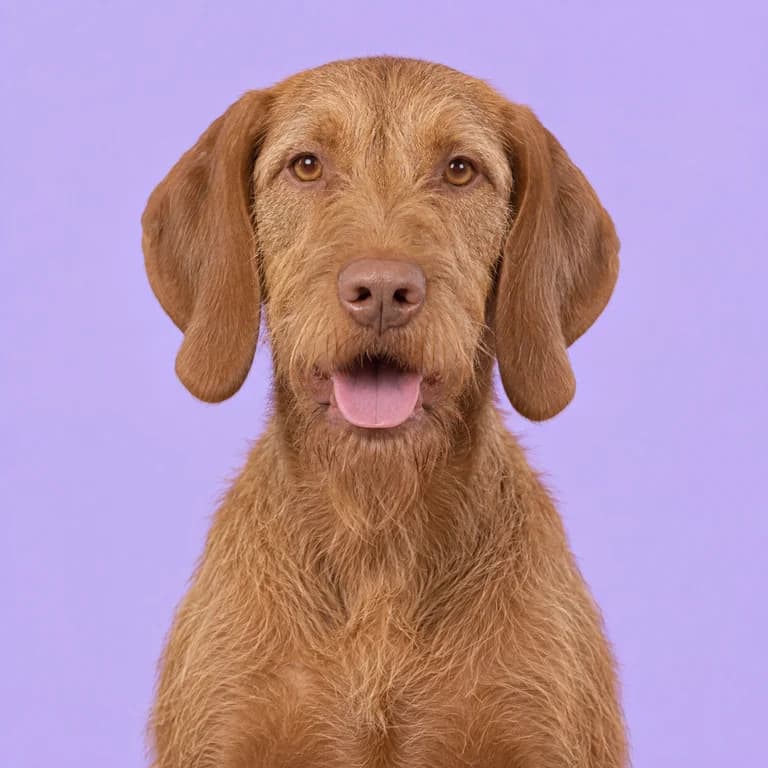
Sporting group
Wirehaired Vizsla
20 to 30 kg · 12 to 14 years
A Hungarian gun dog with a weatherproof beard, built to hunt all day in cold water and thick cover.
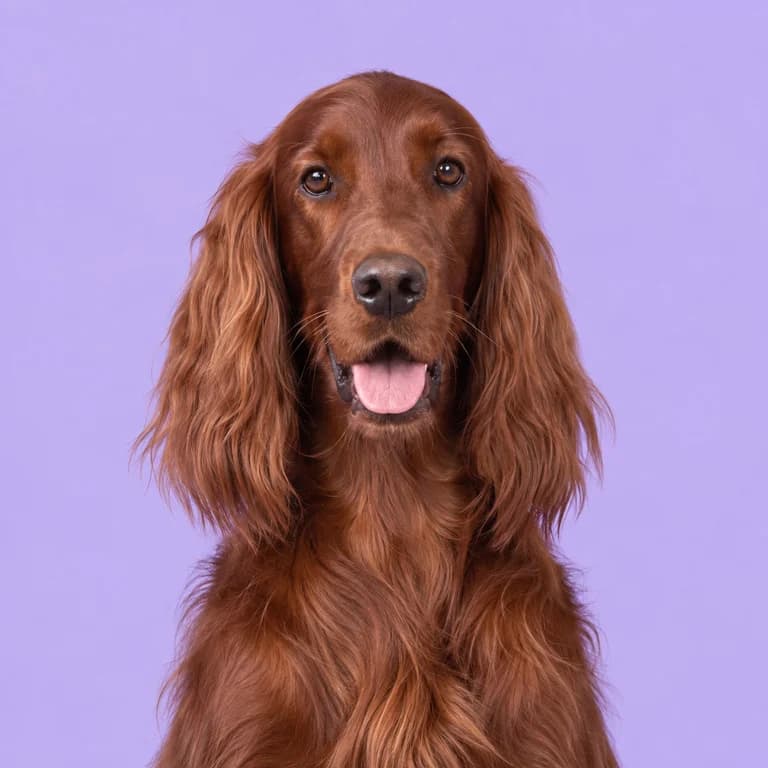
Sporting group
Irish Setter
25 to 34 kg · 12 to 15 years
A mahogany gundog built to quarter Irish bogs all day, and still in no hurry to grow up.

Sporting group
Weimaraner
25 to 41 kg · 10 to 13 years
A silver hunting dog with an athlete's stamina and a constant need to be right beside you.
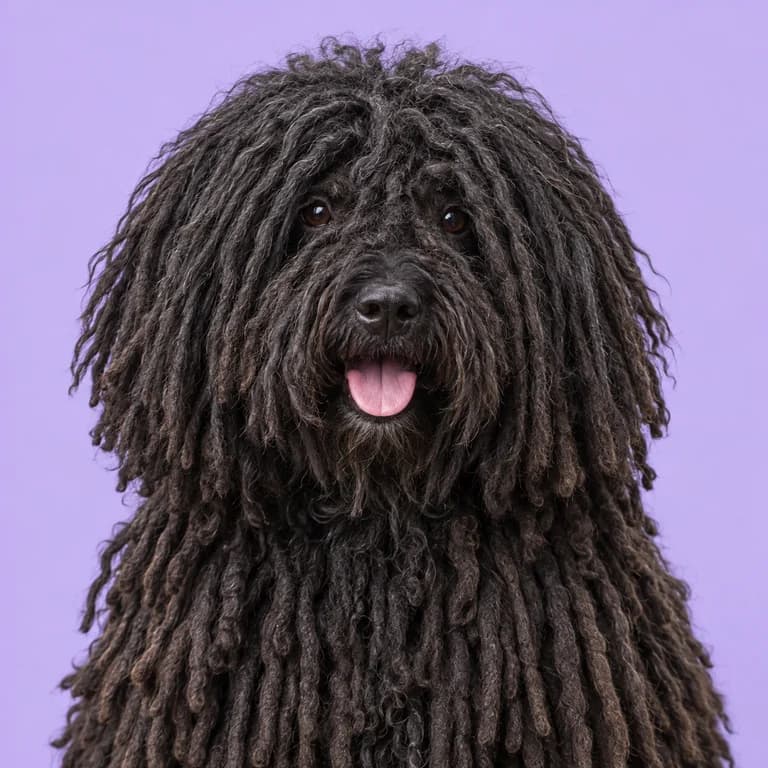
Herding group
Puli
10 to 15 kg · 12 to 16 years
A Hungarian sheepdog wearing its own dreadlocks, quick on its feet and quicker still to notice anything unusual.
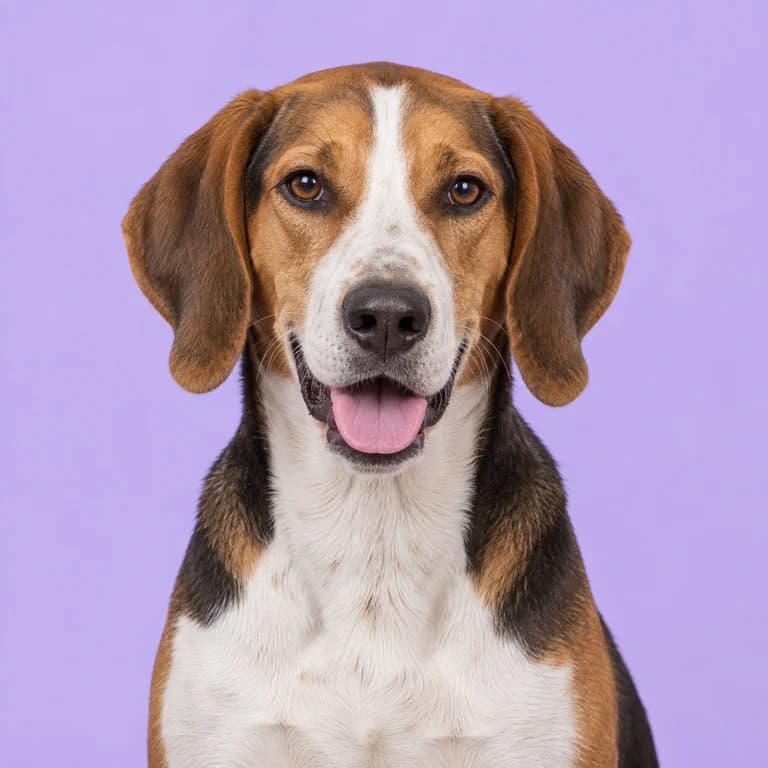
Hound group
Harrier
20 to 27 kg · 12 to 15 years
A pack hound bred to hunt hare on foot, bigger than a Beagle and more sociable than most dogs you will meet.
Herding group
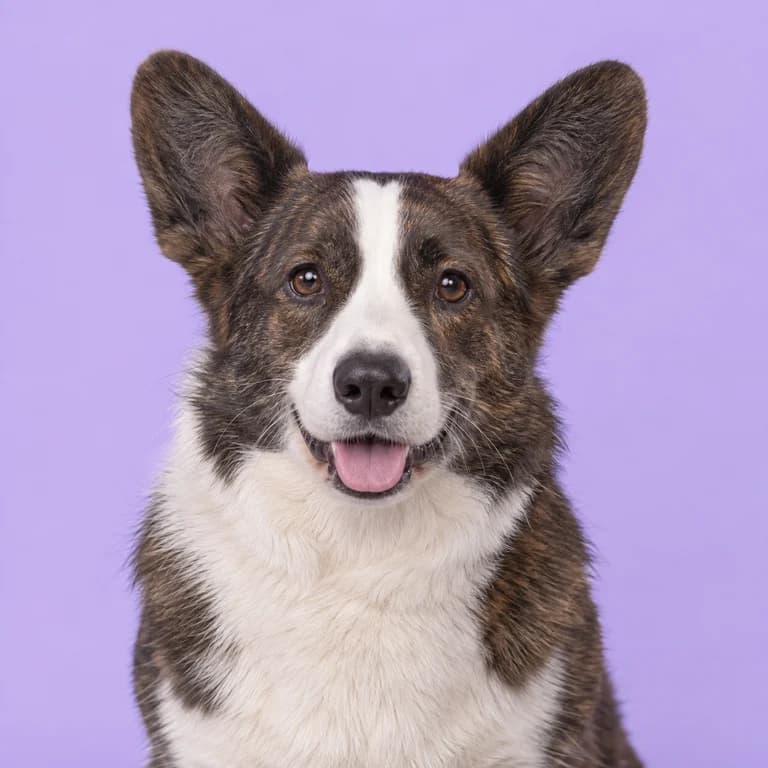
Cardigan Welsh Corgi
12 to 17 kg · 12 to 15 years
The older, long-tailed corgi from the Welsh hills, built low to drive cattle and still thinking like a farmhand.