Sources for this article
Working group · Hungary
Kuvasz
Also called Hungarian Kuvasz
A white Hungarian flock guardian that thinks for itself and treats your whole property as its patrol route.
The Kuvasz is a large, independent livestock guardian bred to protect flocks from wolves and thieves without waiting for instructions. With its own family it is loyal, gentle and quietly affectionate; with strangers it is watchful and slow to warm up. It suits experienced owners with space, tall fencing and plenty of patience.
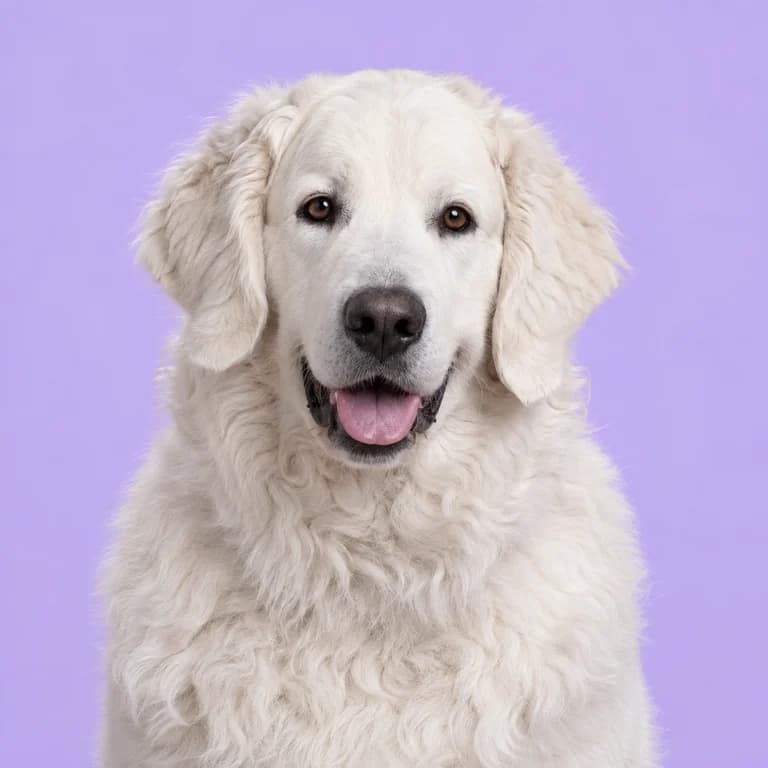
Original AI-generated breed illustration
Weight
37 to 62 kg
81 to 136 lb
Height
66 to 76 cm
at the shoulder
Life expectancy
10 to 12 yrs
Activity estimate
60 to 90 min
editorial daily planning range
Adult-size estimate
24 months
approximate model input
Life with a Kuvasz
Loyal is the word most owners reach for first, followed closely by stubborn. The Kuvasz was bred to live out with sheep and cattle on the Hungarian plains and to decide on its own when a threat needed dealing with. Shepherds could not be present every minute of the night, so the dogs had to judge situations independently, and that trait is still very much alive in the modern breed.
Some writers link the breed's ancestors to the Magyar tribes who settled the Carpathian Basin in the ninth century, and King Matthias Corvinus is often credited with keeping these dogs at his 15th-century court as guards and hunting companions. Whatever the exact details, the Kuvasz has deep roots in Hungary. War and occupation in the 20th century nearly wiped it out, and careful breeding from the few remaining dogs rebuilt the population.
With family, a Kuvasz is affectionate, gentle with respectful children and quietly watchful, often choosing a spot with a view of the door or gate. With strangers it is reserved at best and openly protective at worst. It notices changes to its surroundings, patrols boundaries at dusk and barks at anything that seems out of place. This is not a dog for households that want every visitor greeted with a wagging tail. It is a dog for owners who understand and respect a guardian's instincts and plan their lives around them.
What stands out
Training
A Kuvasz learns quickly but tends to ask why before it obeys. Repetitive drills bore it, and harsh methods damage trust with a dog that remembers unfairness. Keep sessions short, rewarding and meaningful, and focus on essential life skills: loose-leash walking, calm greetings, waiting at doors and gates, and a solid recall inside enclosed areas.
Read the full training guideEasy to train
Open with strangers
Good with other dogs
A great match for
- experienced owners of guardian breeds
- rural or semi-rural homes with secure fencing
- families who want a devoted, watchful protector
- people who value independence over quick obedience
Think twice if
- deep suspicion of strangers without lifelong socialization
- independent streak that makes classic obedience slow
- heavy seasonal shedding
- barking on night patrol
- may not accept unfamiliar dogs on its territory
Personality and needs at a glance
Living together
Good with children
Good with other dogs
Open with strangers
Apartment friendly
Copes with alone time
Energy and character
Energy level
Playfulness
Easy to train
Barking
5 means very vocal
Care and climate
Grooming needs
Shedding
Drooling
Handles cold
Handles heat
How much a Kuvasz eats
Illustrative calculations for neutered adults at midpoint breed weights, with food at 370 kcal per 100 g and 100 g per cup. These are not measured breed requirements. Use actual weight, the food label and veterinary body-condition advice.
| Dog | Weight | Calories | Dry food |
|---|---|---|---|
| Female, relaxed lifestyle | 44 kg | 1660 kcal | 450 g (4.5 cups) |
| Female, typical pet | 44 kg | 1900 kcal | 515 g (5.3 cups) |
| Male, typical pet | 55 kg | 2260 kcal | 610 g (6 cups) |
| Male, very active | 55 kg | 2830 kcal | 765 g (7.8 cups) |
Care guides for the Kuvasz
Things owners are often surprised by
- 1The name is often linked to an old Turkic word for an armed guard, though linguists still argue about it.
- 2Shepherds are said to have favored white guardians so they could tell their own dogs from wolves in the dark.
- 3Under the white coat the skin is dark slate grey, and the nose, lips and eye rims are black.
- 4The breed came close to disappearing during and after the Second World War, and today's dogs descend from a small group of survivors.
- 5Males often stand over 70 cm (28 in) at the shoulder and can top 55 kg (121 lb).
Kuvasz questions
Is a Kuvasz the same as a Great Pyrenees?
No, though both are large white flock guardians with similar jobs. The Kuvasz comes from Hungary, has a slightly wavy coat, a more athletic outline and dark slate skin. The Great Pyrenees is from the mountains between France and Spain, is often heavier with a thicker coat, and has double dewclaws on the hind legs. Temperaments overlap, but Kuvasz are often considered even more reserved with strangers.
Why is the Kuvasz white?
Shepherds are said to have preferred white guardians so they could tell them from wolves in low light and avoid harming their own dogs during a night attack. A pale dog also stands out against dark pasture when you are scanning a hillside. Whether or not that was the main reason, white has been the breed's only accepted color for centuries.
Can a Kuvasz live with cats?
Often, yes, especially if the puppy grows up with them. Guardian breeds tend to protect animals they consider part of the household, and many Kuvasz treat the family cat as another member of the flock. Introductions should still be gradual and supervised, with high shelves and escape routes for the cat. Unfamiliar cats in the garden are another story and may be chased as intruders.
Is a Kuvasz a good first dog?
Usually not. Its size, independence, strong guarding instinct and suspicion of strangers make it demanding even for people who have owned dogs before. First-time owners often find training frustrating and managing visitors stressful. Someone with guardian-breed experience, time for lifelong socialization and a secure property is far more likely to enjoy living with one.
Why does my Kuvasz bark at night?
Flock guardians are often most alert after dark, when predators were traditionally active, so a Kuvasz may bark at foxes, distant noises or people passing the fence. Bringing the dog indoors overnight, giving it a sleeping spot away from street-facing windows and rewarding quiet can reduce the noise. Some alert barking is simply part of owning this breed.
Popular answers for owners
- Grooming and coatWhat is a coat blow and how long does it last?
- Bowls and feeding gearCan a slow feeder bowl be used for wet food?
- How much to feedHow do I adjust my dog's portion if my vet does not give an exact gram amount?
- Grooming and coatWhy does my dog smell bad even after a bath?
- Bowls and feeding gearAre painted or glazed ceramic bowls safe?
- Bowls and feeding gearAre bamboo or wooden dog bowls a good choice?
Breeds you might compare
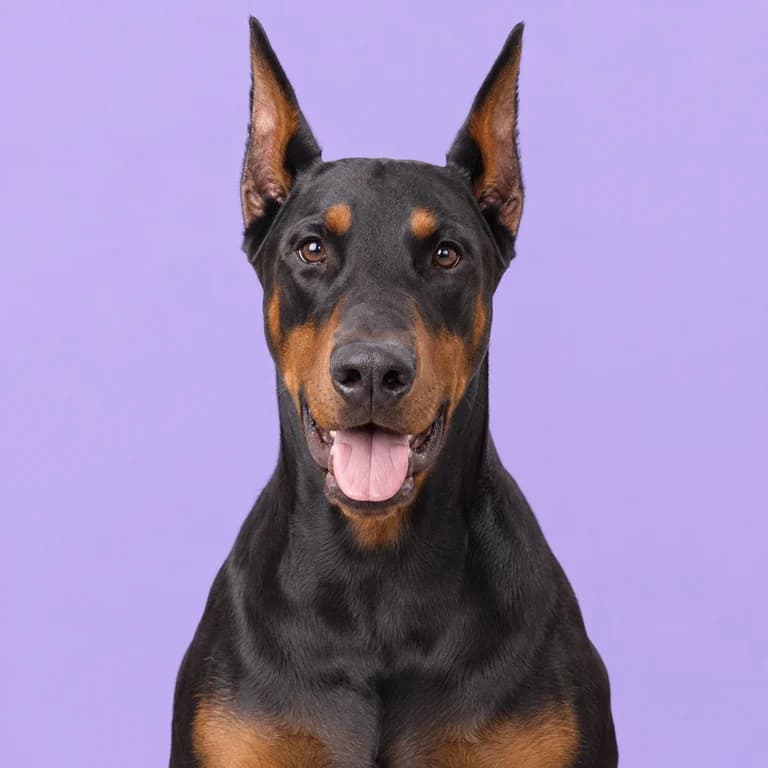
Working group
Doberman Pinscher
32 to 45 kg · 10 to 12 years
A sleek guardian with a watchful mind that becomes surprisingly soft and clingy with its own people.
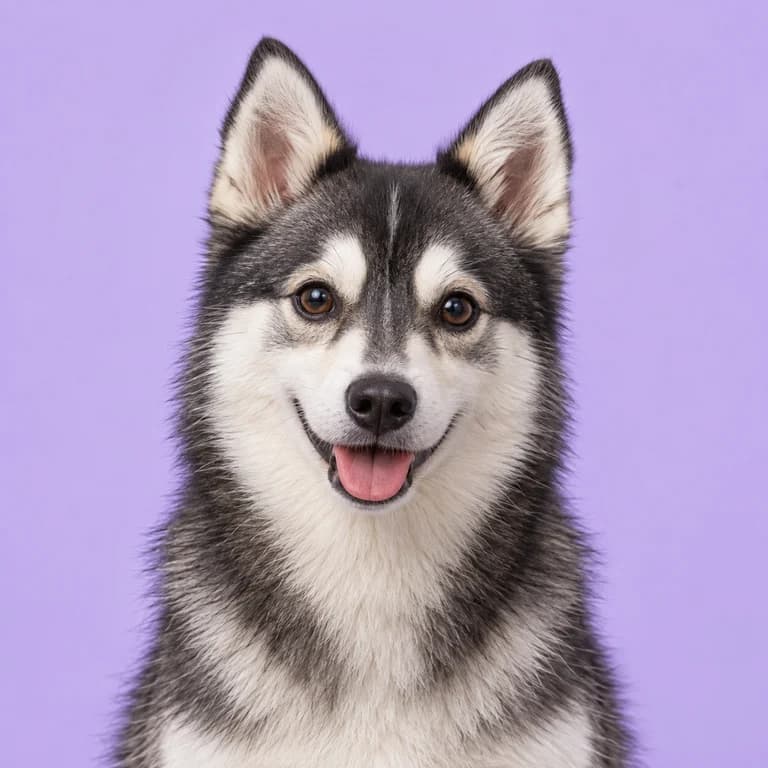
Working group
Alaskan Klee Kai
4 to 10 kg · 13 to 16 years
All the husky looks at a fraction of the size, with a far more cautious personality than most people expect.
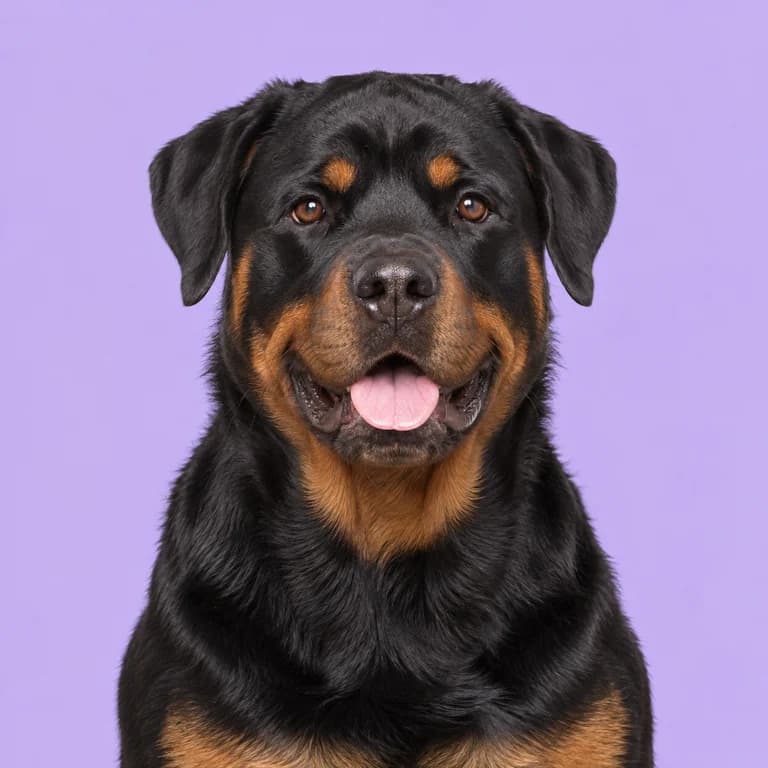
Working group
Rottweiler
35 to 60 kg · 9 to 10 years
A butcher's cattle dog turned devoted guardian, calm at home and quietly watchful of anything unfamiliar.
Working group
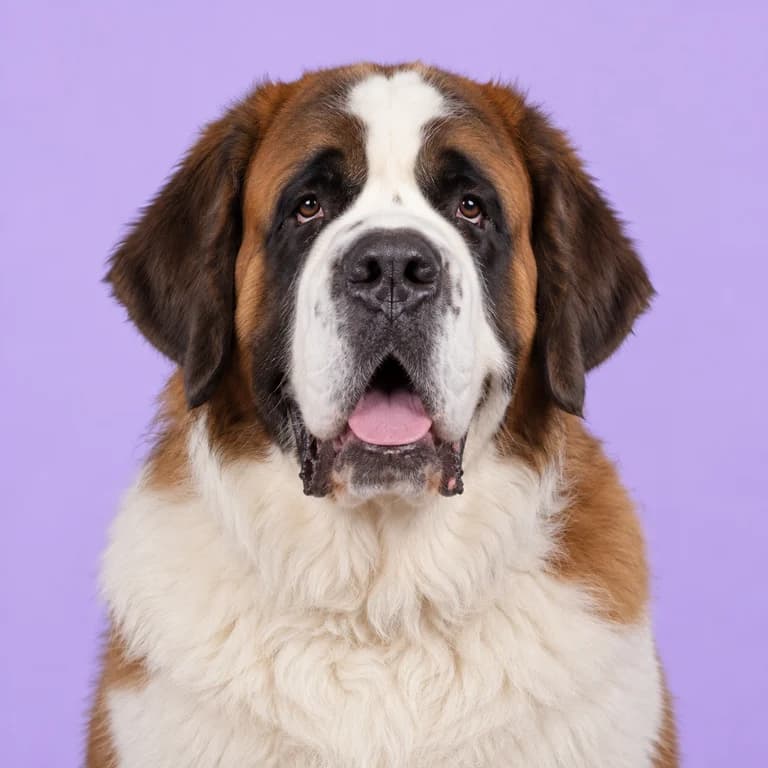
Saint Bernard
54 to 82 kg · 8 to 10 years
A gentle mountain giant whose size, drool and cold-weather coat shape every part of daily life.
Working group
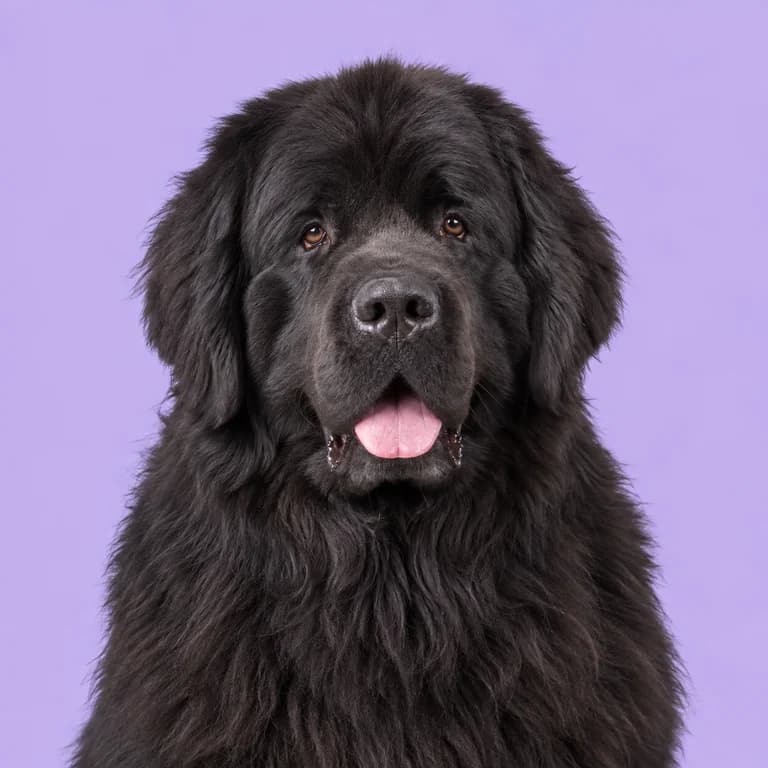
Newfoundland
45 to 70 kg · 8 to 10 years
A gentle giant with webbed feet, a lifesaving instinct in water and a drool towel never far away.
Hound group
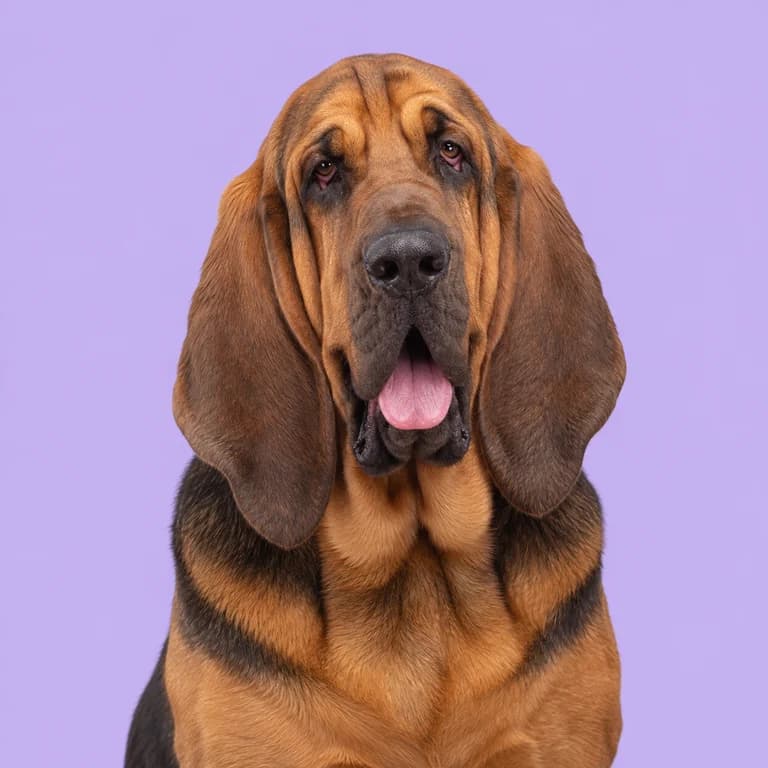
Bloodhound
40 to 54 kg · 10 to 12 years
A patient, drooling giant whose trailing work has been accepted as evidence in courtrooms.