Sources for this article
Toy group · Australia
Silky Terrier
Also called Australian Silky Terrier, Sydney Silky, Silky
A true terrier in a toy-sized body, dressed in blue and tan silk and still keen to catch a rat.
The Silky Terrier was developed in Australia by crossing Australian Terriers with Yorkshire Terriers in the late 1800s. It looks elegant but behaves like a bold, busy terrier, fond of digging, chasing and barking. It is small enough for apartment life, yet it needs daily activity and training to be a pleasant companion.
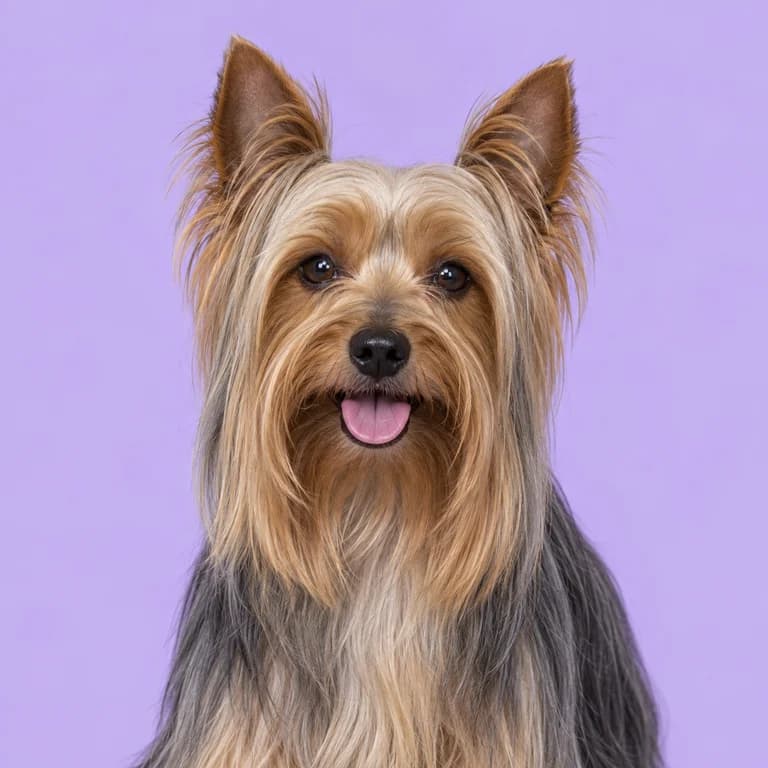
Original AI-generated breed illustration
Weight
4 to 5 kg
9 to 11 lb
Height
23 to 26 cm
at the shoulder
Life expectancy
13 to 15 yrs
Activity estimate
90 to 120 min
editorial daily planning range
Adult-size estimate
12 months
approximate model input
Life with a Silky Terrier
Temperament surprises people more than looks with this breed. A Silky Terrier may resemble a lapdog in a show trim, but it carries the instincts of the working terriers behind it: it hunts, digs, patrols the garden and takes on problems far bigger than itself. Around the house it is cheerful, curious and quick, happiest when included in whatever is going on, and it tends to be less clingy than many toy breeds.
The breed took shape in Australia in the late 1800s, when breeders crossed Australian Terriers with Yorkshire Terriers. Much of the early work happened around Sydney, which is why the dog was long known as the Sydney Silky. It was kept as a companion and ratter in homes and on properties, and it reached the United States in larger numbers after the Second World War, when servicemen brought dogs home from Australia.
Silkies tend to be confident with strangers once introduced, alert rather than nervous, and generally friendly with other dogs, although some will stand up to a larger dog without hesitation. Small pets such as hamsters, rats or guinea pigs are often viewed as prey, a reminder of the breed's original job.
What stands out
Training
Silkies are clever and learn quickly, but they are terriers at heart, which means independent and sometimes stubborn. Short, lively sessions with food rewards work best, and variety keeps them engaged. Harsh methods tend to backfire and make them more stubborn.
Read the full training guideEasy to train
Open with strangers
Good with other dogs
A great match for
- apartment living
- active singles or couples
- families with older children
- owners who enjoy regular grooming
Think twice if
- strong prey drive toward small pets
- barks readily at sounds and passers-by
- digging and chasing instincts
- coat needs brushing several times a week
Personality and needs at a glance
Living together
Good with children
Good with other dogs
Open with strangers
Apartment friendly
Copes with alone time
Energy and character
Energy level
Playfulness
Easy to train
Barking
5 means very vocal
Care and climate
Grooming needs
Shedding
Drooling
Handles cold
Handles heat
How much a Silky Terrier eats
Illustrative calculations for neutered adults at midpoint breed weights, with food at 370 kcal per 100 g and 100 g per cup. These are not measured breed requirements. Use actual weight, the food label and veterinary body-condition advice.
| Dog | Weight | Calories | Dry food |
|---|---|---|---|
| Female, relaxed lifestyle | 5 kg | 300 kcal | 80 g (0.8 cups) |
| Female, typical pet | 5 kg | 350 kcal | 95 g (1 cups) |
| Male, typical pet | 5 kg | 350 kcal | 95 g (1 cups) |
| Male, very active | 5 kg | 430 kcal | 115 g (1.3 cups) |
Care guides for the Silky Terrier
Things owners are often surprised by
- 1Developed in Australia around the 1890s from Australian Terriers and Yorkshire Terriers.
- 2Also called the Sydney Silky, after the city where much of its early breeding took place.
- 3Weighs about 4 to 5 kg (8 to 11 lb) and stands around 23 to 26 cm (9 to 10 in).
- 4Puppies are born black and tan, and the coat gradually clears to blue and tan over the first 18 months or so.
- 5Classed as a toy breed by the AKC but as a terrier by the FCI and in Australia.
Silky Terrier questions
What is the difference between a Silky Terrier and a Yorkshire Terrier?
The Silky is larger and sturdier, weighing about 4 to 5 kg compared with under 3.2 kg for a Yorkie. Silkies have a wedge-shaped head, a longer muzzle and a coat that falls to about 13 to 15 cm, while Yorkies are often kept with a floor-length coat. Silkies also tend to act more like working terriers, with stronger prey and digging instincts.
Are Silky Terriers good for apartments?
Yes, their small size makes them well suited to apartment life, as long as they get daily walks and play. The main challenge is barking, since Silkies are alert and vocal. Training a quiet cue, giving them enough exercise and providing puzzle toys help keep noise down. They do best with owners who are home for a good part of the day.
Do Silky Terriers shed?
Very little. The Silky has a single coat, so there is no heavy seasonal shedding, and loose hairs tend to stay in the coat until brushed out. The coat does tangle easily, however, and needs brushing several times a week. Many people with mild allergies find them easier to live with than double-coated breeds, though no dog is allergen-free.
Are Silky Terriers good with children?
They can be affectionate, playful family dogs, but they suit homes with older, respectful children best. Silkies are small and can be injured by rough play, and they may snap if squeezed or cornered. Teach children to let the dog approach them, to sit on the floor for cuddles and to avoid picking it up without an adult present.
Why is my Silky Terrier puppy black instead of blue?
Silky Terrier puppies are born black and tan. The black gradually lightens to blue over the first year or so, and the change often finishes at around 18 months. Some dogs stay darker for longer than others. If the coat looks dull, brittle or patchy rather than simply dark, mention it to your vet at the next check-up.
Popular answers for owners
- Grooming and coatWhat is a coat blow and how long does it last?
- Grooming and coatHow do I know if my dog's grooming needs are seasonal or year round?
- Bowls and feeding gearHow long should a meal take with a slow feeder bowl?
- How much to feedWhat does an ideal weight dog look like from the side?
- Bowls and feeding gearAre silicone feeding mats easy to clean?
- How much to feedHow precise do I need to be when measuring my dog's food?
Breeds you might compare
Toy group
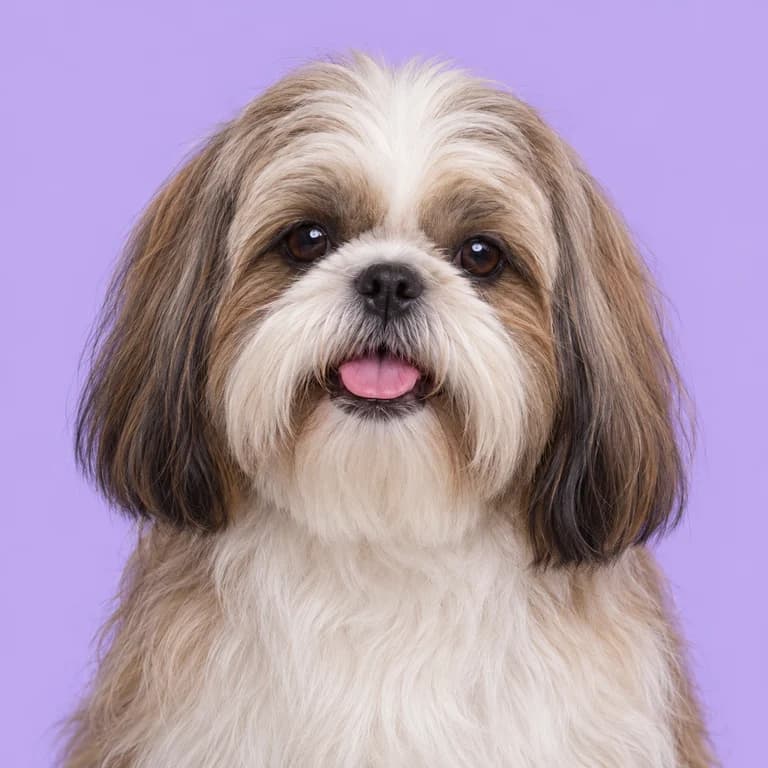
Shih Tzu
4 to 7 kg · 10 to 16 years
A palace lapdog with a lion's name, a topknot and a coat that grows much like human hair.
Toy group
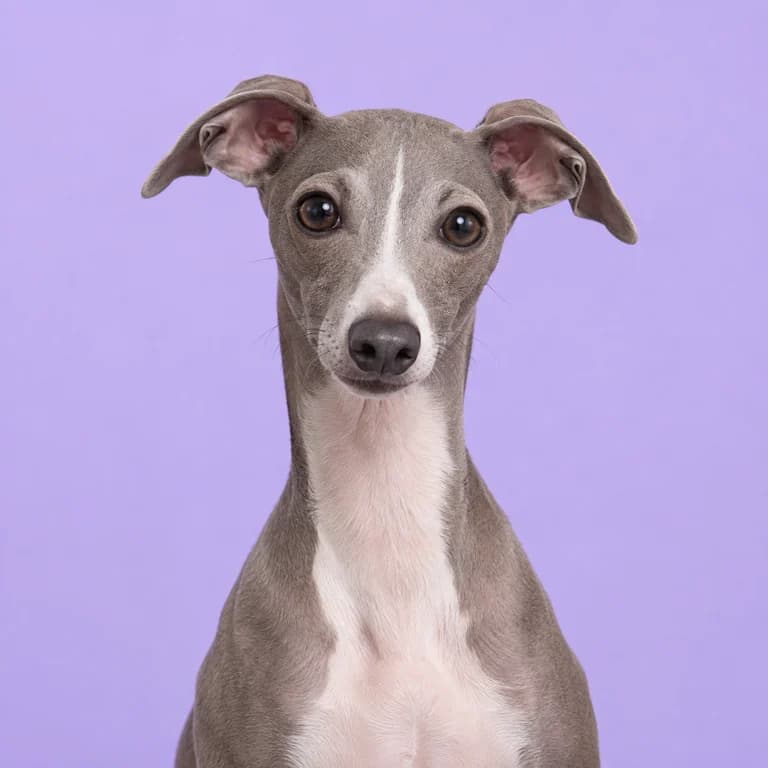
Italian Greyhound
3 to 5 kg · 13 to 15 years
A true sighthound shrunk to lap size, fast as a flicker and delicate enough to need thoughtful handling.
Toy group
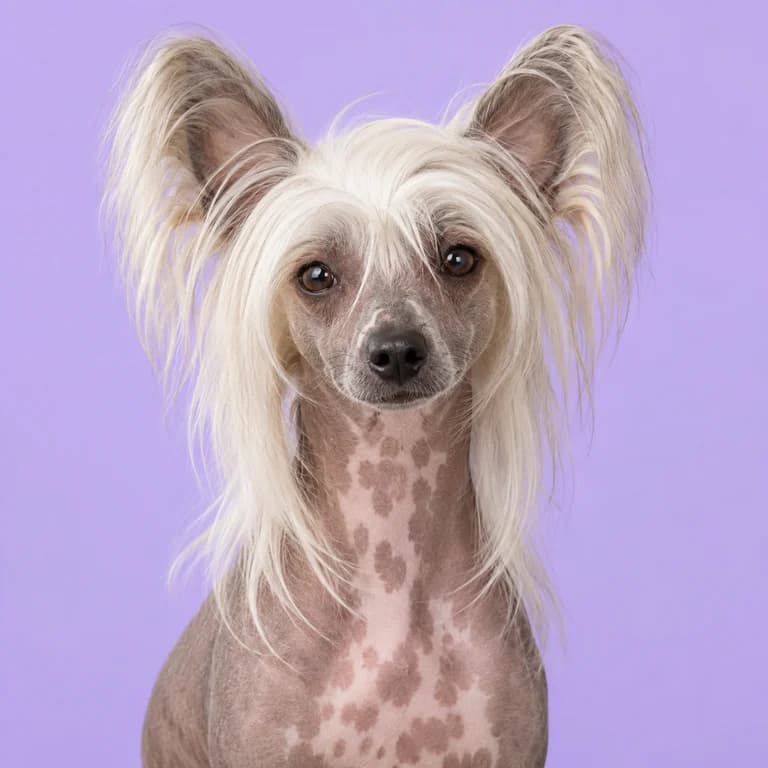
Chinese Crested
3 to 5 kg · 13 to 16 years
A toy breed that arrives in two coats from the same litter, with skin needing as much care as hair.
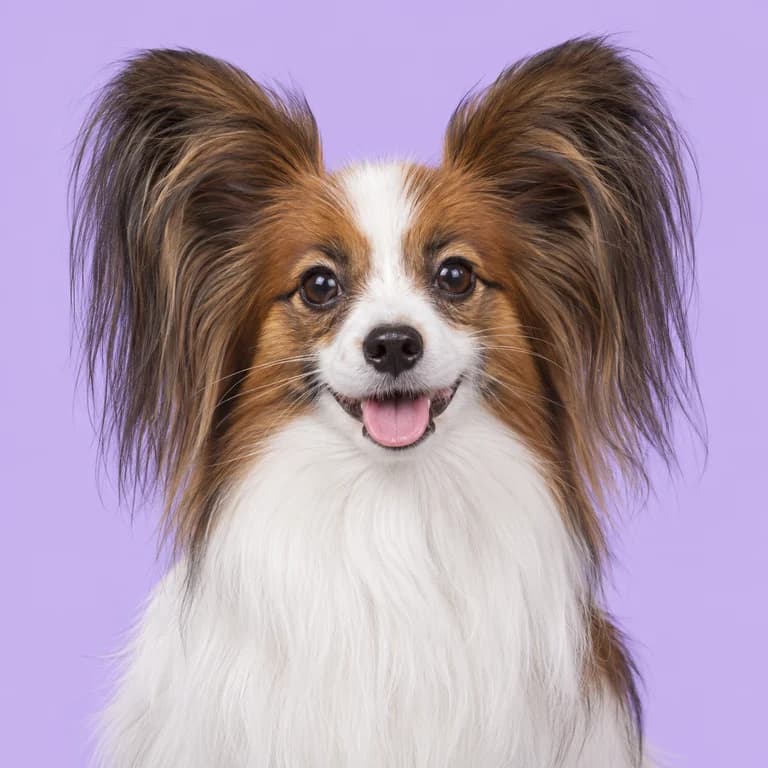
Toy group
Papillon
2 to 5 kg · 13 to 16 years
A butterfly-eared toy spaniel that learns faster than most big dogs and loves showing off what it knows.
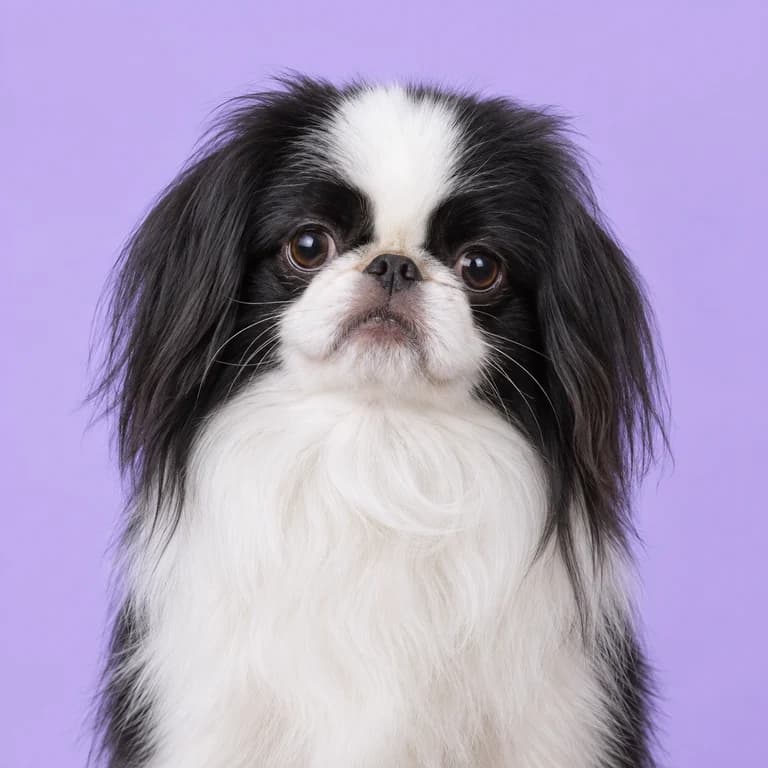
Toy group
Japanese Chin
2 to 5 kg · 10 to 14 years
A quiet, cat-like lap dog that washes its face with its paws and watches from the highest cushion.
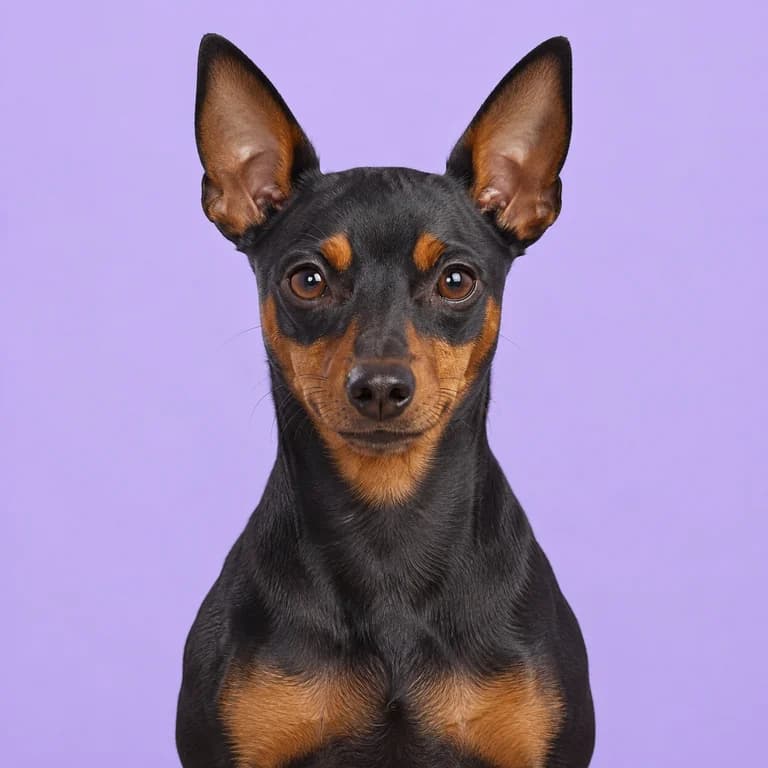
Toy group
Miniature Pinscher
4 to 6 kg · 12 to 16 years
A pint-sized escape artist with a high-stepping trot and a mind that is always two moves ahead.