Sources for this article
Hound group · England
Harrier
Also called English Harrier
A pack hound bred to hunt hare on foot, bigger than a Beagle and more sociable than most dogs you will meet.
The Harrier is an old English scent hound bred to hunt hares in packs, with hunters following on foot or horseback. It sits between the Beagle and the English Foxhound in size and shares their cheerful, sociable and stubborn nature. It is rare as a pet, especially outside Britain, but it can be a wonderful companion for an active household.
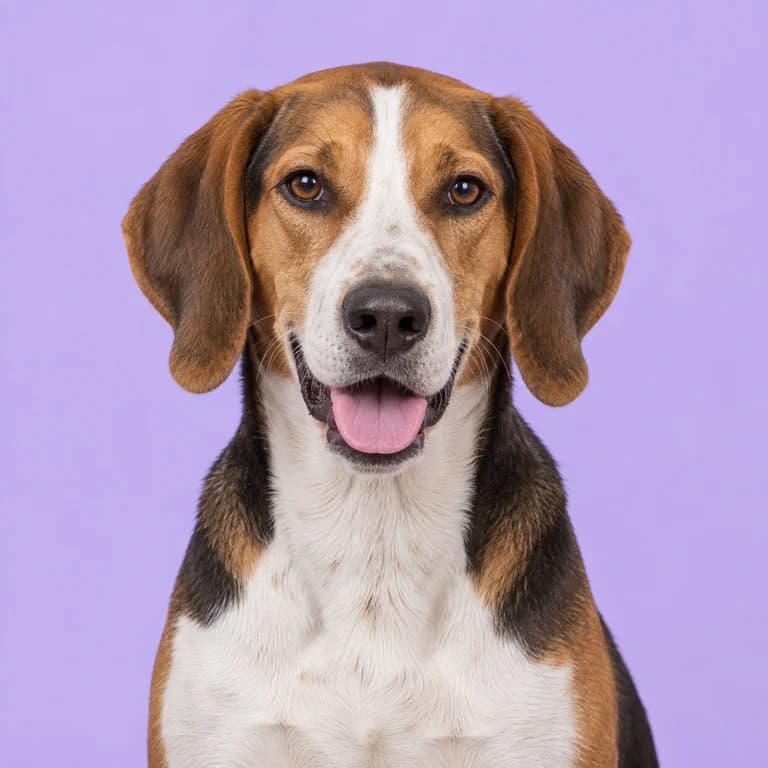
Original AI-generated breed illustration
Weight
20 to 27 kg
44 to 59 lb
Height
46 to 55 cm
at the shoulder
Life expectancy
12 to 15 yrs
Activity estimate
120 to 150 min
editorial daily planning range
Adult-size estimate
15 months
approximate model input
Life with a Harrier
The Harrier's roots run deep into English hunting history. Packs of hounds were chasing hare across the English countryside by the thirteenth century, and one early pack, the Penistone in Yorkshire, is said to have been founded around 1260. Hunters often followed on foot, so the hounds were bred for stamina and a steady nose rather than raw speed, allowing them to work out a hare's twisting, doubling trail over many hours.
Over the centuries the type was refined, probably with some Foxhound blood, until it settled at a size between the Beagle and the English Foxhound. Harriers still hunt in packs in parts of Britain, yet as household pets they remain rare, particularly in North America, where only a few litters are registered in most years. Finding one usually means joining a waiting list or contacting a breed club.
Living with a Harrier is like living with a cheerful, sociable athlete. They love company, human and canine, and aggression toward people or other dogs is rare. They are also deeply independent once they catch a scent, loud when excited, and happiest in a busy household where something is always going on.
Because they were raised and kenneled in packs for centuries, Harriers often find solitude harder than most breeds. A home with another dog, or with people around for much of the day, suits them far better than a quiet flat where they spend long hours alone.
A great match for
- runners and hikers
- homes that already have a dog
- families with active, older children
- experienced hound owners
Think twice if
- follows its nose and ignores recall
- loud baying and howling
- dislikes being left alone
- hard to find from a reputable breeder
Personality and needs at a glance
Living together
Good with children
Good with other dogs
Open with strangers
Apartment friendly
Copes with alone time
Energy and character
Energy level
Playfulness
Easy to train
Barking
5 means very vocal
Care and climate
Grooming needs
Shedding
Drooling
Handles cold
Handles heat
How much a Harrier eats
Illustrative calculations for neutered adults at midpoint breed weights, with food at 370 kcal per 100 g and 100 g per cup. These are not measured breed requirements. Use actual weight, the food label and veterinary body-condition advice.
| Dog | Weight | Calories | Dry food |
|---|---|---|---|
| Female, relaxed lifestyle | 23 kg | 1010 kcal | 275 g (2.8 cups) |
| Female, typical pet | 23 kg | 1160 kcal | 315 g (3.3 cups) |
| Male, typical pet | 25 kg | 1230 kcal | 335 g (3.3 cups) |
| Male, very active | 25 kg | 1540 kcal | 415 g (4.3 cups) |
Care guides for the Harrier
Things owners are often surprised by
- 1One of the earliest recorded English hound packs, the Penistone in Yorkshire, is said to date back to 1260.
- 2The name is thought to come from Old French harier, a word for hunting with hounds.
- 3Stands about 48 to 55 cm (19 to 21.5 in), taller than a Beagle and smaller than an English Foxhound.
- 4Among the least registered breeds in the US, with only a handful of litters in most years.
- 5Centuries of pack life mean most Harriers get along easily with other dogs.
Harrier questions
What is the difference between a Harrier and a Beagle?
They look similar, but the Harrier is noticeably bigger, standing about 48 to 55 cm (19 to 21.5 in) and weighing around 20 to 27 kg, compared with a Beagle's 33 to 41 cm and 9 to 11 kg. Both hunt by scent in packs and share a friendly, stubborn nature. The Harrier needs more exercise and more space.
Are Harriers good pets?
For the right home, yes. Harriers are friendly, gentle with people and usually excellent with other dogs. They need lots of exercise, company and patience with training, and they can be loud. They suit active households, ideally with another dog, and are a poor match for owners who work long hours or live in small apartments.
Why are Harriers so rare?
Most Harriers have been bred for working packs rather than as pets, and breeders focused on hunting ability over popularity. The breed is also overshadowed by its close relatives, the Beagle and the English Foxhound. In the US, only a small number of Harriers are registered each year, so finding a puppy usually requires patience and a waiting list.
Can Harriers live with cats?
Many can, especially if raised with cats from puppyhood. Harriers were bred to trail hares rather than kill vermin, and they tend to be sociable, but some will still chase a running cat. Supervised, gradual introductions work best. Outdoor cats and small pets like rabbits need extra caution because the scenting and chasing instinct is strong.
Do Harriers howl a lot?
Harriers are vocal hounds, and many bay when they catch a scent, when excited or when left alone. The deep, carrying sound can be an issue for close neighbors. Enough exercise, company and scent games reduce it, and teaching a quiet cue helps. Expect some noise as part of the breed rather than a fault to be fully trained out.
Popular answers for owners
- Bowls and feeding gearWhat bowl is best for a French Bulldog?
- Grooming and coatWhy does my dog get mats behind the ears?
- Puppy feeding and growthHow much should a 14 month old puppy eat?
- Grooming and coatWhy does my dog smell like corn chips?
- Exercise and playHow do I know if my dog needs more exercise?
- Exercise and playHow do I teach my dog to settle down after an exciting play session?
Breeds you might compare
Hound group
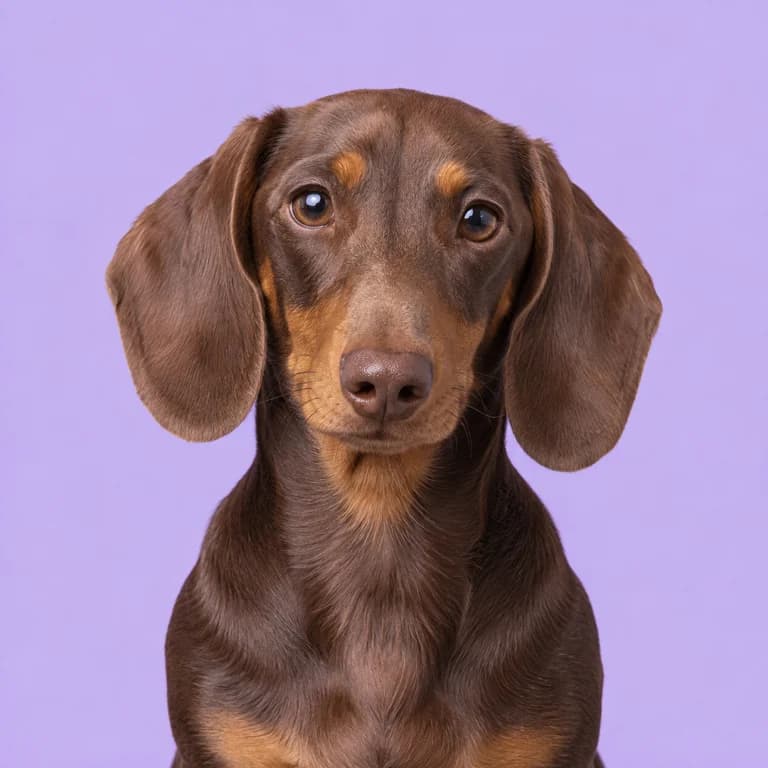
Dachshund
7 to 13 kg · 12 to 16 years
A badger hunter shrunk to lap size, with a long spine that shapes almost every care decision you make.
Hound group
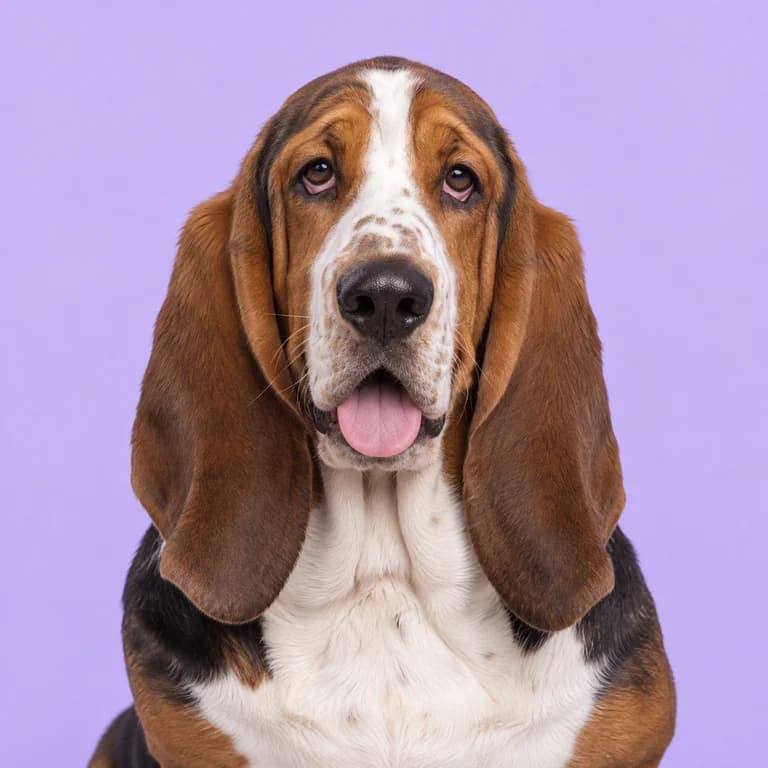
Basset Hound
20 to 29 kg · 10 to 12 years
A scent hound nearly as heavy as a Labrador, built on legs barely 35 cm tall.
Hound group
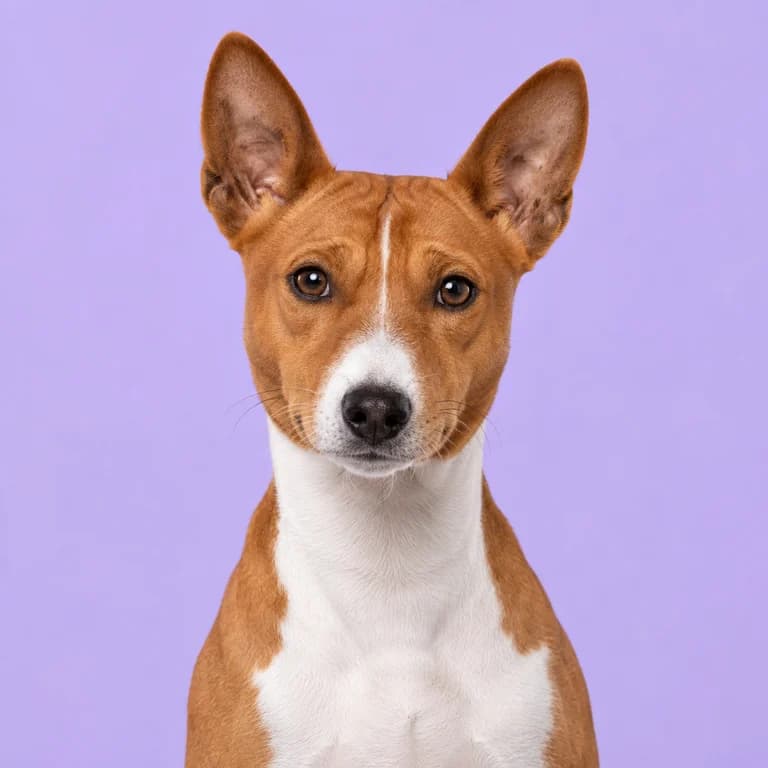
Basenji
9 to 12 kg · 12 to 16 years
A Congo hunting dog of ancient lineage that yodels rather than barks and keeps itself clean like a cat.
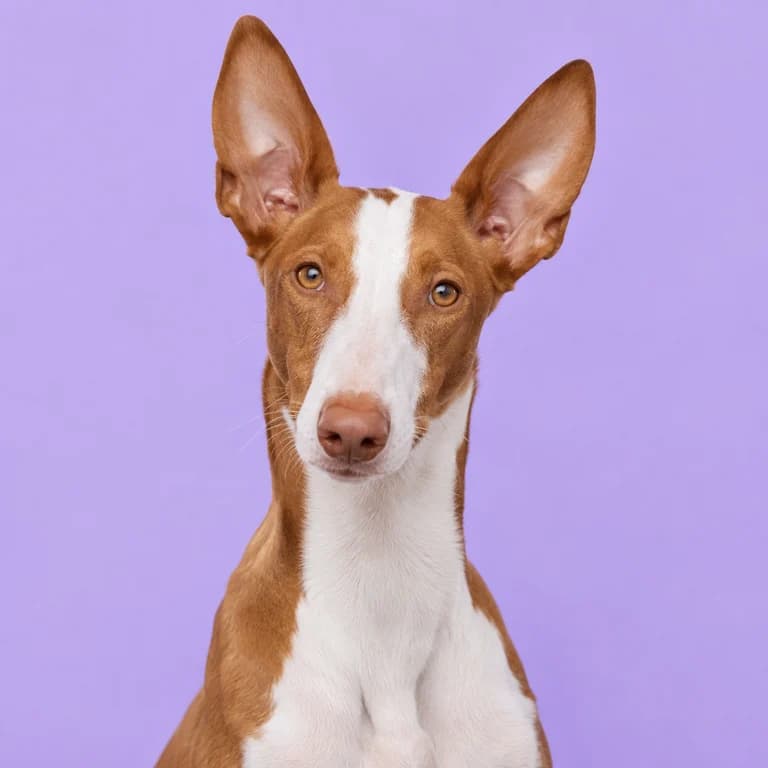
Hound group
Ibizan Hound
19 to 25 kg · 11 to 14 years
A graceful island hunter that tracks rabbits by sight, sound and scent, and clears fences from a standstill.
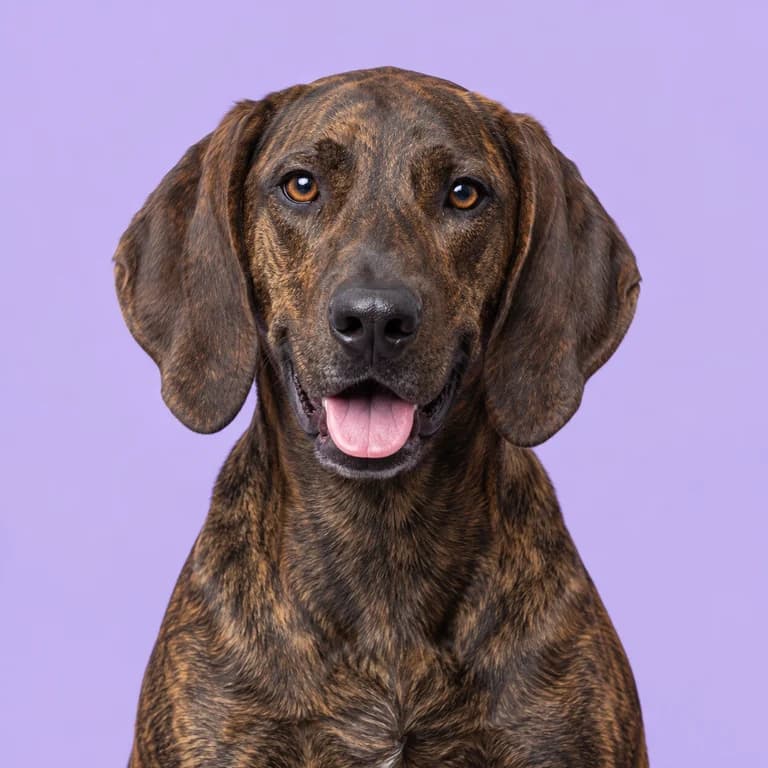
Hound group
Plott Hound
18 to 27 kg · 12 to 14 years
A brindle bear hound from the Great Smoky Mountains, built to trail all night and announce every find.
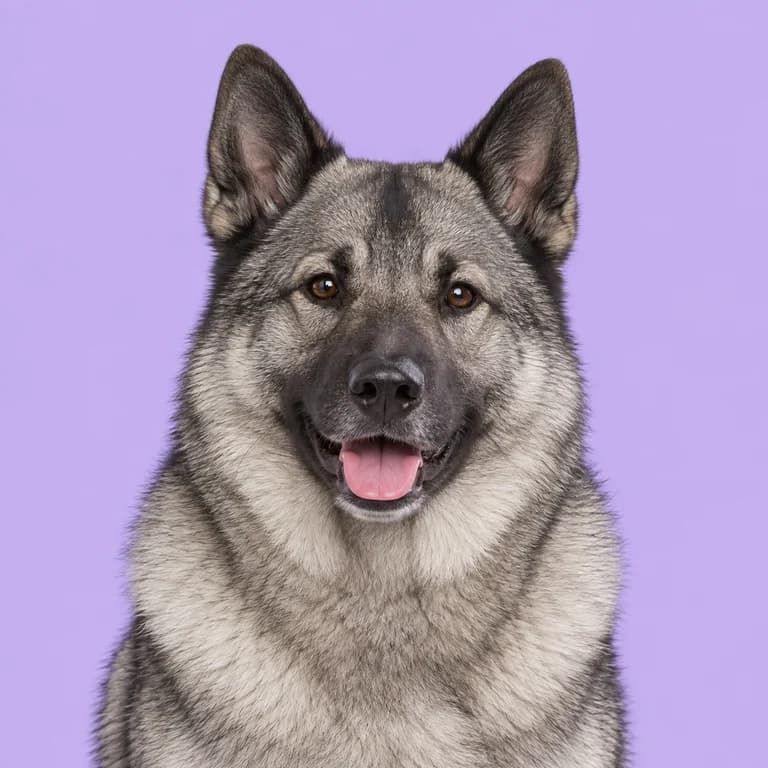
Hound group
Norwegian Elkhound
18 to 25 kg · 12 to 15 years
A silver-grey Nordic hunter bred to find moose and hold them in place with its voice.