Sources for this article
Terrier group · United States
American Staffordshire Terrier
Also called AmStaff, Am Staff
A muscular clown with a soft spot for people, happiest leaning on you or chewing something built to survive it.
The American Staffordshire Terrier is strong, athletic and surprisingly affectionate, a dog that often greets visitors with its whole back end wagging. Its bull and terrier ancestry brings power, persistence and a need for careful management around other dogs. With structured training and plenty of exercise, it makes a devoted and very funny companion.
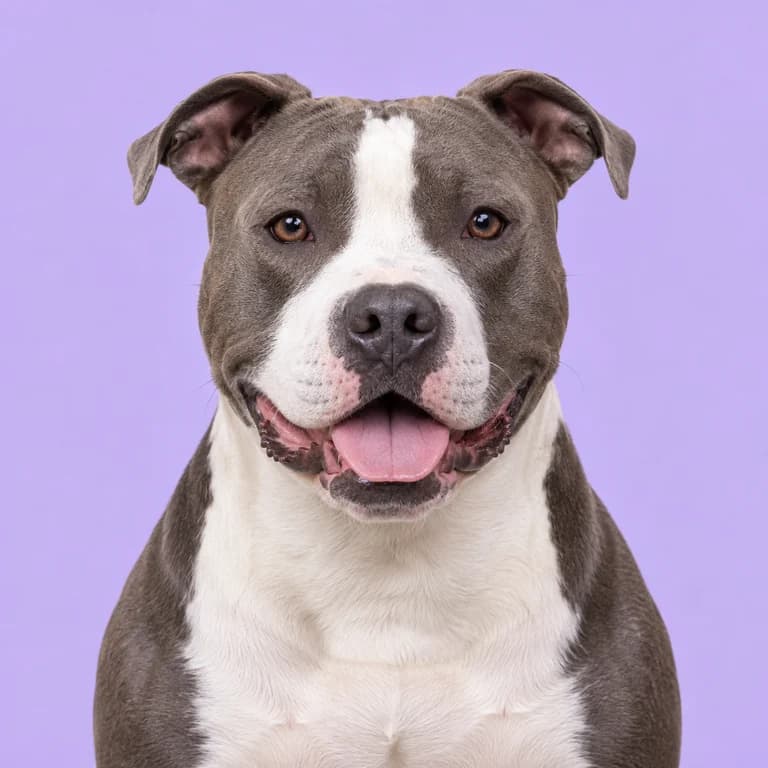
Original AI-generated breed illustration
Weight
18 to 32 kg
40 to 70 lb
Height
43 to 48 cm
at the shoulder
Life expectancy
12 to 15 yrs
Activity estimate
90 to 120 min
editorial daily planning range
Adult-size estimate
24 months
approximate model input
Life with a American Staffordshire Terrier
Start with the word owners use most after living with a good one: soft. The American Staffordshire Terrier looks like a compact bodybuilder, yet many are gentle, clowning dogs that climb into laps they do not fit and wriggle with delight when guests arrive. That people-loving nature sits at the core of the breed.
The roots are less gentle. In 19th-century England, bulldogs and terriers were crossed to create agile, tenacious dogs used in blood sports, and emigrants took them to America, where they were bred somewhat larger and heavier. When the American Kennel Club recognized the breed in 1936, show breeders began selecting for a steady, reliable family dog, and the AmStaff has been bred as its own line since then.
Their history does leave traces. Many AmStaffs are relaxed with dogs they grew up with but can be intolerant of unfamiliar dogs, especially adults of the same sex, and once a scuffle starts they are slow to back off. Responsible owners plan for this with supervised introductions, no crowded dog parks and secure fencing.
At home they are affectionate, playful and often loud snorers. They crave company and cope badly with long hours shut away. Legal status varies: some countries and cities restrict this breed or similar types, and landlords and insurers sometimes do the same, so check before bringing one home.
What stands out
Training
AmStaffs are eager to please their people but also strong-willed, a combination that rewards fair, consistent training. They respond best to food, play and praise, and they turn stubborn or worried with harsh handling. Five minute sessions scattered through the day work beautifully.
Read the full training guideEasy to train
Open with strangers
Good with other dogs
A great match for
- active owners who want an affectionate, people-focused dog
- homes where the dog is the only pet or lives with one known dog
- people who enjoy daily training and games
- families with sensible children
Think twice if
- can be intolerant of unfamiliar dogs
- very strong on the lead if not trained early
- prone to skin allergies
- legal restrictions in some countries, cities and rental agreements
Personality and needs at a glance
Living together
Good with children
Good with other dogs
Open with strangers
Apartment friendly
Copes with alone time
Energy and character
Energy level
Playfulness
Easy to train
Barking
5 means very vocal
Care and climate
Grooming needs
Shedding
Drooling
Handles cold
Handles heat
How much an American Staffordshire Terrier eats
Illustrative calculations for neutered adults at midpoint breed weights, with food at 370 kcal per 100 g and 100 g per cup. These are not measured breed requirements. Use actual weight, the food label and veterinary body-condition advice.
| Dog | Weight | Calories | Dry food |
|---|---|---|---|
| Female, relaxed lifestyle | 22 kg | 980 kcal | 265 g (2.8 cups) |
| Female, typical pet | 22 kg | 1120 kcal | 300 g (3 cups) |
| Male, typical pet | 29 kg | 1380 kcal | 375 g (3.8 cups) |
| Male, very active | 29 kg | 1730 kcal | 465 g (4.8 cups) |
Care guides for the American Staffordshire Terrier
Things owners are often surprised by
- 1The AKC recognized the breed in 1936 as the Staffordshire Terrier; 'American' was added in 1972 to separate it from the smaller Staffordshire Bull Terrier.
- 2Adults stand only about 43 to 48 cm (17 to 19 in) tall but can weigh over 30 kg (66 lb).
- 3Many early AmStaffs were also registered as American Pit Bull Terriers, and the two share foundation bloodlines.
- 4A DNA test exists for cerebellar cortical degeneration (NCL-A), an inherited neurological condition in the breed.
- 5Several countries and regions restrict ownership or import, so local rules must be checked before buying.
American Staffordshire Terrier questions
Is an American Staffordshire Terrier the same as a pit bull?
They are closely related but not identical. Both descend from the same bull and terrier dogs, and for years some dogs were registered as both. Since 1936, AmStaffs have been bred to a kennel club show standard emphasizing a consistent look and steady temperament, while the American Pit Bull Terrier developed separately. 'Pit bull' is also used loosely for several breeds and mixes, which causes much of the confusion.
Are American Staffordshire Terriers good with children?
Well-bred, well-socialized AmStaffs are often wonderfully tolerant and affectionate with children in their own family. The main risks are physical: a strong, bouncy adolescent can knock over a small child, and exuberant tug games need adult rules. As with any breed, never leave young children and dogs unsupervised, and teach children to let a resting or eating dog be.
Can an AmStaff live with another dog?
Many live happily with another dog, most often one of the opposite sex that they grew up with or were introduced to carefully. Same-sex pairs of adults carry more risk of serious fights. Introduce on neutral ground, feed separately, pick up high-value toys, and supervise play until you know both dogs well. Some individuals are simply happiest as the only dog.
Why does my AmStaff lean on me?
Leaning is classic AmStaff behavior. These dogs love physical contact, and pressing their weight against your legs is usually a sign of affection or a request for attention. Some also lean when unsure in a new place, using you as a secure base. If leaning comes with trembling, yawning or trying to hide, your dog may be anxious and could benefit from a calmer setting.
Do any countries restrict American Staffordshire Terriers?
Yes. Rules vary widely and change over time. Denmark and several German states, among others, restrict or ban the breed, and some countries limit import. In the UK the breed is not named, but dogs judged to be of 'pit bull terrier' type are banned. Always check current national and local rules, rental agreements and insurance terms before buying or traveling with an AmStaff.
Popular answers for owners
- Exercise and playHow much exercise does a low energy breed need?
- Grooming and coatWhat is a puppy cut?
- Bowls and feeding gearHow do I know if my dog's bowl is too low?
- Exercise and playHow do I introduce a nervous dog to water?
- Puppy feeding and growthHow long does it take to switch a puppy to a new food?
- Puppy feeding and growthHow do I feed two puppies from the same litter together?
Breeds you might compare
Terrier group
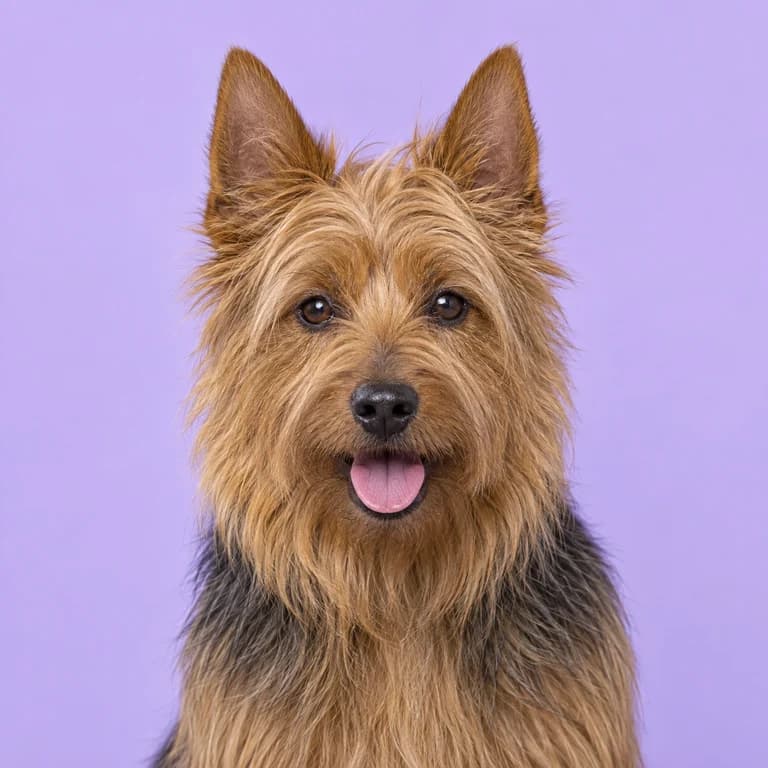
Australian Terrier
5 to 8 kg · 12 to 15 years
A sturdy little terrier from the Australian bush with big-dog confidence and a deeply devoted streak.
Terrier group
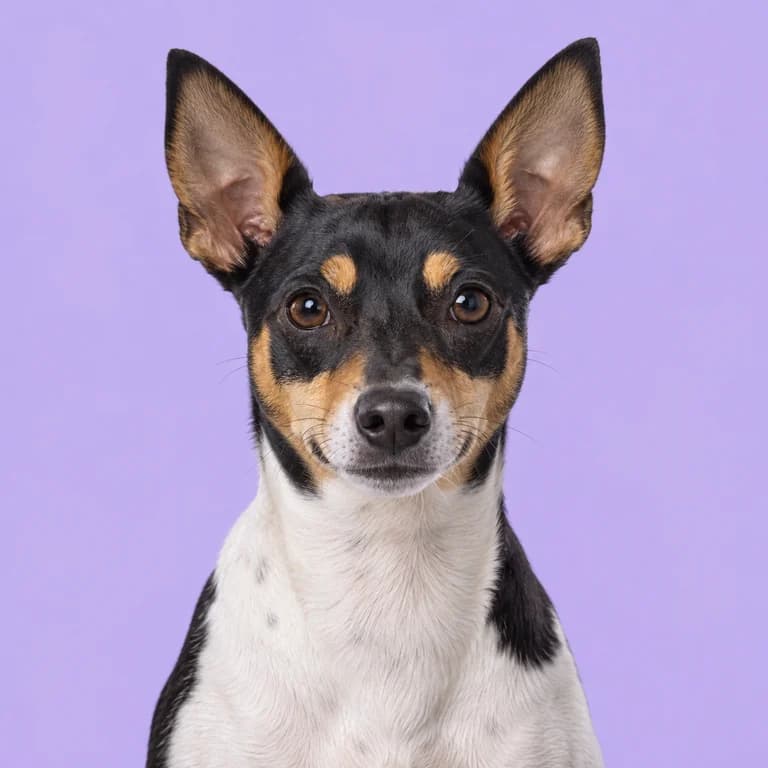
Rat Terrier
4 to 11 kg · 12 to 18 years
A compact American farm terrier that comes in two sizes and handles barn work and sofa duty equally well.
Terrier group
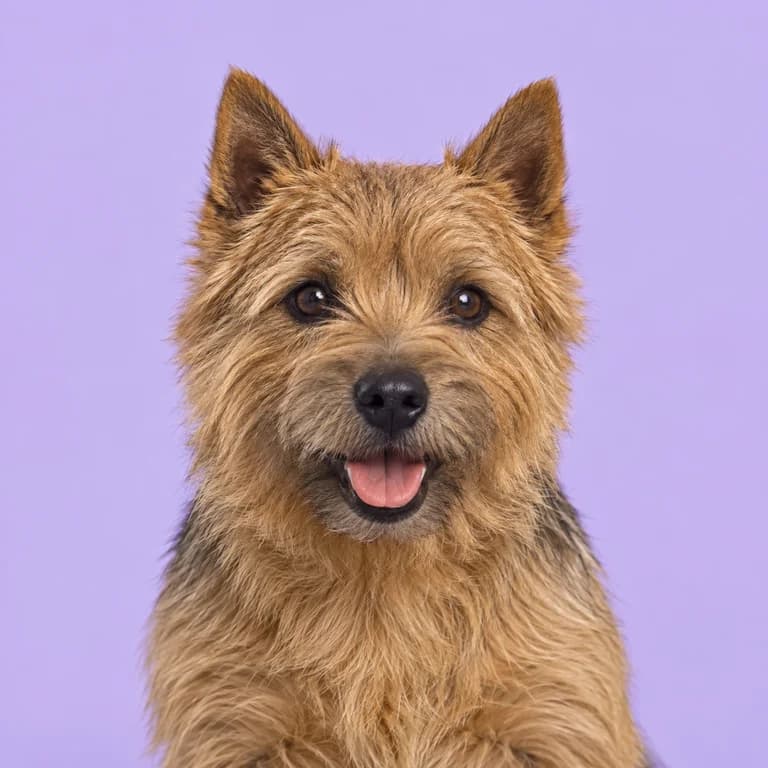
Norwich Terrier
5 to 6 kg · 12 to 15 years
One of the smallest working terriers, a big-dog attitude packed into about 5 kg of solid muscle.
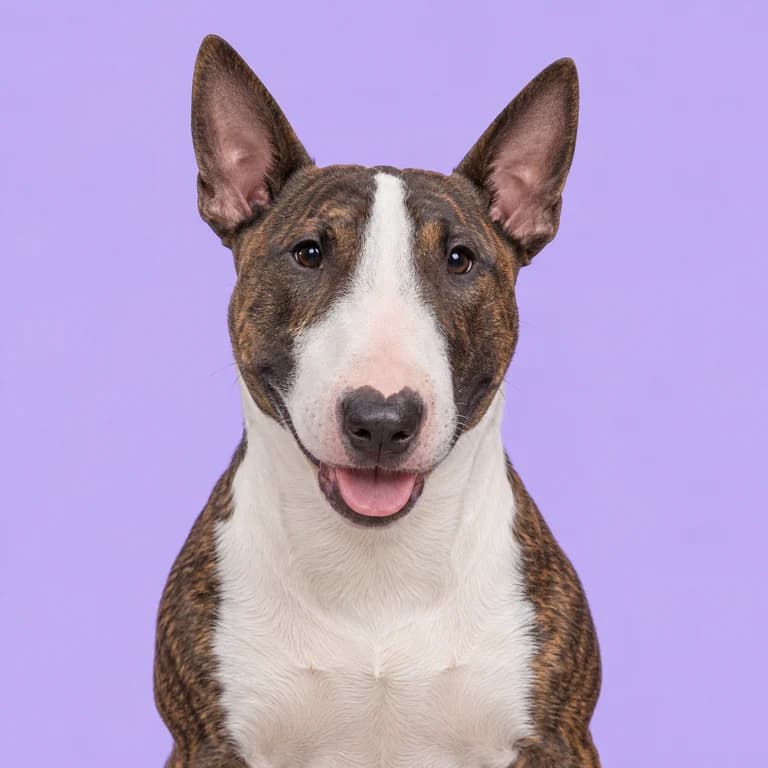
Terrier group
Miniature Bull Terrier
9 to 15 kg · 11 to 14 years
An egg-shaped head, a triangular wink of an eye and a personality far bigger than its compact frame.
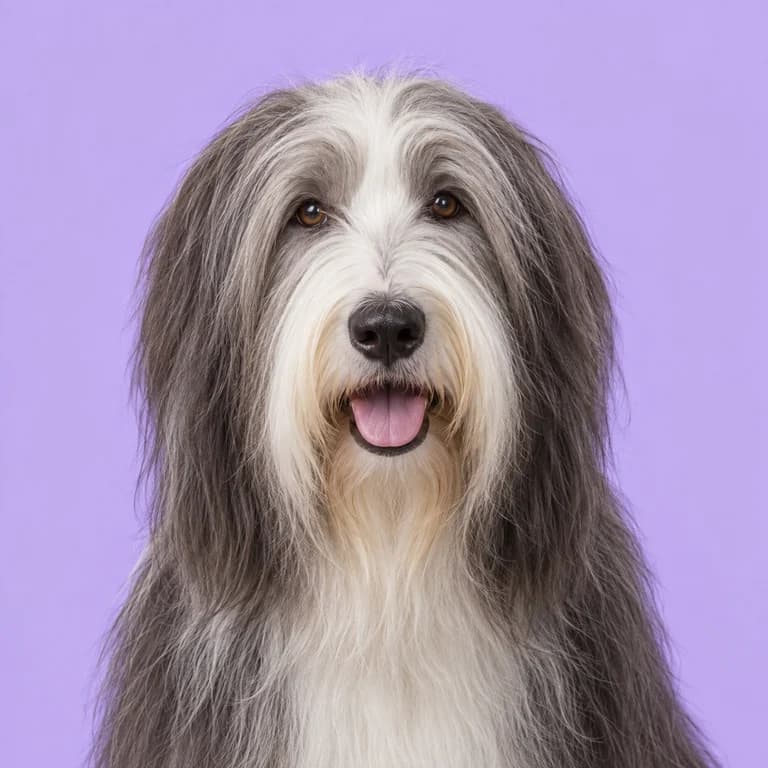
Herding group
Bearded Collie
18 to 25 kg · 12 to 14 years
A shaggy Scottish drover with a bounce in every step and a sense of humor to match.
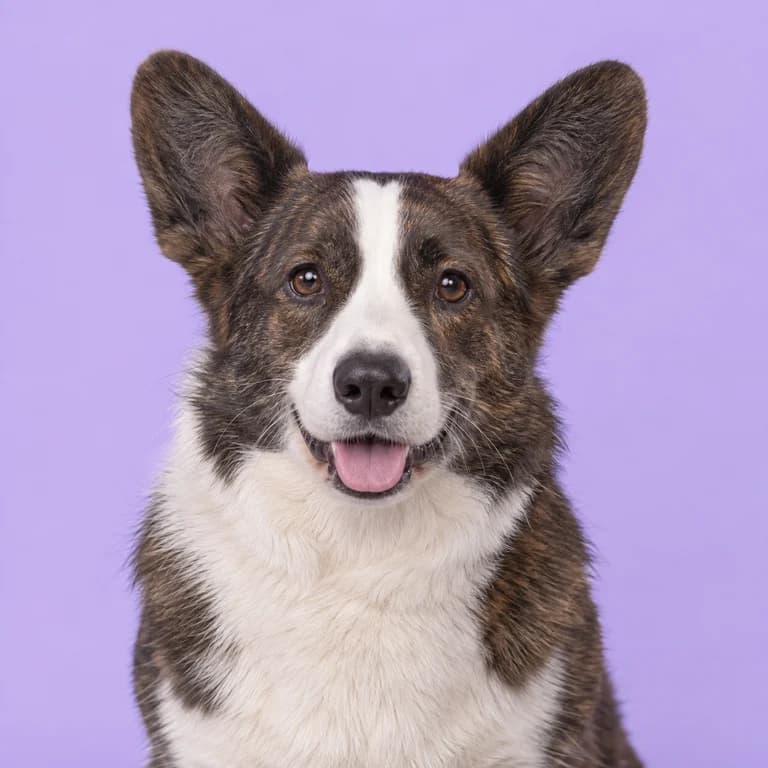
Herding group
Cardigan Welsh Corgi
12 to 17 kg · 12 to 15 years
The older, long-tailed corgi from the Welsh hills, built low to drive cattle and still thinking like a farmhand.