Sources for this article
Terrier group · England
Bedlington Terrier
Also called Rothbury Terrier, Bedlington
A terrier that looks like a lamb, runs like a whippet and needs a scissor-shaped trim every few weeks.
The Bedlington comes from the mining country of Northumberland, where it hunted vermin and was prized for speed and tenacity. Its curly, lamb-like coat hardly sheds but needs regular clipping and shaping. Underneath, it is a lively, affectionate terrier with plenty of determination.
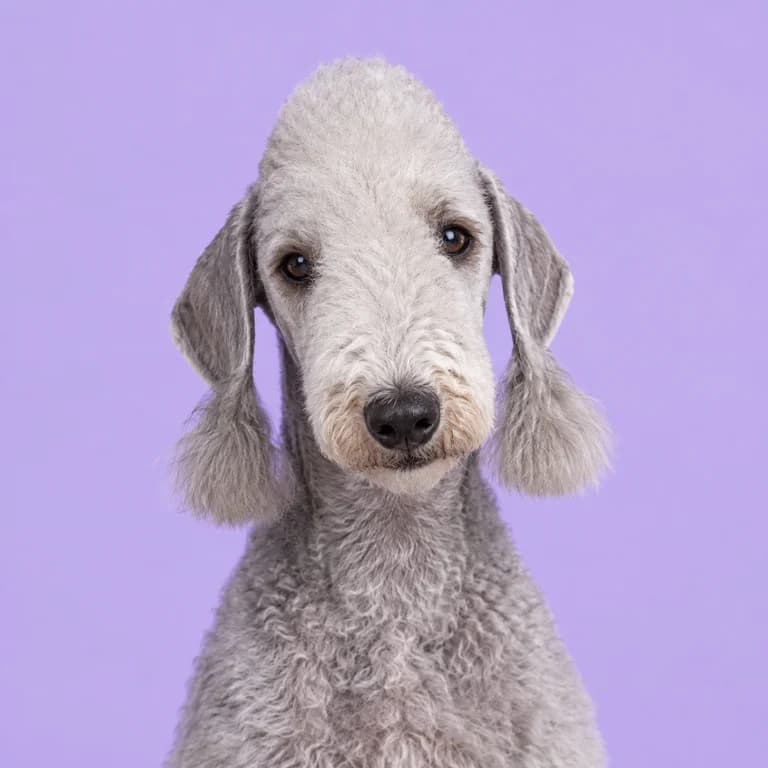
Original AI-generated breed illustration
Weight
8 to 10 kg
18 to 22 lb
Height
38 to 44 cm
at the shoulder
Life expectancy
12 to 16 yrs
Activity estimate
90 to 120 min
editorial daily planning range
Adult-size estimate
12 months
approximate model input
Life with a Bedlington Terrier
Most people meeting a Bedlington for the first time think they are looking at a lamb. The curly, pale coat and pear-shaped head give a soft appearance, but beneath it is a terrier with a hunter's heart. In the coal mining villages of Northumberland, these dogs were used to catch rats and rabbits and were admired for speed and courage.
The breed was first known as the Rothbury Terrier, and early dogs are often credited to the Rothbury area and later to the town of Bedlington. Some historians suggest links with whippets, Dandie Dinmont Terriers or Otterhounds, but records are limited. Traveling people and poachers are said to have valued the breed for its quick, quiet hunting ability.
At home, Bedlingtons are affectionate, playful and gentle, often enjoying a cuddle on the sofa after an active walk. They are generally good with people but may be feisty with unfamiliar dogs, and their terrier instincts mean they may chase small animals. They are clever and sensitive, and they do best with patient, fair training.
Owners often describe the breed as having two gears. Indoors, a Bedlington drapes itself over cushions and follows you quietly from room to room. Outside, the arched back and long legs power a springing gallop, and a rabbit on the horizon can switch the dog into hunting mode in a heartbeat. Plan your life around both sides of that personality.
What stands out
Grooming
Grooming is the defining part of Bedlington care. The coat grows continuously and does not shed much, so it needs brushing two or three times a week with a slicker brush and comb to prevent mats, especially behind the ears, under the legs and on the chest. A professional trim every 6 to 8 weeks keeps the characteristic shape, with a rounded head, tasseled ears and a smooth outline over the arched back.
Read the full grooming guideIllustrative grooming schedule based on our editorial coat-care score. Adjust it to the individual coat and professional advice.
Brushing
Daily
Bathing
Every 3 to 6 weeks
Shedding
Minimal
Nail trim
Every 3 to 4 weeks
A great match for
- owners who enjoy grooming or professional grooming visits
- people wanting a low-shedding dog
- active households
- families with older children
Think twice if
- regular professional grooming costs
- strong chasing instinct
- copper storage disease in the breed
- sometimes feisty with unfamiliar dogs
Personality and needs at a glance
Living together
Good with children
Good with other dogs
Open with strangers
Apartment friendly
Copes with alone time
Energy and character
Energy level
Playfulness
Easy to train
Barking
5 means very vocal
Care and climate
Grooming needs
Shedding
Drooling
Handles cold
Handles heat
How much a Bedlington Terrier eats
Illustrative calculations for neutered adults at midpoint breed weights, with food at 370 kcal per 100 g and 100 g per cup. These are not measured breed requirements. Use actual weight, the food label and veterinary body-condition advice.
| Dog | Weight | Calories | Dry food |
|---|---|---|---|
| Female, relaxed lifestyle | 9 kg | 510 kcal | 140 g (1.5 cups) |
| Female, typical pet | 9 kg | 580 kcal | 155 g (1.5 cups) |
| Male, typical pet | 9 kg | 580 kcal | 155 g (1.5 cups) |
| Male, very active | 9 kg | 730 kcal | 195 g (2 cups) |
Care guides for the Bedlington Terrier
Things owners are often surprised by
- 1Originally known as the Rothbury Terrier, after the town in Northumberland
- 2Puppies are born dark and lighten over the first year
- 3The coat is clipped and scissored every 6 to 8 weeks to keep its shape
- 4Known for a genetic copper storage disease, now tested for by DNA
- 5Can gallop at high speed thanks to a flexible, arched back
Bedlington Terrier questions
Do Bedlington Terriers shed?
They shed very little, which is why many people with mild allergies consider them. However, no dog is completely hypoallergenic, and the coat needs regular brushing and clipping to prevent mats. If allergies are a concern, spend time with Bedlingtons before committing.
Why does a Bedlington Terrier look like a lamb?
The lamb-like look comes from the curly coat, pale color and a special grooming style that shapes a rounded head and a smooth outline over the arched back. Tassels are left on the ears. Without grooming, the coat would grow long and shaggy.
What is copper toxicosis in Bedlington Terriers?
It is an inherited condition where copper builds up in the liver, which can lead to liver disease. A DNA test is available, and responsible breeders test breeding dogs to avoid producing affected puppies. Ask for test results before buying a puppy.
Are Bedlington Terriers good with other dogs?
Many get on well with dogs they know, but some can be feisty with unfamiliar dogs, especially of the same sex. Early socialization and supervised introductions help. Their terrier instincts mean they may chase small animals.
How often does a Bedlington need grooming?
Brush two or three times a week and plan for a full trim every 6 to 8 weeks. Many owners use a professional groomer familiar with the breed's style. Regular grooming prevents mats and keeps the characteristic lamb-like look.
Popular answers for owners
- How much to feedHow much more should I feed a dog that swims regularly?
- How much to feedHow much should I feed a 40kg dog?
- How much to feedHow much should I feed a 70kg dog?
- Grooming and coatHow often should I bathe my dog?
- Puppy feeding and growthWhen should a giant breed puppy switch to adult food?
- Bowls and feeding gearIs a bigger bowl always better for dogs?
Breeds you might compare
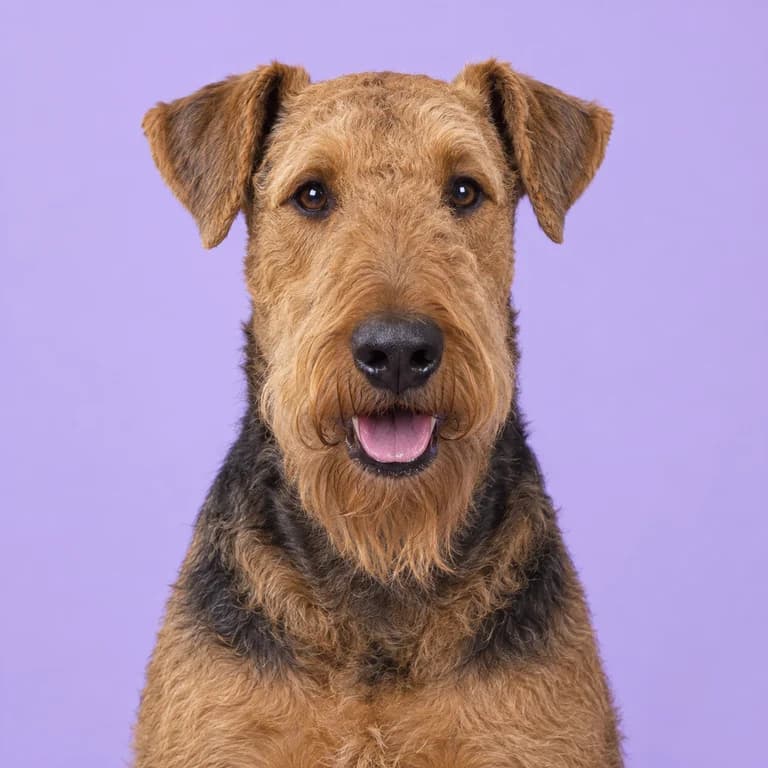
Terrier group
Airedale Terrier
18 to 29 kg · 11 to 14 years
The largest terrier, bred by Yorkshire workers to hunt otters and rats, and later trusted with wartime messages.
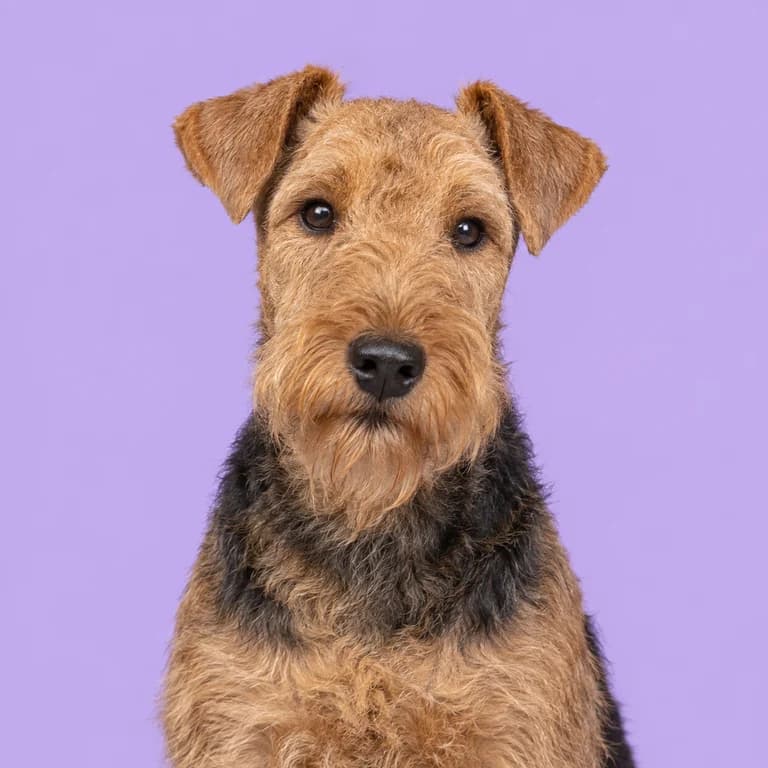
Terrier group
Lakeland Terrier
6 to 8 kg · 12 to 16 years
A small, bold fell terrier from the Lake District that learns fast, forgets nothing and negotiates every rule.
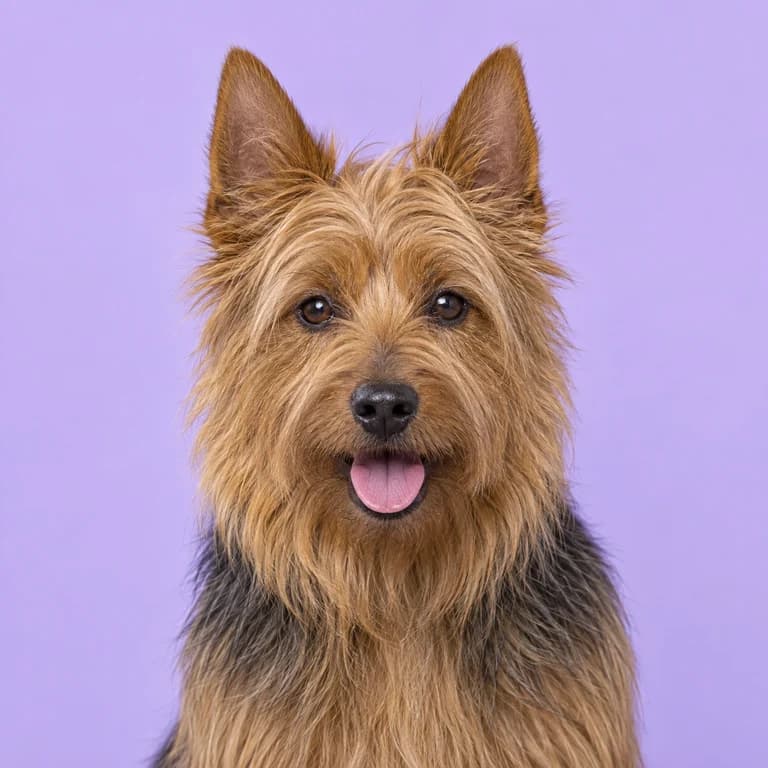
Terrier group
Australian Terrier
5 to 8 kg · 12 to 15 years
A sturdy little terrier from the Australian bush with big-dog confidence and a deeply devoted streak.
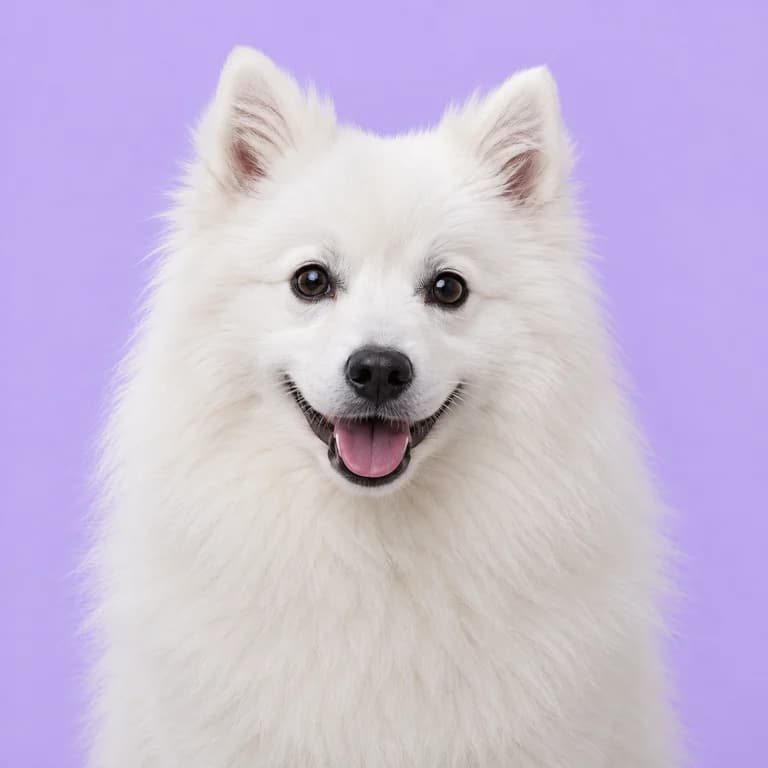
Non-sporting group
Japanese Spitz
5 to 10 kg · 12 to 16 years
A snow-white spitz with a cheerful, people-centered nature and a coat that sheds dirt better than you would expect.
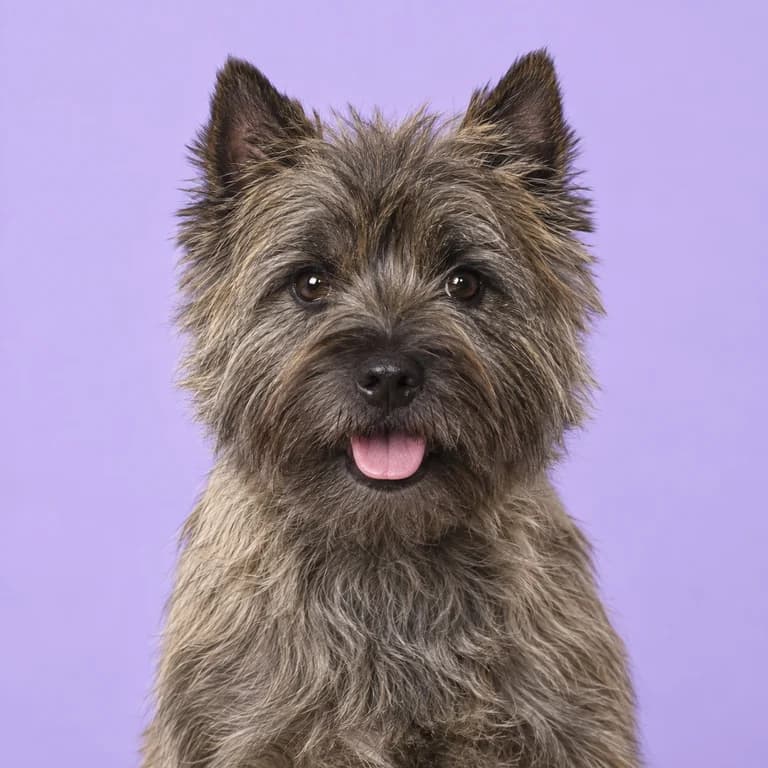
Terrier group
Cairn Terrier
6 to 8 kg · 13 to 15 years
A shaggy, fox-faced Highland terrier with a confident mind of its own and endless curiosity.
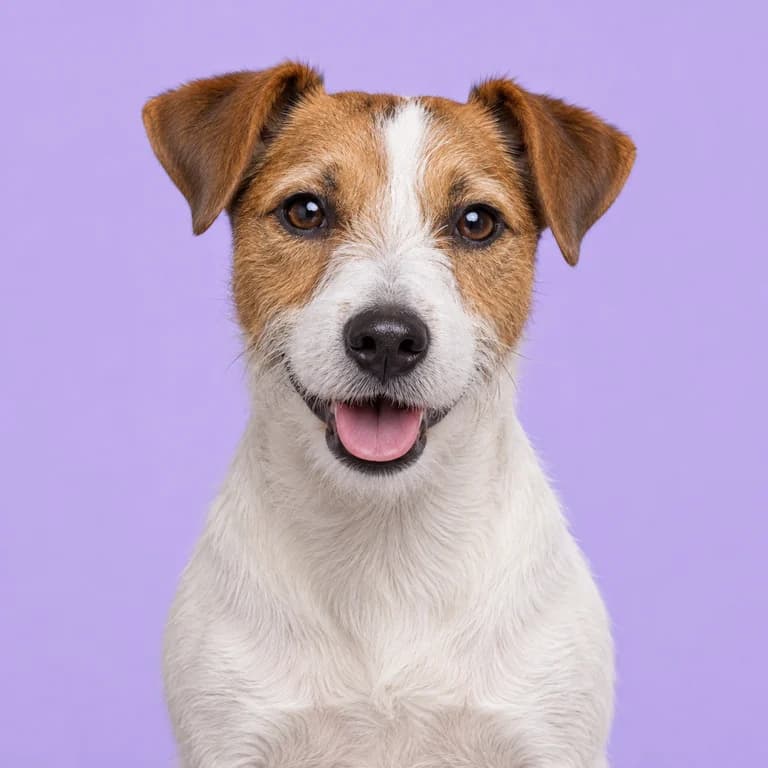
Terrier group
Jack Russell Terrier
5 to 7 kg · 13 to 16 years
A pocket-sized hunter with a huge work ethic that will train you if you do not train it first.