Sources for this article
Terrier group · England
Lakeland Terrier
Also called Lakie, Lakeland
A small, bold fell terrier from the Lake District that learns fast, forgets nothing and negotiates every rule.
Lakeland Terriers were bred by farmers in the English Lake District to follow hunts across steep, rocky fells and bolt foxes that preyed on lambs. The modern Lakie is a sturdy, cheerful and very clever small dog. It is fun to train and hard to outsmart, and its wiry coat needs more care than its size suggests.

Original AI-generated breed illustration
Weight
6 to 8 kg
13 to 18 lb
Height
32 to 37 cm
at the shoulder
Life expectancy
12 to 16 yrs
Activity estimate
90 to 120 min
editorial daily planning range
Adult-size estimate
12 months
approximate model input
Life with a Lakeland Terrier
Hill farmers in the Lake District didn't need a pretty terrier. They needed one tough enough to follow hounds for miles over steep, stony fells and narrow enough to push into rock crevices where foxes hid. Foxes killed lambs, and the local packs hunted on foot across country too rough for horses. The terriers that could keep up, go to ground and hold their own became the ancestors of the Lakeland.
For generations these dogs were bred for work with little concern for pedigree, and several local names were used; in some valleys the type is said to have been called the Elterwater terrier. Owners organized breed clubs in the early 20th century, and the Kennel Club in Britain recognized the Lakeland Terrier in 1928. It later proved a formidable show dog, taking Best in Show at both Crufts and Westminster.
What remains today is a compact, square little dog with a confident strut and a lively, whiskered face. Lakelands are cheerful, curious and playful well into old age. They are affectionate with their families and generally friendly with visitors, but they hold strong opinions on everything, including where digging is allowed and whether that squirrel deserves a chase.
Training defines life with a Lakie. It learns remarkably fast and delights in solving problems, which works beautifully when you guide that talent and badly when you don't. A Lakeland with a job, whether trick training, agility or scent work, is a joy. One that makes up its own jobs tends to choose barking, digging and escape artistry.
What stands out
Training
Lakelands are among the quickest learners in the terrier group, which is exactly why they can be tricky. They grasp what you want within a few repetitions, then test whether the rule still applies when you are distracted or when something more interesting appears. Consistency matters more than volume: the same rule, rewarded the same way, every time.
Read the full training guideEasy to train
Open with strangers
Good with other dogs
A great match for
- active individuals and families
- people who enjoy training games and dog sports
- smaller homes with daily outings
- owners who like a dog with plenty of personality
Think twice if
- strong prey drive toward small pets
- can be scrappy with other dogs
- digging and escaping
- coat needs stripping or clipping
- keen barker at doors and windows
Personality and needs at a glance
Living together
Good with children
Good with other dogs
Open with strangers
Apartment friendly
Copes with alone time
Energy and character
Energy level
Playfulness
Easy to train
Barking
5 means very vocal
Care and climate
Grooming needs
Shedding
Drooling
Handles cold
Handles heat
How much a Lakeland Terrier eats
Illustrative calculations for neutered adults at midpoint breed weights, with food at 370 kcal per 100 g and 100 g per cup. These are not measured breed requirements. Use actual weight, the food label and veterinary body-condition advice.
| Dog | Weight | Calories | Dry food |
|---|---|---|---|
| Female, relaxed lifestyle | 7 kg | 400 kcal | 110 g (1 cups) |
| Female, typical pet | 7 kg | 460 kcal | 125 g (1.3 cups) |
| Male, typical pet | 8 kg | 510 kcal | 135 g (1.3 cups) |
| Male, very active | 8 kg | 630 kcal | 170 g (1.8 cups) |
Care guides for the Lakeland Terrier
Things owners are often surprised by
- 1Originated in the old county of Cumberland, now part of Cumbria, in northwest England
- 2Worked alongside foxhound packs that hunted on foot over rough fell country
- 3A narrow chest let it squeeze into rock crevices and fox dens
- 4Said to have been known locally as the Elterwater terrier before the Lakeland name was settled
- 5Has won Best in Show at both Crufts and Westminster
- 6Hand-stripping every three to four months keeps the coat harsh and richly colored
Lakeland Terrier questions
Do Lakeland Terriers shed?
Very little. The wiry outer coat holds dead hair rather than dropping it around the house, which is why it needs stripping or clipping. Some people with mild allergies find Lakelands easier to live with, although no dog is completely allergen-free. If allergies are a concern, spend time with an adult Lakeland before committing.
What is the difference between a Lakeland Terrier and a Welsh Terrier?
They look similar, especially in black and tan, but they are separate breeds. The Welsh Terrier is slightly larger and comes only in black and tan or grizzle and tan. The Lakeland is a little smaller, comes in many more colors including red, wheaten and blue, and tends to have a more compact outline.
Can Lakeland Terriers live with cats?
Many live happily with cats they are raised with. The prey drive is real, though, and outdoor or unfamiliar cats may well be chased. Introduce slowly, supervise, and give the cat escape routes and high places. Small pets such as rabbits, guinea pigs and hamsters are usually best kept completely separate from a Lakeland.
What does hand-stripping involve for a Lakeland Terrier?
Hand-stripping means pulling out dead outer hairs by hand or with a stripping knife so a new harsh coat can grow in. Done correctly, it doesn't hurt, since the hair being removed is already loose. A full strip is usually needed every three to four months, with lighter tidying in between. Many groomers charge more for stripping because it takes longer than clipping.
Are Lakeland Terriers good with children?
Generally, yes, with respectful children. Lakelands are playful, sturdy for their size and love games, which suits active families. Like most terriers, they won't put up with rough handling, so teach children to be gentle and to leave the dog alone while it eats or rests. Always supervise young kids and puppies together.
Popular answers for owners
- Bowls and feeding gearShould puppies and adult dogs eat from separate bowls?
- Puppy feeding and growthHow do I know if my puppy's diet has enough nutrients for growth?
- Bowls and feeding gearDo feeding mats stop bowls from sliding?
- Bowls and feeding gearHow do I remove mineral buildup from a water bowl?
- Exercise and playWhat are the signs of heatstroke during exercise?
- Exercise and playIs it safe to bike with my dog running alongside me?
Breeds you might compare
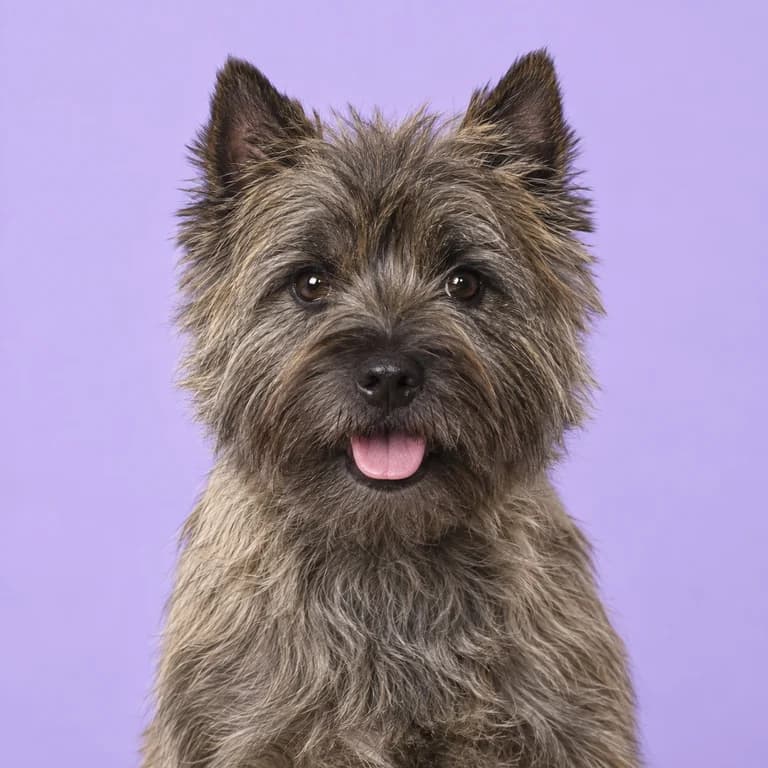
Terrier group
Cairn Terrier
6 to 8 kg · 13 to 15 years
A shaggy, fox-faced Highland terrier with a confident mind of its own and endless curiosity.
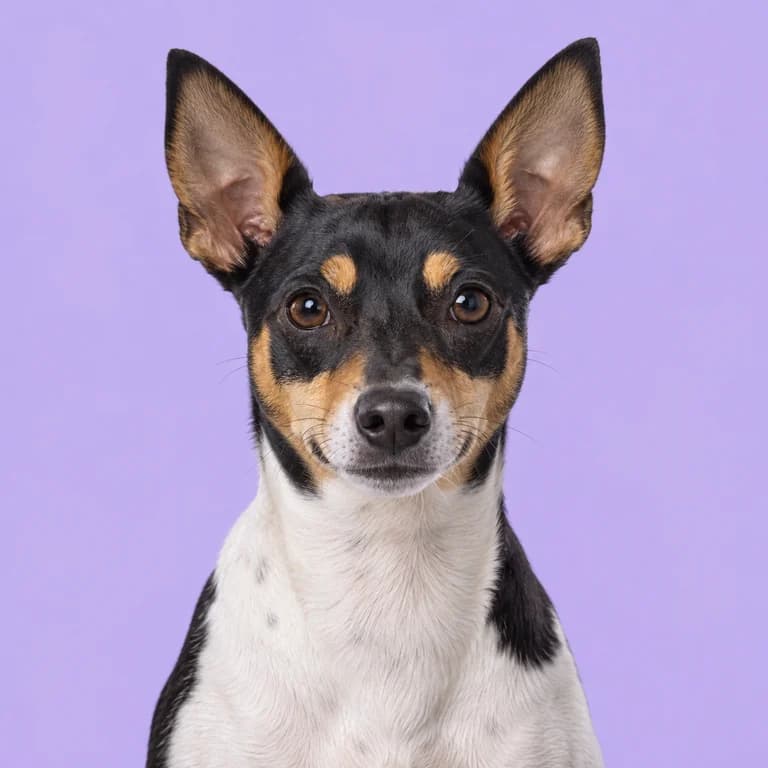
Terrier group
Rat Terrier
4 to 11 kg · 12 to 18 years
A compact American farm terrier that comes in two sizes and handles barn work and sofa duty equally well.
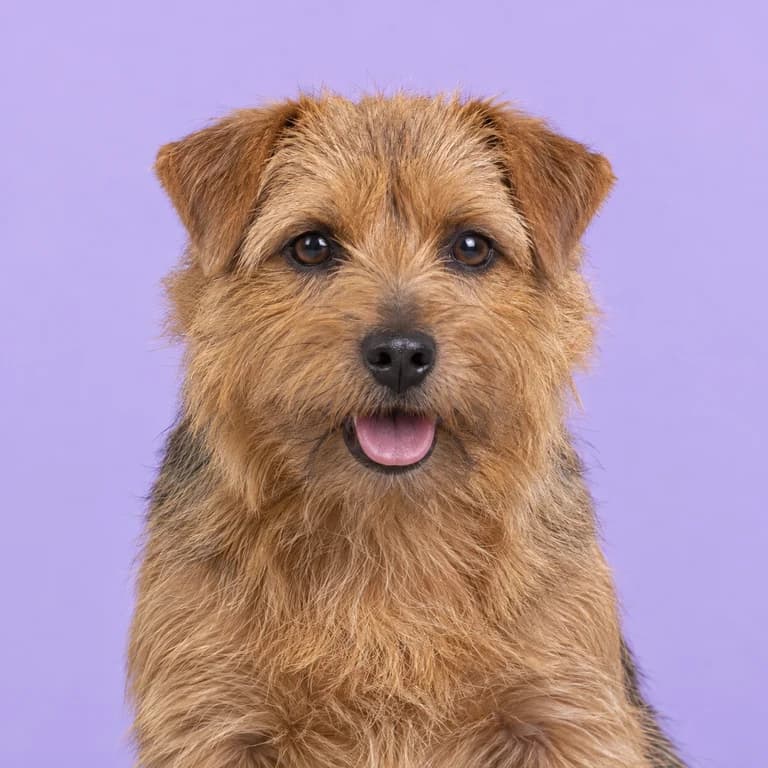
Terrier group
Norfolk Terrier
5 to 6 kg · 12 to 15 years
One of the smallest working terriers, low and sturdy, with folded ears and a notably sociable nature.
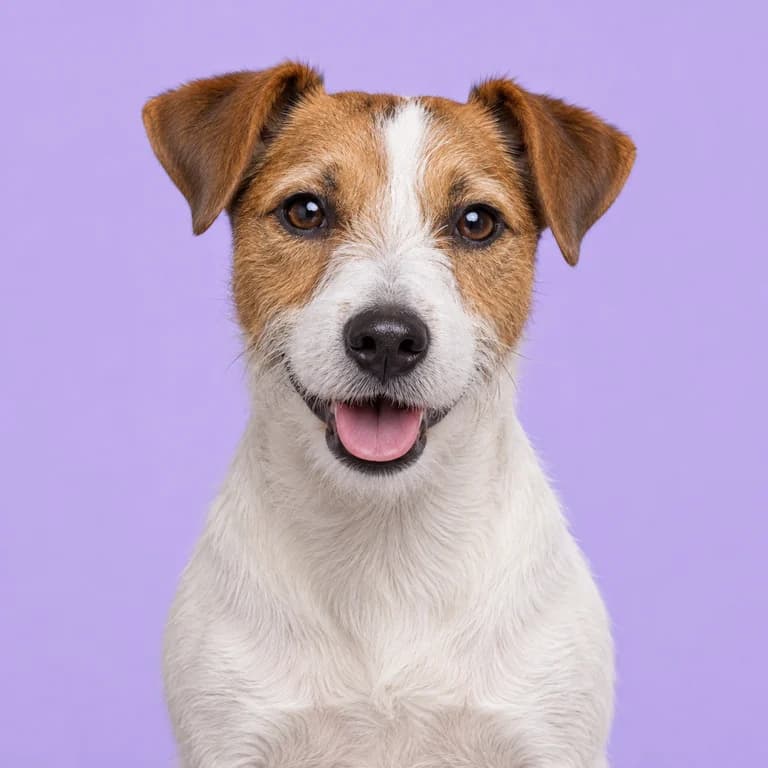
Terrier group
Jack Russell Terrier
5 to 7 kg · 13 to 16 years
A pocket-sized hunter with a huge work ethic that will train you if you do not train it first.

Non-sporting group
German Spitz
5 to 11 kg · 13 to 15 years
One of central Europe's oldest farm watchdogs, the German Spitz still guards the doorstep with its voice.
Terrier group
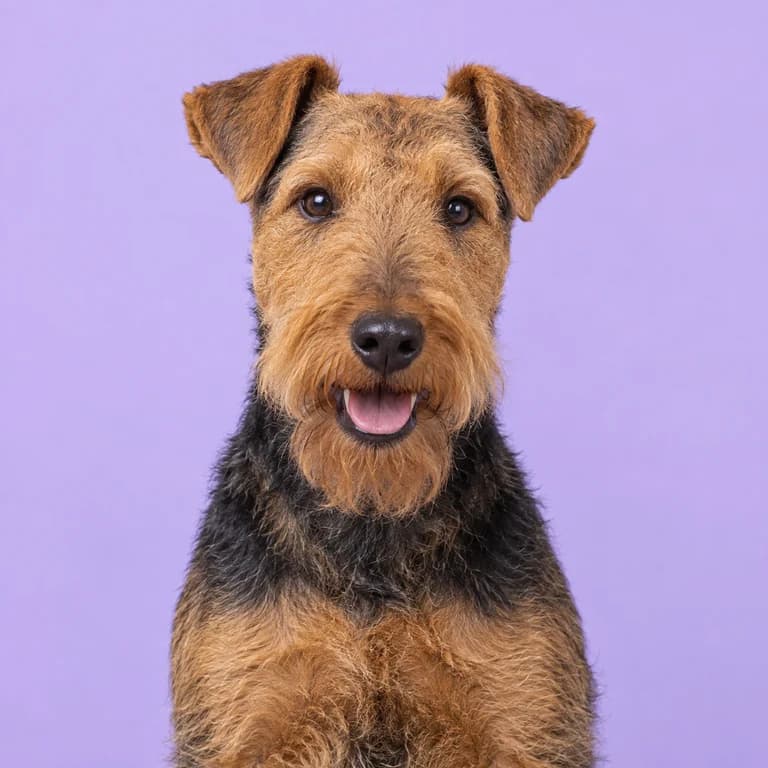
Welsh Terrier
8 to 10 kg · 12 to 15 years
Confident, clownish and a little stubborn, the Welsh Terrier packs a working terrier's spirit into a tidy 10 kg.