Sources for this article
Hound group · United States
Redbone Coonhound
Also called Redbone
An easygoing sofa companion indoors and a tireless, musical tracker the moment its nose finds a trail outside.
The Redbone Coonhound was developed in the southern United States to trail and tree raccoons, and it still has the nose, stamina and voice for the job. At home, most Redbones are mellow, affectionate and famously gentle with children. The trade-offs are a loud baying voice, a scent drive that overrides recall, and ears that need regular care.
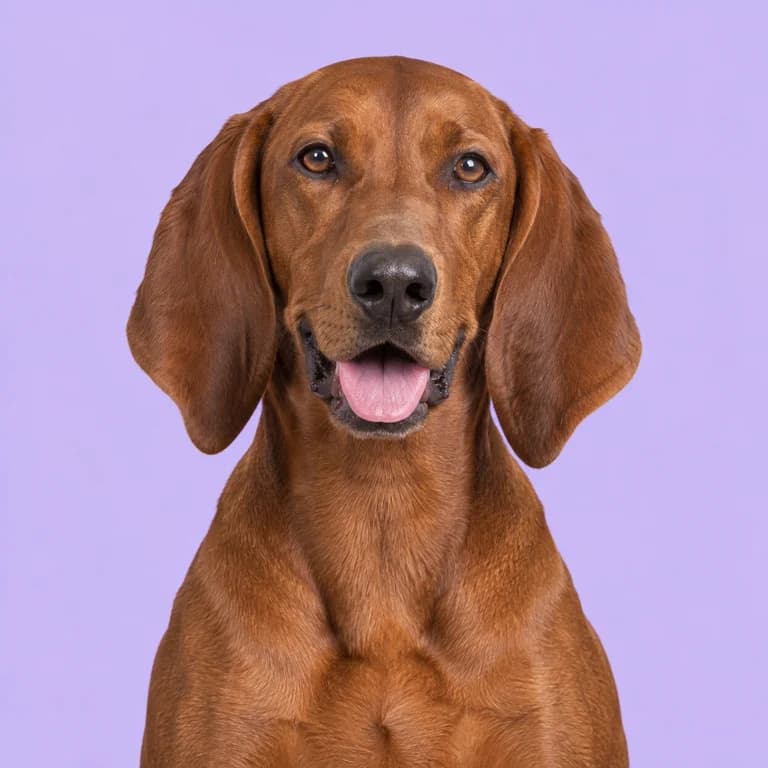
Original AI-generated breed illustration
Weight
20 to 32 kg
44 to 70 lb
Height
53 to 69 cm
at the shoulder
Life expectancy
12 to 15 yrs
Activity estimate
90 to 120 min
editorial daily planning range
Adult-size estimate
18 months
approximate model input
Life with a Redbone Coonhound
Two different dogs live inside every Redbone. Indoors you get a relaxed, affectionate companion who sprawls across the sofa, leans against your legs and tolerates toddlers with remarkable patience. Outdoors, once the nose locks onto a trail, you get a single-minded hunter with a voice that can carry a kilometer or more. Understanding and enjoying both sides is the key to living with this breed.
The Redbone emerged in the American South, where settlers of Scottish and Irish descent are said to have brought red foxhounds in the late 18th century. Hunters in Georgia and Tennessee bred for speed and a solid red coat, and a later dose of Bloodhound is often credited with sharpening the nose. The name is usually linked to Peter Redbone, a Tennessee enthusiast. The dogs were used mainly on raccoon but also on bear, bobcat and cougar, and their surefootedness made them valued in swamps and hills.
The breed's reputation for sweetness is well earned. Redbones are sociable with visitors, easygoing with other dogs and seldom possessive. They are also sensitive to household mood and respond poorly to harshness. The main drawbacks are vocal: a deep, melodic bay that can bother neighbors, and a habit of announcing every squirrel, cat and passing dog.
What stands out
Training
Redbones are intelligent and willing, but they were bred to make their own decisions on a trail without human instruction. Their attention drifts whenever a scent is more interesting than you, which is often. Keep sessions short and upbeat, use tasty food rewards and train in quiet places before moving to busier ones.
Read the full training guideEasy to train
Open with strangers
Good with other dogs
A great match for
- families with children
- active owners who hike or run
- homes with other friendly dogs
- people who enjoy scent work or tracking
Think twice if
- loud baying that carries across the neighborhood
- unreliable recall once on a scent
- long ears prone to infection
- counter surfing and food theft
- may chase cats and small wildlife
Personality and needs at a glance
Living together
Good with children
Good with other dogs
Open with strangers
Apartment friendly
Copes with alone time
Energy and character
Energy level
Playfulness
Easy to train
Barking
5 means very vocal
Care and climate
Grooming needs
Shedding
Drooling
Handles cold
Handles heat
How much a Redbone Coonhound eats
Illustrative calculations for neutered adults at midpoint breed weights, with food at 370 kcal per 100 g and 100 g per cup. These are not measured breed requirements. Use actual weight, the food label and veterinary body-condition advice.
| Dog | Weight | Calories | Dry food |
|---|---|---|---|
| Female, relaxed lifestyle | 24 kg | 1050 kcal | 285 g (2.8 cups) |
| Female, typical pet | 24 kg | 1200 kcal | 325 g (3.3 cups) |
| Male, typical pet | 29 kg | 1380 kcal | 375 g (3.8 cups) |
| Male, very active | 29 kg | 1730 kcal | 465 g (4.8 cups) |
Care guides for the Redbone Coonhound
Things owners are often surprised by
- 1Often said to descend from red foxhounds brought to the American South by Scottish and Irish settlers in the late 1700s
- 2The name is often credited to Peter Redbone, an early Tennessee breeder
- 3Surefooted enough to hunt swamps and rough mountain ground, and a strong swimmer
- 4Two Redbones, Old Dan and Little Ann, are the canine heroes of the novel Where the Red Fern Grows
- 5Joined the American Kennel Club's Hound Group in 2009
Redbone Coonhound questions
Are Redbone Coonhounds loud?
Yes. Their bay is a deep, ringing call that carries a long way, and many Redbones also bark at wildlife and passing dogs. They are rarely nuisance barkers when relaxed indoors, but they will sound off when bored or on a scent. If you live in an apartment or close to neighbors, think honestly about whether the noise will be a problem.
Can a Redbone Coonhound be off lead?
Some can in very secure areas, but relying on recall in open country is risky. Once a Redbone picks up a trail, its instinct is to follow until the quarry is found, and many owners have spent hours searching for a dog that vanished after a scent. Long lines, fenced fields and scent games give freedom without the danger of getting lost or hit by a car.
Do Redbone Coonhounds get along with cats?
Many live peacefully with a cat they were raised with, particularly if the cat is confident and doesn't run. Outdoor cats and local wildlife are another matter, because a hound bred to chase raccoons usually chases small, fast animals. Introduce a new cat slowly with the dog on a lead and give the cat high places and escape routes.
Why does my Redbone smell?
Hounds have naturally oily skin that gives off a mild, musty odor. Redbones are not extreme, but they can smell doggy, especially when wet. A strong, sour smell from the ears or skin is not normal and often points to a problem your vet should check. Weekly ear care and occasional baths keep the natural smell under control.
Are Redbone Coonhounds good with children?
They are among the most tolerant hounds with children and often become devoted to them. Their size and bounce mean a young, excited Redbone can knock over a small child in play. Teach children to stay calm around the dog and supervise play until the hound matures. Most Redbones settle into gentle, patient family dogs by around two years.
Popular answers for owners
- Bowls and feeding gearDo slow feeder bowls wear down a dog's front teeth?
- Exercise and playHow do I make puzzles harder as my dog improves?
- Exercise and playHow do I know if my dog is having fun during play?
- How much to feedHow precise do I need to be when measuring my dog's food?
- How much to feedHow do I calculate my dog's daily calorie needs?
- Exercise and playWhy does my dog collapse or stumble after swimming in cold water?
Breeds you might compare
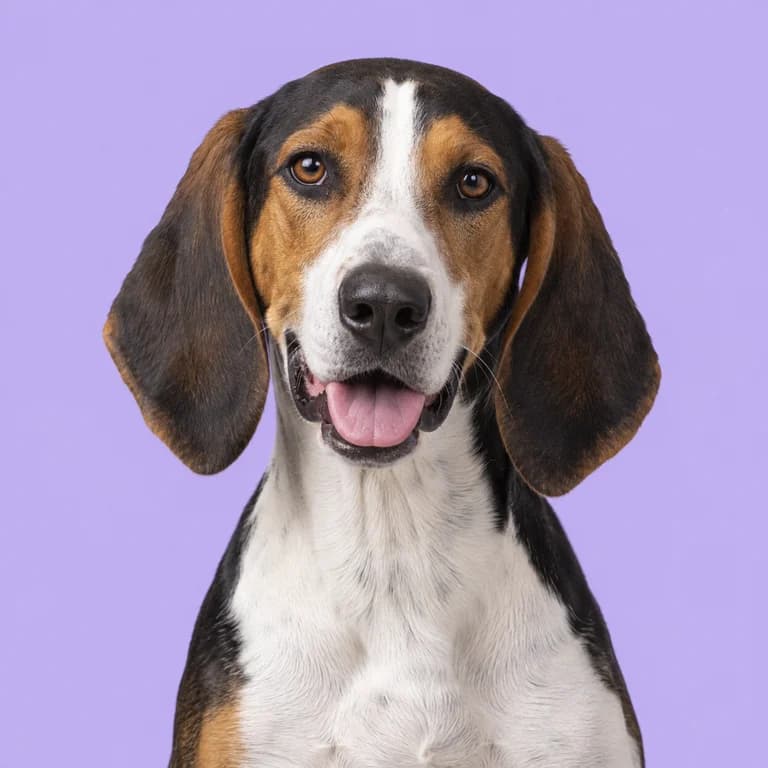
Hound group
Treeing Walker Coonhound
22 to 32 kg · 12 to 13 years
An American night-hunting hound with huge stamina, a voice that carries for miles and a friendly nature.
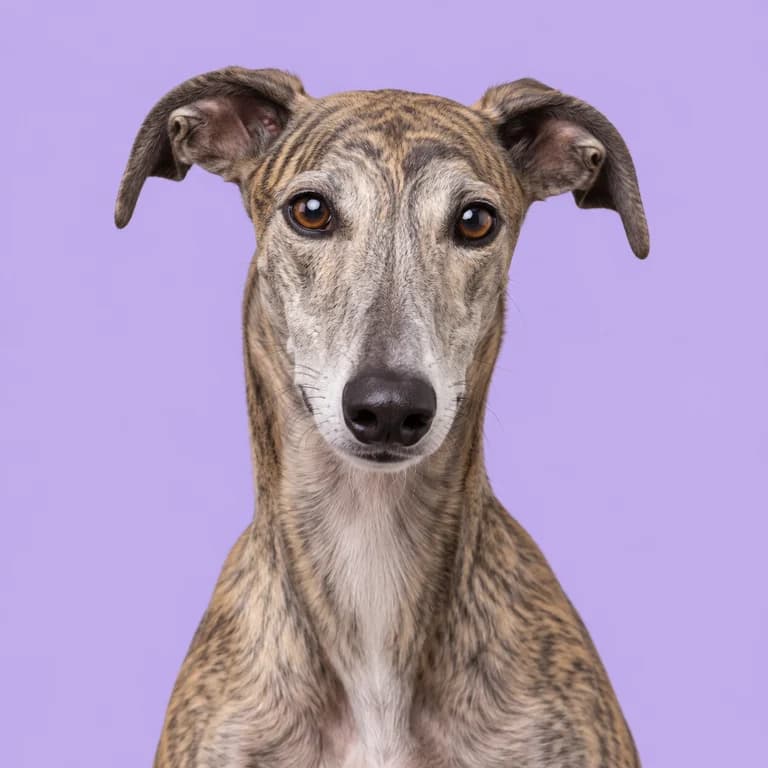
Hound group
Greyhound
25 to 34 kg · 10 to 14 years
A sprinter capable of about 70 km/h (43 mph) that spends most of its day asleep upside down.
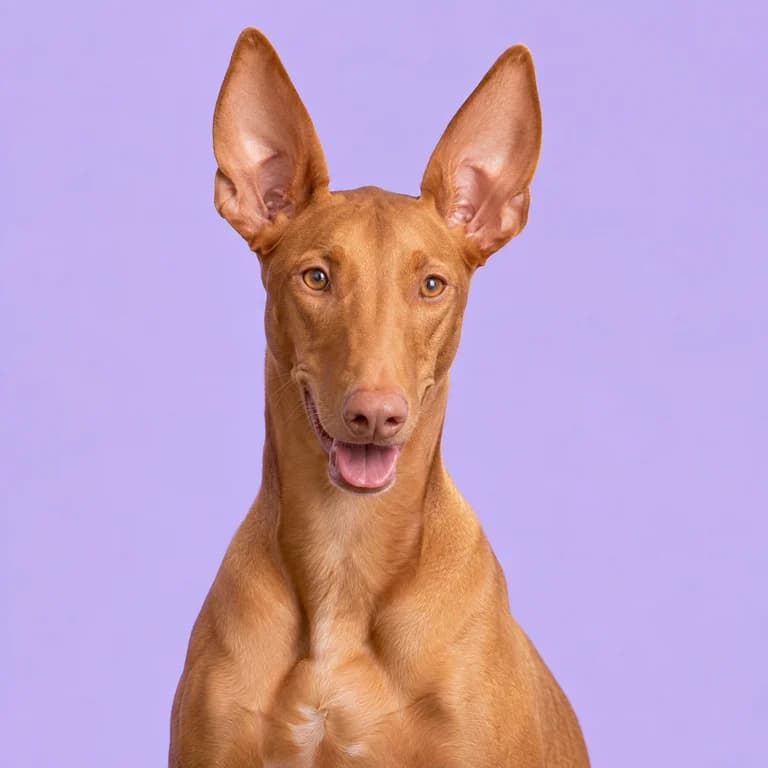
Hound group
Pharaoh Hound
18 to 25 kg · 12 to 14 years
Malta's national dog, a night-hunting rabbit hound whose ears and nose flush pink when it is happy.
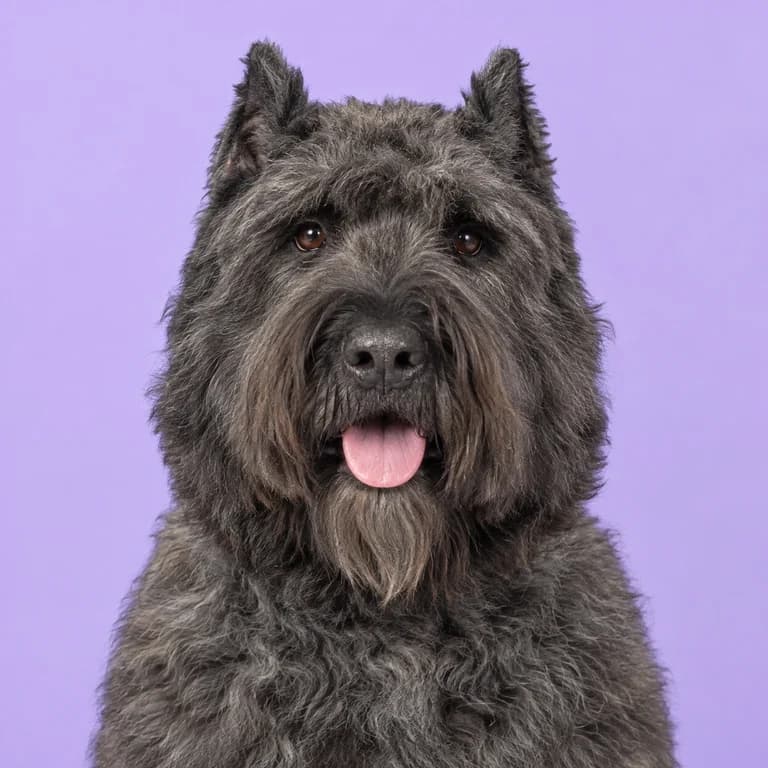
Herding group
Bouvier des Flandres
27 to 40 kg · 10 to 12 years
A rugged Flemish cattle dog hidden under a shaggy coat that demands weekly work and regular trimming.
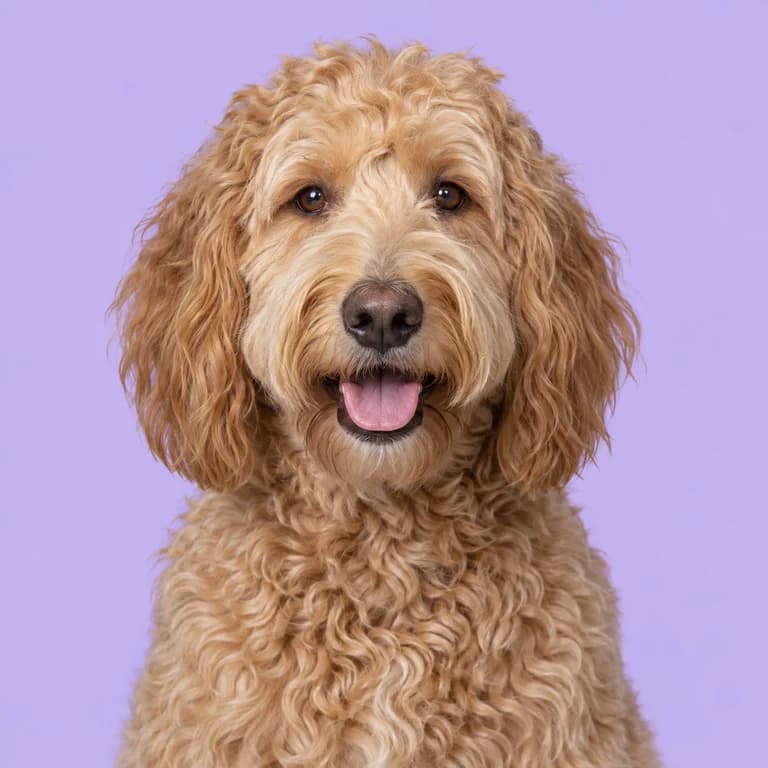
Crossbreed
Goldendoodle
23 to 36 kg · 10 to 15 years
A sociable Golden Retriever and Poodle cross whose coat type decides how much of your week goes to brushing.
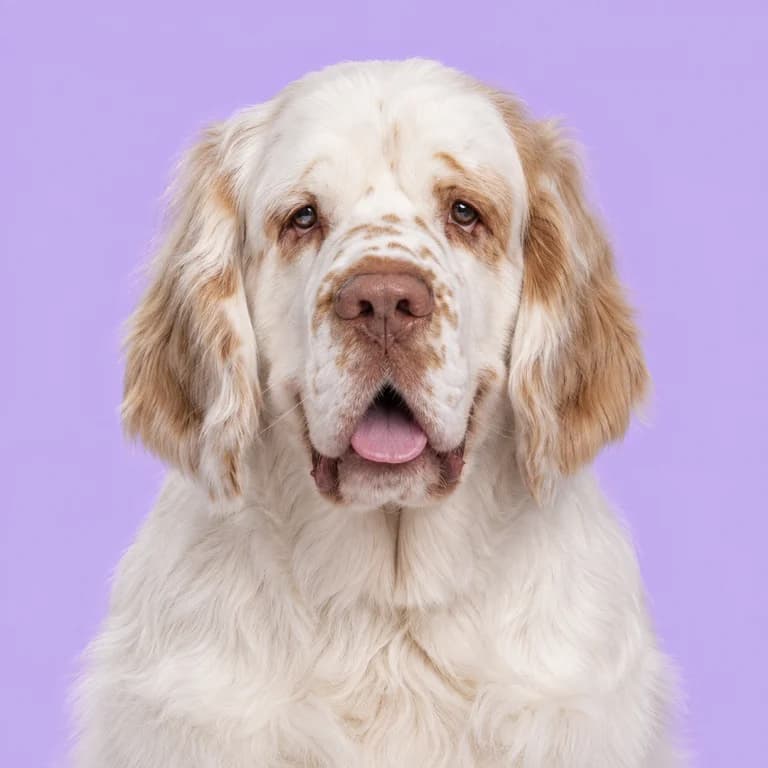
Sporting group
Clumber Spaniel
25 to 39 kg · 10 to 12 years
A heavy, low-slung spaniel with a rolling walk, a gentle soul and no interest in rushing anything.