Sources for this article
Working group · Germany
Doberman Pinscher
Also called Doberman, Dobermann, Dobe
A sleek guardian with a watchful mind that becomes surprisingly soft and clingy with its own people.
The Doberman was built to protect one man on his rounds, and that loyalty is still wired in. At home most are affectionate shadows that lean on your legs and follow you from room to room. They need real training, real exercise, and an owner who enjoys being needed.
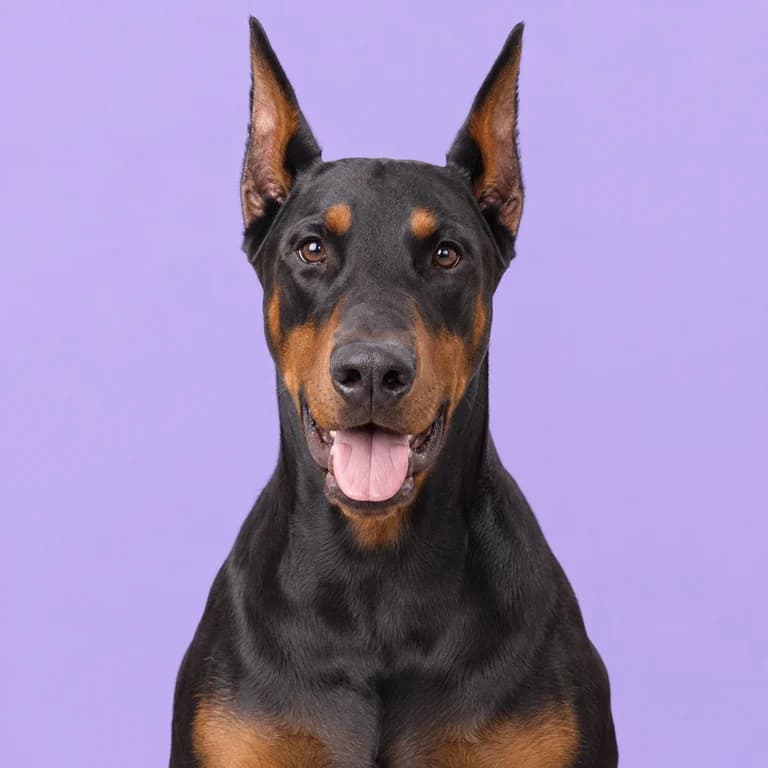
Original AI-generated breed illustration
Weight
32 to 45 kg
70 to 99 lb
Height
63 to 72 cm
at the shoulder
Life expectancy
10 to 12 yrs
Activity estimate
120 to 150 min
editorial daily planning range
Adult-size estimate
24 months
approximate model input
Life with a Doberman Pinscher
Picture a tax collector in 1880s Germany carrying cash through towns where not everyone was happy to see him. Karl Friedrich Louis Dobermann also ran the local dog pound, so he had a supply of sharp, tough dogs to experiment with. Breed historians usually point to old German Pinschers, Rottweilers, black and tan terriers and possibly the Beauceron and Weimaraner as ingredients, though his records were thin and much of that list is educated guessing.
The early dogs were hard and quick to react. Over the following decades breeders, especially after the breed reached Britain and the United States, selected for a steadier temperament. A well-bred modern Doberman is alert and discerning rather than aggressive: it notices everything, checks unfamiliar visitors carefully, and settles once you signal that all is well.
Inside the house the picture changes. Many Dobermans press their whole body against you on the sofa, rest their chin on your knee while you work, and trail you to the bathroom. That devotion is lovely, but it means the breed struggles in homes where everyone is out for nine or ten hours a day.
Living with one works best when you treat the dog like a working partner. Give it a job, a routine and clear rules, and you get a calm, attentive companion. Leave it bored and you may see pacing, chewing, or nuisance barking at every passing car.
What stands out
Training
Dobermans learn fast and remember everything, including mistakes. Short sessions of 5 to 10 minutes, rewarded with food or a tug toy, suit them well. Harsh corrections tend to backfire: a sensitive Doberman either shuts down or becomes defensive, so fair, consistent handling works far better.
Read the full training guideEasy to train
Open with strangers
Good with other dogs
A great match for
- active owners who train daily
- homes where someone is around most of the day
- people wanting a deterrent that is gentle with family
- dog sports such as obedience, tracking and agility
Think twice if
- high risk of inherited heart disease
- distress when left alone for long hours
- wariness of strangers that needs early socialization
- feels the cold on winter walks
Personality and needs at a glance
Living together
Good with children
Good with other dogs
Open with strangers
Apartment friendly
Copes with alone time
Energy and character
Energy level
Playfulness
Easy to train
Barking
5 means very vocal
Care and climate
Grooming needs
Shedding
Drooling
Handles cold
Handles heat
How much a Doberman Pinscher eats
Illustrative calculations for neutered adults at midpoint breed weights, with food at 370 kcal per 100 g and 100 g per cup. These are not measured breed requirements. Use actual weight, the food label and veterinary body-condition advice.
| Dog | Weight | Calories | Dry food |
|---|---|---|---|
| Female, relaxed lifestyle | 34 kg | 1360 kcal | 370 g (3.8 cups) |
| Female, typical pet | 34 kg | 1560 kcal | 420 g (4.3 cups) |
| Male, typical pet | 43 kg | 1860 kcal | 505 g (5 cups) |
| Male, very active | 43 kg | 2330 kcal | 630 g (6.3 cups) |
Care guides for the Doberman Pinscher
Things owners are often surprised by
- 1Created in the 1880s and 1890s by Karl Friedrich Louis Dobermann, a tax collector in Apolda, Thuringia
- 2Often nicknamed the Velcro dog because most want physical contact with their owner
- 3A Doberman named Kurt is often credited as the first war dog killed on Guam in 1944, and a memorial stands there
- 4Heart screening with a 24-hour Holter monitor is a standard part of responsible breeding
- 5The short coat gives little protection below about 5 C (41 F), so many need a jacket in winter
Doberman Pinscher questions
Are Dobermans good family dogs?
Yes, when bred for steady temperament and raised with training and plenty of exercise. Most are gentle and protective with the children they grow up with. Because adults are strong and bouncy, supervise play with toddlers and teach kids not to run screaming around a young dog. A Doberman that is left alone for long hours or rarely exercised is far more likely to become a handful.
Why does my Doberman lean on me?
Leaning is a classic Doberman habit. The breed was developed to stay close to one person, and many express affection and reassurance through full body contact. It is usually a sign of attachment rather than dominance. If leaning appears alongside trembling or hiding, your dog may be anxious, and it helps to look at what changed in its routine or surroundings.
Do Dobermans need ear cropping or tail docking?
No. Cropping and docking are cosmetic and have no health or behavior benefit for a family dog. Natural ears are soft and fold forward, and a natural tail is long and fairly thin. In many countries these procedures are restricted, and more breeders now leave dogs natural. A natural Doberman is every bit as capable as one with cropped ears.
At what age does a Doberman calm down?
Most settle noticeably between 2 and 3 years old. The teenage stage from roughly 6 to 18 months is the hardest, with bursts of energy, mouthing and testing of boundaries. Consistent daily exercise, trick training and a predictable routine speed things up. Many adults remain lively outdoors but become quiet and cuddly indoors.
Can a Doberman live in a flat?
It can, if the owner commits to long daily outings and plenty of mental work. Size alone is not the problem; boredom is. Thin walls can also magnify alert barking at hallway noises. A Doberman in a flat with an owner who hikes, trains and works from home will often do better than one alone all day in a house with a garden.
Popular answers for owners
- Exercise and playHow do you play the shell game with a dog?
- Grooming and coatAre mats painful for dogs?
- Exercise and playHow do puzzle feeders help tire out a dog?
- Bowls and feeding gearWhat size portions can automatic feeders dispense accurately?
- Grooming and coatHow do I introduce a puppy to grooming for the first time?
- How much to feedHow much should I feed a 60kg dog?
Breeds you might compare

Working group
Bullmastiff
45 to 59 kg · 7 to 9 years
Bred to silently pin poachers in the dark, today a gentle, heavy guardian that prefers the sofa.
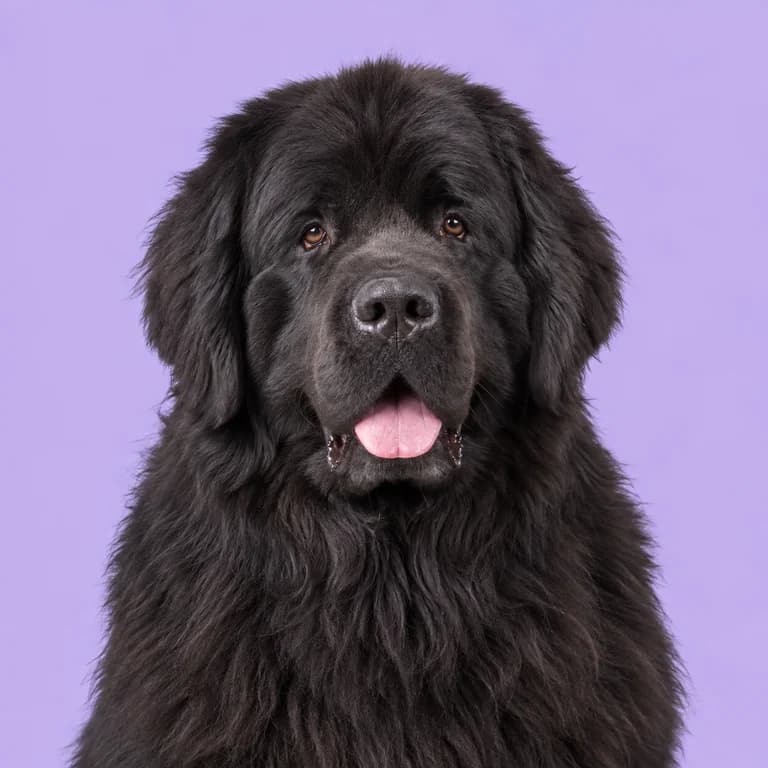
Working group
Newfoundland
45 to 70 kg · 8 to 10 years
A gentle giant with webbed feet, a lifesaving instinct in water and a drool towel never far away.
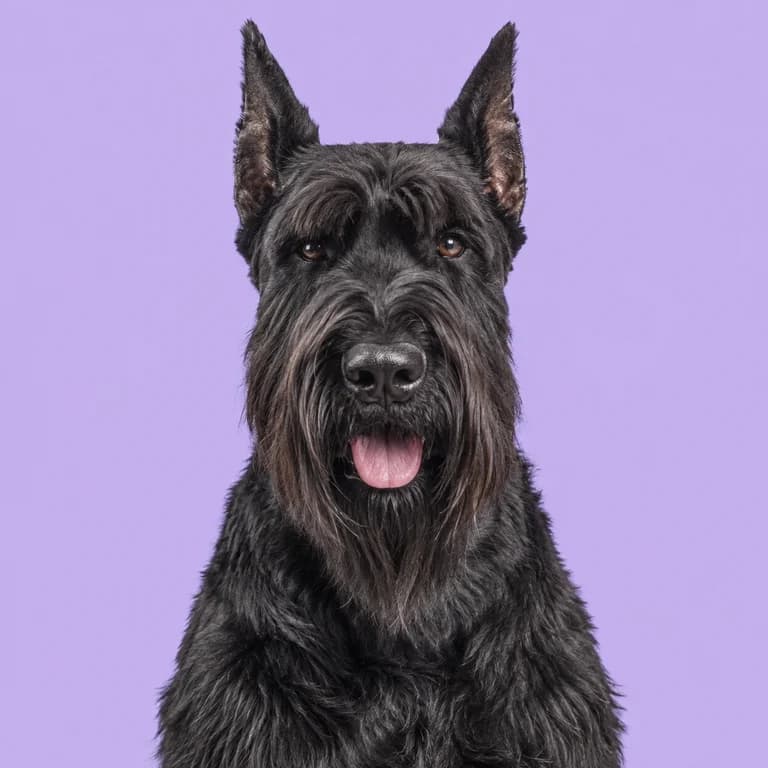
Working group
Giant Schnauzer
25 to 45 kg · 10 to 12 years
A powerful, clever working dog that thrives on structure and a job, and makes up its own without them.
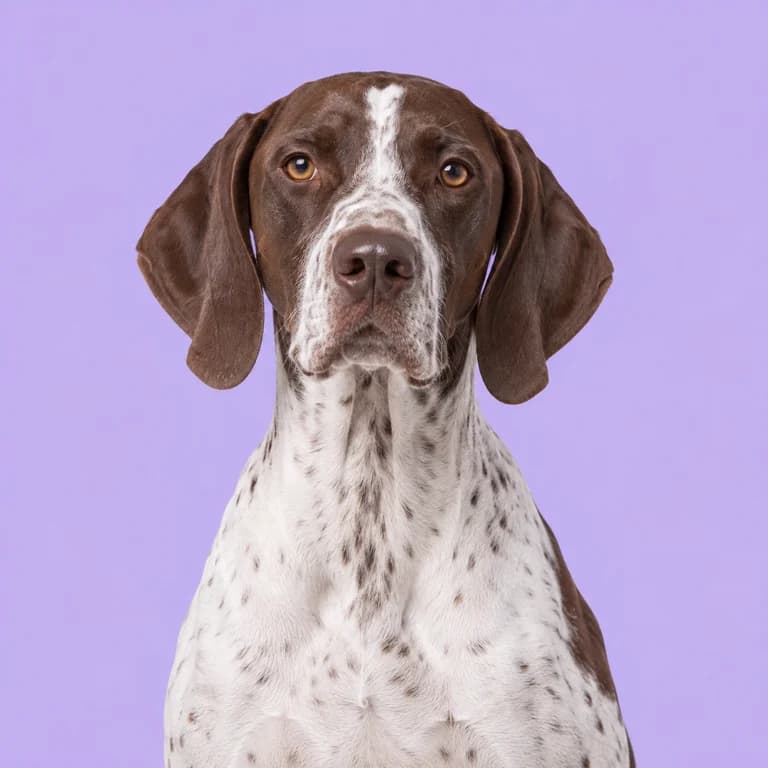
Sporting group
English Pointer
20 to 34 kg · 12 to 15 years
An athlete sculpted for speed across open moorland, with a statue-still point that stops people mid-conversation.
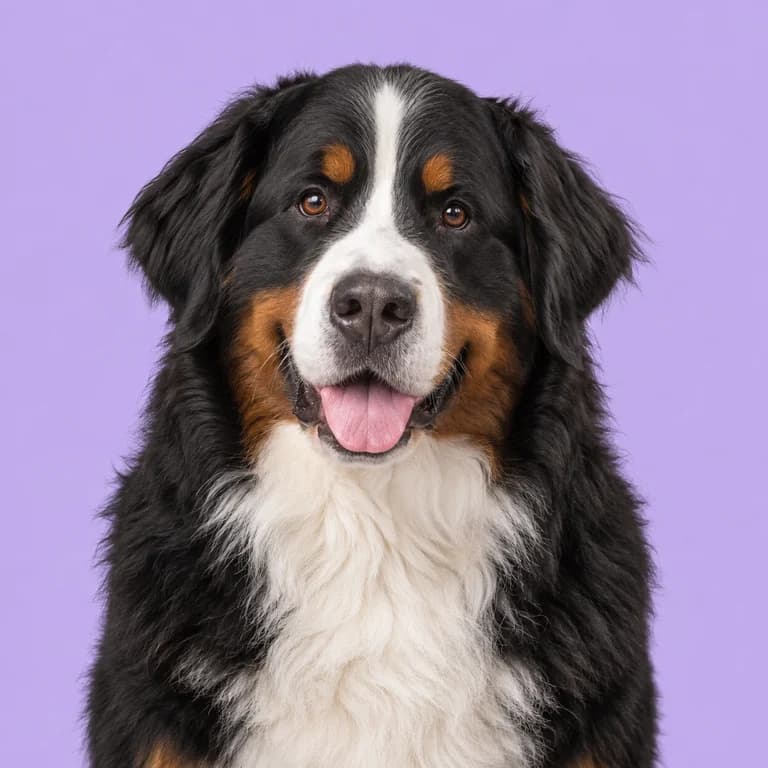
Working group
Bernese Mountain Dog
34 to 50 kg · 7 to 10 years
A gentle Swiss farm dog with a huge heart and a short average life that owners should understand before they fall in love.
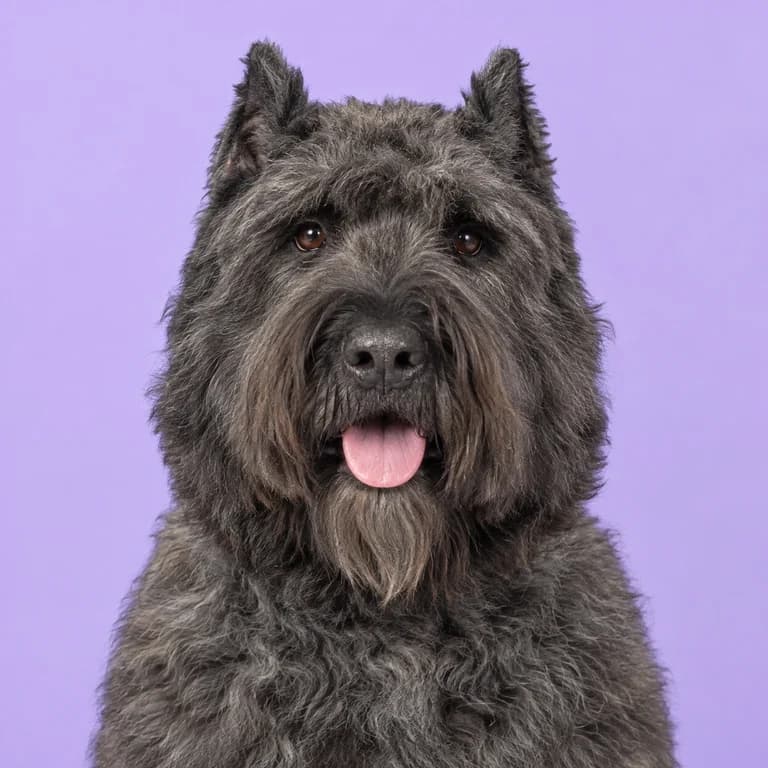
Herding group
Bouvier des Flandres
27 to 40 kg · 10 to 12 years
A rugged Flemish cattle dog hidden under a shaggy coat that demands weekly work and regular trimming.