Sources for this article
Working group · South Africa
Boerboel
Also called South African Mastiff, Boer Boel
A South African farm guardian built to face down leopards, calm at home but serious about its territory.
Boerboels are confident, watchful and deeply loyal to their household. These muscular, powerful dogs need an experienced owner, lifelong socialization and a secure property, and in return they are affectionate, steady companions.

Original AI-generated breed illustration
Weight
55 to 90 kg
121 to 198 lb
Height
59 to 70 cm
at the shoulder
Life expectancy
9 to 11 yrs
Activity estimate
60 to 90 min
editorial daily planning range
Adult-size estimate
30 months
approximate model input
Life with a Boerboel
A Boerboel's first reaction to a stranger at the gate is rarely a wag. It stands, watches and places itself between the visitor and its family. That calm, assessing presence is the core of the breed, and anyone considering one should be certain they want a dog that takes guarding seriously.
The Boerboel took shape on South African farms over roughly 350 years. European settlers from 1652 onward brought large mastiff and bulldog types, which mixed with local dogs and, in the 1920s and 1930s, with bullmastiffs imported to guard diamond mines. Isolated homesteads needed a dog tough enough to confront leopards, baboons and intruders yet gentle enough to trust with children. Only dogs that managed both were kept.
In the 1980s breeders began recording and standardizing the type, and international kennel clubs followed; the AKC gave full recognition in 2015. A well-bred Boerboel today is confident rather than reactive, and inside the home it is often soft, cuddly and keen to lie across its owner's feet. With strangers and unfamiliar dogs, it stays cautious throughout life, and training alone will not change that.
What stands out
Training
Boerboels are intelligent and loyal, but they are not pushovers. They respond best to calm, consistent leadership, clear boundaries and rewards they value, often food and play with their owner. Harsh methods tend to backfire with a powerful guardian, damaging trust and increasing defensiveness.
Read the full training guideEasy to train
Open with strangers
Good with other dogs
A great match for
- experienced owners of large guardian breeds
- rural or suburban homes with secure fencing
- calm households wanting a devoted protector
- owners able to commit to lifelong training
Think twice if
- strong territorial and protective instinct
- may not tolerate unfamiliar dogs, especially of the same sex
- sheer strength demands excellent lead manners
- legal restrictions in some countries and councils
- slow to mature mentally, often not until around 3 years
Personality and needs at a glance
Living together
Good with children
Good with other dogs
Open with strangers
Apartment friendly
Copes with alone time
Energy and character
Energy level
Playfulness
Easy to train
Barking
5 means very vocal
Care and climate
Grooming needs
Shedding
Drooling
Handles cold
Handles heat
How much a Boerboel eats
Illustrative calculations for neutered adults at midpoint breed weights, with food at 370 kcal per 100 g and 100 g per cup. These are not measured breed requirements. Use actual weight, the food label and veterinary body-condition advice.
| Dog | Weight | Calories | Dry food |
|---|---|---|---|
| Female, relaxed lifestyle | 65 kg | 2240 kcal | 605 g (6 cups) |
| Female, typical pet | 65 kg | 2560 kcal | 695 g (7 cups) |
| Male, typical pet | 79 kg | 2970 kcal | 800 g (8 cups) |
| Male, very active | 79 kg | 3710 kcal | 1005 g (10 cups) |
Care guides for the Boerboel
Things owners are often surprised by
- 1The name comes from Afrikaans and roughly means farmer's dog
- 2Dutch settlers arriving at the Cape in 1652 brought large mastiff-type guard dogs with them
- 3South African breeders began formally recording and standardizing the type in 1983
- 4A large male can weigh 90 kg (198 lb), as much as a heavy adult man
- 5Restricted or banned in some countries, including Denmark
Boerboel questions
Are Boerboels banned in some countries?
Yes. Rules change over time, but Denmark, for example, has banned import and breeding of the Boerboel since 2010, and some other countries and local councils restrict large guardian breeds or require permits. Check national law, local rules, rental agreements and insurance before getting one, and check again before moving or traveling abroad with your dog.
Is a Boerboel good with children?
In its own family, a well-bred, well-raised Boerboel is often gentle and protective with children. The risks come from size and guarding instinct: a playful shove can knock a toddler over, and the dog may misread rough play from visiting children as a threat. Always supervise, teach children not to crowd the dog, and give it a quiet place to retreat.
Boerboel vs Bullmastiff: what is the difference?
Both are powerful guardian breeds, and bullmastiffs contributed to Boerboel ancestry. The Boerboel is usually taller, more athletic and more agile, having been bred as an all-purpose farm dog. The Bullmastiff was developed in England to stop poachers and tends to be more compact with a shorter muzzle. Boerboels generally show a stronger territorial drive.
When does a Boerboel calm down?
Most Boerboels keep a playful, clumsy side until 2 to 3 years, and many do not reach full mental maturity until around 3. Guarding behavior often becomes more pronounced between 18 months and 3 years, so keep training and socialization going through this period rather than easing off once the puppy stage ends.
Do Boerboels drool?
Moderately. They have looser lips than a Labrador but far tighter ones than a Mastiff or Saint Bernard. Expect drool after drinking, when excited or while waiting for dinner, and keep a cloth handy. Some individuals barely drool at all, while dogs with looser flews drip more, so meet the parents if drool matters to you.
Popular answers for owners
- Bowls and feeding gearWhat size portions can automatic feeders dispense accurately?
- How much to feedMy dog's weight loss has stalled, what should I change?
- Bowls and feeding gearWhy do stainless steel bowls sometimes look scratched?
- How much to feedDo wet and dry food have the same calories per gram?
- Puppy feeding and growthHow much should a 6 week old puppy eat?
- Puppy feeding and growthHow much should my puppy weigh at 8 weeks?
Breeds you might compare
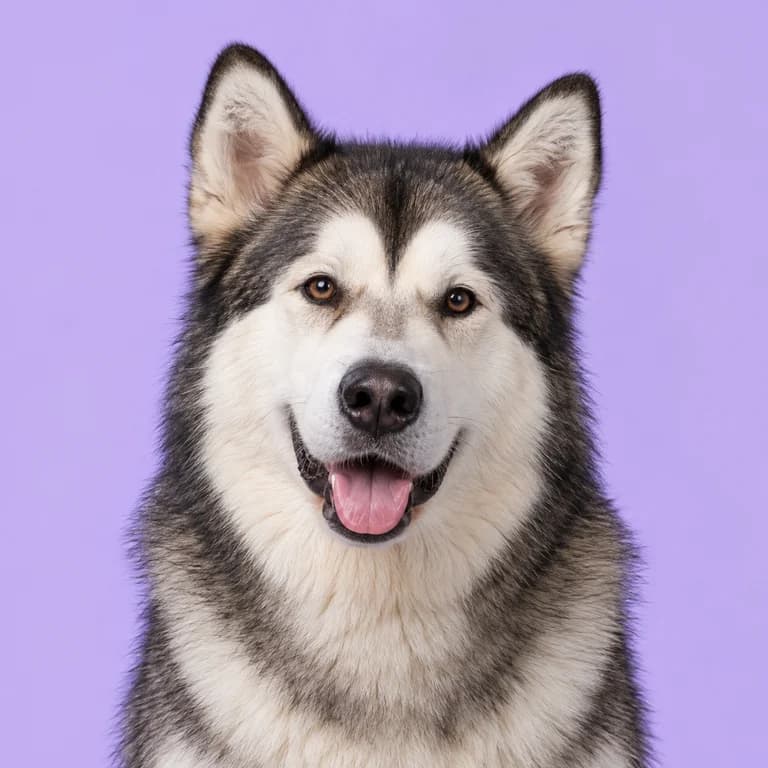
Working group
Alaskan Malamute
32 to 43 kg · 10 to 14 years
A freight-hauling Arctic dog built for strength and stamina, with a talkative streak and a mind of its own.
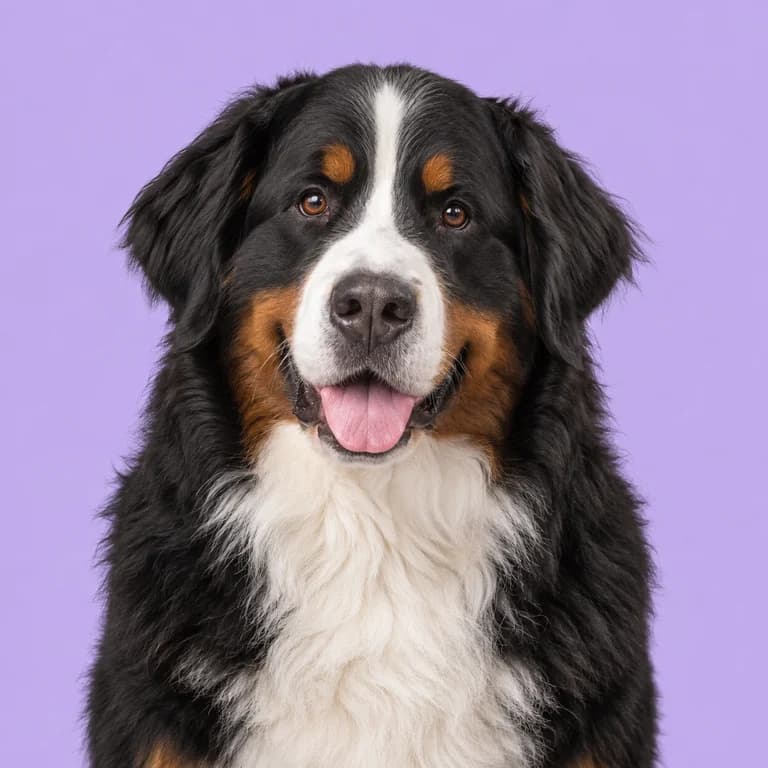
Working group
Bernese Mountain Dog
34 to 50 kg · 7 to 10 years
A gentle Swiss farm dog with a huge heart and a short average life that owners should understand before they fall in love.
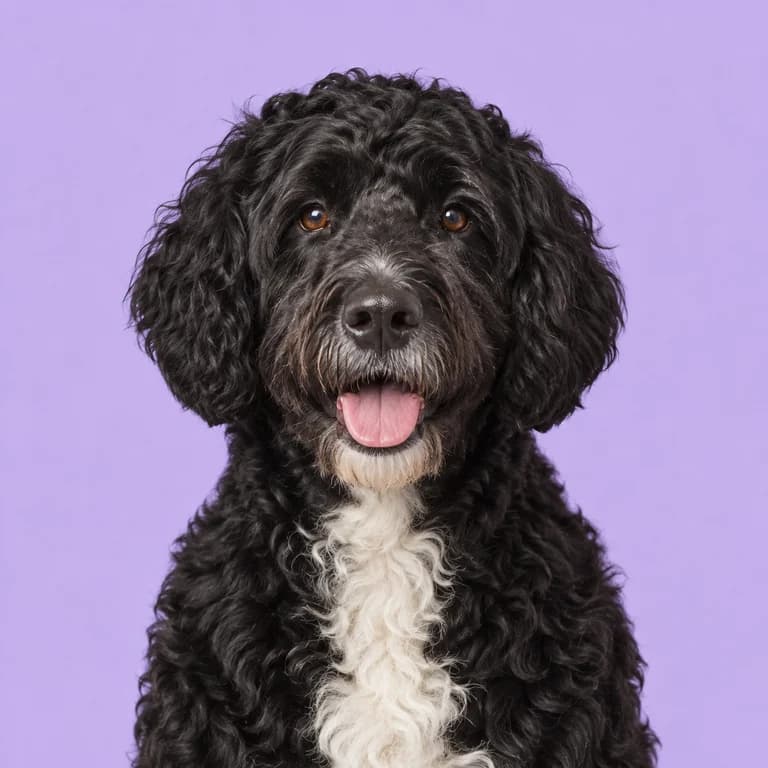
Working group
Portuguese Water Dog
16 to 27 kg · 11 to 13 years
A fisherman's crew member from the Algarve, with webbed feet, a rudder tail and a talent for boats.
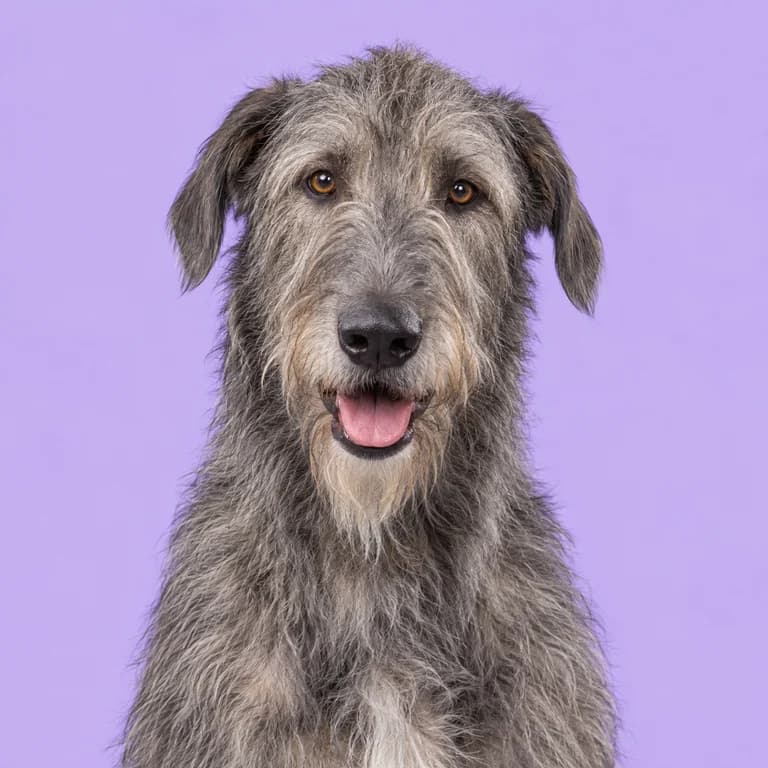
Hound group
Irish Wolfhound
45 to 70 kg · 6 to 8 years
Once a hunter of wolves, the Irish Wolfhound is now a soft-natured giant that towers over every other hound.
Working group
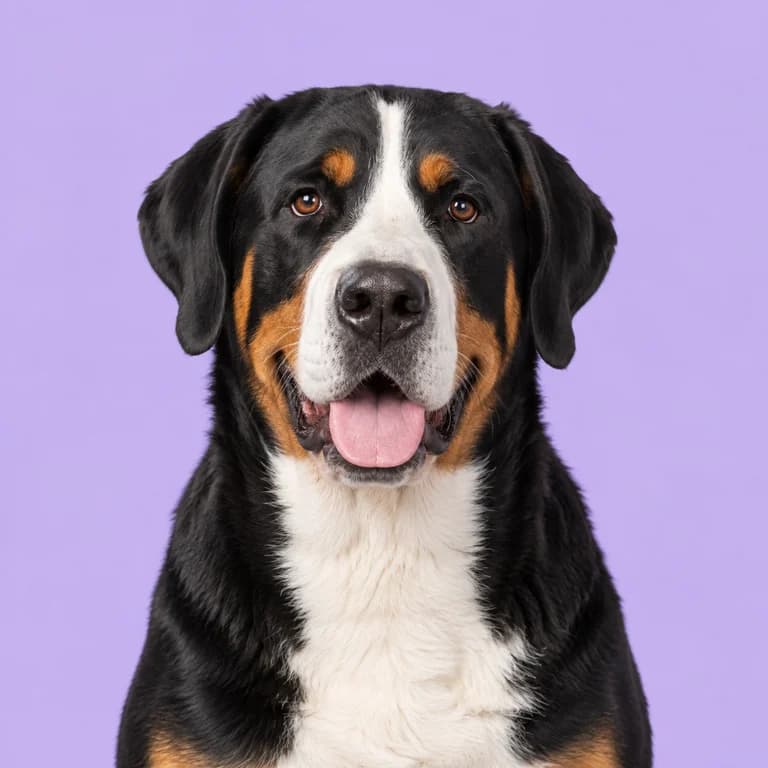
Greater Swiss Mountain Dog
39 to 64 kg · 8 to 11 years
The largest Swiss mountain breed, once a farm's cart puller and still a gentle, heavyweight family worker.
Working group
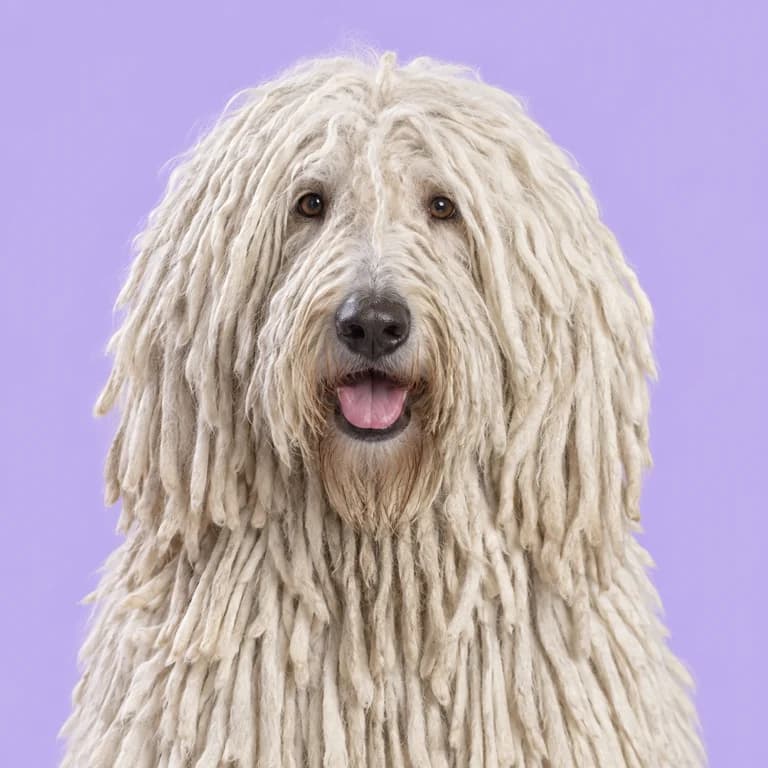
Komondor
40 to 60 kg · 10 to 12 years
A Hungarian flock guardian wrapped in heavy white cords, serious about its job and slow to trust outsiders.