Sources for this article
Working group · Argentina
Dogo Argentino
Also called Argentine Dogo, Argentinian Mastiff
A white Argentine hunting dog designed by two brothers to face boar and puma, now a devoted but demanding companion.
The Dogo Argentino was built in the early 20th century by a doctor from Córdoba who wanted a brave, athletic dog for big-game hunting that would stay gentle with people. The result is a muscular, all-white dog that is loving with its family and intense with other animals. It needs an experienced, active owner and careful management around other dogs.
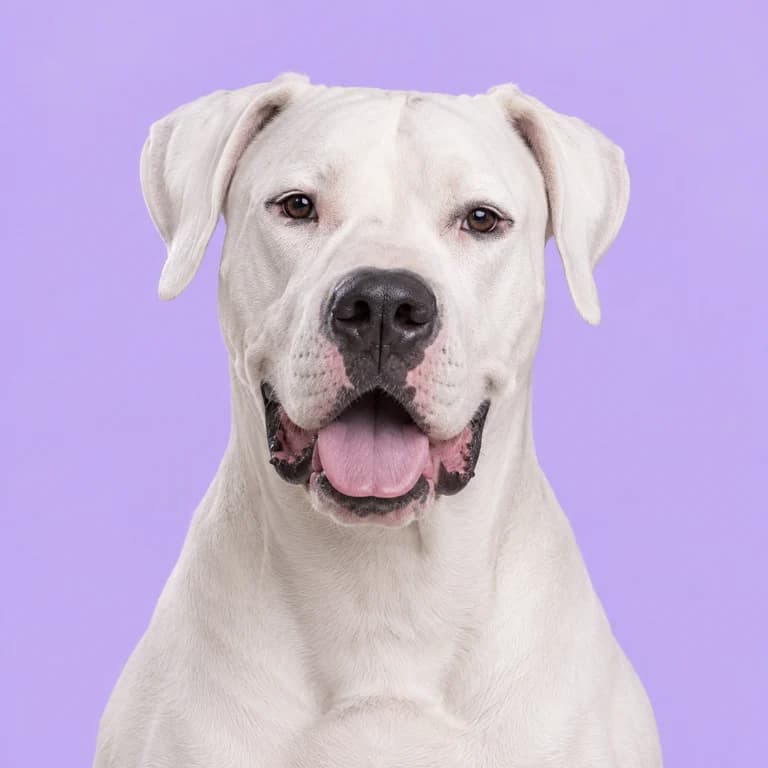
Original AI-generated breed illustration
Weight
35 to 45 kg
77 to 99 lb
Height
60 to 68 cm
at the shoulder
Life expectancy
10 to 12 yrs
Activity estimate
90 to 120 min
editorial daily planning range
Adult-size estimate
24 months
approximate model input
Life with a Dogo Argentino
Most breeds took shape slowly over centuries. The Dogo Argentino was designed with a clear brief. In the 1920s Antonio Nores Martínez, a medical student who later became a surgeon in Córdoba, set out with his brother Agustín to create a dog for hunting wild boar, peccary and puma across the hills and plains of Argentina. The dog needed stamina for long chases, a nose for tracking, the courage to hold large game and the temperament to live peacefully with people.
Their starting point was the Old Fighting Dog of Córdoba, a fierce local breed that tended to fight its packmates. The brothers are often credited with adding Great Dane for size, Pointer for scent, Irish Wolfhound for speed, Great Pyrenees for hardiness and the white coat, and Boxer and Bull Terrier for tenacity, among others. They selected firmly against dogs that quarreled in the pack. Antonio died in 1956 and Agustín carried the work forward; Argentine recognition came in 1964 and FCI recognition in 1973.
That history explains the modern dog. A Dogo is typically affectionate, playful and physical with its family, happy to lean its full weight against you on the sofa. With other animals, and particularly unfamiliar dogs, hunting and holding instincts can surface fast. It is a breed that rewards experienced, attentive ownership and can overwhelm anyone who underestimates it.
A great match for
- experienced owners of powerful breeds
- active adults who run, hike or do scent sports
- single-dog homes
- people with a secure, high fence
Think twice if
- strong prey drive and frequent intolerance of other dogs
- sunburn on pink skin
- congenital deafness in one or both ears
- needs lifelong training and management
- can be possessive of food or toys
Personality and needs at a glance
Living together
Good with children
Good with other dogs
Open with strangers
Apartment friendly
Copes with alone time
Energy and character
Energy level
Playfulness
Easy to train
Barking
5 means very vocal
Care and climate
Grooming needs
Shedding
Drooling
Handles cold
Handles heat
How much a Dogo Argentino eats
Illustrative calculations for neutered adults at midpoint breed weights, with food at 370 kcal per 100 g and 100 g per cup. These are not measured breed requirements. Use actual weight, the food label and veterinary body-condition advice.
| Dog | Weight | Calories | Dry food |
|---|---|---|---|
| Female, relaxed lifestyle | 38 kg | 1490 kcal | 400 g (4 cups) |
| Female, typical pet | 38 kg | 1700 kcal | 460 g (4.5 cups) |
| Male, typical pet | 43 kg | 1860 kcal | 505 g (5 cups) |
| Male, very active | 43 kg | 2330 kcal | 630 g (6.3 cups) |
Care guides for the Dogo Argentino
Things owners are often surprised by
- 1Developed from the 1920s by Antonio Nores Martínez and his brother Agustín in Córdoba, Argentina
- 2Built on a local fighting breed, the Old Fighting Dog of Córdoba, with several other breeds added
- 3Accepted by the FCI in 1973, the first Argentine breed to be recognized
- 4Only white is accepted, with one dark head patch allowed if it covers under about 10 percent of the head
- 5Puppies should be hearing tested, since congenital deafness is linked to the white coat
Dogo Argentino questions
Is a Dogo Argentino the same as a Pit Bull?
No. The Dogo is a larger, taller hunting breed from Argentina, typically 35 to 45 kg with a long, powerful head and an all-white coat. Bull Terrier is one of several breeds in its background, which explains a passing resemblance, but its size, purpose and history differ. The founders bred it to hunt big game in packs and deliberately selected away from the quarrelsome traits of their foundation stock.
Why is only white allowed in the Dogo Argentino?
The founders chose white partly so hunters could spot their dogs easily in scrub and tell them apart from the quarry. The standard allows one dark patch on the head as long as it covers less than about 10 percent of the head, while spotting on the body is a fault. White coats bring a higher risk of deafness and sunburn, which is why careful breeders hearing-test every puppy.
Are Dogo Argentinos good with other dogs?
Often not, particularly with dogs of the same sex. Many are sociable as puppies and become selective or intolerant between 18 months and three years. Some live happily with one familiar dog of the opposite sex. Plan for a single-dog household or careful management, skip dog parks, and ask a qualified behaviorist for help early if you notice staring, stiffening or lunging.
Can a Dogo Argentino live in a cold climate?
Yes, with sensible care. The short coat gives limited insulation, so a well-fitted dog coat on freezing, wet days and a warm, draft-free bed matter. Keep your dog moving on winter walks rather than standing around. Most Dogos cope better with cold than with long hours of intense sun, which burns their pink skin.
How can I tell if my Dogo puppy is deaf?
A completely deaf puppy often sleeps through loud noise, doesn't turn toward voices and startles when touched. Deafness in one ear is harder to spot, because the dog still hears but struggles to work out where sounds come from. The only reliable answer is a BAER test, which measures the brain's response to sound. Ask for results before buying, or ask your vet where one can be done.
Popular answers for owners
- Puppy feeding and growthHow much should I feed the runt of the litter?
- Bowls and feeding gearDo feeding mats help with messy drinkers?
- Exercise and playHow do I know if my dog needs more exercise?
- Puppy feeding and growthHow much should my puppy weigh at 3 months?
- Exercise and playHow much exercise does a working breed need to stay calm indoors?
- Grooming and coatDoes humidity affect how often I need to brush my dog?
Breeds you might compare
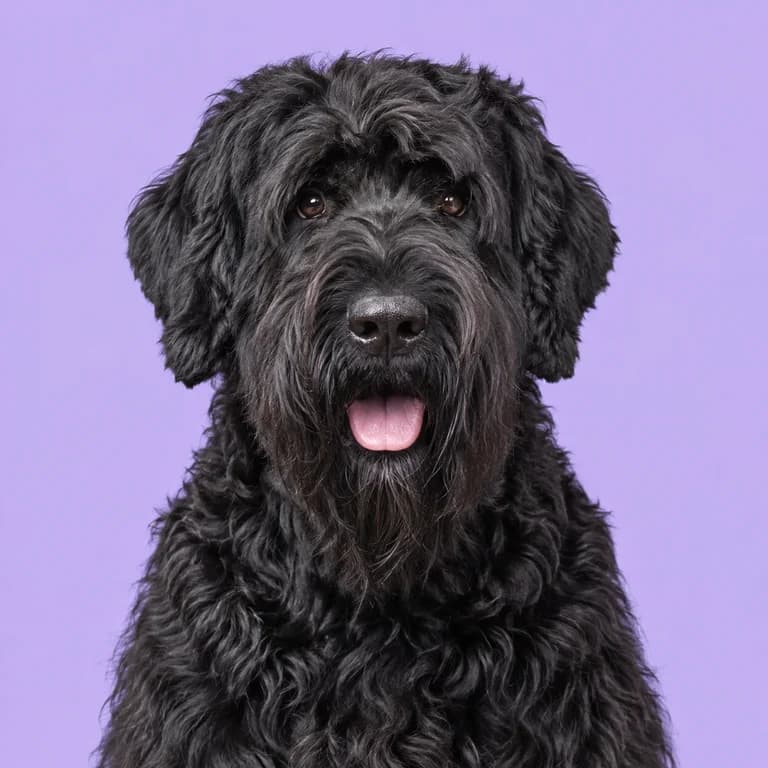
Working group
Black Russian Terrier
45 to 60 kg · 10 to 12 years
A guardian designed by the Soviet army from a mix of breeds, calm at home and serious at the gate.
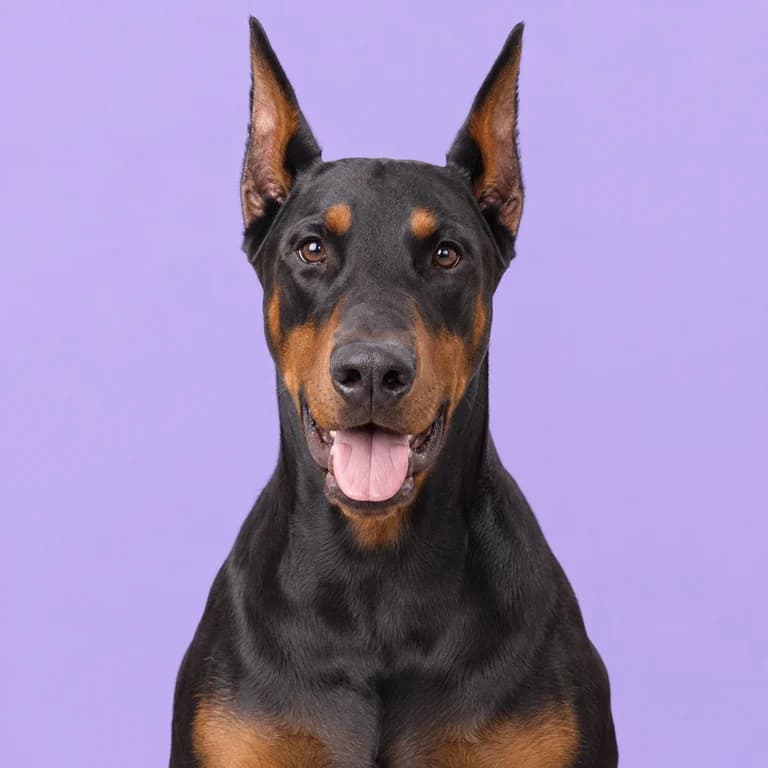
Working group
Doberman Pinscher
32 to 45 kg · 10 to 12 years
A sleek guardian with a watchful mind that becomes surprisingly soft and clingy with its own people.
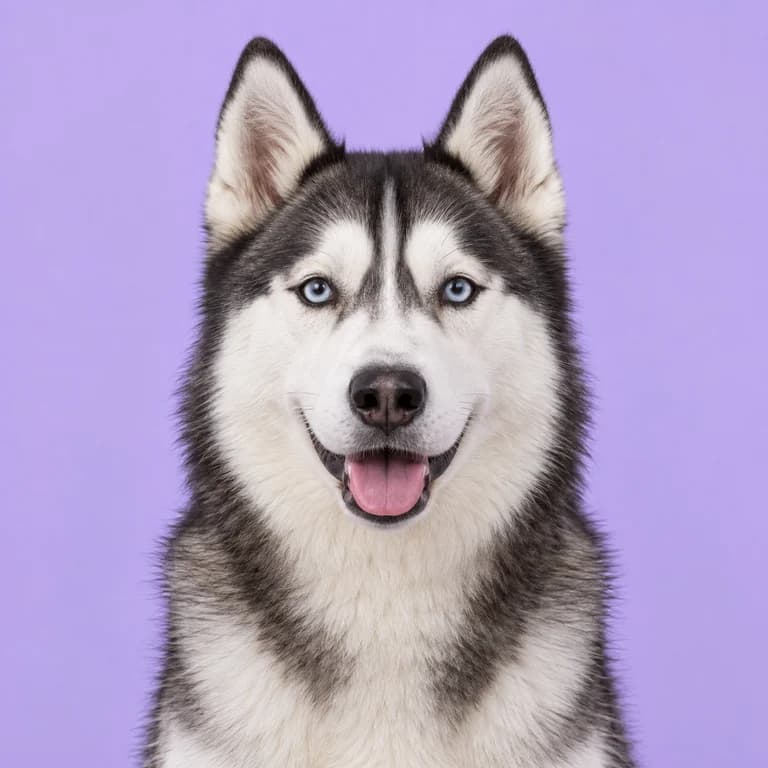
Working group
Siberian Husky
16 to 27 kg · 12 to 14 years
Built to pull light loads over huge distances, this friendly sled dog needs a real outlet or invents its own.
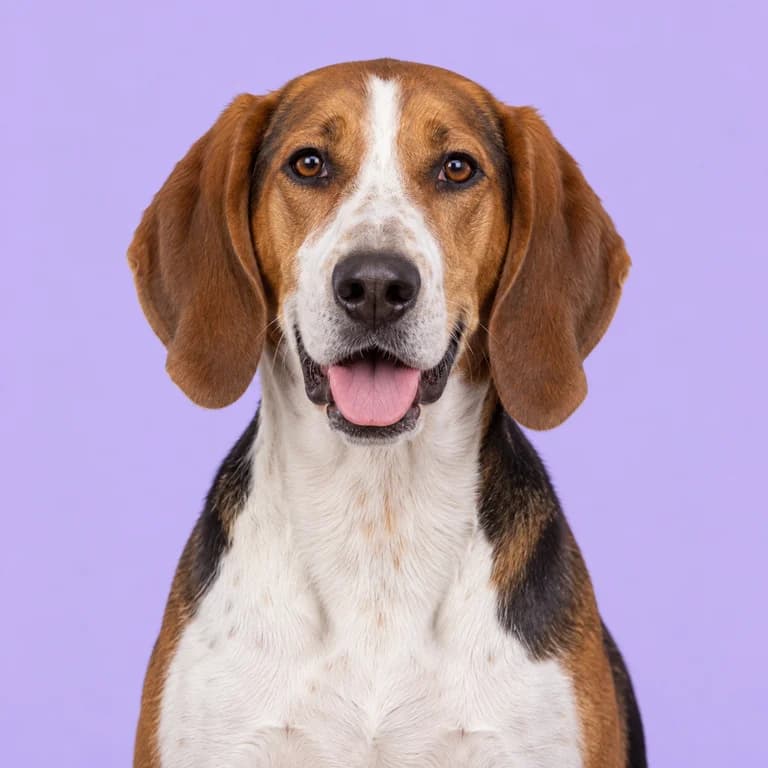
Hound group
American Foxhound
27 to 34 kg · 11 to 13 years
America's own pack hound, bred for all-day stamina and a voice that carries across whole valleys.
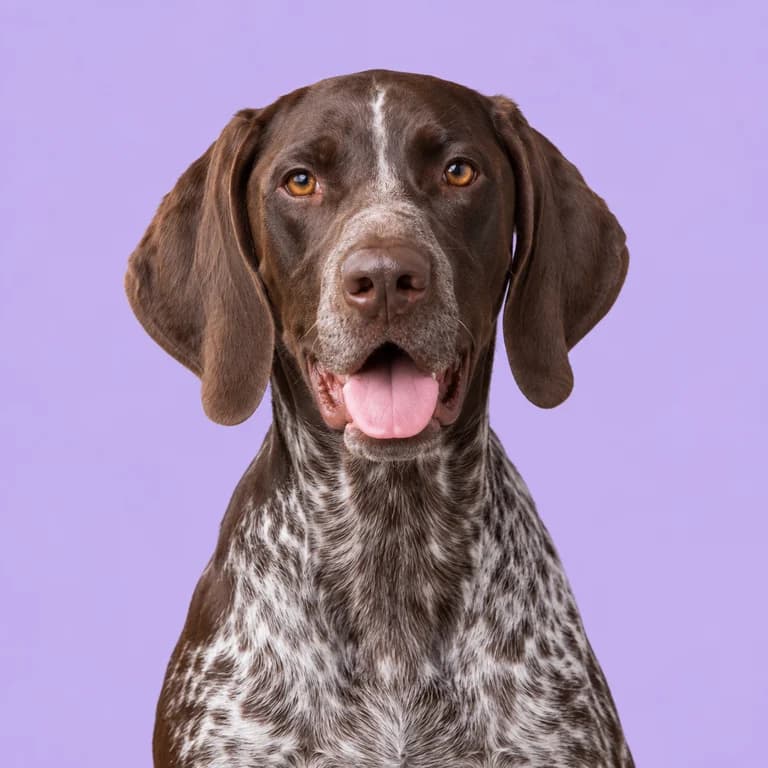
Sporting group
German Shorthaired Pointer
20 to 32 kg · 12 to 14 years
A lean German gundog built to point, retrieve and track all day, then ask what comes next.
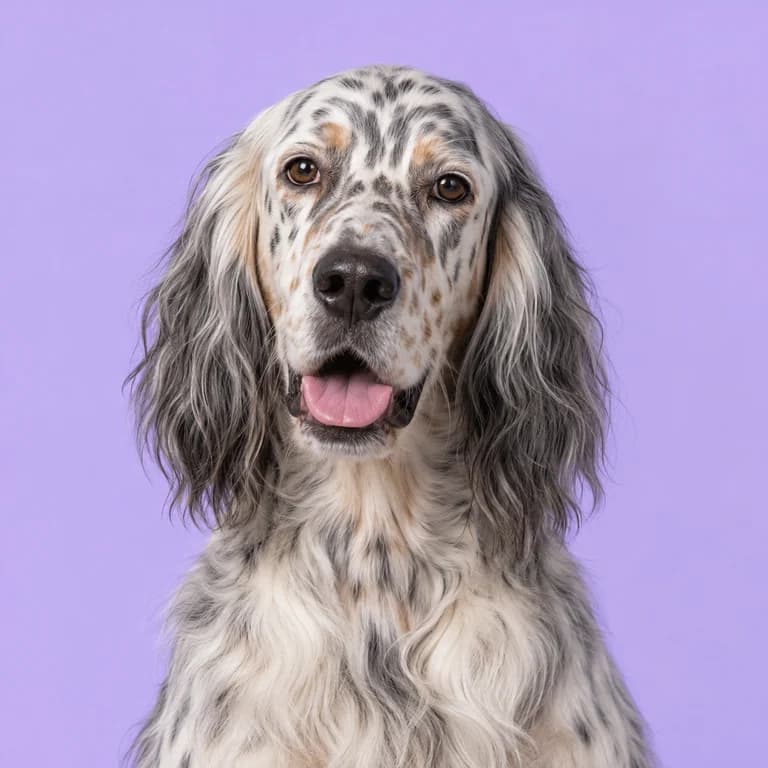
Sporting group
English Setter
20 to 36 kg · 10 to 12 years
A speckled gentleman of the field, mellow at home yet slow to grow out of puppy silliness.