Sources for this article
Hound group · United States
Bluetick Coonhound
Also called Bluetick
A cold-nosed American hound with a booming voice that follows a raccoon's trail long after it has faded.
The Bluetick Coonhound is a friendly, easygoing hound whose nose and voice rule its life. Training one means working with that nose rather than against it, and patience matters far more than force.
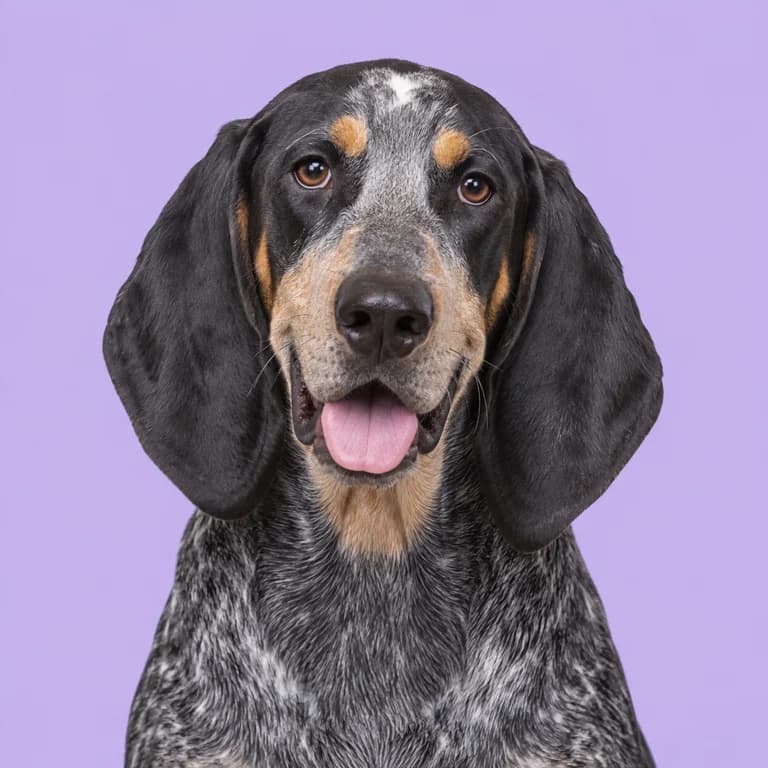
Original AI-generated breed illustration
Weight
20 to 36 kg
44 to 79 lb
Height
53 to 69 cm
at the shoulder
Life expectancy
11 to 12 yrs
Activity estimate
90 to 120 min
editorial daily planning range
Adult-size estimate
18 months
approximate model input
Life with a Bluetick Coonhound
Before you try to train a Bluetick, it helps to understand what the dog believes its job is. For generations, hunters in the American South, especially Louisiana and Tennessee, wanted a hound that would pick up a raccoon's trail at night, sometimes hours after the animal had passed, follow it through swamp and woodland, then hold it up a tree and bay until the hunter caught up. Everything about the modern Bluetick, from its nose to its voice, serves that single task.
The breed grew from French hounds such as the Grand Bleu de Gascogne, which contributed the mottled blue coat, crossed with English foxhounds and American hunting stock. For years these dogs were registered as English Coonhounds, until breeders who preferred a slower, more methodical cold-trailing hound split off in 1946. The AKC granted full recognition in 2009.
Its voice is a large part of the package. A Bluetick bawls with a long, drawn-out note while trailing, then switches to a rapid chop when the quarry is treed, and hunters often recognize their own dog from the sound alone. At home, the same dog is usually relaxed and affectionate, happy to sprawl on the sofa and gentle with children. Outside, near a fresh scent, the rest of the world tends to vanish.
What stands out
Training
Blueticks are intelligent but independent, bred to make their own decisions on the trail far from their handler. That makes classic obedience slow going. Short sessions, high-value food rewards and games built around scent work best; teaching a Bluetick to follow a trail on cue, then rewarding it at the end, gives the nose an outlet you control.
Read the full training guideEasy to train
Open with strangers
Good with other dogs
A great match for
- rural homes with space and tolerant neighbors
- hunters and tracking enthusiasts
- families wanting an affectionate, easygoing housedog
- owners who enjoy long, sniffing walks
Think twice if
- loud baying and howling
- follows scent and ignores recall
- slow to respond to formal obedience
- drools and has a distinct hound smell
- strong prey drive toward cats and small animals
Personality and needs at a glance
Living together
Good with children
Good with other dogs
Open with strangers
Apartment friendly
Copes with alone time
Energy and character
Energy level
Playfulness
Easy to train
Barking
5 means very vocal
Care and climate
Grooming needs
Shedding
Drooling
Handles cold
Handles heat
How much a Bluetick Coonhound eats
Illustrative calculations for neutered adults at midpoint breed weights, with food at 370 kcal per 100 g and 100 g per cup. These are not measured breed requirements. Use actual weight, the food label and veterinary body-condition advice.
| Dog | Weight | Calories | Dry food |
|---|---|---|---|
| Female, relaxed lifestyle | 25 kg | 1080 kcal | 290 g (3 cups) |
| Female, typical pet | 25 kg | 1230 kcal | 335 g (3.3 cups) |
| Male, typical pet | 31 kg | 1450 kcal | 395 g (4 cups) |
| Male, very active | 31 kg | 1820 kcal | 490 g (5 cups) |
Care guides for the Bluetick Coonhound
Things owners are often surprised by
- 1Registered as English Coonhounds until the United Kennel Club recognized Blueticks separately in 1946
- 2Recognized by the AKC in 2009
- 3Descends partly from the French Grand Bleu de Gascogne and English foxhounds
- 4A cold-nosed hound, able to follow faint trails that are hours old
- 5Hunters can often identify their own dog's bawl from more than a mile away
- 6Smokey, the University of Tennessee mascot, is a Bluetick
Bluetick Coonhound questions
What does cold-nosed mean in a coonhound?
A cold-nosed hound can pick up and follow an old, faint scent trail, sometimes many hours after the animal passed. Hot-nosed hounds prefer fresh trails and move faster. Blueticks are known for cold trailing, working steadily and methodically. That makes them excellent trackers but also means they may lock onto a trail on a walk and ignore everything else.
Are Bluetick Coonhounds loud?
Yes. Their deep bawl and chop were bred to carry across long distances at night. Many Blueticks bay at sirens, wildlife and neighbors, and some howl when left alone. Exercise and training help, but noise is part of the breed. They are a poor fit for thin-walled flats or neighbors who complain easily.
Can a Bluetick Coonhound be off lead?
Some can in enclosed areas, but many are never fully reliable in open country. Once a scent grabs them, recall often switches off, and they may run for kilometers. Use a long line in unfenced spaces, practice recall with top rewards, and choose fully fenced areas for free running. A GPS collar is a useful backup for hunting dogs.
Are Blueticks good family dogs?
Many are. Blueticks are usually friendly, gentle with children and sociable with other dogs. They are relaxed indoors when exercised and enjoy lounging near their people. The main challenges are noise, drool, a strong prey drive toward cats and small pets, and a nose that makes recall unreliable. A family with a secure garden and daily walks suits them best.
How is a Bluetick different from a Redbone or Treeing Walker?
All three are American coonhounds. The Bluetick has a mottled blue coat and a reputation for slower, more methodical cold trailing. The Redbone is solid red and generally quicker on the trail. The Treeing Walker is tricolored, lighter and known for speed and a hot nose. Temperaments are broadly similar: friendly, vocal and scent-driven.
Popular answers for owners
- Exercise and playWhat enrichment activities work well for senior dogs?
- Bowls and feeding gearWhat is the best material for a dog bowl?
- Bowls and feeding gearAre automatic feeders good for dogs on a diet?
- Exercise and playHow do I teach my dog to swim?
- Grooming and coatIs it safe to use detangling spray every day?
- Exercise and playIs playing frisbee safe for dogs?
Breeds you might compare
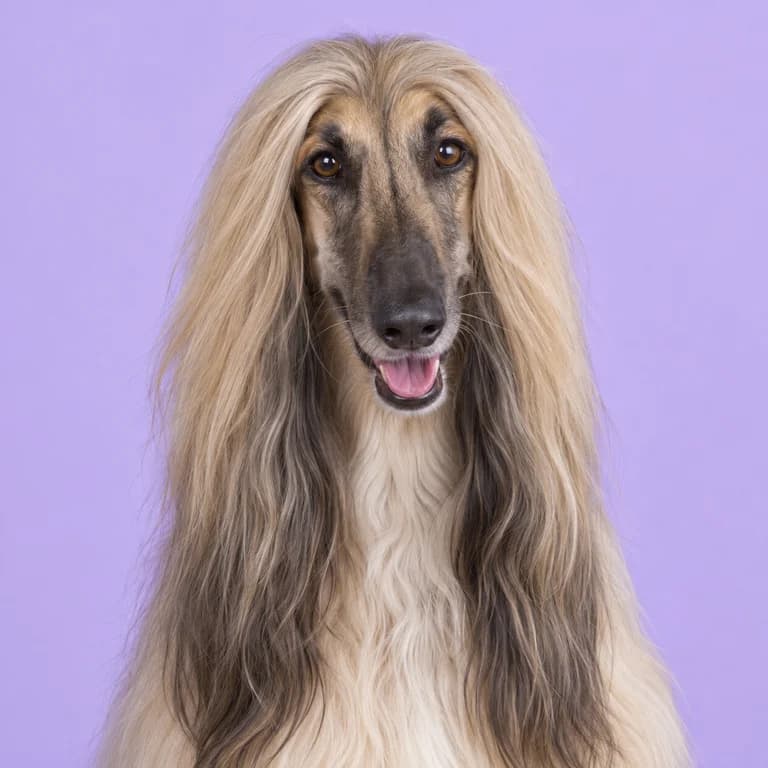
Hound group
Afghan Hound
20 to 30 kg · 12 to 14 years
An elegant sighthound in a floor-length coat that asks for hours of care every single week.
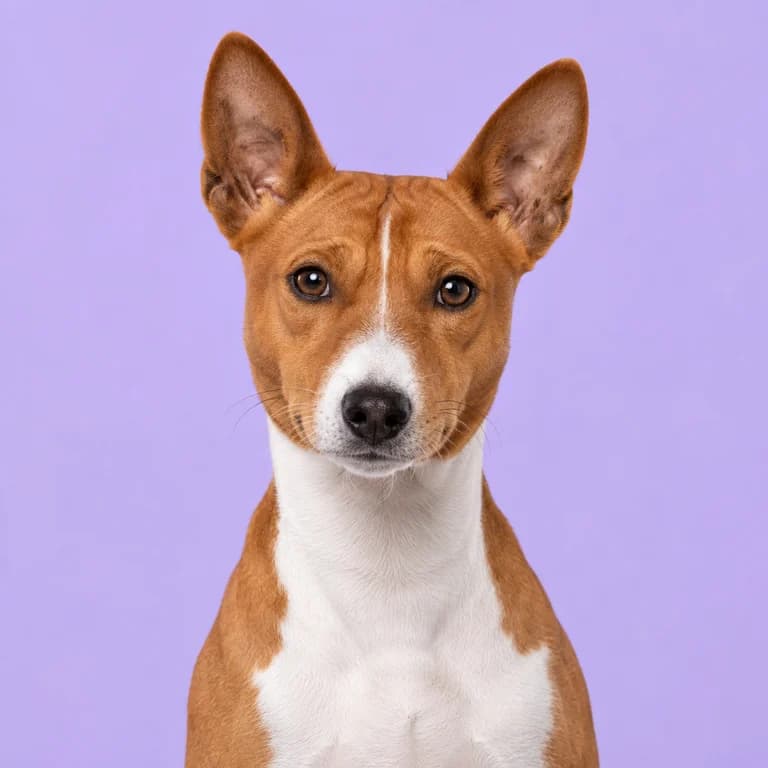
Hound group
Basenji
9 to 12 kg · 12 to 16 years
A Congo hunting dog of ancient lineage that yodels rather than barks and keeps itself clean like a cat.
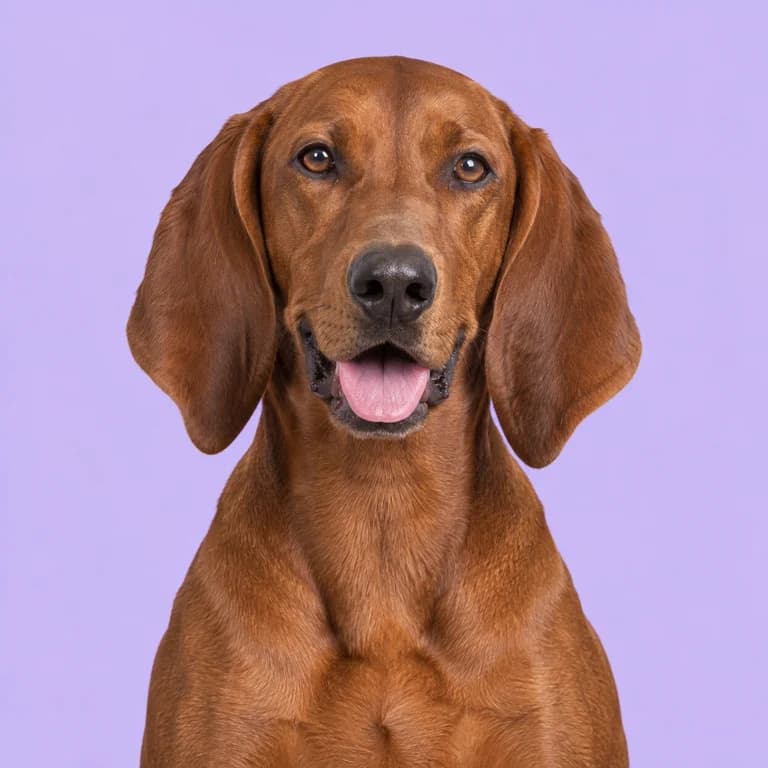
Hound group
Redbone Coonhound
20 to 32 kg · 12 to 15 years
An easygoing sofa companion indoors and a tireless, musical tracker the moment its nose finds a trail outside.
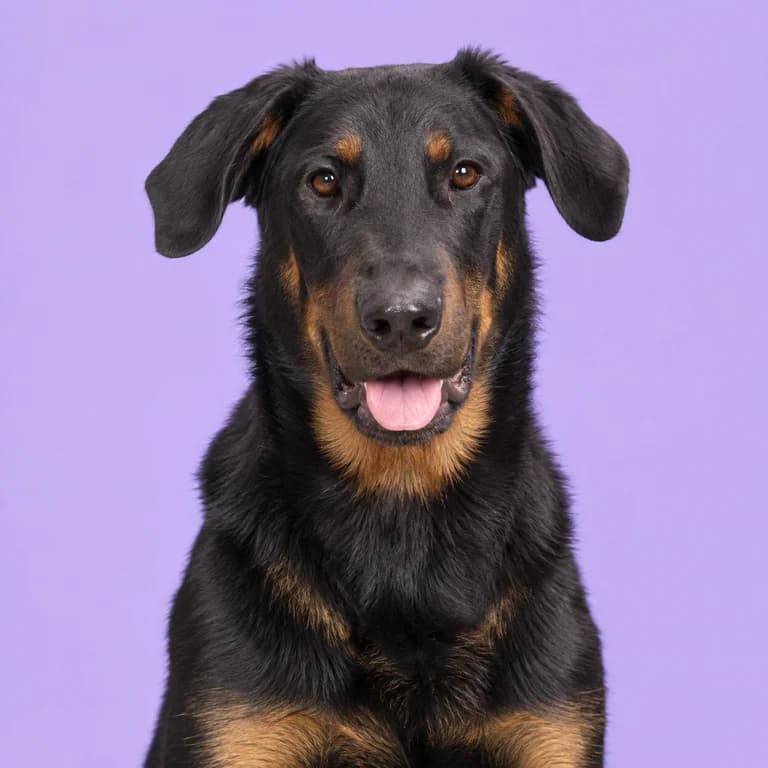
Herding group
Beauceron
30 to 45 kg · 10 to 12 years
A tall French sheepdog with double dewclaws and red stockings, confident enough to take charge of a flock or a household.
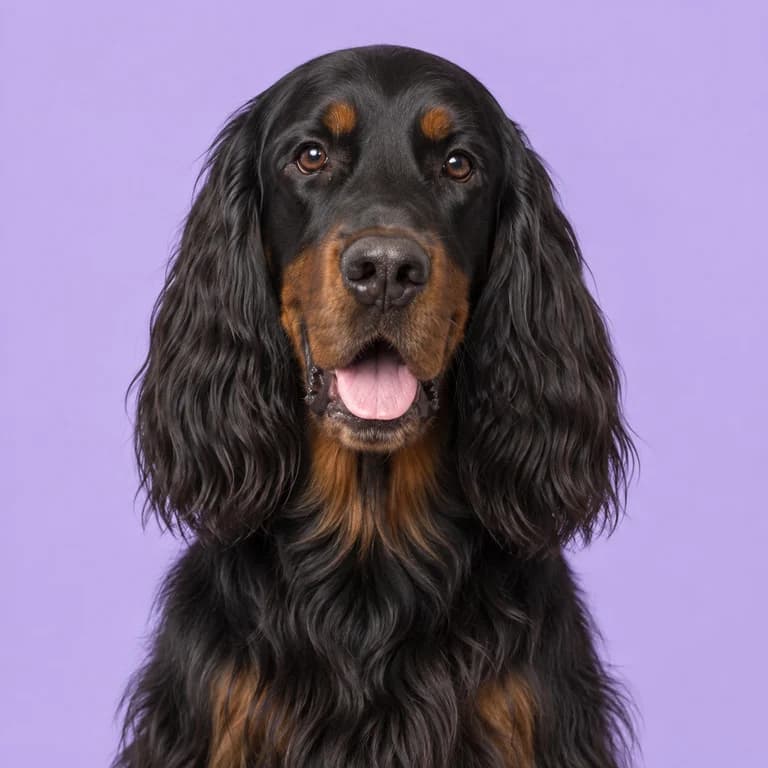
Sporting group
Gordon Setter
20 to 36 kg · 10 to 12 years
The heaviest and most thoughtful of the setters, shaped by a Scottish duke for long days on grouse moors.
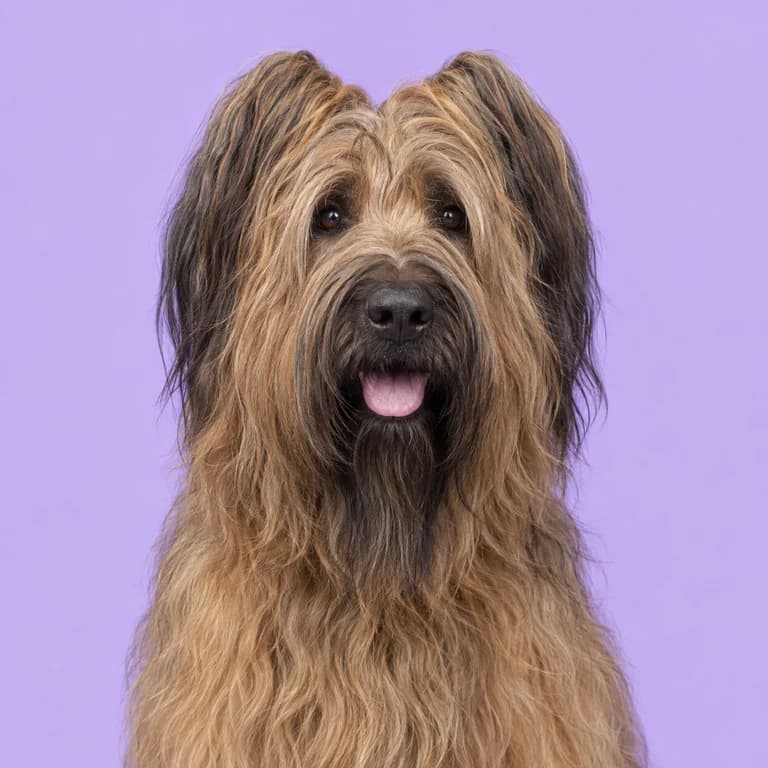
Herding group
Briard
25 to 45 kg · 10 to 12 years
A shaggy French sheepdog that guarded the flock by night and now guards its family instead.