Sources for this article
Sporting group · Hungary
Vizsla
Also called Hungarian Vizsla, Hungarian Pointer, Magyar Vizsla
Hungary's golden-rust pointer: a lean athlete that wants miles of running, then a lap to finish on.
Hungary's all-round gundog pairs serious stamina with an almost physical attachment to its people, which is why owners nickname it the velcro dog. A Vizsla needs close to two hours of real exercise every day and company for most of the rest. Give it both and you get a gentle, funny, deeply loyal companion.
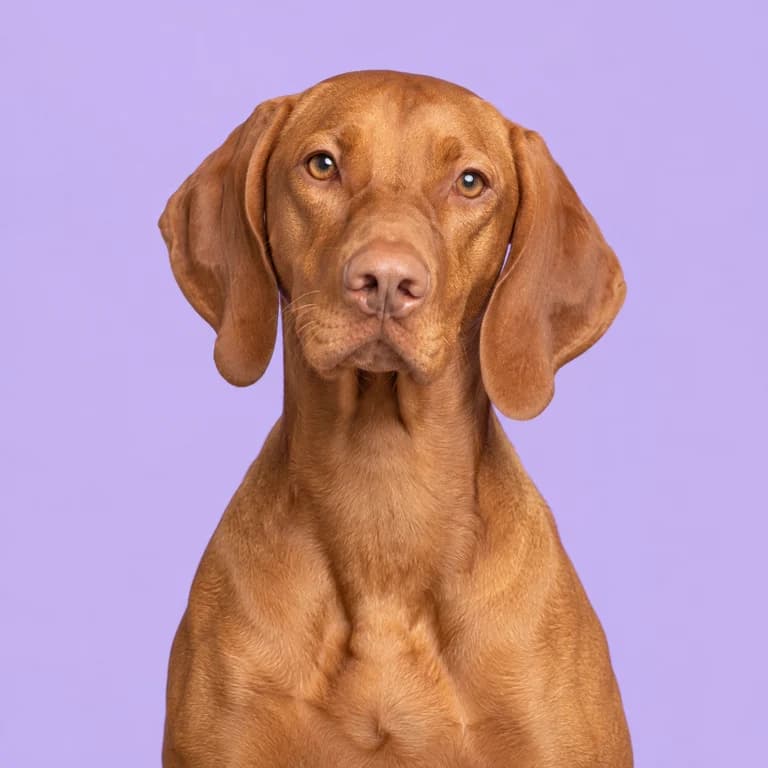
Original AI-generated breed illustration
Weight
18 to 29 kg
40 to 64 lb
Height
54 to 64 cm
at the shoulder
Life expectancy
12 to 14 yrs
Activity estimate
120 to 150 min
editorial daily planning range
Adult-size estimate
18 months
approximate model input
Life with a Vizsla
Pointing dogs resembling the Vizsla appear in Hungarian records going back several centuries, and the breed is often credited to the Magyar tribes who settled the Carpathian Basin. What is certain is that Hungarian landowners refined it into an all-purpose hunting dog for open plains: one that could find and point game birds, retrieve from land and water, and keep pace with a rider across flat country all day.
The twentieth century nearly finished it. War and political upheaval scattered the remaining dogs, and those carried abroad by Hungarians leaving the country helped keep the lines alive in Austria, the United States and elsewhere. The American Kennel Club recognized the breed in 1960, and it has grown steadily in popularity on both sides of the Atlantic since.
Indoors, the Vizsla is tactile and emotional. It leans against your legs, trails you from room to room and would sleep under the duvet if allowed. That closeness is lovely, but it comes attached to a dog that copes badly with long empty days and will invent its own entertainment, usually involving shoes, cushions or door frames, if its energy has not been used up.
What stands out
Exercise
Plan on 90 minutes a day as a minimum for an adult, and two hours is closer to what many need. At least half an hour of that should be off-lead running or structured work: canicross, cycling alongside once fully grown, swimming, retrieving or scent trails. A lead walk around the block does not come close to satisfying this breed.
Read the full exercise guideActivity planning estimate
120 to 150 min
editorial estimate, not a prescription
Energy
5 / 5
Playfulness 5 / 5
A great match for
- runners, cyclists and hikers
- households where someone is home most of the day
- owners interested in dog sports or gundog work
- families with active older children
Think twice if
- needs 90 minutes or more of hard exercise daily
- struggles when left alone for long
- feels the cold on winter walks
- stays puppyish and mouthy until around two
- will chase birds and hares given the chance
Personality and needs at a glance
Living together
Good with children
Good with other dogs
Open with strangers
Apartment friendly
Copes with alone time
Energy and character
Energy level
Playfulness
Easy to train
Barking
5 means very vocal
Care and climate
Grooming needs
Shedding
Drooling
Handles cold
Handles heat
How much a Vizsla eats
Illustrative calculations for neutered adults at midpoint breed weights, with food at 370 kcal per 100 g and 100 g per cup. These are not measured breed requirements. Use actual weight, the food label and veterinary body-condition advice.
| Dog | Weight | Calories | Dry food |
|---|---|---|---|
| Female, relaxed lifestyle | 22 kg | 980 kcal | 265 g (2.8 cups) |
| Female, typical pet | 22 kg | 1120 kcal | 300 g (3 cups) |
| Male, typical pet | 26 kg | 1270 kcal | 345 g (3.5 cups) |
| Male, very active | 26 kg | 1590 kcal | 430 g (4.3 cups) |
Care guides for the Vizsla
Things owners are often surprised by
- 1Nose, eye rims and nails blend with the golden rust coat; a black nose is a fault in the breed
- 2Numbers fell so low after the Second World War that the modern breed is said to descend from only a few dozen surviving dogs
- 3Has no insulating undercoat, so it feels winter weather more than most gundogs
- 4A separate breed, the Wirehaired Vizsla, was developed in the 1930s using German Wirehaired Pointers
- 5Bred to point, retrieve on land and fetch from water
- 6Males usually stand 58 to 64 cm (23 to 25 in) at the shoulder
Vizsla questions
Why is the Vizsla called a velcro dog?
Because it sticks to you. Vizslas were bred to work close to a single hunter, and they carried that closeness into family life. Many follow their owners into every room, lean their whole weight against your legs and try to sleep touching you. It is endearing, but it also means the breed can struggle with separation, so gradual alone-time training from puppyhood is well worth the effort.
Can a Vizsla live in an apartment?
It can, provided the exercise happens outside. Plenty of city Vizslas thrive on a morning run, a midday outing with a dog walker and an evening session in a park where they can stretch out properly. Floor space is not the real problem; empty hours are. A Vizsla left alone all day in a small flat is likely to become noisy, anxious and destructive.
How can I tell a Vizsla from a Rhodesian Ridgeback or a Redbone Coonhound?
Look at the nose first. A Vizsla's nose and eye rims match its golden rust coat and are never black. It is lighter in build than a Ridgeback, with no ridge of backward-growing hair along the spine. A Redbone Coonhound is a deeper red, has longer ears and a baying voice. The Vizsla's head is lean and refined, and the coat is short and smooth all over.
Do Vizslas feel the cold?
Yes, more than most gundogs. With a single short coat and little body fat, a Vizsla can start shivering on a damp 5°C (41°F) morning, especially when standing still. A fitted waterproof coat for winter walks and a warm bed away from drafts make a real difference. Keep moving on cold outings and towel your dog dry when you get home.
What is the difference between a Vizsla and a Wirehaired Vizsla?
They are separate breeds with a shared background. The Wirehaired Vizsla was developed in Hungary in the 1930s by crossing Vizslas with German Wirehaired Pointers to get a dog with a dense, weather-resistant coat for cold water and rough cover. It is slightly heavier, has a wiry coat with a beard and eyebrows, and tends to be a little calmer, though both need a great deal of exercise.
Popular answers for owners
- Grooming and coatHow often should a dog get a professional groom?
- Exercise and playAre rubber chew toys better than plastic ones?
- Grooming and coatWhat foods or habits make a dog's coat shinier?
- Grooming and coatHow do I clean and care for my dog grooming tools?
- Bowls and feeding gearAre slow feeder bowls safe for flat faced dogs?
- Grooming and coatHow do I choose a shampoo for a dog with a sensitive coat?
Breeds you might compare
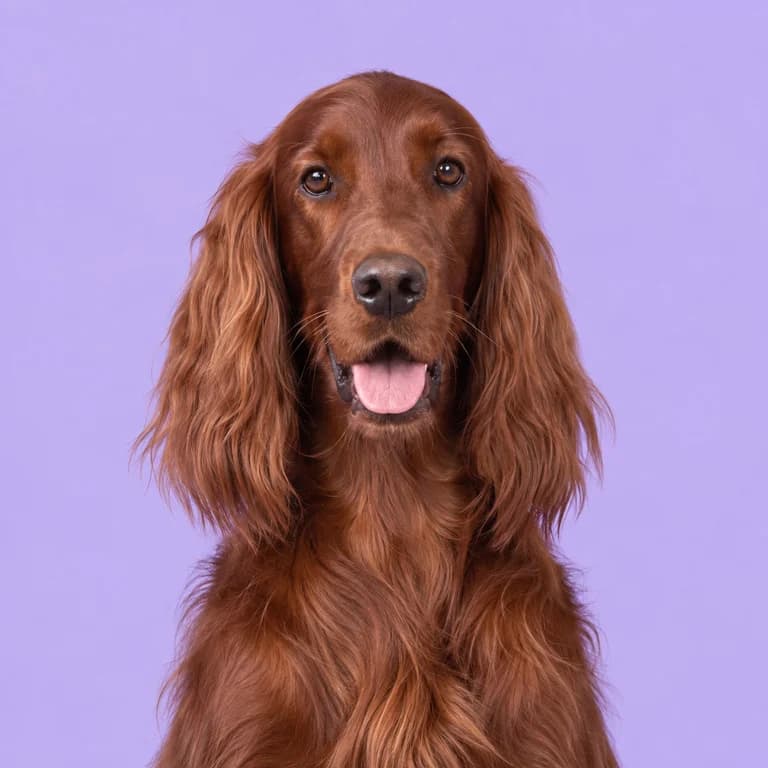
Sporting group
Irish Setter
25 to 34 kg · 12 to 15 years
A mahogany gundog built to quarter Irish bogs all day, and still in no hurry to grow up.
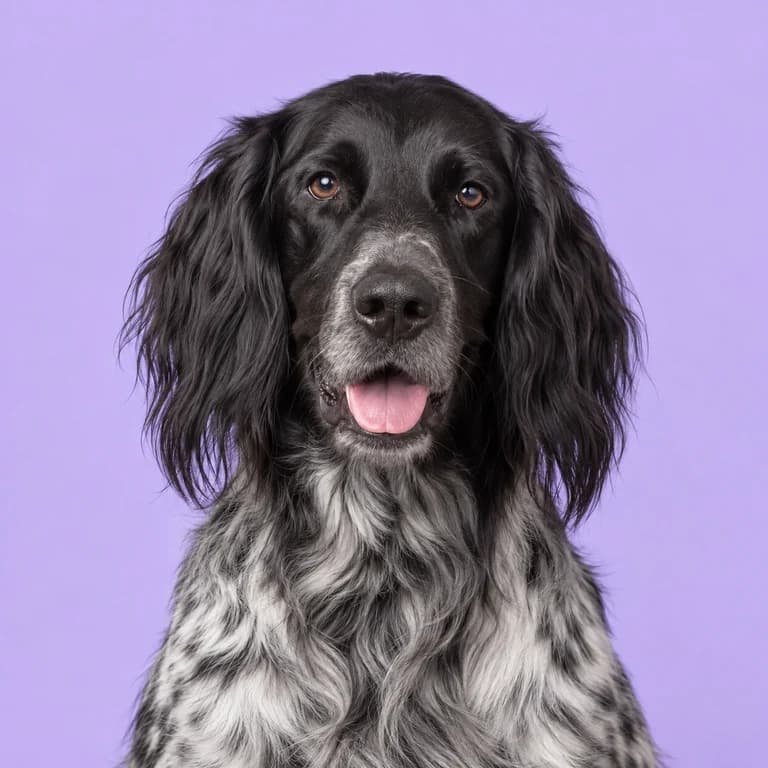
Sporting group
Large Munsterlander
25 to 32 kg · 11 to 13 years
A black and white German gundog that hunts, points and retrieves, then wants to do it all again.

Sporting group
Brittany
13 to 18 kg · 12 to 14 years
A compact French bird dog built to cover open ground at speed, then freeze on point.
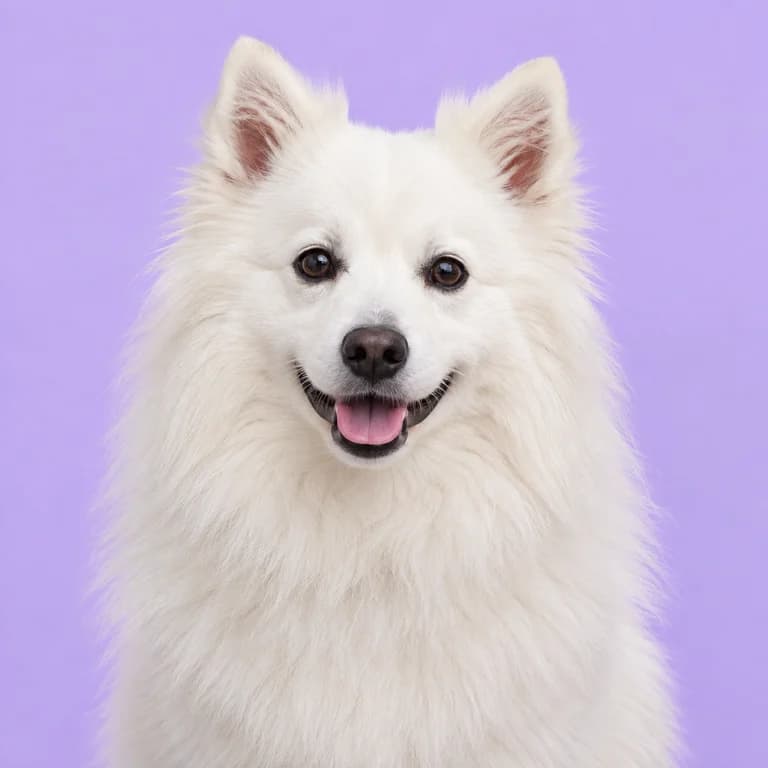
Non-sporting group
American Eskimo Dog
9 to 16 kg · 13 to 15 years
A German spitz renamed in America, once a circus star, now a bright and vocal family watchdog.
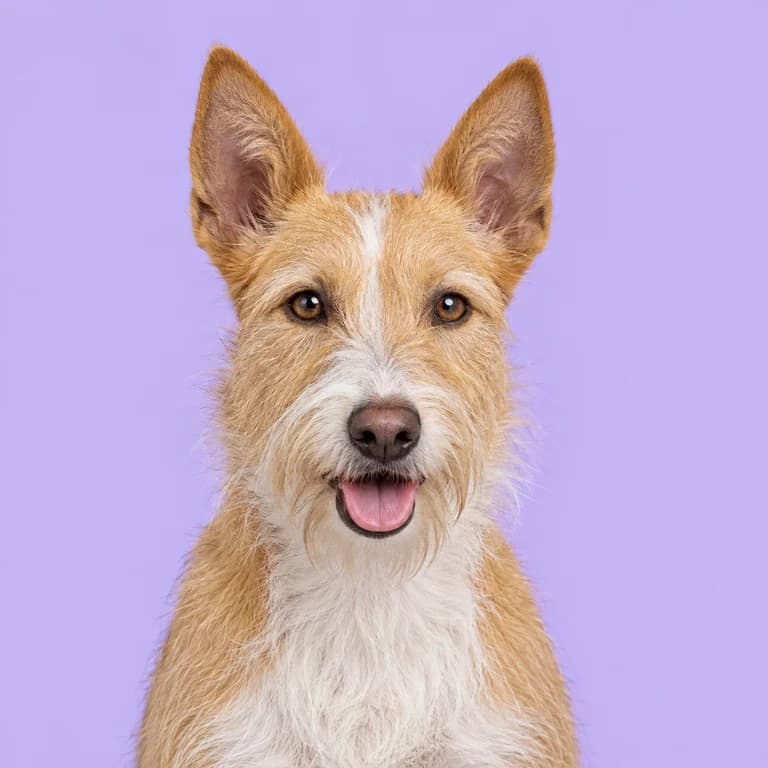
Hound group
Portuguese Podengo
4 to 30 kg · 12 to 15 years
Portugal's rabbit hunter comes in three sizes and two coats, all sharing big ears, sharp senses and a lively mind.
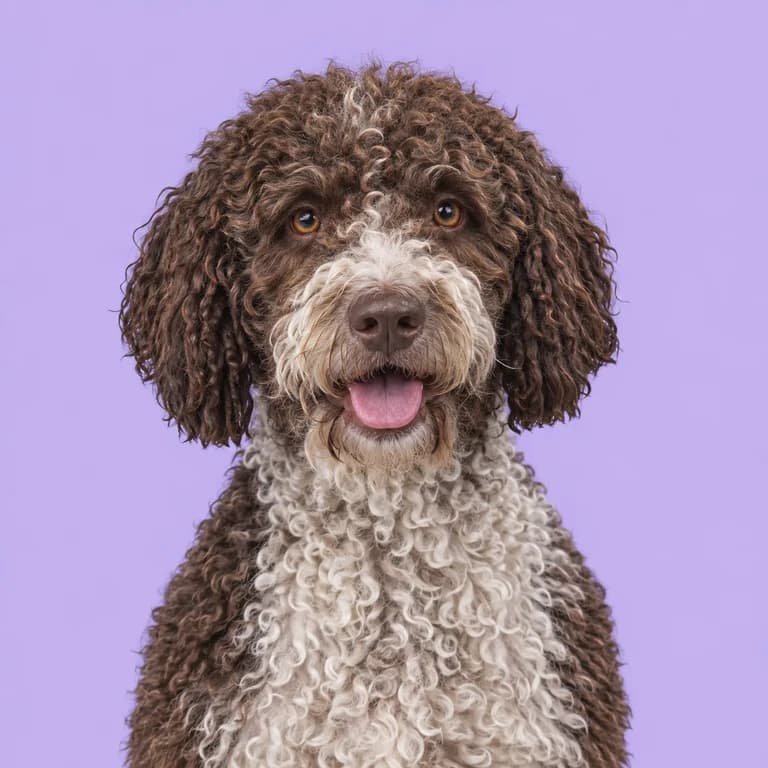
Herding group
Spanish Water Dog
14 to 22 kg · 12 to 14 years
A curly Andalusian all-rounder that herds, swims and retrieves, wearing a coat you must never brush.